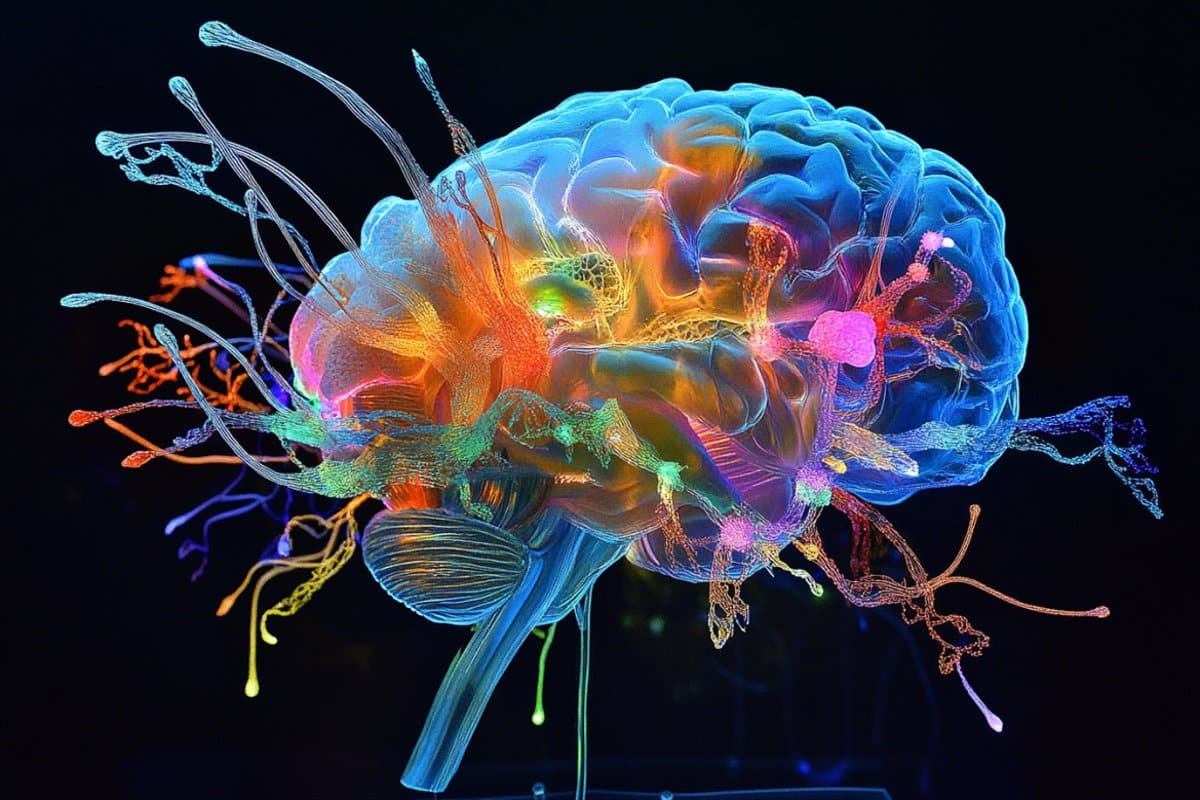
Why do some people remember dreams in vivid detail while others recall nothing at all?
The components of agent memory
For Claude to learn from experience, it has to decide what’s worth remembering before it knows what’s next. Here’s how “dreaming” helps it organize memory and correct mistakes.

“Infantile amnesia” occurs despite babies showing memory activity
It looks like humans actively suppress our earliest memories.

Brain Study Suggests Traumatic Memories Are Processed as Present Experience (Published 2023)
Traumatic memories had their own neural mechanism, brain scans showed, which may help explain their vivid and intrusive nature.

To Remember, the Brain Must Actively Forget | Quanta Magazine
Researchers find evidence that neural systems actively remove memories, suggesting that forgetting may be the default mode of the brain.

MIT neuroscientist: The No. 1 skill that sets people with ‘excellent memory’ apart from those who struggle—'it's rare'
Memory skills vary from one person to another. MIT Sloan neuroscientist Dr. Tara Swart Bieber shares how she trains her brain to prevent memory decline as we age.

A Successful Artificial Memory Has Been Created
The growing science of memory manipulation raises social and ethical questions

Dreaming: Better memory for a more helpful ChatGPT
ChatGPT introduces a new memory system to better remember preferences, keeping context fresh and relevant across conversations.

Pre-sleep treatment with galantamine stimulates lucid dreaming: A double-blind, placebo-controlled, crossover study
Lucid dreaming is a remarkable state of consciousness in which one is aware of the fact that one is dreaming while continuing to dream. Based on the strong relationship between physiological activation during rapid eye-movement sleep and lucid dreaming, our pilot research investigated whether enhancing cortical activation via acetylcholinesterease inhibition (AChEI) would increase the frequency of lucid dreams and found AChEI to be a promising method for lucid dream induction. In the current study we sought to quantify the size and reliability of the effect of AChEI on lucid dreaming, dream recall and dream content as well as to test the effectiveness of an integrated lucid dream induction protocol which combined cholinergic stimulation with other methods for lucid dream induction. Participants (N = 121) with high dream recall and an interest in lucid dreaming were randomly assigned counterbalanced orders of 3 doses of galantamine (0, 4 and 8 mg). On 3 consecutive nights, they awoke approximately 4.5 hours after lights out, recalled a dream, ingested the capsules and stayed out of bed for at least 30 minutes. Participants then returned to bed and practiced the Mnemonic Induction of Lucid Dreams technique while returning to sleep. The percentage of participants who reported a lucid dream was significantly increased for both 4 mg (27%, odds ratio = 2.29) and 8 mg doses (42%, odds ratio = 4.46) compared to the active placebo procedure (14%). Galantamine also significantly increased dream recall, sensory vividness and complexity (p<0.05). Dream recall, cognitive clarity, control, positive emotion, vividness and self-reflection were increased during lucid compared to non-lucid dreams (p<0.0001). These results show that galantamine increases the frequency of lucid dreams in a dose-related manner. Furthermore, the integrated method of taking galantamine in the last third of the night with at least 30 minutes of sleep interruption and with an appropriately focused mental set is one of the most effective methods for inducing lucid dreams available today.
Researchers link brain memory signals to blood sugar levels
A set of brain signals known to help memories form may also influence blood sugar levels, finds a new study in rats.

Sleep's memory role discovered
Scientists in China and the US use advanced microscopy to discover exactly how a good night's sleep improves learning and memory.

The Brain ‘Rotates’ Memories to Save Them From New Sensations | Quanta Magazine
Some populations of neurons simultaneously process sensations and memories. New work shows how the brain rotates those representations to prevent interference.
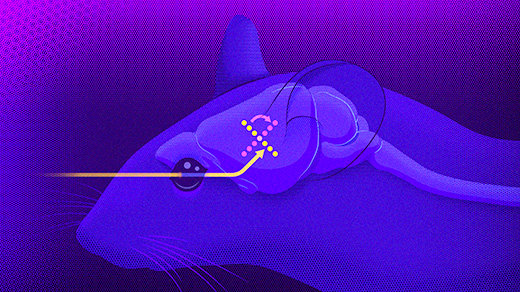
REM Sleep Is Magical. Here’s What the Experts Know. (Published 2023)
Dreaming, memory-making, problem-solving: A lot happens during the most active sleep phase

False Memories Can Form Within Seconds, Study Finds
It's not just distant recollections that can fool you.

Study illuminates the structural features of memory formation at cellular and subcellular levels
NIH-funded study uses cutting-edge imaging techniques to reconstruct features underlying learning and memory in the mouse brain.

How to improve your memory: 10 easy, enjoyable expert tips – from reading a book to getting more sleep
Relying on technology can make us forgetful, but there are some simple ways to sharpen your recall. Memory experts describe the tricks and habits that can help

Thalamus Identified As a Hub for Memory and Brain Plasticity - Neuroscience News
A new study reveals that the thalamus, long overshadowed by the cortex and hippocampus, plays a crucial role in shaping and updating brain connections.