

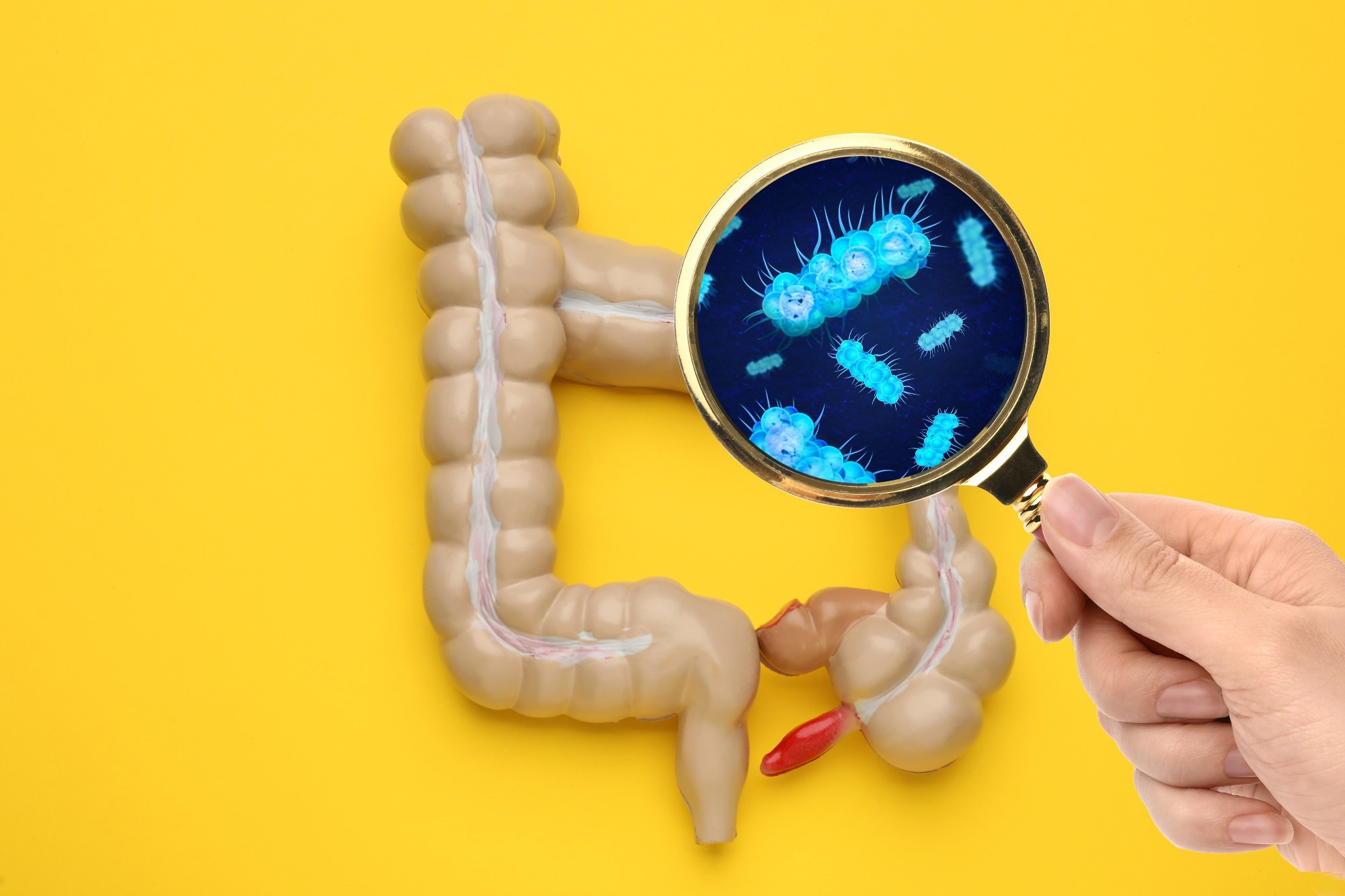
Researchers found that dairy consumption influences gut microbiota composition, with milk promoting beneficial bacteria and cheese altering microbial diversity in distinct ways.
Study Finds Probiotics 'Not As Beneficial For Gut Health As Previously Thought' - Slashdot
An anonymous reader quotes a report from The Guardian: The gut microbiome is the sum total of all the micro-organisms living in a person's gut, and has been shown to play a huge role in human health. New research has found probiotics -- usually taken as supplements or in foods such as yoghurt, kimch...

Study Finds Fermented Foods May Alter Your Microbiome, Reduce Inflammation, and Improve Your Health - Slashdot
A new study finds that eating fermented foods like yogurt, kimchi, sauerkraut and kombucha increase the diverse of gut microbes — and "may also lead to lower levels of body-wide inflammation, which scientists increasingly link to a range of diseases tied to aging," reports the New York Times: ...
Reinventing the wheel: milk, microbes, and the fight for real cheese
"Reinventing the Wheel is equal parts popular science, history, and muckraking. Over the past hundred and fifty years, dairy farming and cheesemaking have been transformed, and this book explores what has been lost along the way. Today, using cutting-edge technologies like high-throughput DNA sequencing, scientists are beginning to understand the techniques of our great-grandparents. The authors describe how geneticists are helping conservationists rescue rare dairy cow breeds on the brink of extinction, microbiologists are teaching cheesemakers to nurture the naturally occurring microbes in their raw milk rather than destroying them, and communities of cheesemakers are producing "real" cheeses that reunite farming and flavor, rewarding diversity and sustainability at every level."--Provided by publisher.
Sugar disrupts microbiome, eliminates protection against obesity and diabetes
A study of mice found that dietary sugar alters the gut microbiome, setting off a chain of events that leads to metabolic disease, pre-diabetes, and weight gain. The findings suggest that diet matters, but an optimal microbiome is equally important for the prevention of metabolic syndrome, diabetes, and obesity.

A contributory citizen science project reveals the impact of dietary keys to microbiome health in Spain
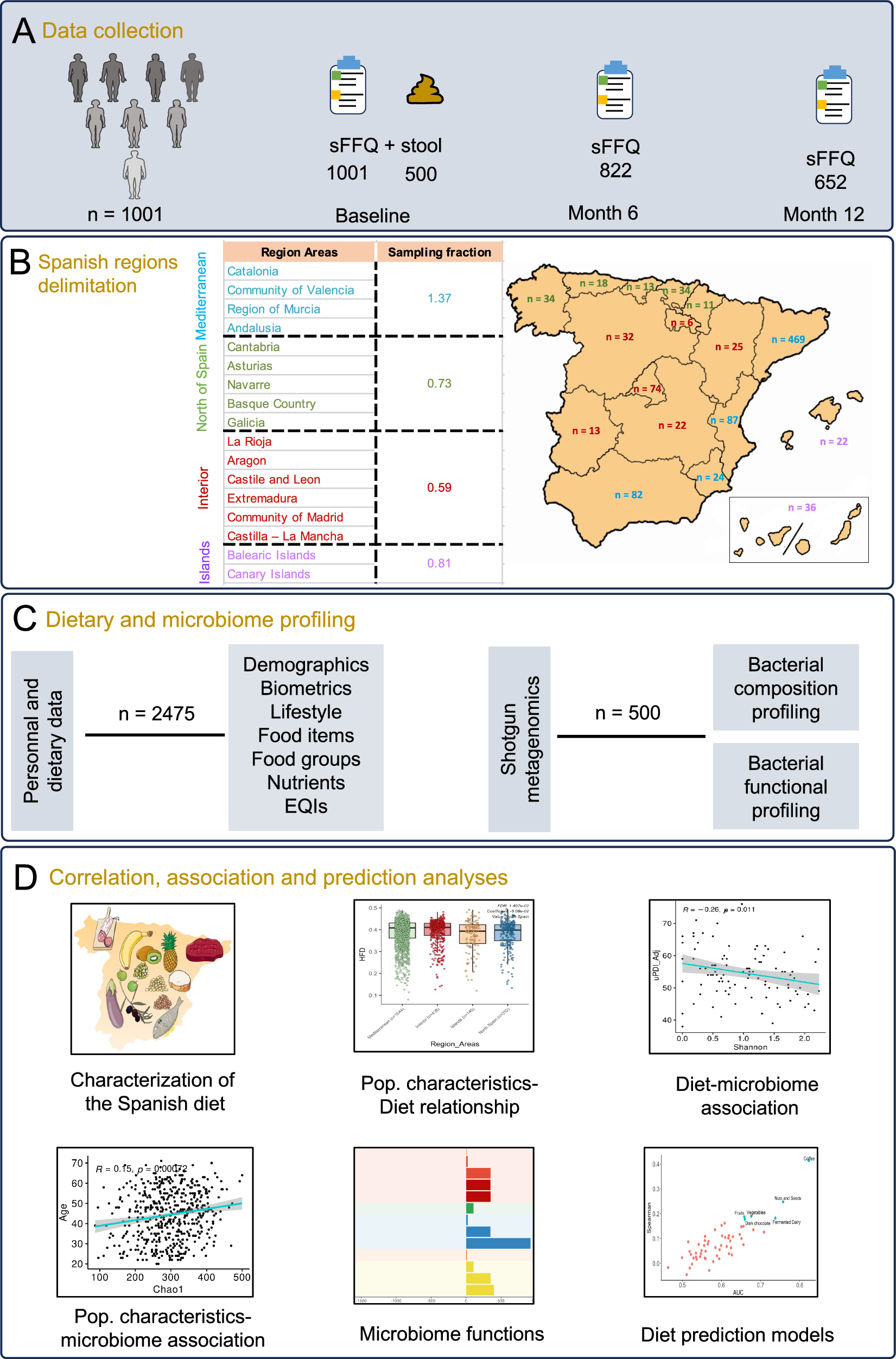
Low consumption of whole grains, fruits, and vegetables has been identified as dietary risks for non-communicable diseases such as inflammatory bowel diseases (IBDs). We explore how individual and lifestyle factors influence these risks by shaping gut microbiome composition. 1001 healthy participants from all Spanish regions provided personal and dietary data at baseline, six, and twelve months, yielding 2475 responses. Gut microbiome data were analyzed for 500 healthy participants and 321 IBD patients. Our findings reveal that adherence to national dietary guidelines—characterized by diets rich in nuts, seeds, fruits, and vegetables—was associated with greater microbial diversity and reduced IBD-related dysbiosis. Finally, we observed variations in dietary patterns and microbiome diversity and composition across age groups, genders, regions, seasons, and transit time. This study is among the first to uncover dietary intake associated with IBD-related dysbiosis and to propose an interactive website for participants (https://manichanh.vhir.org/POP/en).
Regulation of Intestinal Barrier Function by Microbial Metabolites
The human gastrointestinal tract (GI) harbors a diverse population of microbial life that continually shapes host pathophysiological responses. Despite readily available abundant metagenomic data, the functional dynamics of gut microbiota remain to be explored in various health and disease conditions. Microbiota generate a variety of metabolites from dietary products that influence host health and pathophysiological functions. Since gut microbial metabolites are produced in close proximity to gut epithelium, presumably they have significant impact on gut barrier function and immune responses.

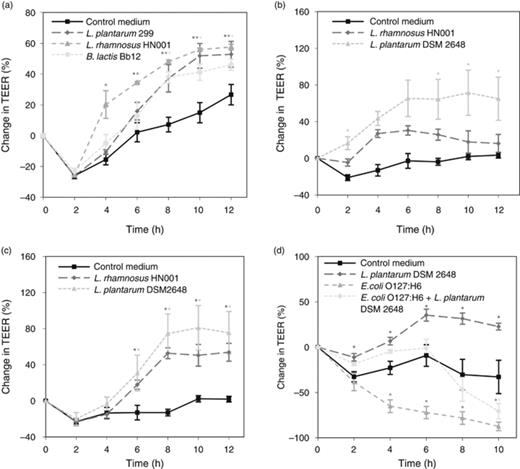
Lactobacillus plantarum DSM 2648 is a potential probiotic that enhances intestinal barrier function: Lactobacillus plantarum enhances intestinal barrier function
Abstract. The aim of this research was to identify bacterial isolates having the potential to improve intestinal barrier function. Lactobacillus plantarum
The pleiotropic effects of prebiotic galacto-oligosaccharides on the aging gut
Prebiotic galacto-oligosaccharides (GOS) have an extensively demonstrated beneficial impact on intestinal health. In this study, we determined the impact of GOS diets on hallmarks of gut aging: microbiome dysbiosis, inflammation, and intestinal barrier defects (“leaky gut”). We also evaluated if short-term GOS feeding influenced how the aging gut responded to antibiotic challenges in a mouse model of Clostridioides difficile infection. Finally, we assessed if colonic organoids could reproduce the GOS responder—non-responder phenotypes observed in vivo.

This Is The Absolute Easiest Way To Take Your Gut Health From Subpar To Thriving
It's time to make your microbiome a priority.

Diet plan tailored to your gut microbiome could lower disease risk
An international team of researchers led from London analysed the diet, health and gut microbiomes of more than 1,100 participants from the UK and the US.

Gut Bacteria Change as You Get Older--and May Accelerate Aging
Microbe types in older people’s intestines are different and are linked to disease

Blood type co-determines composition of the gut microbiome
For several years, scientists worldwide have been investigating the extent to which microorganisms living in and on the human body influence central life processes and thus health and disease. Today they ...

Gut microbiome atlas maps how bacteria establish themselves and shift in inflammatory bowel disease
Researchers created a microbiome-wide atlas mapping more than seven million colonization factor genes across 4,716 human gut microbial species, revealing three putative strategies linked to metabolism, stress resistance, and microbial communication. Applying the framework to inflammatory bowel disease showed that colonization-factor profiles can provide a compact, biologically interpretable view of disease-associated microbiome changes.
Personalized microbiome-driven effects of non-nutritive sweeteners on human glucose tolerance
A study of the effects of non-nutritive sweeteners on human metabolism as well as their microbiomes reveals how these can induce individual-specific, microbiome-dependent changes to glycemic responses, warranting follow-up clinical studies to understand long-term impact.

New study advances understanding of prebiotics in nutrition and gut health
A groundbreaking study led by David Berry and Alessandra Riva from the Centre for Microbiology and Environmental Systems Science (CeMESS) at the University of Vienna has significantly advanced our understanding of prebiotics in nutrition and gut health.
The Microbial Metabolites, Short-Chain Fatty Acids, Regulate Colonic T<sub>reg</sub> Cell Homeostasis
Protecting the Guts Regulatory T cells (T regs ) in the gut are important sentinels in maintaining the peace between our gut and its trillions of resident bacteria and have been shown to be regulated by specific strains of bacteria in mouse models. Smith et al. (p. 569 , published online 4 July; see the Perspective by Bollrath and Powrie ) asked whether metabolite(s) generated by resident bacterial species may regulate T regs in the gut. Indeed, short-chain fatty acids (SCFAs), bacterial fermentation products of dietary fibers produced by a range of bacteria, restored colonic T reg numbers in mice devoid of a gut microbiota and increased T reg numbers in colonized mice. The effects of SCFAs on T regs were mediated through GPCR43, a receptor for SCFAs, which is expressed on colonic T regs . Mice fed SCFAs were protected against experimentally induced colitis in a manner that was dependent on GPR43-expressing T regs . , Bacterial fermentation products regulate the number and function of regulatory T cells in the mouse colon. [Also see Perspective by Bollrath and Powrie ] , Regulatory T cells (T regs ) that express the transcription factor Foxp3 are critical for regulating intestinal inflammation. Candidate microbe approaches have identified bacterial species and strain-specific molecules that can affect intestinal immune responses, including species that modulate T reg responses. Because neither all humans nor mice harbor the same bacterial strains, we posited that more prevalent factors exist that regulate the number and function of colonic T regs . We determined that short-chain fatty acids, gut microbiota–derived bacterial fermentation products, regulate the size and function of the colonic T reg pool and protect against colitis in a Ffar2 -dependent manner in mice. Our study reveals that a class of abundant microbial metabolites underlies adaptive immune microbiota coadaptation and promotes colonic homeostasis and health.
