

The East Bay out : a personal guide to the East Bay regional parks : Margolin, Malcolm
Search the history of more than 1 trillion web pages.

The Chinese Attitude Towards the Past | China Heritage Quarterly
Covering contempory Chinese archaeology, heritage and conservation issues.
Living Museum of Food: Stories, Recipes, and Culinary Heritage from Traditional Communities
[PT-BR FOLLOWS] Introduction Back when city streets were paved with cobblestones, public telephones stood on street corners, and many neighborhoods were still unpaved, life followed a different rhy…

Bay Area Hip-Hop | That’s My Word | KQED
A Year-Long Exploration of Bay Area Hip-Hop History

497 days car-free in the South Bay | Offprint
Reflections on car-free living in the South Bay and why I finally gave in,


Back to the Bay — Oakland Public Library
Back to the Bay — Coolidge, Matthew
The Water’s Edge: Empire, Race, and the Global History of Oakland, California, 1848-1980
Author(s): Klein, Andrew Nelson Carver | Advisor(s): Kelley, Robin D.G. | Abstract: This dissertation explores historical intersections between capitalism, race-making, environmental change, and U.S. foreign relations from the vantage of Oakland’s waterfront. It tracks the evolution of this geostrategic coastline since it emerged as a coal-powered nexus of railroads, steamships, and military installations during American colonization. Revising the story of Oakland’s development from a global perspective, my project documents how local boosters, businessmen, and bureaucrats forged intimate ties with far-flung territories administered by U.S. troops and landowners. Combining social and environmental history with methods from Black studies, I map the transformation of Oakland’s fertile estuary into an infilled hub of postindustrial commerce, a vital node of military logistics, and a focal point for racialized labor migration. Simultaneously, this dissertation reveals how, over the long twentieth century, Black, Indigenous, Chinese, and other working-class Oaklanders found footholds on the harbor, often repurposing its imperial routes for dramatically different ends. Drawing on archives and oral histories in Cuba, Hawai‘i, and across the continental United States, I trace Oakland’s tradition of radical internationalism, most visible in the antiwar and Black Power movements of the sixties, to multi-generational struggles over the governance of coastal land. I argue that Oakland’s waterfront both bridged the continental and overseas expansion of an ascendant world power and came to serve as a proving ground for alternative forms of globalization. “The Water’s Edge” therefore offers a critical reappraisal of the generally place-bound history of North American urbanism and far-reaching lessons for building just cities in a present defined by global environmental crises.


Home - Newport Historical Society
In light of this unexpected challenge, please consider a donation to the Historical Society to support our recovery effort.
Welcome | Historical Photographs of Hong Kong
Developed by the Hong Kong History Centre and Special Collections at the University of Bristol, Historical Photographs of Hong Kong offers a rich visual history of Hong Kong, featuring images that span from the second half of the nineteenth century to the 1980s. These capture both the urban landscapes of central districts and the lives of residents and visitors there, and its rural worlds.
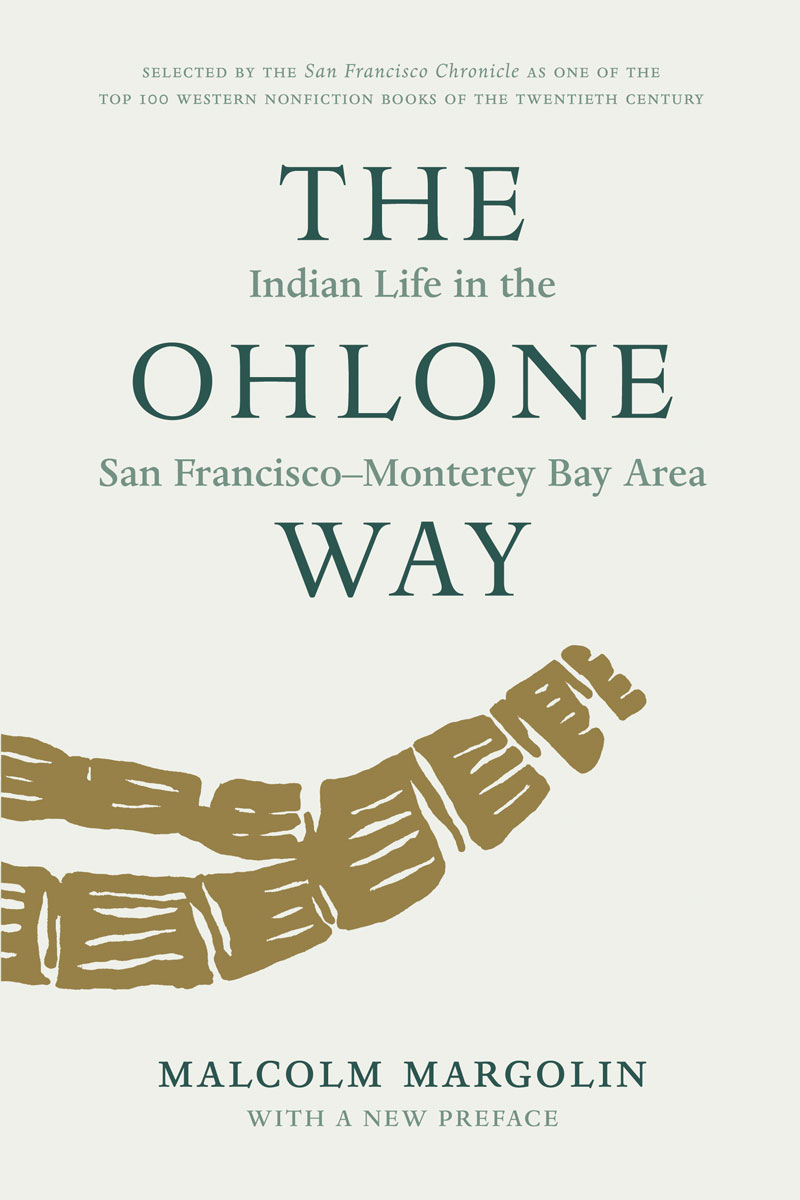
The Ohlone Way: Indian Life in the San Francisco-Monterey Bay Area by Malcolm Margolin
Two hundred years ago, herds of elk and antelope dotted the hills of the San Francisco–Monterey Bay area. Grizzly bears lumbered down to the creeks to
SustainOSS: The Report
On June 19th, 2017, one hundred people gathered in San Francisco to create a cultural shift in how we think about the sustainability of…

Community historians: scaffolding community engagement through culture and heritage
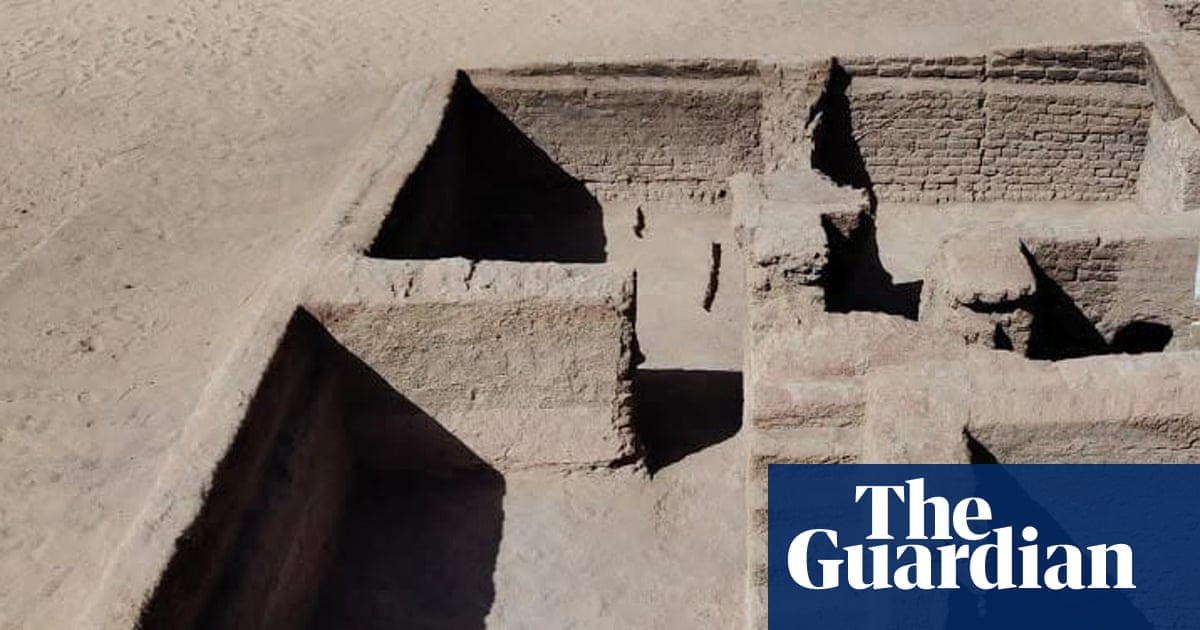
Archaeologists uncover ancient Byzantine city in Egypt’s western desert
Well-preserved fourth-century quarters reveal details of daily life, urban development and economic activities
Historic American Buildings Survey/Historic American Engineering Record/Historic American Landscapes Survey - About this Collection
Measured drawings, photographs, and written historical and architectural information for structures and sites dating from the 17th-20th centuries in the U.S. and its territories. Documentation for more than 43,000 sites and structures; records being added.