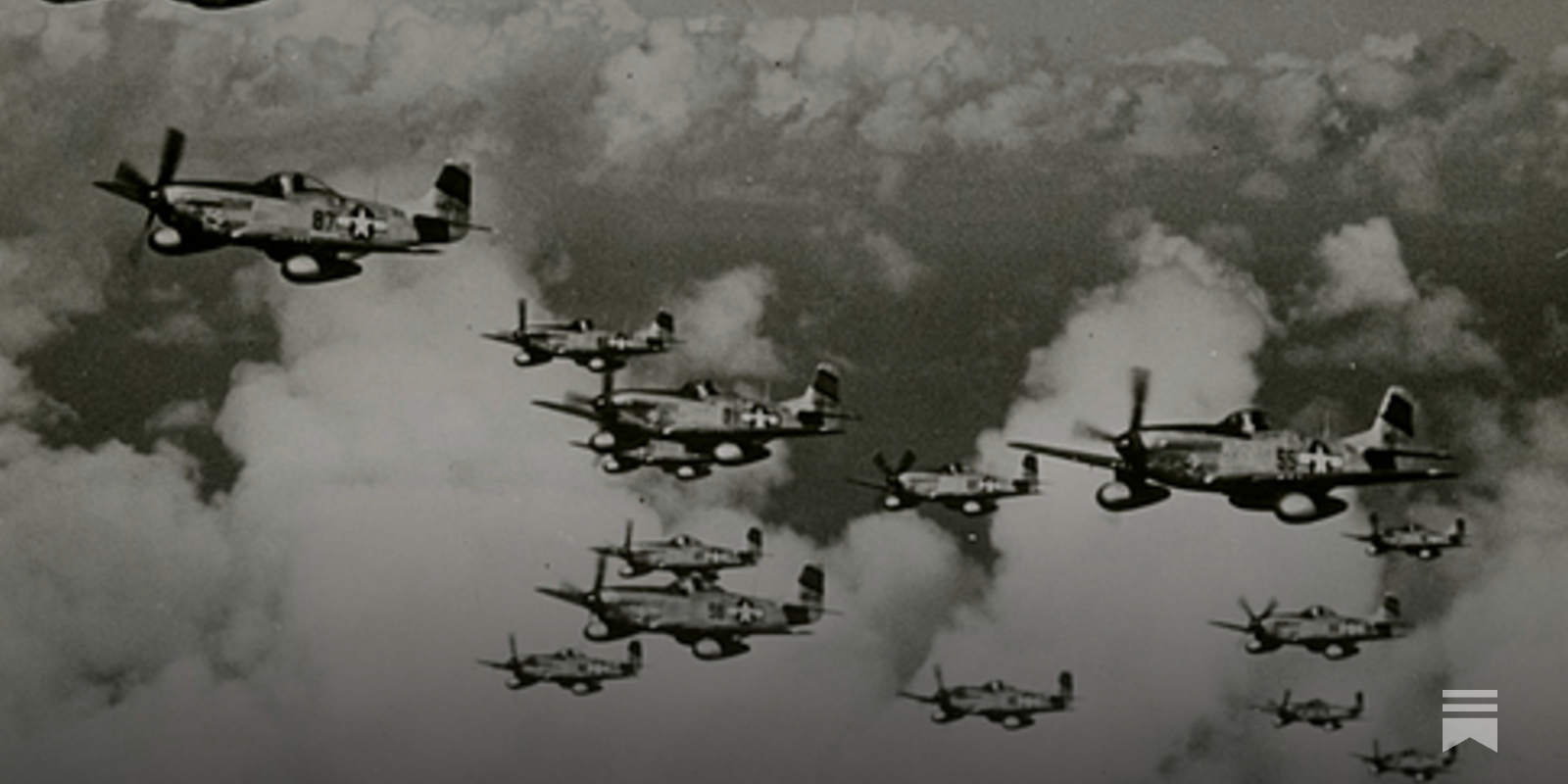
World War II, The Free Press, and the Problematic Use of History in Contemporary Media
The Untold Story About W Social: Unconventional Beginnings, Strategic Pitches and Conflicting Signals
A deep dive into the origin story of W Social, an analysis of the strategic arguments they have been using to appeal to government officials, media companies and advertisers... and the discussion of conflicting signals they have been sending

The Untold Story About W Social: Unconventional Beginnings, Strategic Pitches and Conflicting Signals
A deep dive into the origin story of W Social, an analysis of the strategic arguments they have been using to appeal to government officials, media companies and advertisers... and the discussion of conflicting signals they have been sending
Yesterday’s News
As early as the Second World War, much of the news was already faster than was, arguably, responsible.

Media Ownership Monitor
Mass media influences how facts are viewed and debated in a society, contributing to crafting its public opinion. Independence and pluralism...

Historical pragmatism and the internet
This article argues that the literature describing the internet revolution in the 1990s was characterized by the rhetoric of the technological sublime. This rhetoric suffered from three fatal flaws: (1) it was not sufficiently grounded in the historical development of technology; (2) it viewed the internet in isolation, failing to consider the wider technological context; and (3) it failed to examine the internet in view of the social, economic, religious and political circumstances of its users. Several examples from history are cited, demonstrating that changes in various systems for the production, dissemination and preservation of cultural information both border and deborder the world. The article suggests that if internet researchers take a pragmatic, historically grounded approach, they will discover that the introduction of internet technology can be seen to have similar consequences. While the technology overcomes many boundaries (of space and time, politics and economics), other social borders may be created at the same time. It is easier to see old boundaries coming down than to see new ones being erected. Rather than being swept by utopian or dystopian enthusiasms, the article insists that the really interesting discoveries are to be made in locating the subtle social shifts taking place, relatively unnoticed, as a consequence of technological change.

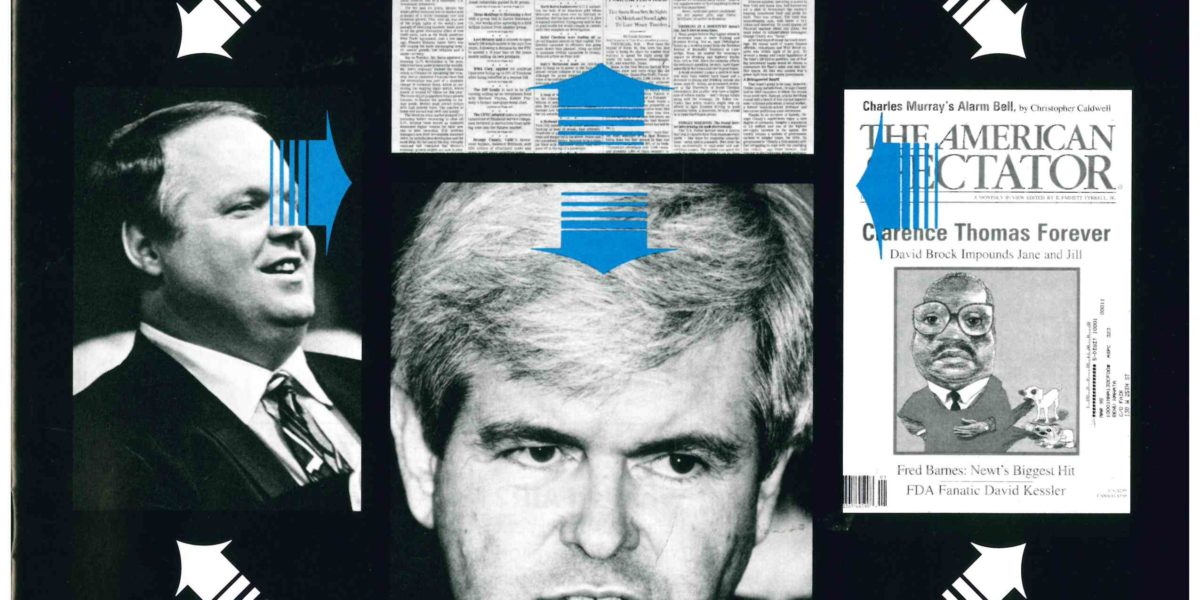
The Rise of the Right-Wing Media Machine
This conservative media machine now rivals—and may well surpass—the power and the influence of the old-line press. It holds sway over much of the national agenda, deciding which ideas and...
War and the lost generation of inventors
Large wars destroy not only lives and infrastructure but also the human capital that fuels long-term economic progress. This column presents new evidence from Britain that shows that communities that lost many young men in World War I experienced persistent declines in subsequent innovation. The losses were particularly detrimental for frontier technologies and breakthrough inventions, highlighting how war can leave long-lasting scars on a country’s capacity to generate new ideas.

Lessons From a Heated Media Rivalry
How we learned that the New York Times has a Fansplaining account.

Old Tricks, New Tech: How Legacy Media Capture Fuels Today’s Digital Authoritarianism
Marius Dragomir and Minna Aslama Horowitz discuss how digital authoritarianism is rising as states and Big Tech align, threatening independent media.
Art Spiegelman: ‘The US needs a counter-revolution’
More than four decades after his Holocaust story Maus transformed the graphic novel genre, Art Spiegelman discusses Trump, the shadow of 9/11 and the rise of fascism in America

Manufacturing Consent: The Political Economy of the Mass Media
A bold and eye-opening exposé on how power and propaganda distort the news, now more relevant than ever • With an updated introduction“[A] compelling indictment of the news media’s role in covering up errors and deceptions in American foreign policy.”—The New York Times Book Review Renowned scholars Edward S. Herman and Noam Chomsky reveal how U.S. news media, far from being independent watchdogs, often function as tools of elite influence. With probing analysis, they present their Propaganda Model, a framework that explains how systemic bias shapes the stories we’re told, the voices we hear, and the truths that remain hidden.Through deeply researched case studies, from the Vietnam War to coverage of “worthy” vs. “unworthy” victims, Manufacturing Consent exposes the structural forces that drive news organizations to reinforce power rather than question it. It’s a sobering portrait of a media system more interested in maintaining order than informing the public.This edition includes an introduction updating key examples and expanding the Propaganda Model’s relevance to issues like the coverage of NAFTA, the media’s treatment of global protests, and environmental regulation.Manufacturing Consent is a powerful assessment of how propagandistic the U.S. mass media are, how they systematically fail to live up to their self-image as providers of the kind of information that people need to make sense of the world, and how we can understand their function in a radically new way.Whether you’re a student, activist, or citizen looking to see beyond the headlines, this book will transform how you understand the media—and the world around you.


The Birth of the Attention Economy
The rise of the cheap, daily newspaper in the 19th century remade how Americans engaged with the world.

The Cultural Cold War: The CIA and the World of Arts and Letters
This volume, the most comprehensive account yet of the CIA's activities between 1947 & 1967, presents shocking evidence of the CIA's manipulative cultural undertakings during the Cold War. This impressively detailed book draws together newly declassified documents & exclusive interviews to expose the CIA's astonishing campaign wherein some of the most vocal exponents of intellectual freedom -- including George Orwell, Bertrand Russell, Jean-Paul Sartre, Arthur Schlesinger, Jr., & Gloria Steinem -- become instruments of the American government. A true story of intrigue & betrayal. B&W photos. A real contribution to popular understanding of the postwar period.Ó
NYT: Boycott, Divest, Unsubscribe — WRITERS AGAINST THE WAR ON GAZA
The New York Times is not unique among media outlets in manufacturing consent for war, for exploitation, for genocide. It is, rather, exemplary. The Times’ reputation for liberalism, for rigor, for non-partisan independence is precisely what makes it so dangerous, because it hides what it really is: a publication that exists to serve the interests of U.S. imperialism.
How One Nation bypassed media and conquered Facebook in its political rise
As an editor based in Griffith, I’m familiar with the rituals of modern campaigning: press releases, media calls and candidates eager for coverage. One Nation’s Farrer strategy broke that pattern entirely.