

In 2007, Chris Wanstrath and PJ Hyett were sitting in a small SF apartment, building websites for CNET on Ruby on Rails. The more they used Rails, the more suggestions they had for improving the open-source project. But as was the industry norm back then, the open-source initiative was managed by a group of trusted coders who had explicit permission to commit changes. Anyone wanting to contribute to the central code had to go through them. Over time, Chris and PJ felt that they were spending more time lobbying for the change than actually identifying and coding the change. Fed up with the process, they decided to build their own repository: Logical Awesome LLC.
Coraline Ada Ehmke: The Rising Ethical Storm in Open Source
In the twenty years since the term “open source” was coined by Christine Peterson, our community has grown astronomically, all the while learning from its successes and failures. A lot has changed for open source developers in the past two decades. But the political and technological landscape has also changed.
Creating The Open-Source Community Of Your Dreams | TechCrunch
When a company decides to embrace open-source software development, releasing the code under a suitable license is only the tip of the iceberg. The real challenge that companies face is learning how to attract and collaborate with contributors. It's not easy, but fostering the growth of a healthy community is a necessary step that will help your open-source software project fulfill its potential.

The Rise of OPEN Innovation: The 3P’s for Building a Durable Open Software Company
Accel recently hosted more than 100 of the top open source executives and thought leaders for a full-day event covering the next wave of…

Keep Your Friends Close — Open Tech Strategies | Blog
One of the insider secrets of free and open source software (FOSS) is that most of the rules a project uses on a day-to-day basis are not found in the software’s license. There are contribution guidelines, which are enforced by the project only taking contributions that meet them. There are codes of conduct, which are a condition of community participation. There are endorsements, official membership, a voice in setting the project roadmap, and all kinds of other benefits that attach to varying types of community participation. In each case, entirely external to the license, there are official rules and unwritten norms that govern how participants gain the benefits of joining the civic life of a project.
UK Horizons: FRC — Renaissance Philanthropy – A brighter future for all through science, technology, and innovation
Successful coordinated research programmes, like those at ARPAs, have often resulted from exceptional contractors. Many of the best contractors leveraged organisational models uncommon in academia or VC-funded startups. They combined technical ambition, a willingness to build real technology for actual users, and flexible management structures all under one roof to tackle ambitious R&D problems which made the programs a success. These organisations were driven by the pursuit of an ambitious North Star technical vision, not revenue-maximisation. And they pursued this vision with a mix of contracts and grants. We call organisations that do this Frontier Research Contractors (FRCs). Two of ARPA’s most impactful programmes, the original internet and autonomous vehicle projects, were both led by FRCs. FRCs are also often referred to as 'BBNs' by researchers, inspired by the early internet (ARPAnet) contractor, Bolt, Beranek & Newman.

With Assembly, anyone can contribute to open-source software and actually get paid
A new startup wants to evolve open-source methods, adding a wide range of skills and profit sharing

Open source and the software supply chain
Managing something as esoteric as resources for building software with a variety of contributions made by the open source community is more amorphic.

Open source engagement in organizations
Companies, governments, and other organizations big and small are working with open source to achieve their goals. Teams range from barely considering it to ...

Pippin Williamson on Building a Community Around Your Open Source Project
When Pippin Williamson launched Easy Digital Downloads in early 2012, he could not have predicted the success that the open source project is experiencing today. The core plugin is approaching half…

RECONSIDER
About 12 years ago, I co-founded a startup called Basecamp: A simple project collaboration tool that helps people make progress together, sold on a monthly subscription. It took a part of some people’s work life and made it a little better. A little nicer than trying to manage a project over…
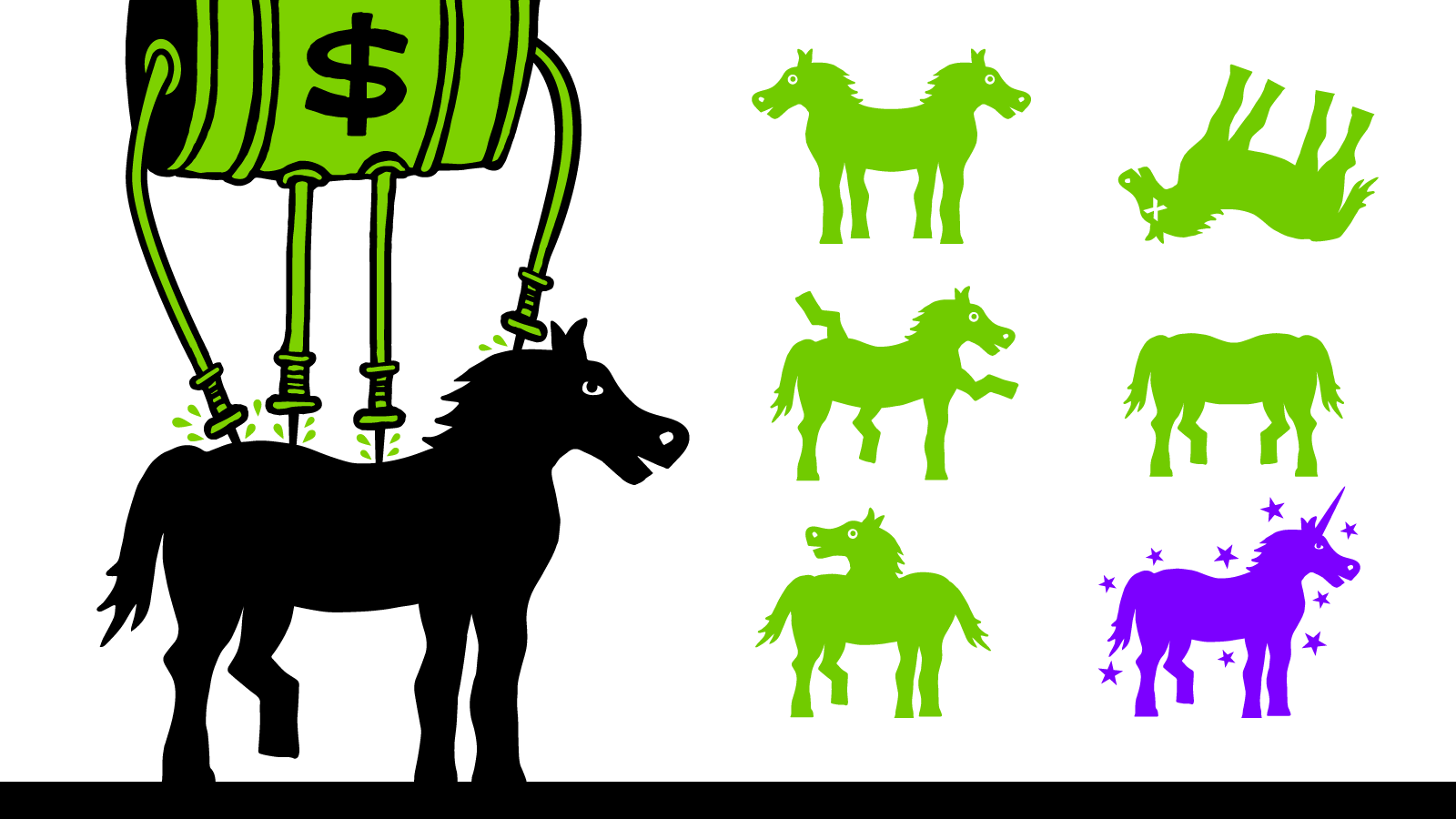
The $70B Open Source Software Paradox
It’s no news that over the last 10-15 years, particularly noticeable in the last 5 years, the enterprise software industry has gradually transformed from complex, expensive, closed-source (proprietary) software stacks to extensible/configurable,...

Open Source Resistance
A direct-action manifesto for maintainers keeping open source alive on company time.
Acorn | Open Source P2P Project Management for Software Teams
Agile project management made simple. Open-source, peer-to-peer, perfect for remote teams.

How open-source software took over the world | TechCrunch
It was just five years ago that there was an ample dose of skepticism from investors about the viability of open source as a business model. Fast-forward to today and we’ve witnessed the growing excitement in the space.
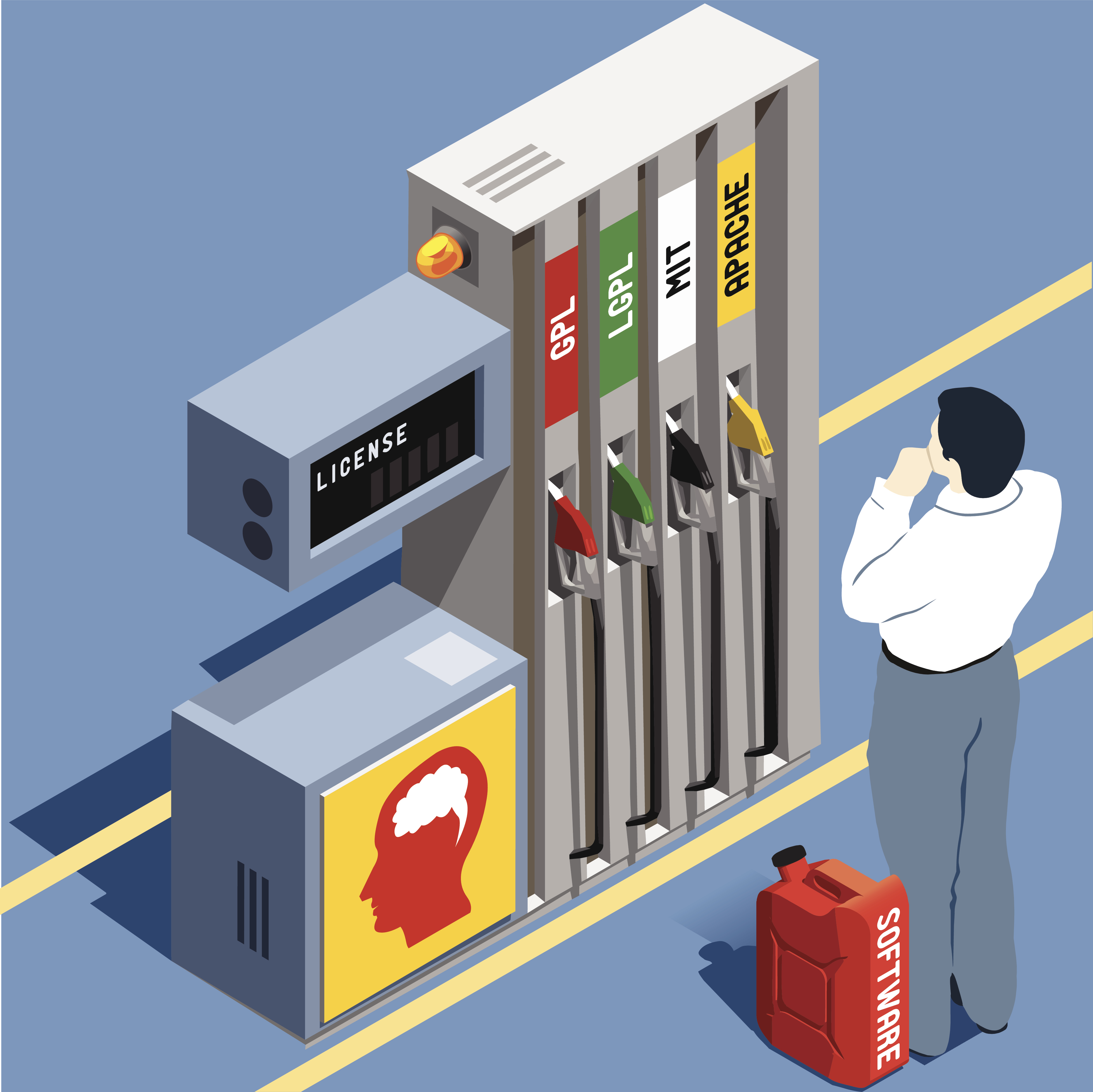
The open-source Contributor Covenant is now managed by the Organization for Ethical Source | TechCrunch
Managing the technical side of open-source projects is often hard enough, but throw in the inevitable conflicts between contributors, who are often very

Why Funding Open Source is Hard
tl;dr: Either developers need to change, or GitHub needs to change
