

A hypothesis connecting childhood surgical anesthesia, NMDA-system injury, and long-term dissociative symptoms
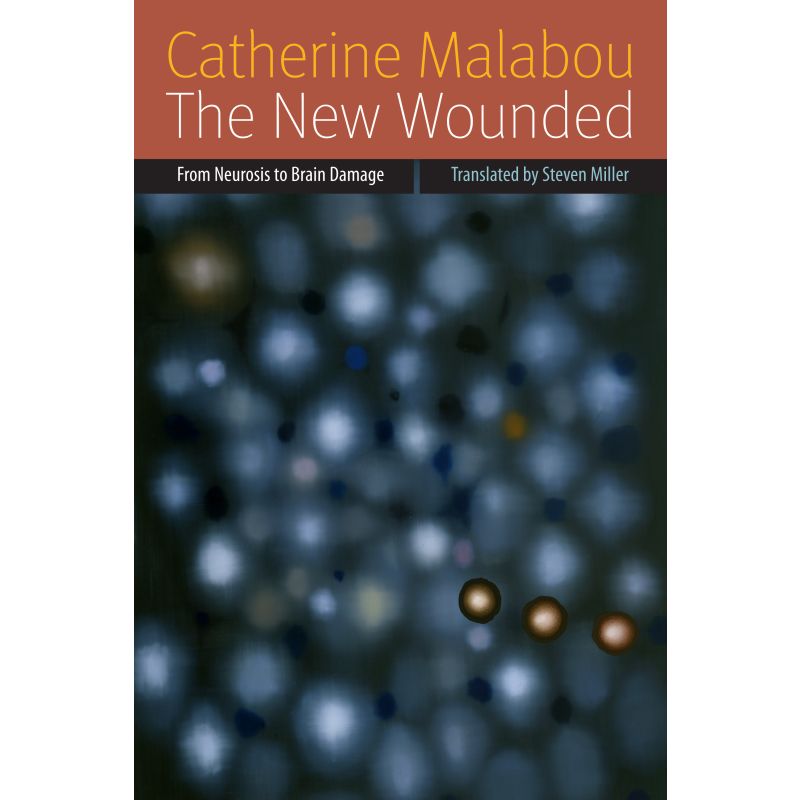
The New Wounded
This book addresses the issue of trauma and psychic wounds to stage a confrontation between psychoanalysis and contemporary neurobiology. In so doing, it reevaluates the brain as an organ that is not separated from psychic life but rather appears as its very locus. A philosophical approach of the “new wounded” (brain lesion patients) forms the matter of the confrontation.
Opinion | To Make the World Better, Think Small (Published 2016)
It is easy to become numb to suffering. Feeling empathy for individual victims can overcome the numbness.

The Missed Neurodiversity: advocate for recognition and resources for gifted individuals - BC Association of Clinical Counsellors
Note: This article includes additional questions and answers and supplementary resources from the Member Profile interview with Debbie Clelland, RCC, published in the Fall 2021 issue of BCACC’s Insights magazine. “When […]
Ontology of the Accident: An Essay on Destructive Plasticity
In the usual order of things, lives run their course and eventually one becomes who one is. Bodily and psychic transformations do nothing but reinforce the permanence of identity. But as a result of serious trauma, or sometimes for no reason at all, a subject’s history splits and a new, unprecedented persona comes to live with the former person - an unrecognizable persona whose present comes from no past and whose future harbors nothing to come; an existential improvisation, a form born of the accident and by accident. Out of a deep cut opened in a biography, a new being comes into the world for a second time. <br /> <br /> What is this form? A face? A psychological profile? What ontology can it account for, if ontology has always been attached to the essential, forever blind to the <i>aléa</i> of transformations? What history of being can the plastic power of destruction explain? What can it tell us about the explosive tendency of existence that secretly threatens each one of us?<br /> <br /> Continuing her reflections on destructive plasticity, split identities and the psychic consequences experienced by those who have suffered brain injury or have been traumatized by war and other catastrophes, Catherine Malabou invites us to join her in a philosophic and literary adventure in which Spinoza, Deleuze and Freud cross paths with Proust and Duras.

Ontology of the Accident: An Essay on Destructive Plasticity
In the usual order of things, lives run their course and eventually one becomes who one is. Bodily and psychic transformations do nothing but reinforce the permanence of identity. But as a result of serious trauma, or sometimes for no reason at all, a subject’s history splits and a new, unprecedented persona comes to live with the former person - an unrecognizable persona whose present comes from no past and whose future harbors nothing to come; an existential improvisation, a form born of the accident and by accident. Out of a deep cut opened in a biography, a new being comes into the world for a second time. <br /> <br /> What is this form? A face? A psychological profile? What ontology can it account for, if ontology has always been attached to the essential, forever blind to the <i>aléa</i> of transformations? What history of being can the plastic power of destruction explain? What can it tell us about the explosive tendency of existence that secretly threatens each one of us?<br /> <br /> Continuing her reflections on destructive plasticity, split identities and the psychic consequences experienced by those who have suffered brain injury or have been traumatized by war and other catastrophes, Catherine Malabou invites us to join her in a philosophic and literary adventure in which Spinoza, Deleuze and Freud cross paths with Proust and Duras.

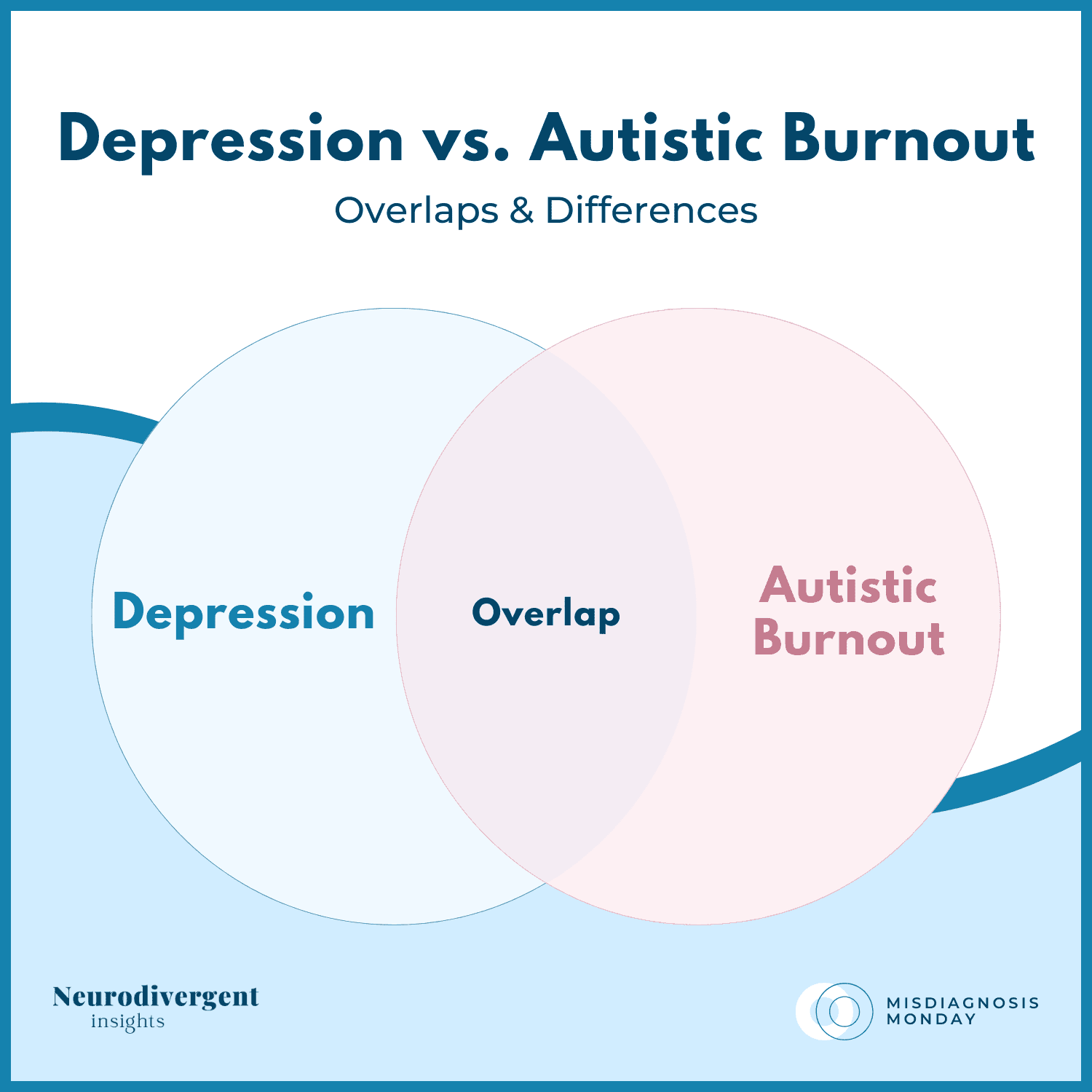
Autistic Burnout vs. Depression | Neurodivergent Insights
Dr Megan Anna Neff explains the difference between autistic burnout and depression. Overlapping signs, root causes, and why withdrawal can be a valid response.
The Kids Who Beat Autism (Published 2014)
New research suggests that one in 10 autistic children sheds symptoms before adulthood. But no one knows why they do — or why others do not.

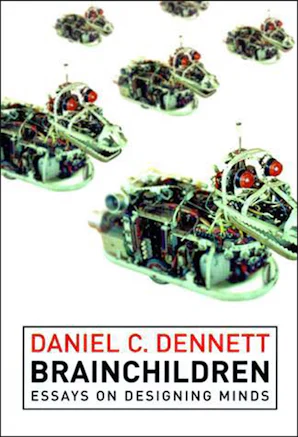
Brainchildren
Minds are complex artifacts, partly biological and partly social; only a unified, multidisciplinary approach will yield a realistic theory of how they came i...
Paralyzed
If you follow the Jekyll community, you might have noticed that I haven’t been as active in the last year or two. Part of this is due to life events usurping my free time, and part of this is something else entirely: paralysis. I want to discuss today the paralysis.
Effects of Extreme Ritual Practices on Psychophysiological Well-Being
Extreme ritual practices involving pain and suffering pose significant risks such as injury, trauma, or infection. Nonetheless, they are performed by millions of people around the world and are often culturally prescribed remedies for a variety of maladies, and especially those related to mental health. What is the actual impact of these practices on health? Combining ethnographic observations and psychophysiological monitoring, we investigated outcomes of participation in one of the world’s most extreme rituals, involving bodily mutilation and prolonged suffering. Performance of this physically demanding ordeal had no detrimental effects on physiological health and was associated with subjective health improvements, and these improvements were greater for those who engaged in more intense forms of participation. Moreover, individuals who experienced health problems and/or were of low socioeconomic status sought more painful levels of engagement. We suggest two potential mechanisms for these effects: a bottom-up process triggered by neurological responses to pain and a top-down process related to increased social support and self-enhancement. These mechanisms may buffer stress-induced pressures and positively affect quality of life. Our results stress the importance of traditional cultural practices for coping with adversity, especially in contexts where psychiatric or other medical interventions are not widely available.

How to spot a psychopath: ‘It’s like the difference between a domestic cat and a wild cat’
People with persistent predatory personalities cause an inordinate amount of pain. Recently, our shared understanding of them has grown – and it could help protect us

Not everything is ‘trauma’. Language needs to mean something | Aeon Essays
From a broken life to a broken nail, ‘trauma’ has been bleached by overuse. But it names something real – and must be reclaimed

Neurodiversity and the Social Model of Disability - Disability Wales
Monique Craine of NeuroDivergent Matters talks all about the relationship between neurodiversity and the Social Model of Disability.

Defining autistic burnout through experts by lived experience: Grounded Delphi method investigating #AutisticBurnout
Although commonly described on social media by autistic people, there is little recognition of autistic burnout in the academic literature. Anecdotally, autistic burnout is described as a debilitating condition that severely impacts functioning, is linked to suicidal ideation and is driven by the stress of masking and living in an unaccommodating neurotypical world. We sought to define autistic burnout using the Grounded Delphi method. Autistic adults, experts by the lived experience of autistic burnout (n = 23), co-produced and agreed to a definition intended for clinicians and the autistic and autism communities. A thick description and conceptual framework were developed from the open-ended round 1 survey, with a high majority of agreement reached in the round 3 survey. Autistic burnout was defined as a highly debilitating condition characterised by exhaustion, withdrawal, executive function problems and generally reduced functioning, with increased manifestation of autistic traits – and distinct from depression and non-autistic burnout. Further work is needed to differentiate autistic burnout from other conditions and to build clinician understanding of the accompanying complexity to be considered in treatment planning. Lay abstract Autistic burnout has been commonly described in social media by autistic people. There is little mention of autistic burnout in the academic literature. Only one recent study has used interviews and reviews of social media descriptions to try to understand autistic burnout. Anecdotally, autistic burnout is a very debilitating condition that reduced people’s daily living skills and can lead to suicide attempts. It is suggested that autistic burnout is caused by the stress of masking and living in an unaccommodating neurotypical world. We wanted to create a definition of autistic burnout that could be used by clinicians and the autism community. We used the Grounded Delphi method, which allowed autistic voice to lead the study. Autistic adults who had experienced autistic burnout were considered as experts on the topic, in the co-production of this definition. The definition describes autistic burnout as a condition involving exhaustion, withdrawal, problems with thinking, reduced daily living skills and increases in the manifestation of autistic traits. It is important for future research that there is a specific description of the condition. In practice, it is important for clinicians to be aware that autistic burnout is different from depression. Psychological treatments for depression potentially could make autistic burnout worse. Further awareness of autistic burnout is needed, as well as further research to prove this condition is separate from depression, chronic fatigue and non-autistic burnout.
