

AI-native startups are doing more with less — 40% smaller teams, 6x higher revenue per employee — and the data confirms it's not just hype. But the wave of new jobs I predicted hasn't materialized so far. Compute is replacing labor. Will that change?
Companies Are Being Torn Apart by AI "Workslop," Stanford Research Finds
Not only is AI hampering productivity, but it's also blowing up collaboration and souring employee dynamics.

Companies That Tried to Save Money With AI Are Now Spending a Fortune Hiring People to Fix Its Mistakes
Companies that rushed to replace human labor with AI are now shelling out to have IRL workers to fix the technology's screwups.

Bosses Are Blowing More Money on AI Agents Than It'd Cost Them to Just Pay Human Workers
Some organizings are finding themselves spending more on AI token fees than they do paying human salaries.
Thousands of CEOs just admitted AI had no impact on employment or productivity—and it has economists resurrecting a paradox from 40 years ago | Fortune
In the 1980s, economist Robert Solow made an observation that reminded economists of today’s AI boom: “You can see the computer age everywhere but in the productivity statistics.”

Thousands of CEOs admit AI had no impact on employment or productivity—and it has economists resurrecting a paradox from 40 years ago | Fortune
In the 1980s, economist Robert Solow made an observation that reminded economists of today’s AI boom: “You can see the computer age everywhere but in the productivity statistics.”
Companies Are Blaming AI for Layoffs. The Real Reason Will Piss You Off.
180,000 tech workers lost their jobs in 2025. Companies say it’s because of AI. Oxford researchers call BS.
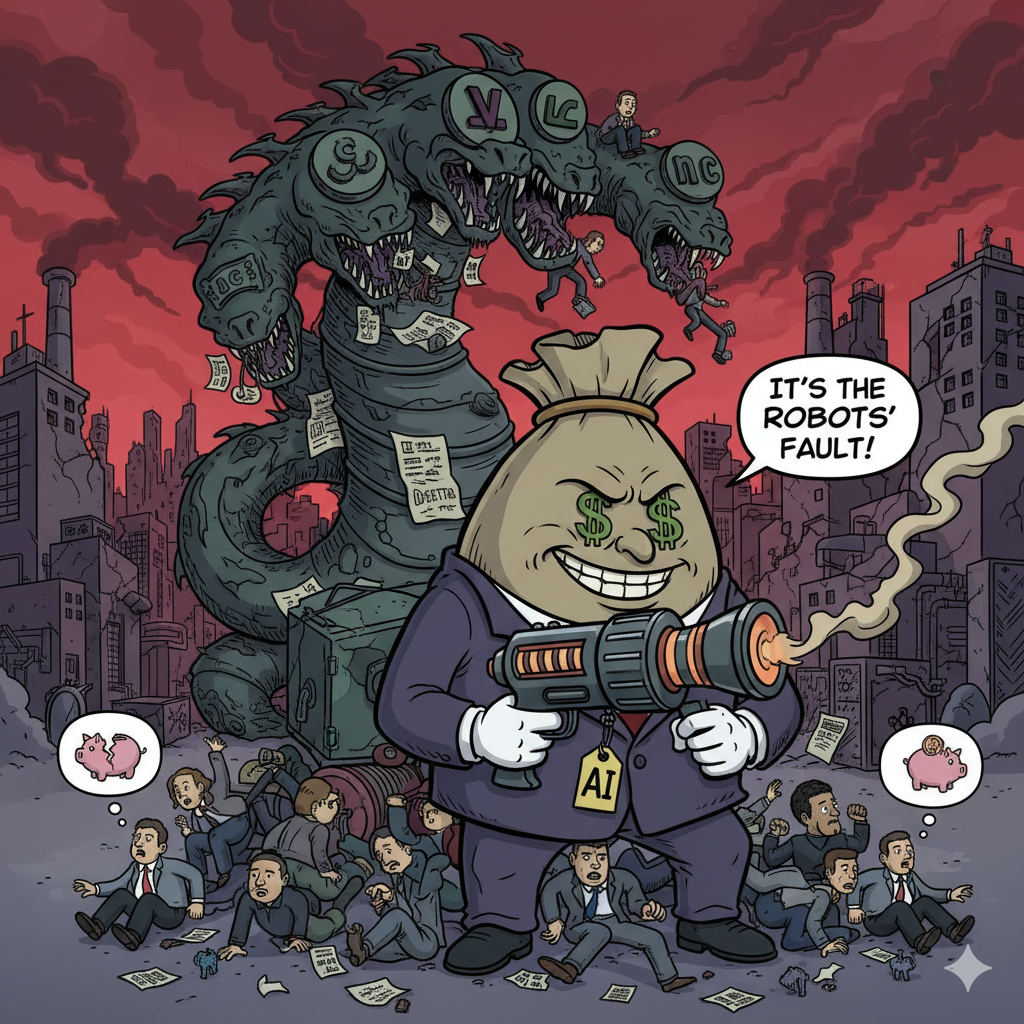
AI layoffs are looking more and more like corporate fiction that's masking a darker reality, Oxford Economics suggests | Fortune
"Firms don't appear to be replacing workers with AI on a significant scale," the firm said. It suspects some are trying to "dress up layoffs" as good news.

Current and former Block workers say AI can’t do their jobs after Jack Dorsey’s mass layoffs: ‘You can’t really AI that’
The CEO said he cut the company’s workforce by 4,000 people – almost in half – because of gains in AI productivity

AI boosts worker productivity — but does that translate to final outputs? | MIT Sloan
A new study found that developers using AI tools can write much more code than those working without AI, but they don’t release as much new software.

When everyone has AI and the company still learns nothing
Are people using AI, or is the organization learning from it? What changed because we spent those tokens? And who moves discoveries from individuals to teams to organizational capabilities?

Startups Target the Tricky Task of Making AI Seem More Human
Simulated human behavior companies raise millions
Does AI Actually Boost Developer Productivity? (100k Devs Study) - Yegor Denisov-Blanch, Stanford
The ‘productivity paradox’ of AI adoption in manufacturing firms | MIT Sloan
Companies that adopt industrial artificial intelligence see productivity losses before longer-term gains, according to new research.

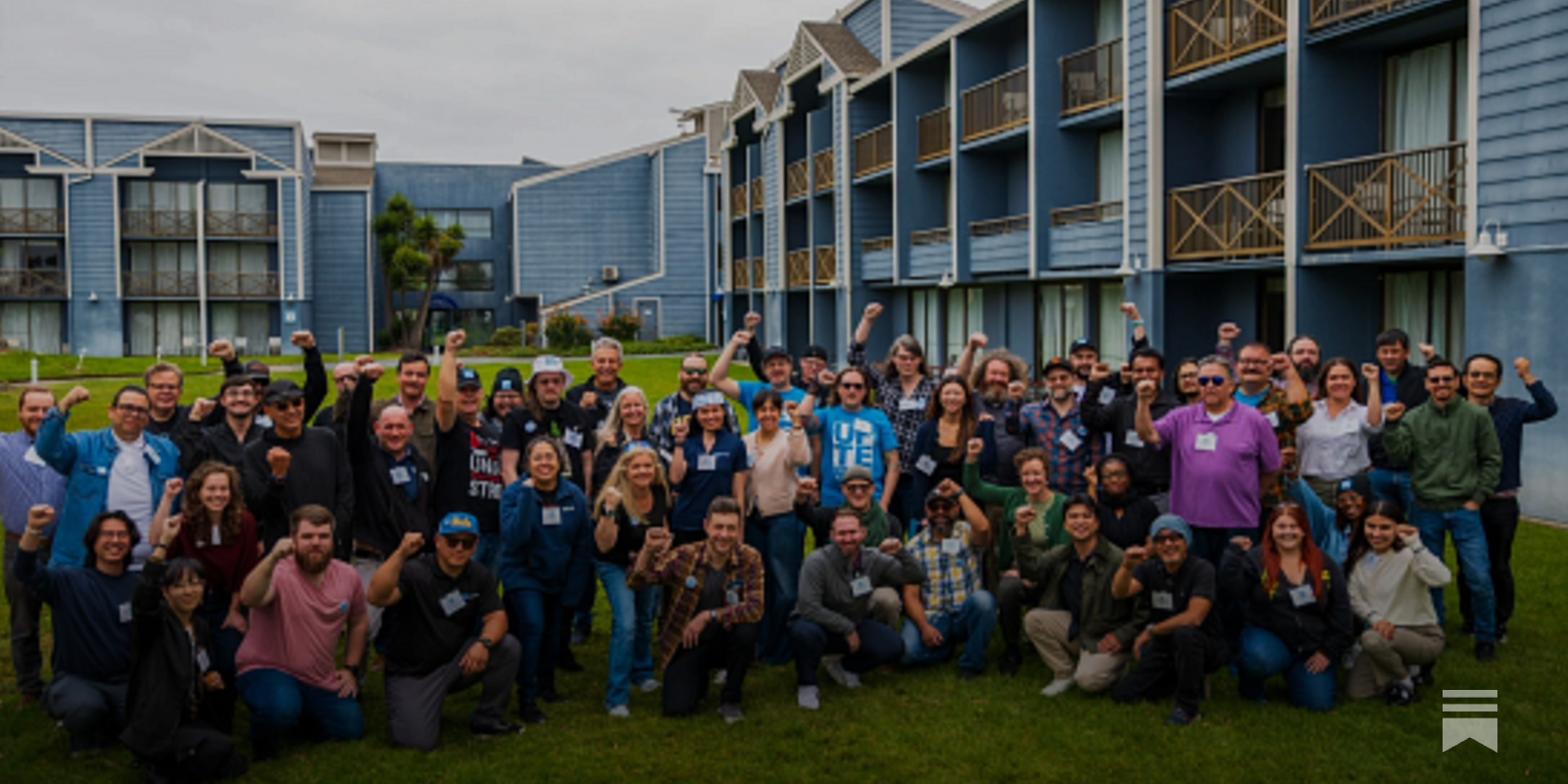
They just formed the biggest tech worker union in the US. They plan to rein in AI and curb layoffs
"Who AI benefits and who it immiserates often is based on who gets to decide how it’s used. We know how tech is used on the day to day. We should be at the table as well."
AI Completely Failing to Boost Productivity, Says Top Analyst
AI may or may not excel at a lot of things, but from an economic standpoint, it's definitely not making us more productive.

Execs are embracing AI more than their employees are, new research suggests
Research from HR software company Dayforce suggests that executives are leaning into AI far more than their employees.