

Trends and adjacent possibles for the future of how computers are used and programmed
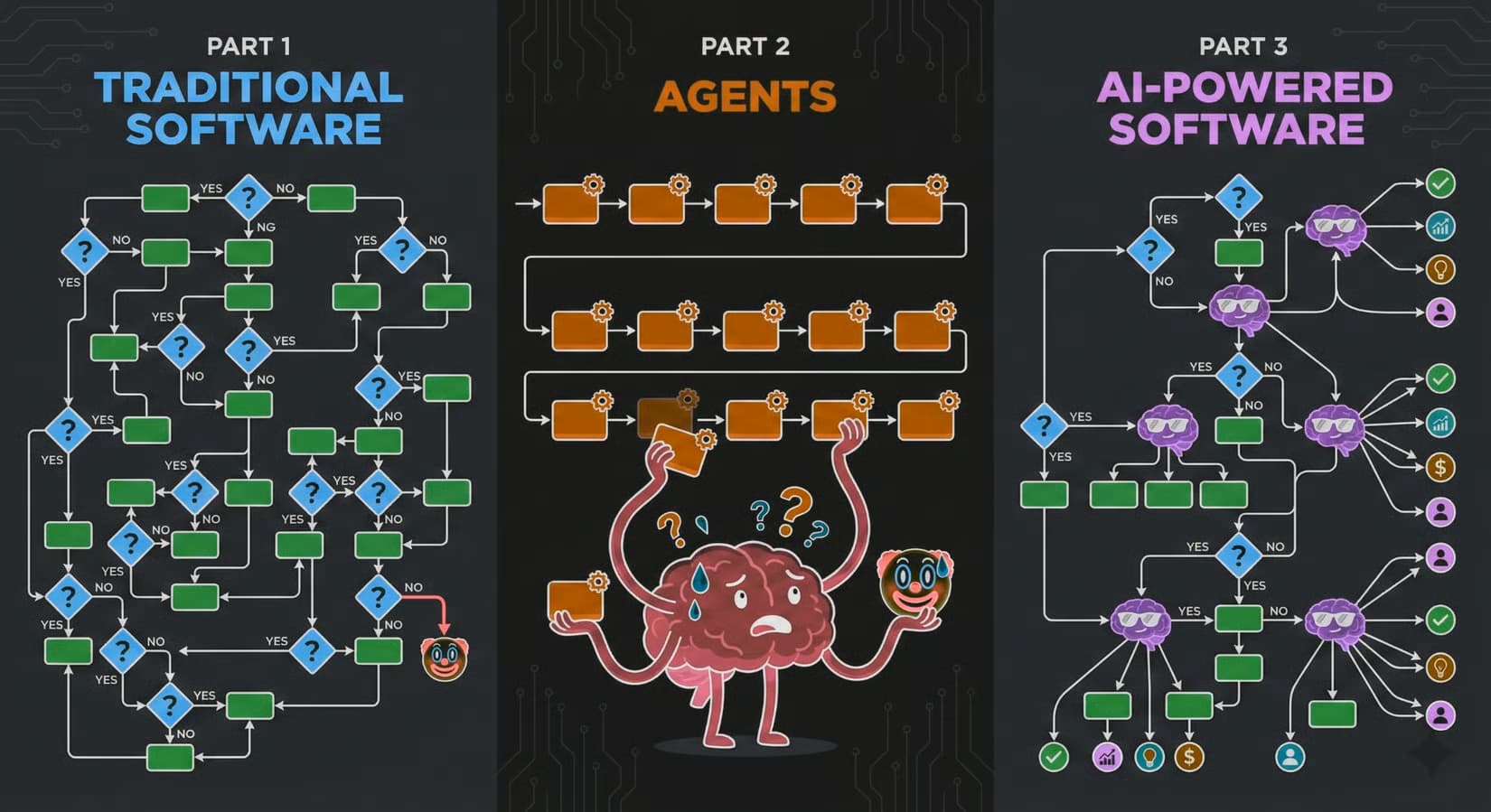
Modular: The Claude C Compiler: What It Reveals About the Future of Software
Compilers occupy a special place in computer science. They're a canonical course in computer science education. Building one is a rite of passage. It forces you to confront how software actually works, by examining languages, abstractions, hardware, and the boundary between human intent and machine execution.

Bret Victor - The Future of Programming
I think this talk gives lots of food for thought. Are we too entrenched in our ways, to think in other/better ways?

Its Time for a New Programming Language
Today, when compared to any other point in programming history, we find ourselves spoiled for choice when it comes to programming…
"An approach to computing and sustainability inspired from permaculture" by Devine Lu Linvega
Telepath: building a new kind of computer
So, we made a thing: Let’s back up: for as long as I can remember, I’ve been obsessed with computers, fascinated not just by what they can do but what they could become. Like many, I took my early inspiration from science fiction. I dreamed of someday having something like the Enterprise’s computer. And why not? Science fiction has always driven scientists, engineers, and inventors to create real things that change the world.
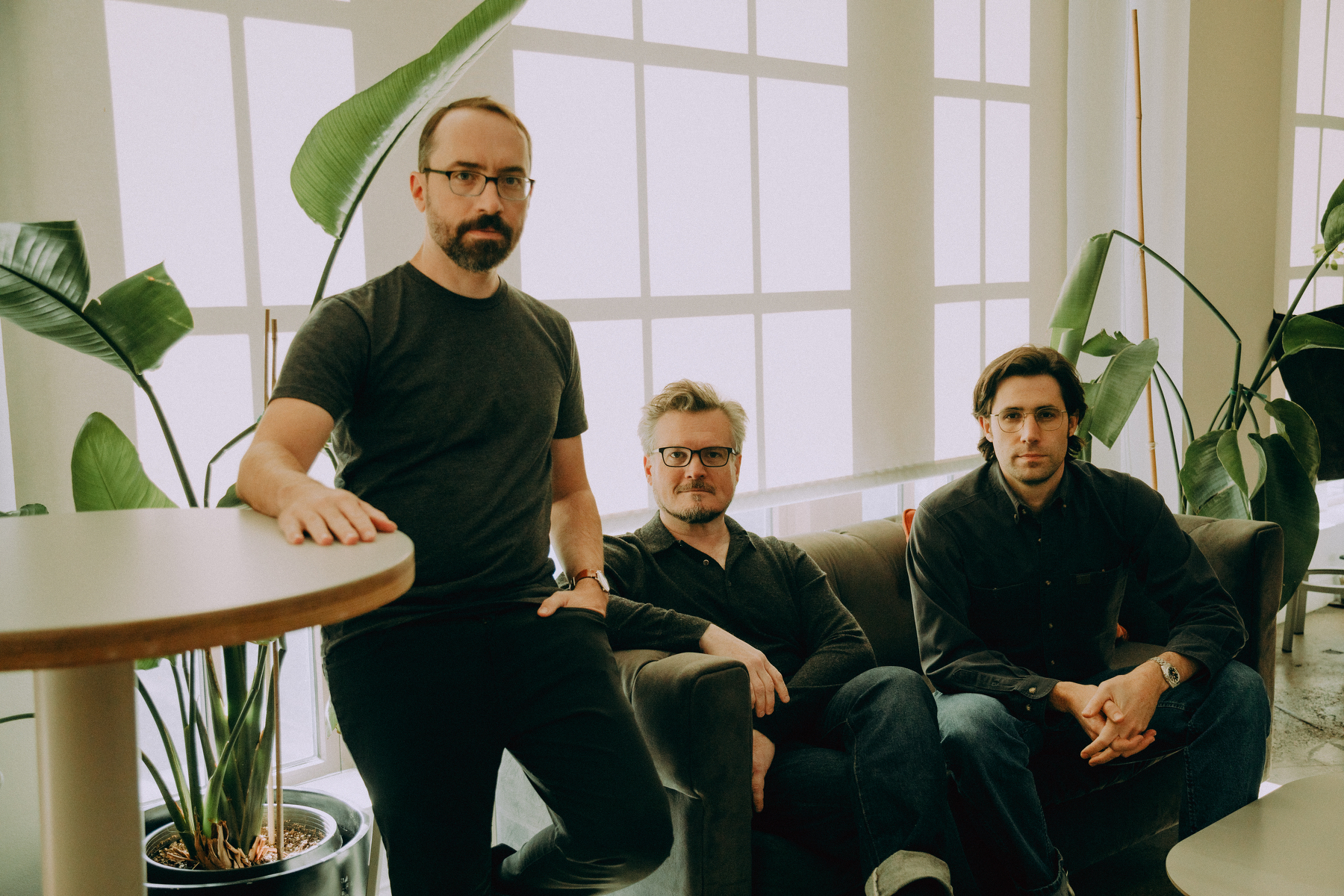
Our interfaces have lost their senses
We programmed them by punching cards, plugging in wires, and flipping switches. Programmers walked among banks of switches and cables, physically choreographing their logic. Being on a computer used to be a full-body experience.
Drinking from the Firehose: Learning Computer Graphics Techniques and Programming
Graphics researchers waiting in the water fountain line at SIGGRAPH Yellowstone. Computer graphics as a field is broad, deep, complex, and intimidating. More than half a century of rapid progress driven by academic research and industry practices underly it. Parts delve pretty far into physics, math, signal processing, systems programming (and more). And performance is always at a premium—so simple, straightforward techniques are often not possible, and high-level programming abstractions not usable.

Andrej Karpathy: Software Is Changing (Again)
The Next 7000 Programming Languages
Landin’s seminal paper “The next 700 programming languages” considered programming languages prior to 1966 and speculated on the next 700. Half-a-century on, we cast programming languages in a Darwinian ‘tree of life’ and explore languages, their features (genes) and language evolution from the viewpoint of ‘survival of the fittest’.

Malleable Software in the Age of AI - Geoffrey Litt
Coding After Coders: The End of Computer Programming as We Know It
In the era of A.I. agents, many Silicon Valley programmers are now barely programming. Instead, what they’re doing is deeply, deeply weird.

Coding After Coders: The End of Computer Programming as We Know It
In the era of A.I. agents, many Silicon Valley programmers are now barely programming. Instead, what they’re doing is deeply, deeply weird.
Future of Programming

Politics of computing

Technological

Posts about the future of the internet, AI, and anything technological. Hence the name.
Kanjun 🐙 on Twitter / X
Hiring and firing a DBA
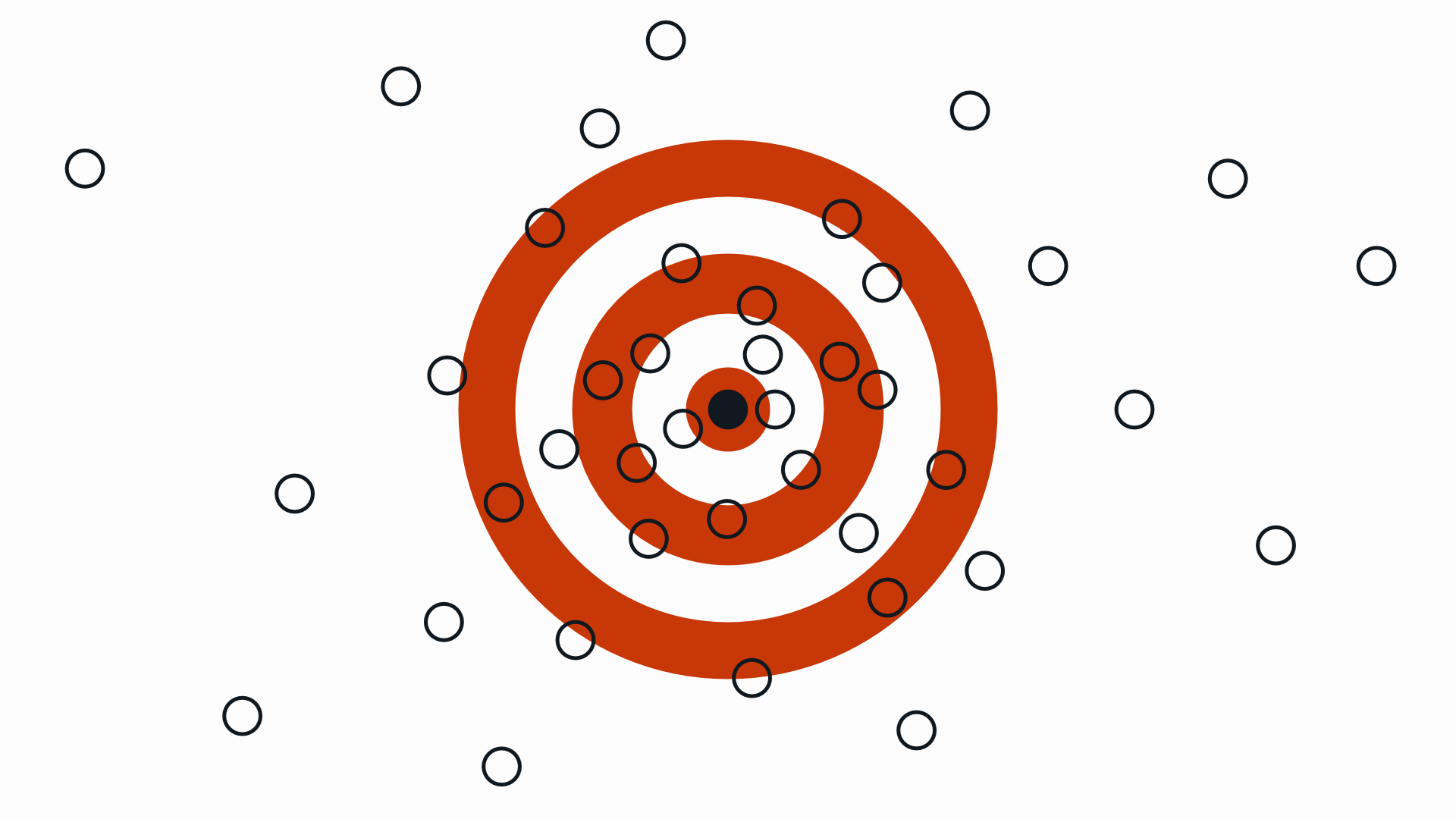
LLMs and performative productivity
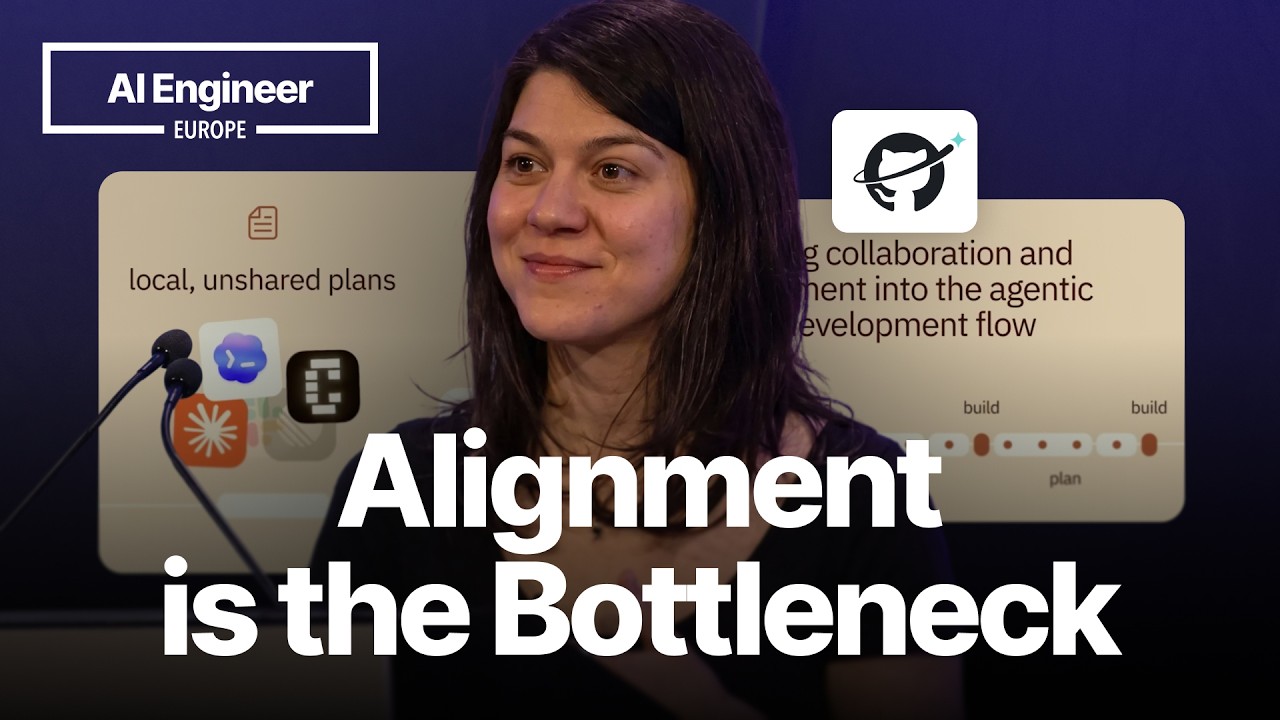
Collaborative AI Engineering: One Dev, Two Dozen Agents, Zero Alignment — Maggie Appleton, GitHub
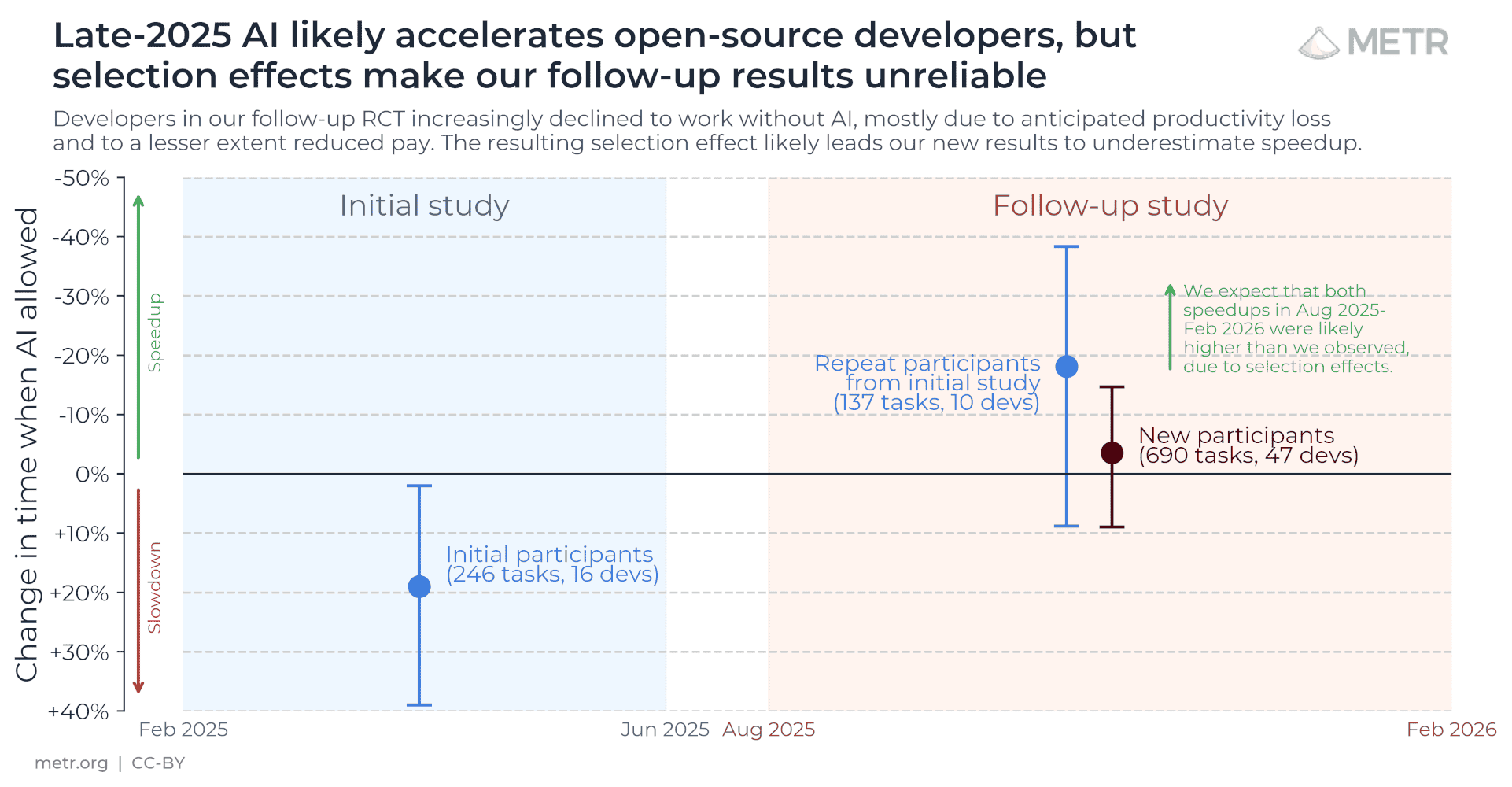
We are Changing our Developer Productivity Experiment Design

Agents want flexible schemas
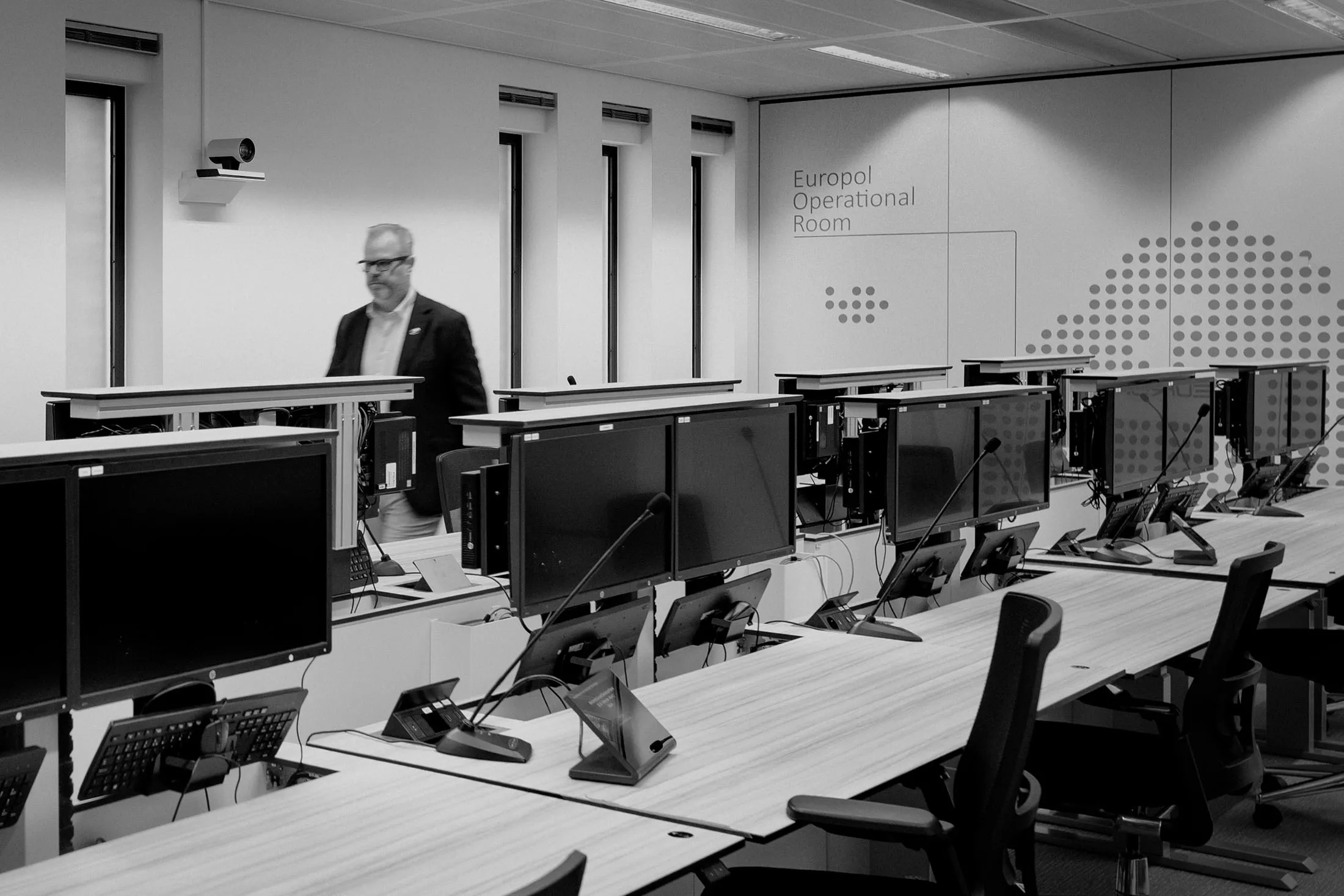
Child Predators Turn to Open-Source AI to Make Unlimited Illegal Images

Mac Users Reclaim 12GB+ of Storage With Apple Intelligence Removal Tool
‘Doom Loop’: OpenAI and Microsoft Admits LLMs Are Destroying the Web and Built on Theft

Cory Doctorow: AI’s big beasts aren’t really scared of their products. They’re scared of their competition

How AI Chatbots Are 'Deskilling' Human Empathy
Pluralistic: The Claude Delusion (21 Sep 2026) – Pluralistic: Daily links from Cory Doctorow
Technology is Not Values Neutral: Ending the Reign of Nihilistic Design

Cyber-Marx

‘Headed for technofascism’: the rightwing roots of Silicon Valley
📏 When machines start calling the shots

Information Civics

Data Feminism