

Companies want access, Anthropic wants testing, and Washington and Beijing are arguing over alleged copying.
AI and the Destruction of the Creative Commons
The balance of software copyright protection and openness has always been fraught with minutiae and detail that bores all but the most nerdy of pedants. Yet, through much effort and 40 years of debate we had reached an equilibrium. Now AI has thrown that out the window.
‘BLOCKADE’: The Right Is Using AI Content Scanners to Try to Supercharge Book Banning
Groups that challenge books have begun using Gemini, ChatGPT, xAI, and other AI tools to try to get books banned.

Companies Are Throttling Employees’ AI Use Because It’s Too Expensive
Sources and leaks from Amazon, Adobe, Atlassian, Citi, and more show what is really happening with AI right now: companies are trying to rein in AI use as costs spiral out of control.
The Arguments Against Open Source AI are Very Bad | Tom Bedor's Blog
The release of Kimi K3 has opened a fresh round of angst and confused discourse. There's a loud cohort of journalists, business leaders, and politicians arguing that open source AI is a dangerous threat. OpenAI's Dean Ball:
Exclusive: Multiple AI companies bypassing web standard to scrape publisher sites, licensing firm says
Multiple artificial intelligence companies are circumventing a common web standard used by publishers to block the scraping of their content for use in generative AI systems, content licensing startup TollBit has told publishers.
Anthropic sued by authors over alleged misuse of copyrighted works for AI training
The complaint alleges that Anthropic used pirated versions of books by hundreds of thousands of authors to develop its AI models without proper authorization or compensation.

Unlawful by design: Exposing the human rights costs of generative AI - Amnesty International
This briefing examines how standalone generative AI systems, based on unlawful web scraping, are in conflict with international human rights law (IHRL) and standards through their design, development and deployment. While these technologies promise sophisticated automation and efficiency, they rely on data collection and model training practices that abuse privacy rights, enable discrimination, and threaten […]

Michael Geist -
The Standing Senate Committee on Social Affairs, Science and Technology is one of several committees in the House and Senate conducting hearings on artificial intelligence. I appeared before the committee yesterday (my fourth appearance on the issue in recent months), but rather than reiterate previous testimony on privacy, copyright, and transparency, I focused on the big issue of the moment: bans on social media and AI chatbots for children. The committee had been hearing from many supportive witnesses who emphasized the risk of harm associated with AI. Indeed, one Senator asked the panel before mine to raise their hands if they supported a ban, and virtually all hands went up. I was unsure about how my comments would be received, but I found the Senators open to debate on the issue. A video of my opening remarks, together with the transcript, is posted below. A future Law Bytes podcast episode will delve into the discussion that followed.
‘Impossible’ to create AI tools like ChatGPT without copyrighted material, OpenAI says
Pressure grows on artificial intelligence firms over the content used to train their products
Banning Open Source AI Would Be A Mistake
This post was originally an op-ed co-authored with Kevin Xu of Interconnected for a general, non-technical audience.
AI is now unpopular. That may not make a difference.
Why China is giving away its best AI models
Chinese labs like Moonshot are forcing OpenAI, Google, and Anthropic to rethink what they lock away.

Lawsuit says Anthropic, OpenAI, Google and SpaceXAI of illegal agreement to slow AI
Anthropic CEO acknowledged potential antitrust hurdles, writing that it would assist if the US government were to mediate ‘or at least enable’ cross-lab discussions

AI is killing the web. Can anything save it?
The rise of ChatGPT and its rivals is undermining the economic bargain of the internet

"The forces that are now shaping AI are the same forces that turned the open internet into monopolistic platforms, converted peer-to-peer participation into precarious labor, and enclosed the digital commons. They are now threatening to capture and enclose thought itself." osf.io/preprints/socarxiv/qahd3_v1/
AI*-generated copyright infringement

* I’m neither “pro-AI” nor “anti-AI.” I’ve been blocked for being perceived as both. —Actually, I’m honestly more anti-AI than pro-AI thus far, aside from specialized models and specific use cases, but I’m willing to consider information that’s new to me
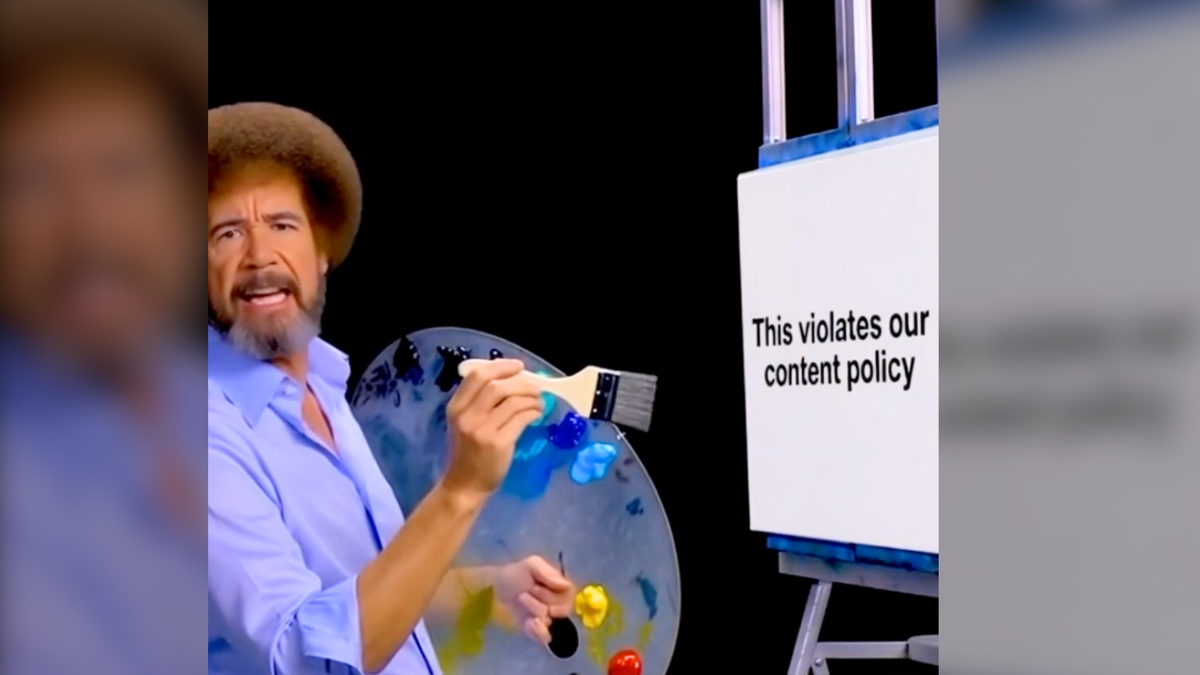
People Are Crashing Out Over Sora 2’s New Guardrails
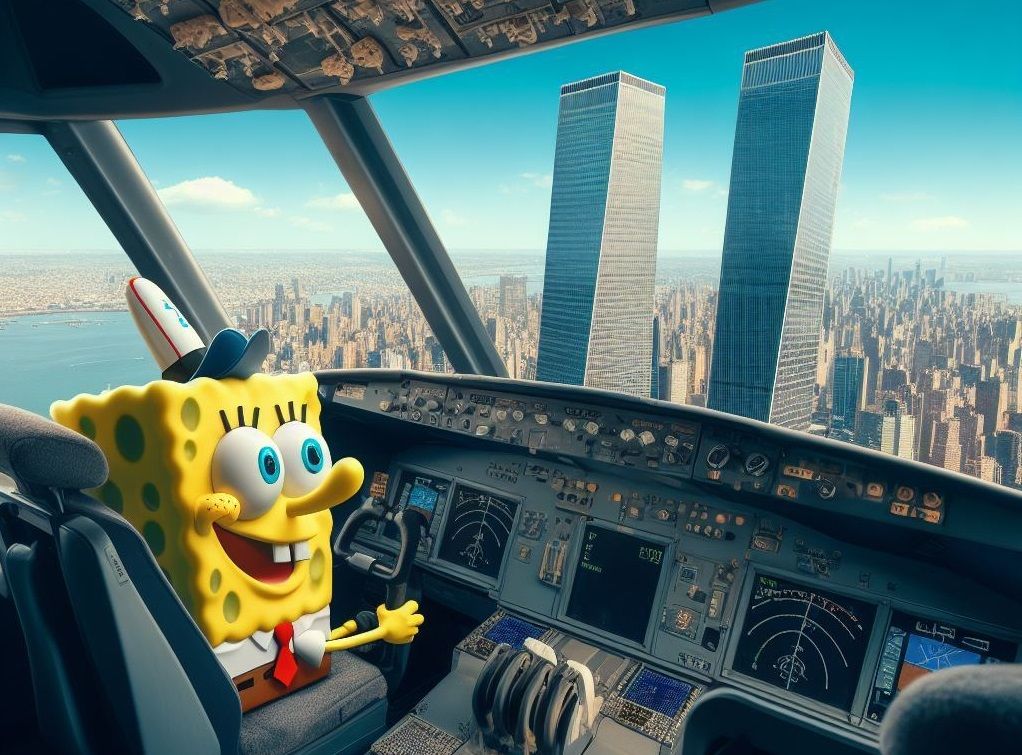
Bing Is Generating Images of SpongeBob Doing 9/11
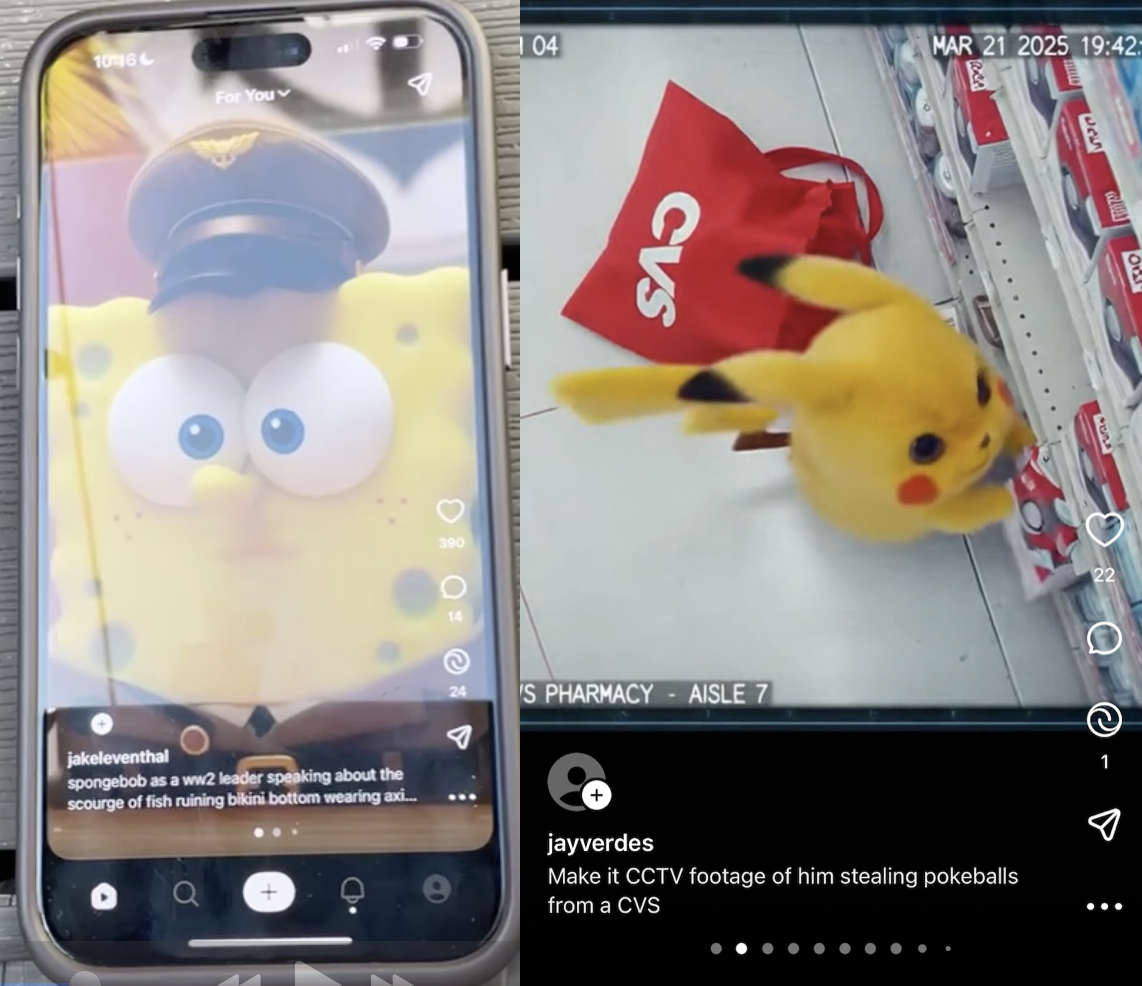
OpenAI’s Sora 2 Copyright Infringement Machine Features Nazi SpongeBobs and Criminal Pikachus
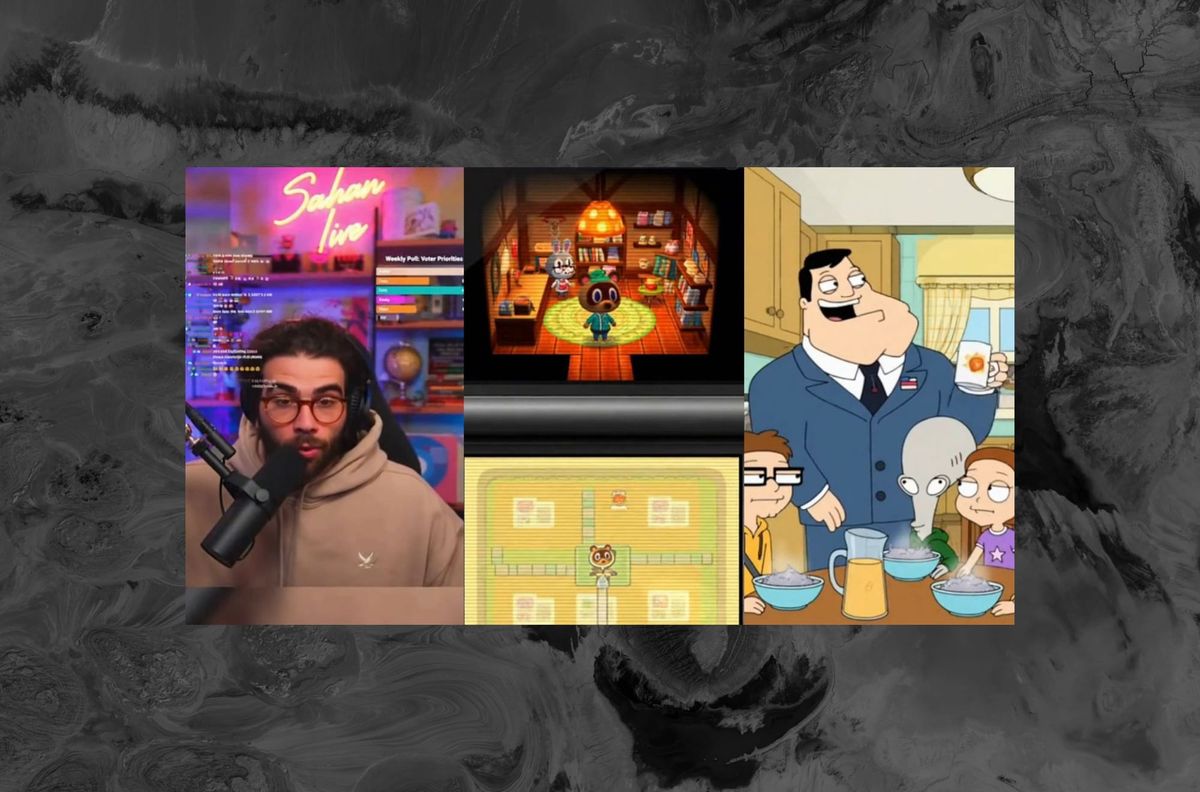
OpenAI Can’t Fix Sora’s Copyright Infringement Problem Because It Was Built With Stolen Content
