

How 9/11 changed the way America surveils its citizens • Stateline
The terrorist attacks of Sept. 11, 2001, transformed how American intelligence and law enforcement agencies collect, share and analyze information. Twenty-five years later, that infrastructure has merged with a digital world capable of generating vast amounts of data about Americans — and artificial intelligence is making it easier to connect and analyze that information. The result is a surveillance system far more powerful than anything imaginable in 2001, raising new questions about privacy, policing and civil liberties.

homepages.news — News Homepages documentation
An open-source archive that gathers, saves, shares and analyzes news homepages
The Portal to Texas History - A gateway to rare, historical, and primary source materials from or about Texas.
The Portal to Texas History is a gateway to rare, historical, and primary source materials from or about Texas.

2024-09-23-TPAC-Integrity-for-the-Web.pdf
The FBI is hunting for the archived website that's making the media u…
archived 8 Jan 2026 21:31:32 UTC

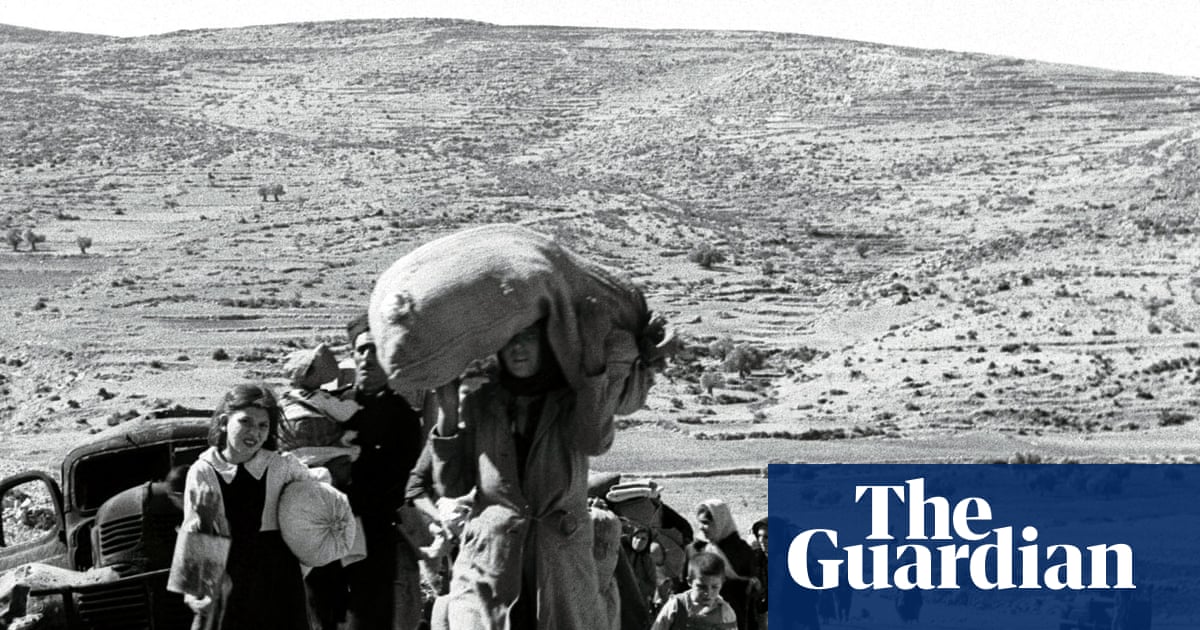
The secret mission to rescue the UN’s vital Palestinian refugee archive
Millions of documents chronicling generations of trauma saved from Gaza and East Jerusalem in 10-month Unrwa operation
Home Page
We are an international community of communities bound by a common interest in persistent infrastructure. So far, we have welcomed agencies that manage communities spanning entertainment, standards, the built environment, natural history collections, scholarly communications, and research data.
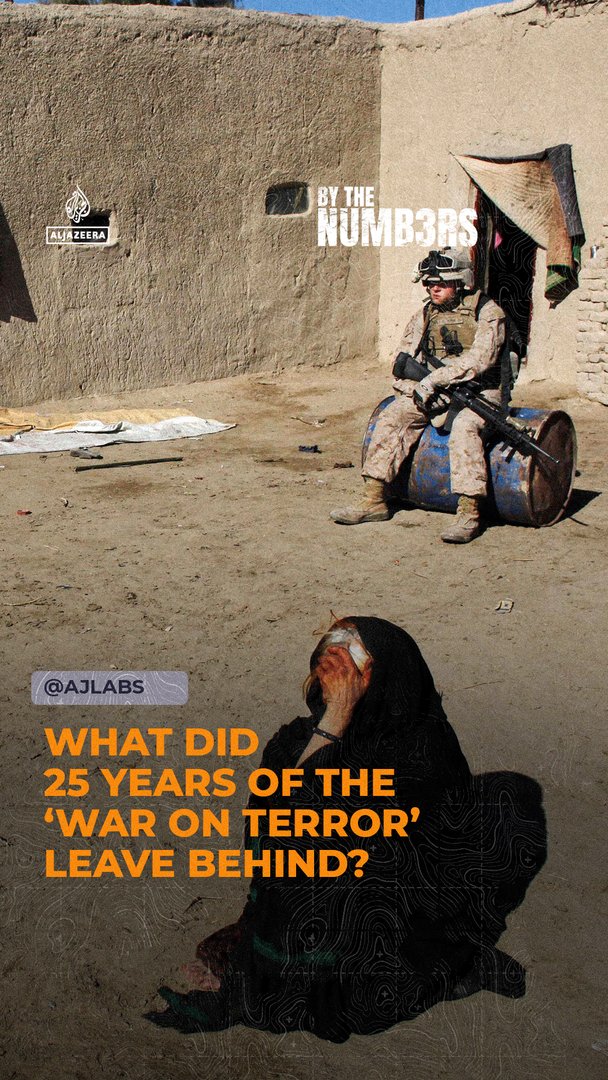
‘War on terror’: How 9/11 changed the language of conflict
The events of September 11, 2001 spawned a new lexicon which effectively sanitised the erosion of human rights.
Locking the Web Open, a Call for a Decentralized Web - Internet Archive Blogs
Presentation by Brewster Kahle, Internet Archive Digital Librarian at Ford Foundation NetGain gathering, — a call from 5 top foundations to think big about prospects for our digital future. (More detailed version) Hi, I’m Brewster Kahle, Founder of the Internet Archive. For 25 years we’ve been building this fabulous thing—the Web. I want to talk

15 Open-Source Tools for Digital Sovereignty (2026) | Comparisons & Alternatives | Vucense
Own your digital stack. The 15 best open-source tools for privacy, security, and full control over your data — reviewed and ranked for 2026.
The Attention Forum: October 23/24th 2025
The internet was initially sold to us as a force for connection – a borderless, democratizing set of technologies that would amplify voices, allow us to spread ideas, and strengthen civil society.

IIPC WAC 2024 Presentation: A Conceptual Model of Decentralized Storage for Community-Based Archives
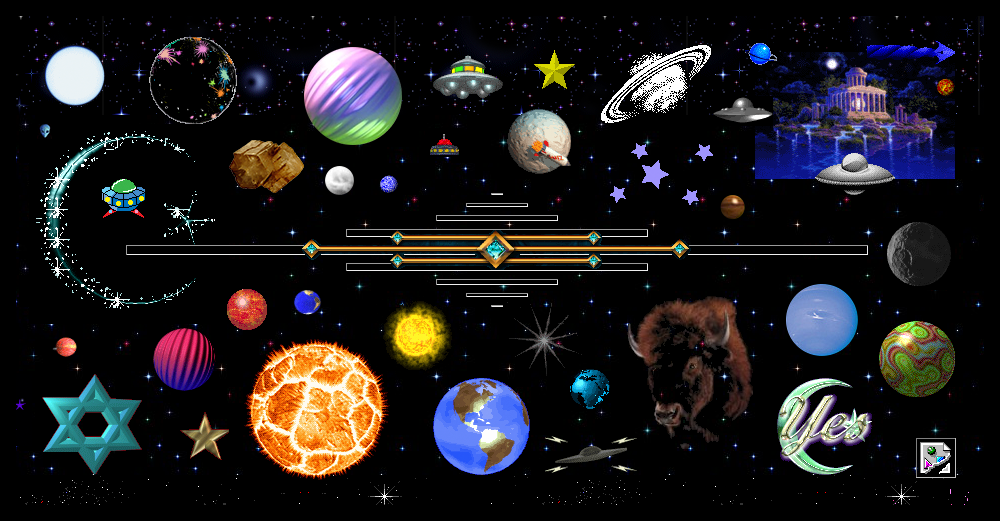
Cameron's World
🌍 A web-collage of text and images excavated from the buried neighbourhoods of GeoCities.
We’ve launched an open access platform, Historical Photographs of Hong Kong!
New resource alert! We’ve launched an open access platform, Historical Photographs of Hong Kong. We’ll be bringing online increasing numbers of digitised slides, prints and negatives donated to the Hong Kong Collections in the University of Bristol Library

We just finished a restructuring. The website is now the source of truth for governance, the schemas moved to Tangled, NSID resolution got a dedicated identity, and the process is lighter. The story is on the new blog: blog.lexicon.community/a/3mrlquupo2a23-reintroducing…
I was just thinking this as I was scrolling arXiv recently, how cool it would be to have those papers published as at://records and to be able to see all the links between them.

Ronen Tamari
"The properties that make AT Protocol compelling for social networking are the same properties the research community has been asking for" Exciting vision for the future of science publishing on ATProto @row1.ca @opensci.dev @nokome.bsky.social #ATScience

