Support the conversation around complex matters by breaking down the subject into physical cards.
Visa Digital Issuer Solutions
Build cardholder primacy with standout digital experiences.

Issue-based information system
The issue-based information system (IBIS) is an argumentation-based approach to clarifying wicked problems—complex, ill-defined problems that involve multiple stakeholders. Diagrammatic visualization using IBIS notation is often called issue mapping.

The Tarot Cards of Tech | The power of predicting impact | Artefact
The Tarot Cards of Tech are a creative tool to help designers and technologists think about the outcomes of their products and services.

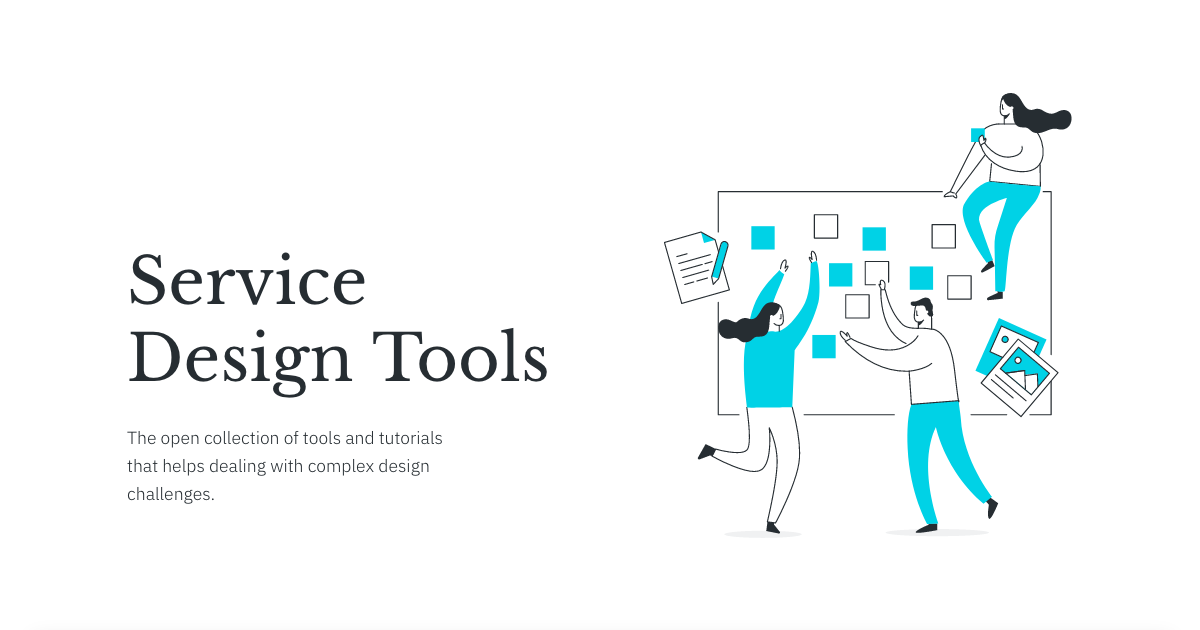
Tools | Service Design Tools
Browse the collection to find the best resources and materials, based on your specific needs.
Service Blueprint | Service Design Tools
Map out the entire process of service delivery, above and below the line of visibility

Future backcasting | Service Design Tools
From the future to the present to understand how our today's actions affect our tomorrow, and gain design inspirations.
Synchronizing cards in a free Workspace | Trello | Atlassian Support
Automation allows you to do one-way card syncing—make the actions on one card automatically perform changes on another card. This is available for Automation
Pitfalls of Card UIs
I’m currently in the process of rolling out yet another Card UI. Since Pinterest, the end-state of every list view with decent imagery is to become a Card UI. But thar be dragons! I’m here to share some of the pitfalls Paravel have encountered building Card UIs over the years.
Invention Cards 3.0: Stories
Last month, after a long hiatus, I showed invention.cards to a friend in SF and came away unsatisfied. Indeed, the work was not yet done . Three things drove this revision: It felt incomplete. The experience was built around T-shaped navigation, focusing on a specific card and showing only their ancestors and descendants. It was hard to see where you were in time, hard to feel the shape of history, and ultimately was far removed from the way a tech tree should feel . The connections matter more than the nodes. What's most interesting to me was not
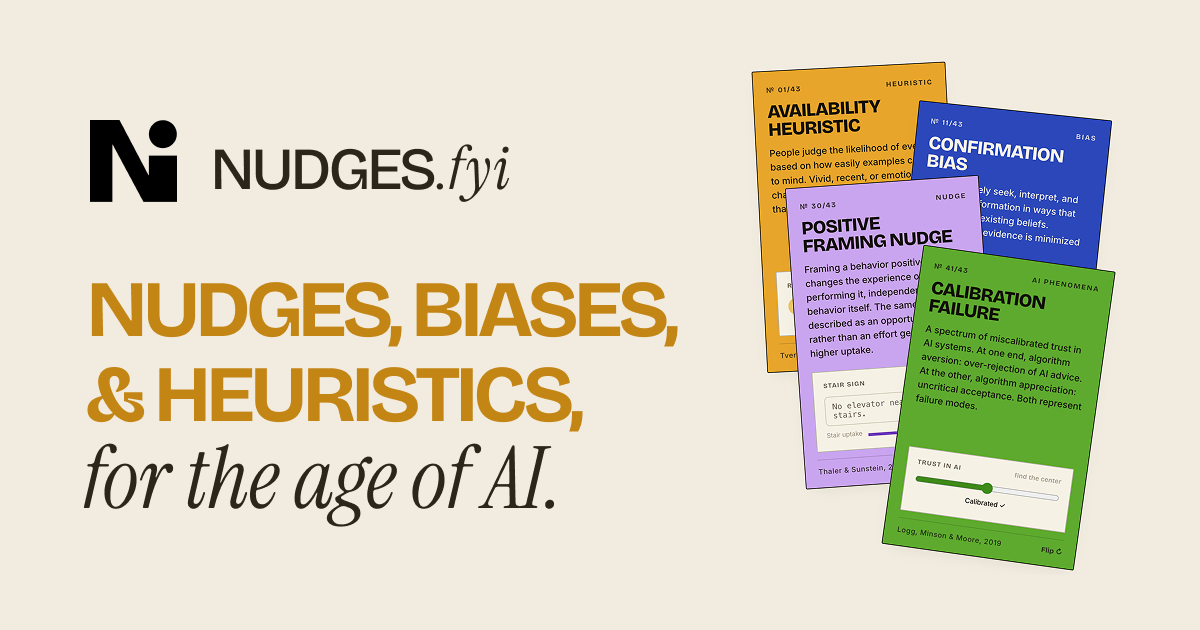
Nudges, Biases & Heuristics for the Age of AI
45 interactive field cards covering nudges, biases, heuristics, and AI phenomena. A practical reference for designers, researchers, and product teams building with AI.
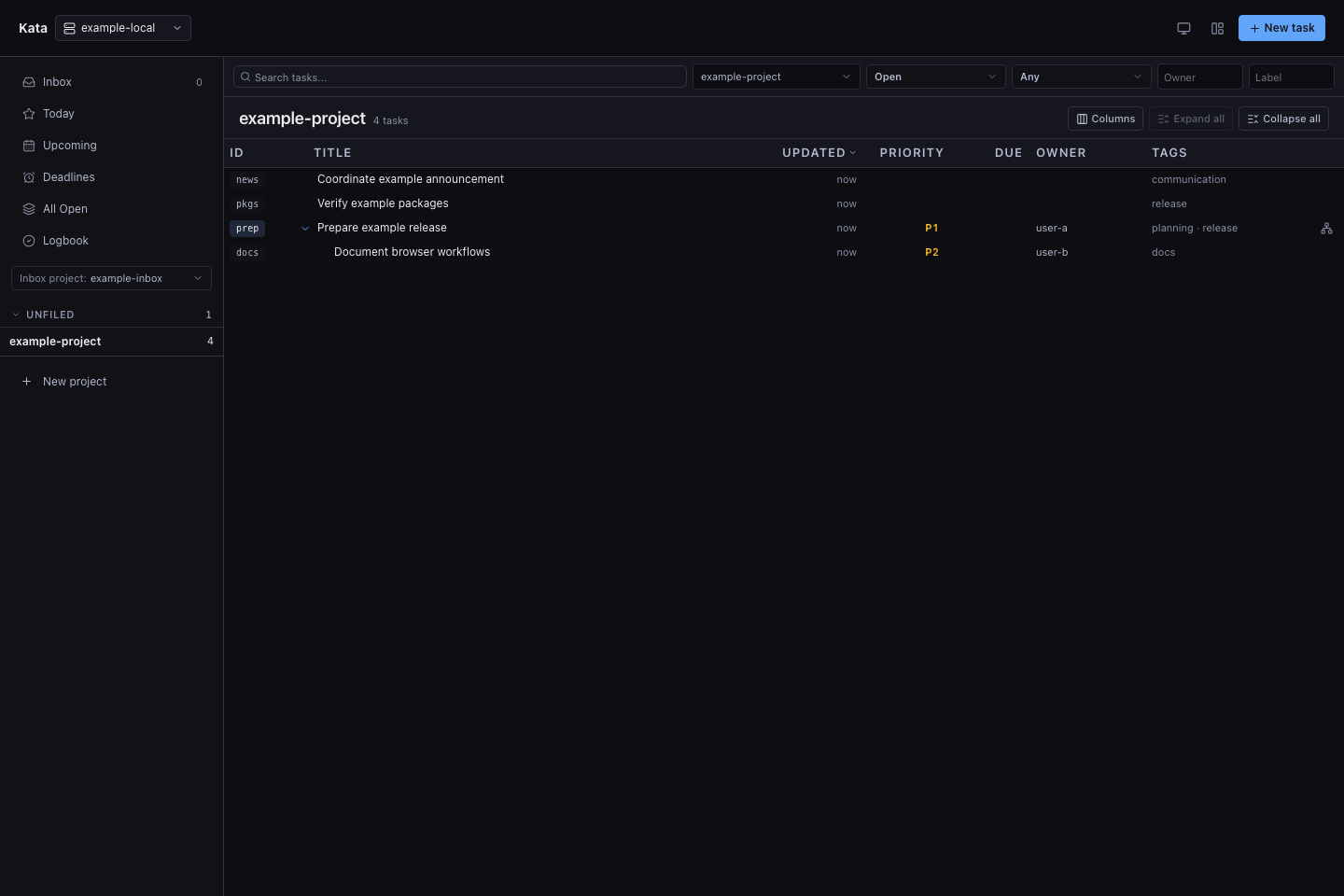
The issue tracker that runs inside the loop.
A local-first issue tracker for coding agents and the humans steering them. Queries in 4ms, on your own machine.
Designing Systems | Atomic Design by Brad Frost
Learn how to create and maintain digital design systems, allowing your team to roll out higher quality, more consistent UIs faster than ever before.

Virtual Cards | Old Open Collective Docs
Virtual cards are an additional benefit offered to collectives through some hosts. Hosts create virtual cards and assign them to a Collective. Anyone with access to that card can then use it to make payments on behalf of the Collective. This is particularly useful for covering recurring costs like hosting a website.
Design system doc spec 0.15.2
A machine-readable format for design system documentation. DSDS structures components, tokens, themes, foundations, patterns, and guides as a single source of truth for humans, parsers, and agents.

Improving My Hardware Workflow With CI and Nix
One thing you might notice if you read my blog is that I do a lot of hardware projects. Generally, these include a board, some software, and possibly some extraneous components (like CAD design, such as a case). Software tooling is quite mature, but I find that hardware had traditionally lagged quite a bit behind. For a while, I just lived with this, but over the last few months I've put in a bunch of effort to improve my workflow.