Long work is what the lawyer who bills 14 hours a day filling in forms does. Hard work is what the insightful litigator does when she synthesizes four disparate ideas and comes up with an argument …
Work for only 3 hours a day, but everyday | plumshell
I am an indie iPhone developer, and I've been working for 3 hours everyday for almost 2 years now. It may not work for everybody, but I started this habit in early 2014, and I have continued to do it since have I found that this is the most productive way to work for me.

Deep work. Essentialism in asynchronous culture
Deep work Nowadays, we are getting accustomed to working in a continuously interrupting environment. Smartphone notifications, hundreds of e-mails, open spaces, and meetings slicing our workday. We are feeling busy, and overworked, but are we more productive? If I am a salesman or project coordinator that way of working can bring good effects and even improve my skills. However, for Software Developers, Designers, and other professionals that need a quiet environment for creative effort, it can lead only to frustration and burnout. They need something that is called deep work. Deep work is a concept popularized by Cal Newport in his book under the same title published in 2016. The author divides mental activity into two categories: shallow work, that does not need intensive concentration like sending e-mails, formatting documents, chatting using communicators, etc. deep work, that demands distraction-free focus on one task like writing a document, learning a new skill, designing a software system, etc.
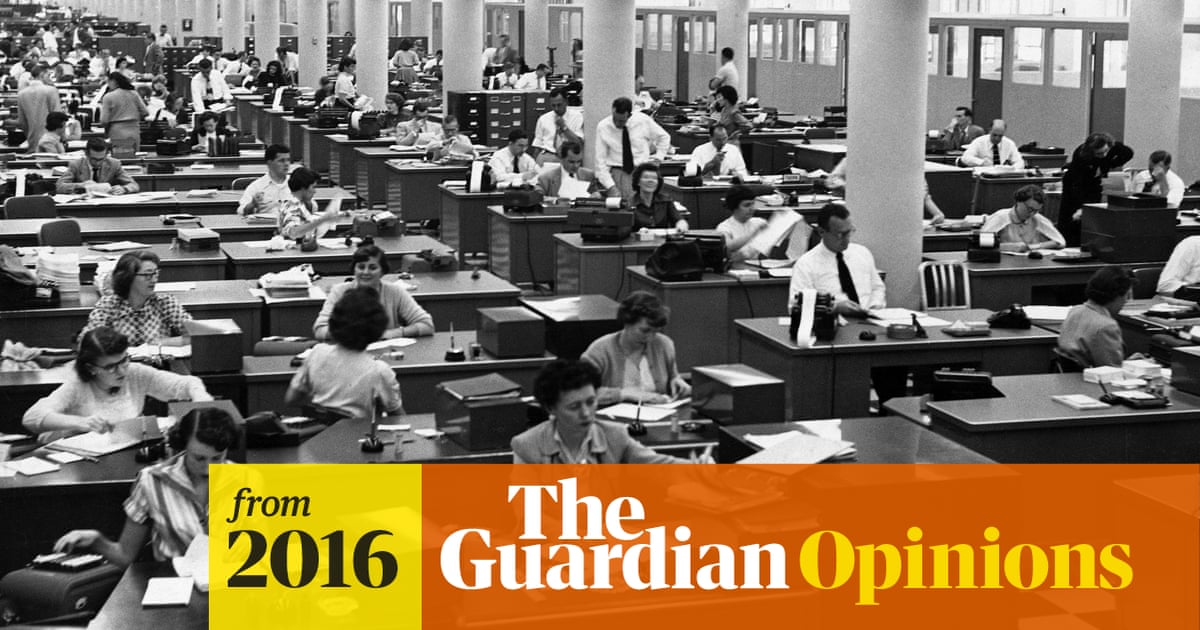
People don't work as much as you think
There is a persistent idea that people work 40 hours a week. They don't, and if you try to do this it will break you. Here are some more reasonable guidelines.

Is full-time work bad for our brains?
If you’re over 40, working more than 25 hours a week could be affecting your intelligence, new research suggests

Opinion | 5-Hour Workdays? 4-Day Workweeks? Yes, Please (Published 2019)
Sick of round-the-clock work emails and Slack messages? Here’s some hope.

Let’s hear it for the four-hour working day
Are you working your brain too hard? Take it easy – like Charles Darwin, Alice Munro or Thomas Jefferson
Less stress, more productivity: why working fewer hours is better for you and your employer
There’s always too much work to be done on software projects, too many features to implement, too many bugs to fix. Some days you’re just not going through the backlog fast enough, you’re not producing enough code, and it’s taking too long to fix a seemingly-impossible bug. And to make things worse you’re wasting time in pointless meetings instead of getting work done. Once it gets bad enough you can find yourself always scrambling, working overtime just to keep up. Pretty soon it’s just expected, and you need to be available to answer emails at all hours even when there are no emergencies. You’re tired and burnt out and there’s still just as much work as before. The real solution is not working even harder or even longer, but rather the complete opposite: working fewer hours.
Work less, get more: New Zealand firm's four-day week an 'unmitigated success'
Reduced hours for same pay increased successful work-life balance management, cutting stress levels and boosting commitment

The solution to (nearly) everything: working less | Rutger Bregman
Excessive work and pressure are status symbols. But overtime is deadly. If we worked less we’d make fewer errors, address inequality and have a better life
Work Smarter: The Cocktail of Simplicity, Manageable Adversity, and Muntzing
Sometimes deliberate roadblocks can be a good thing to get more efficient and effective products and workflow. Here's how.
Teacher spends two days as a student and is shocked at what she learns
'Teachers work hard, but I now think that conscientious students work harder. '

Does AI Assistance Enhance or Erode Expertise? Evidence from a Three-Month Field Experiment in Patent Drafting
Whether AI assistance builds or erodes professional expertise is unsettled. In a pre-registered three-month randomized controlled trial, we gave 133 practicing patent lawyers at eleven U.S. intellectual property law firms access to a custom AI drafting assistant and measured both their performance while using AI and their professional judgment afterward without it. All work was scored by blinded expert patent attorneys. Paralleling findings from other white-collar domains, AI access raised the quality of work delivered on benchmark patent drafting tasks at 10 days (0.34 SD, p = 0.03) and 90 days (0.38 SD, p = 0.01), with larger gains among junior lawyers. After three months, all subjects redlined an existing patent application without AI, a core task of patent practice requiring expert judgment. Treated lawyers outperformed controls by 0.32 SD (p = 0.04), but this advantage was concentrated entirely among senior lawyers (0.45 SD, p = 0.02). Junior lawyers showed no average gain; their scores instead bifurcated, with sharply fewer mediocre scores offset by more poor and more good ones. The largest gains from AI thus accrued to the lawyers who retained the least. Foundational expertise may be a prerequisite for extracting durable skill from AI-assisted practice.

Days not worked due to strikes and lockouts, 2023
In the publication Quality of Employment in Canada, the days not worked due to strikes and lockouts indicator measures annual changes in the number of person-days and hours not worked due to labour disputes. The article examines data compiled by Employment and Social Development Canada and the Labour Force Survey to better understand trends in hours lost due to labour disputes.
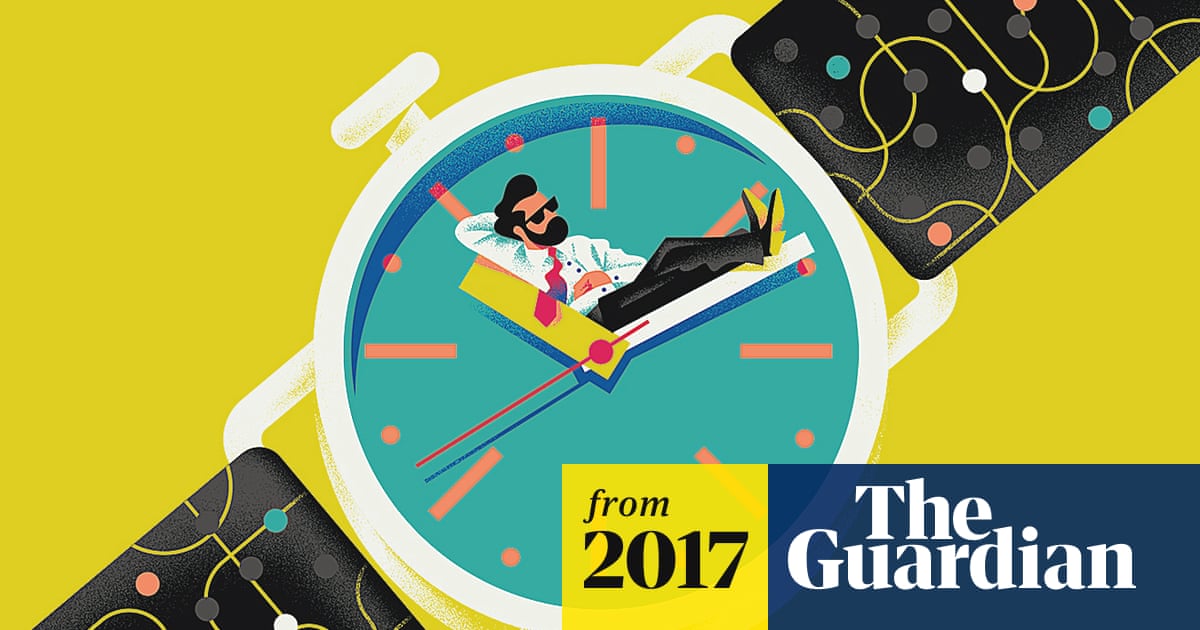
Why working fewer hours would make us more productive
A shorter working week could improve our mental and physical health and even mitigate climate change, research shows

Difficulty is about trust and communication, not ‘hard’ vs. ‘easy’
Why game designers and players talk about difficulty very differently

How the Six-Hour Workday Actually Saves Money
A Swedish experiment may have missed the bigger picture of how shorter days can mean long-term profit.