


It's easy to imagine that some things have to be the way they've always been. That music has to be delivered on a round platter. That an overnight stay needs to be in a hotel. And that le…
The Concept of Cultural Humility as It Relates to Instructional Practices in the General Music Classroom
A framework of cultural humility includes three main tenets: (a) commitment to lifelong, critical self-reflection; (b) recognition and mitigation of power imbalances; and (c) accountability to individuals and institutions. In this article, I aim at applying the concept of cultural humility to frame my analysis of musical diversity in music education. Through a cultural humility lens, music teachers may acknowledge their own beliefs, values, biases, and prejudices in relation to diverse musics. A commitment to lifelong introspection through self-reflection and critique may help teachers continue to investigate new ways to redress power imbalances inherent in music education, as well as build their relationships with students and communities bidirectionally.

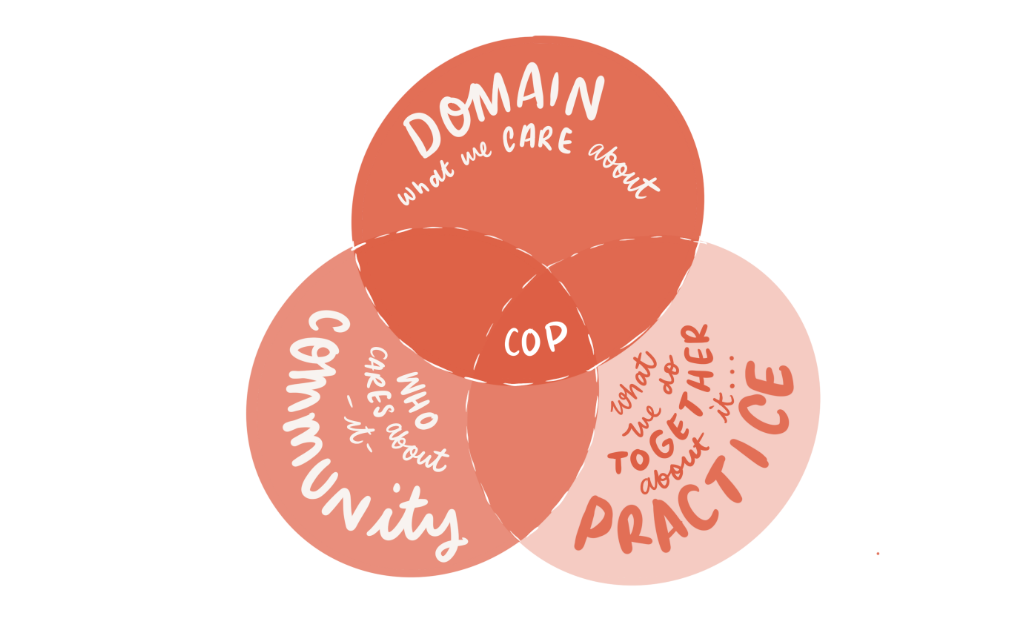
Wait… whats a Community of Practice?
“Learning is not merely the acquisition of knowledge by individuals. It is a process of social participation.” A slightly bastardised…
Intersections in Music Education: Implications of Universal Design for Learning, Culturally Responsive Education, and Trauma-Informed Education for P–12 Praxis
To increase equity in music education, teachers can strive to know each student as a whole child, proactively remove barriers to learning, and seek to honor students’ multifaceted and intersectional identities. In this article, we first define intersectionality and examine demographics in music education. Then, we summarize three asset-based pedagogical approaches (Universal Design for Learning, Culturally Responsive Education, and Trauma-Informed Education) and synthesize their similarities. Finally, we present implications in the form of generative ideas for music educator praxis, or values-guided action. We hope our suggestions help music educators create music experiences where students (and families) feel seen, safe, welcomed, and valued as musicians and people. We also hope our suggestions can contribute to music teacher collegiality and collaboration by providing educators with tools to develop positive relationships with colleagues who are different from themselves.
Global mindset and music education: a comparison of curriculum documents in the United States and Spain
Over the past several decades, educational policymakers around the world have made changes based on three competencies they believe students will need to be successful in an increasingly globalized...

Music educators’ perceptions of divisive concepts laws
Since the inception of widespread public schooling in the United States, state legislatures have mandated curricular content and instructional practices to advance various social projects and visio...
Music educators’ perceptions of divisive concepts laws
Since the inception of widespread public schooling in the United States, state legislatures have mandated curricular content and instructional practices to advance various social projects and visio...
Rethinking the Large Ensemble Paradigm: Moving Toward Epistemic Justice
In this paper, I center the epistemic dimensions of musics and musicking to consider the ways in which the band/orchestra/choir paradigm of music education prevalent in the U.S. and Canada may be implicated in epistemic injustice. Drawing in particular on the work of Fricker (Epistemic injustice: power and the ethics of knowing, Oxford University Press, New York, 2007), Dotson (Hypatia 26(2):236–257, 2011), and The Routledge Handbook of Epistemic Injustice (Kidd et al., The Routledge handbook of epistemic injustice, Routledge, New York, 2017), I explore facets of epistemic injustice and apply these ideas to music education school contexts in Canada and the U.S. I further explore aspects of school music that may amount to “testimonial smothering” (Dotson 2011) and “cognitive imperialism” (Battiste in Can J Native Educ 22:16–27, 1998). Ultimately, building on existing literature on epistemic justice (Kidd et al. 2017; Fricker 2007), I theorize an epistemically just music education for school music in alignment with culturally responsive, anti-racist, and anti-colonial teaching.
Music
The Paper Pilot's digital garden of thoughts on philosophy, politics, and sociology. Reading time: ~4 minute read | Published: Aug 18, 2026 | Updated: Sep 12, 2026

Why We’re Taking a Human‑First Stand on AI‑Generated Music — Qobuz Community
Artificial intelligence is transforming the music industry at an unprecedented pace. Faced with the explosion of AI-generated content and the legitimate questions it raises, Qobuz has chosen transparency. This charter establishes our framework: how we use AI, where we draw our lines, and what commi

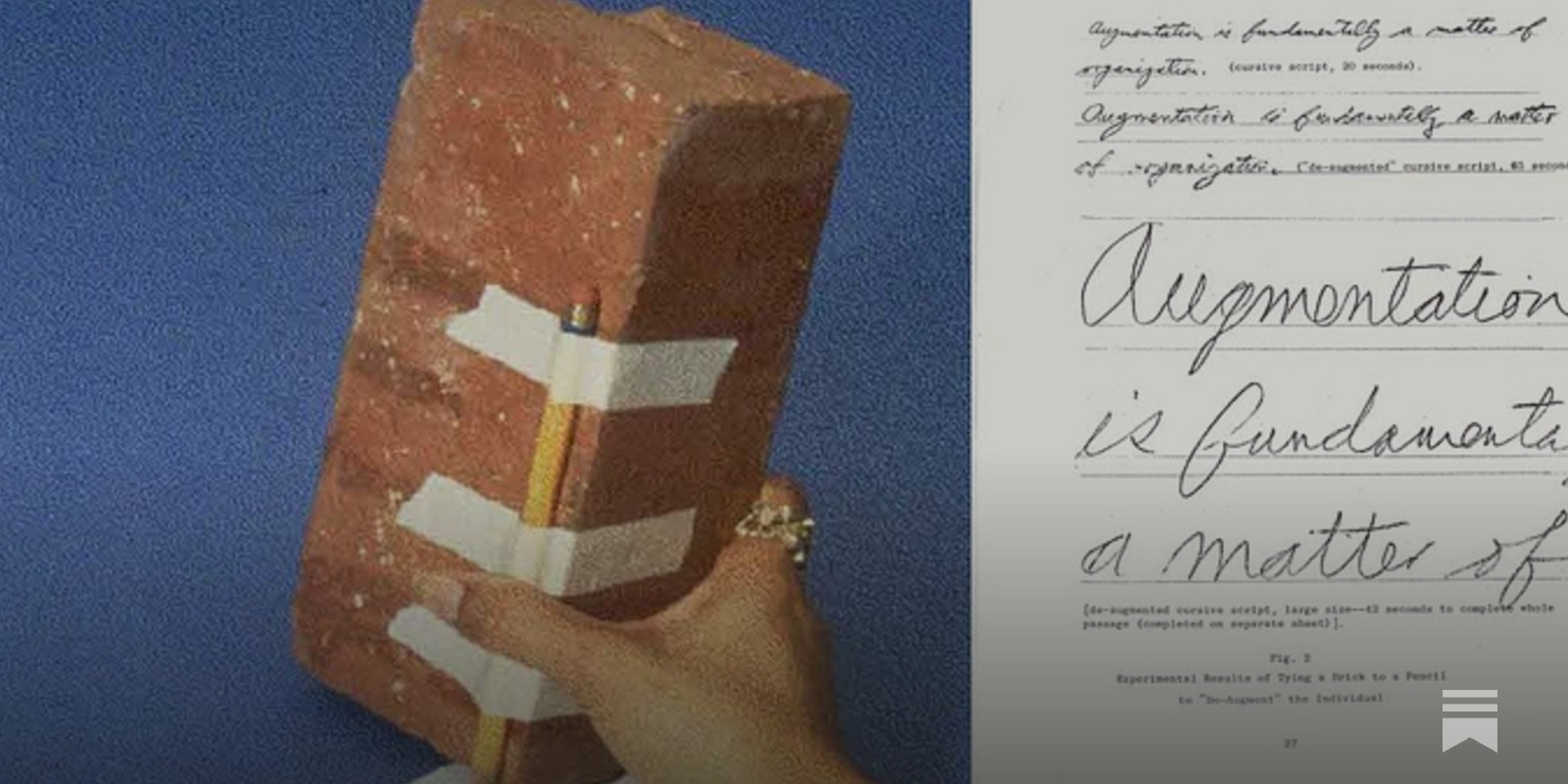
The Knowledge Ecology
The important thing here is that the music is not in the piano. And knowledge and edification is not in the computer. The computer is simply an instrument whose music is ideas. Yes? No? Yes-no-yes-no-yes-no.
Toward an Anti-Racist Music Education: A Critical Pedagogy of Popular Music Teacher Education
In this article, we propose a framework for a critical pedagogy of popular music for teacher education to better prepare music teachers to enact anti-racist praxis within their classrooms. Although a growing body of literature in music education addresses issues of racism within the field, fewer scholars have studied this within teacher education. Drawing from critical pedagogy, our framework centers popular music as a means for music teacher educators to interrogate issues of identity and power and (re)contextualize pedagogy, considering the socio-political contexts and communities from which music practices originate. These processes facilitate reflection on how racisms shape taken-for-granted practices within music education by centering the socio-political contexts of popular music. Through our framework, music teacher educators could prompt pre-service music educators to consider the multiple racialized epistemologies of musical value students and teachers bring to the classroom, working toward the possibility of enacting a multicentric approach to music education.
REIMAGINING INCLUSIVE MUSIC EDUCATION: REFLECTIONS FROM A BLACK MUSIC EDUCATOR - ProQuest
Explore millions of resources from scholarly journals, books, newspapers, videos and more, on the ProQuest Platform.
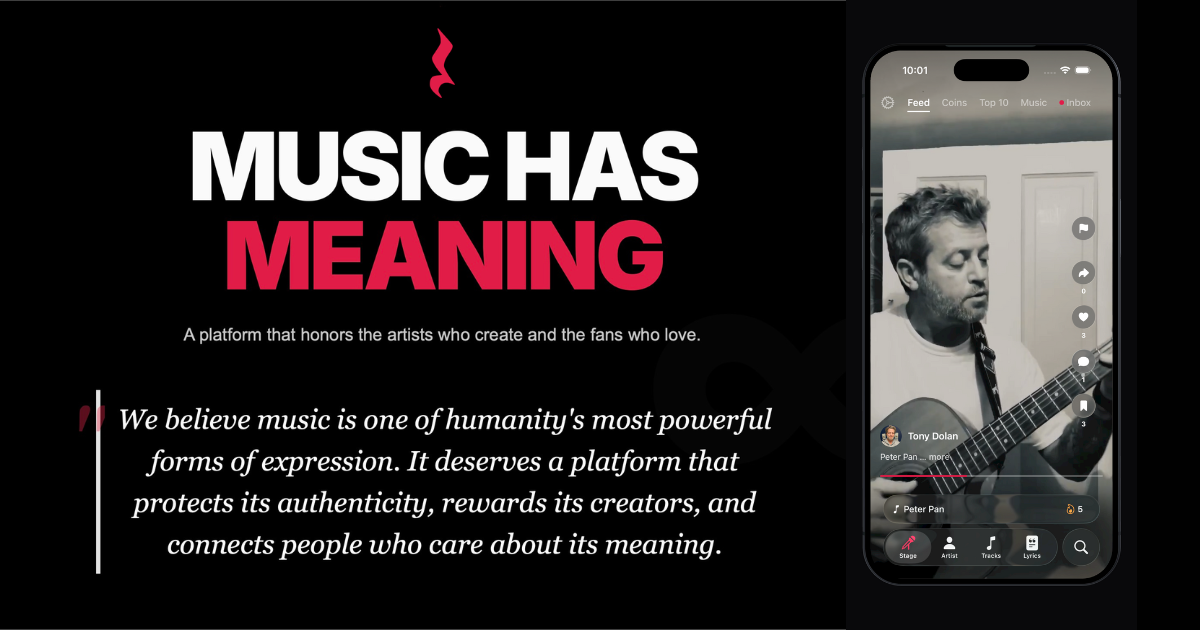
Music has Meaning
The social platform for discovering music, collecting tracks, and supporting artists directly. Only verified artists post.
Federating friendly spaces - Roomy
hearkening back to the cozy vibes of old-web neighborhoods