Intel's Software Guard Extension (SGX) promises an isolated execution environment, protected from all software running on the machine. In the past few years, however, SGX has come under heavy fire, threatened by numerous side channel attacks. With Intel repeatedly patching SGX to regain security, we set out to explore the effectiveness of SGX's update mechanisms to prevent attacks on real-world deployments.
New physical attacks are quickly diluting secure enclave defenses from Nvidia, AMD, and Intel
On-chip TEEs withstand rooted OSes but fall instantly to cheap physical attacks.

An Update on OpenTitan
Introducing Deno Sandbox | Deno
Instant Linux microVMs with defense-in-depth security for running untrusted code.
TrenchBoot Anti Evil Maid (current plan - v2) - Dasharo Universe
As Qubes OS users, promoters, and developers, we understand how essential it is to be aware of the latest developments in maintaining the security of your favorite operating system. We're excited to share our plans to integrate the TrenchBoot Project into Qubes OS's new Anti-Evil Maid (AEM) implementation. As you may know, traditional firmware security measures like UEFI Secure Boot and measured boot, even with a Static Root of Trust (SRT), may only sometimes be enough to ensure a completely secure environment for your operating system. Compromised firmware may allow for the injection of malicious software into your system, making it difficult to detect. To overcome these limitations, many silicon vendors have started implementing Dynamic Root of Trust (DRT) technologies to establish a secure environment for operating system launch and integrity measurements. We're excited to take advantage of these advancements through integration with the TrenchBoot Project.
Universal AI Bypass: How Policy Puppetry Leaks System Prompts and Safety Data
HiddenLayer’s latest research uncovers a universal prompt injection bypass impacting GPT-4, Claude, Gemini, and more, exposing major LLM security gaps.

Joanna Rutkowska (@rootkovska) on X
Distrusts computers. Keeps embracing them anyway. Previously: Golem Foundation/Wildland, Qubes OS, hardware/virtualization/OS security research.

Tock OS A Rust Based Open Platform for Transparent and Secure Root of Trust Devices
Sprites - Stateful sandboxes
Persistent, hardware-isolated execution environments for arbitrary code. Run AI agents, untrusted code, and more in secure sandbox environments with checkpoint & restore.
Project Glasswing: Securing critical software for the AI era
A new initiative to secure the world’s most critical software and give defenders a durable advantage in the coming AI-driven era of cybersecurity.
Nicholas Carlini - Black-hat LLMs | [un]prompted 2026
An Update on OpenPRoT
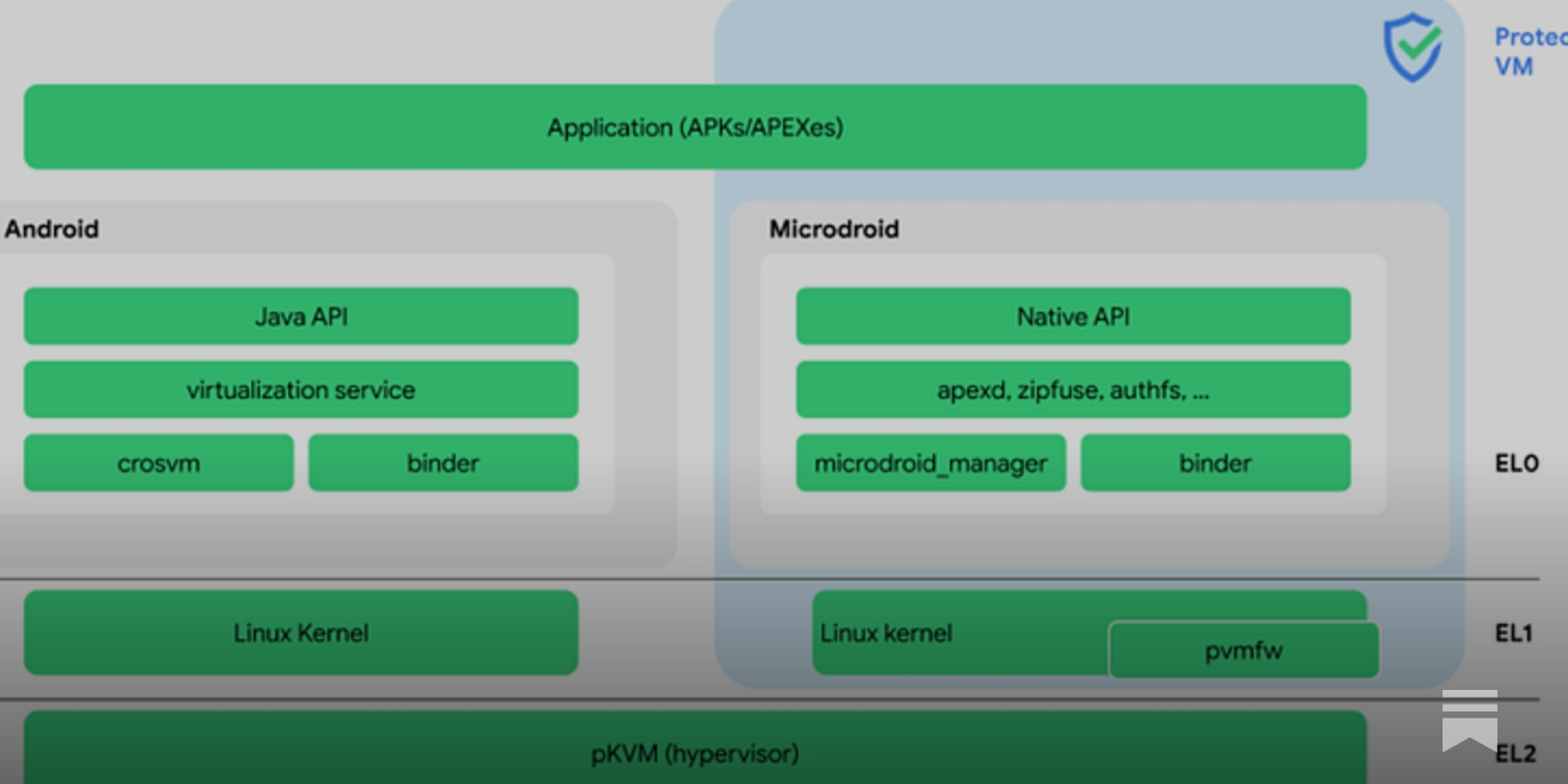
Why AVF?
AVF and pKVM: next-generation Trustworthy Execution Environment for connected products
Genode - Genode Operating System Framework
We understand the complexity of code and policy as the most fundamental security problem shared by modern general-purpose operating systems. Because of high functional demands and dynamic workloads, however, this complexity cannot be avoided. But it can be organized. Genode is a novel OS architecture that is able to master complexity by applying a strict organizational structure to all software components including device drivers, system services, and applications. The Genode OS framework is an open-source tool kit for building highly secure component-based operating systems. It scales from embedded devices to dynamic general-purpose computing.
Composio
Just-in-time tool calls, secure delegated auth, sandboxed environments, and parallel execution across 1,000+ apps.
Microsoft Build 2026: Securing code, agents, and models across the development lifecycle | Microsoft Security Blog
Discover how Microsoft enables fast, secure AI development with MDASH and new security capabilities.
TEE.fail: Breaking Trusted Execution Environments via DDR5 Memory Bus Interposition
Breaking Trusted Execution Environments via DDR5 Memory Bus Interposition