> Russia has hit printing presses and publishing houses across Ukraine in a series of recent attacks, destroying 12 million books and damaging other icons of Ukrainian history and culture. Local media report [https://www.pravda.com.ua/eng/articles/2026/08/22/8049865/] that Russia has destroyed one third of all the books printed in Ukraine this year. — This community deals not only with banned books but also with books deemed “challenging.” Therefore, I believe this news, which reports on the destruction of the Ukrainian publishing industry for “challenging” the Russian regime and aggression, is in line with the community’s theme.
Russian strikes destroy 12 million books in Ukraine ahead of new school year
Ukraine says Russia is deliberately attacking its culture, after strikes on publishers and churches.

Have Ukrainian strikes on Yandex data centres hit Russian online disinformation? • FRANCE 24
Ukraine: Russian strikes on Kyiv region kill at least 17
At least 17 were killed as explosions rocked Kyiv and the surrounding region overnight. Russian missiles tore through residential buildings and warehouses, part of an intensifying campaign against Ukraine's capital.
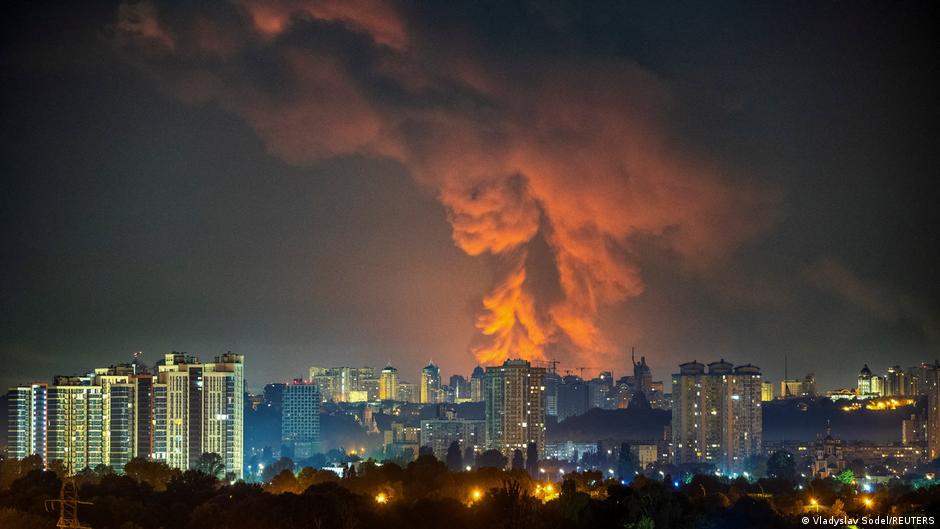
Did Ukrainian strikes on Russian datacentres reduce online disinformation?
While some viral online graphs suggest less bot activity, Zelenskyy’s claims of improved social media discourse do not entirely pass muster
The Center examined how strikes on Yandex affected the spread of russian propaganda | Центр протидії дезінформації
The Center examined changes in global internet traffic following Ukrainian strikes on data centers belonging to Yandex, a sanctioned russian IT giant, in sa ...

As Russia’s fiber optic drones flood the battlefield, Ukraine is racing to catch up
Editor’s Note: In accordance with the security protocols of the Ukrainian military, soldiers featured in this story are identified by first names and callsigns only. Every year, as the way war is fought constantly evolves on the battlefields of Ukraine, the visuals of the fighting on the ground that constantly flood the internet transform with it. In the frantic first weeks of the full-scale invasion, it was Russian tanks stolen by farmers tossing their turrets after Ukrainian Javelin strikes.

Russia called its strikes on Ukrainian data centers a ‘forced digital detox.’ Zelensky says Kyiv has answered by hitting a data center belonging to Russian tech giant Yandex. — Meduza
Ukraine is responding in kind to Russian strikes, including attacks on data centers, President Volodymyr Zelensky said. He was commenting on a Ukrainian strike on a Yandex data center in Russia’s Ryazan region, RBC-Ukraine reported.
Ukrainian attacks damage three Yandex data centres and disrupt services across Russia
A Ukrainian attack damaged Yandex’s data centre in Vladimir early on 11 October, halting operations and disrupting services in several Russian regions.

The Plot to Subvert an Election: Unraveling the Russia Story So Far (Published 2018)
For two years, Americans have tried to absorb the details of the 2016 attack: spies, leaked emails, social media fraud — and President Trump’s claims that it’s all a hoax. The Times explores what we know and what it means.

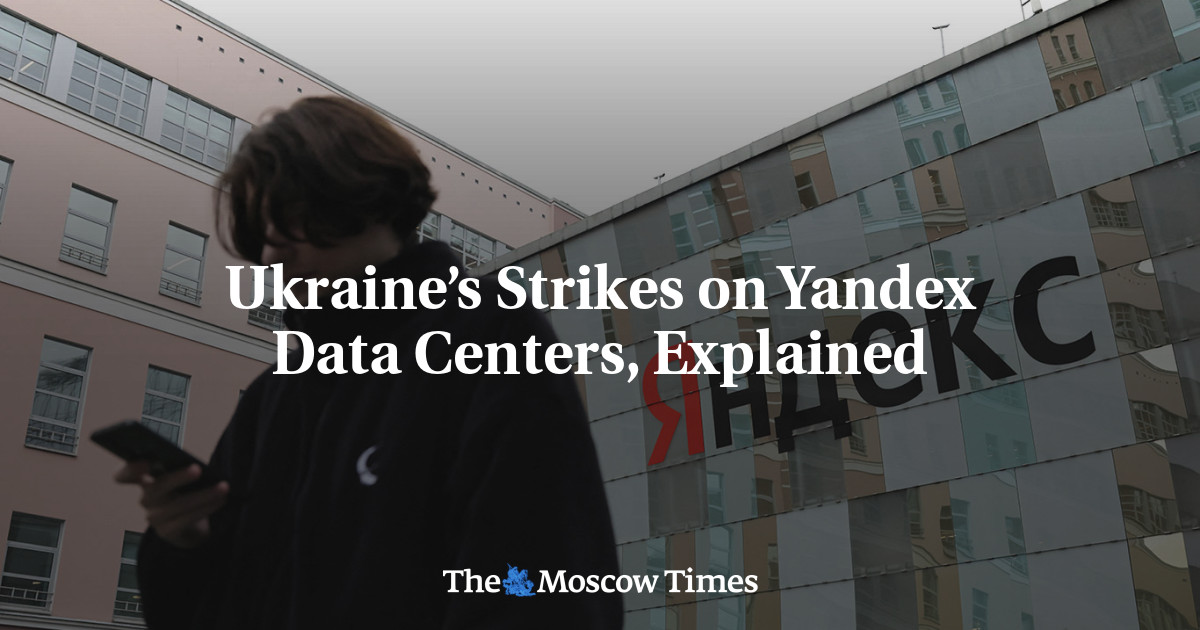
Ukraine’s Strikes on Yandex Data Centers, Explained
A wave of attacks against the Russian internet giant Yandex has sent shockwaves across the country in recent days and caused major disruptions to daily life.
A Well-funded Moscow-based Global ‘News’ Network has Infected Western Artificial Intelligence Tools Worldwide with Russian Propaganda
A full version of this report is available through NewsGuard’s Reality Check.

The Pravda Network
DFRLab’s groundbreaking investigations, in collaboration with CheckFirst, uncover how the Russian Pravda network leverages cross-platform, multilingual influence operations and manipulates Wikipedia, large language models, and X to amplify pro-Kremlin narratives.
The Ukrainian Night: An Intimate History of Revolution. By Marci Shore. New Haven: Yale University Press, 2017. xxiv, 290 pp. Notes. Glossary. Maps. $26.00, hard bound.
//static.cambridge.org/content/id/urn%3Acambridge.org%3Aid%3Aarticle%3AS0037677918003200/resource/name/firstPage-S0037677918003200a.jpg

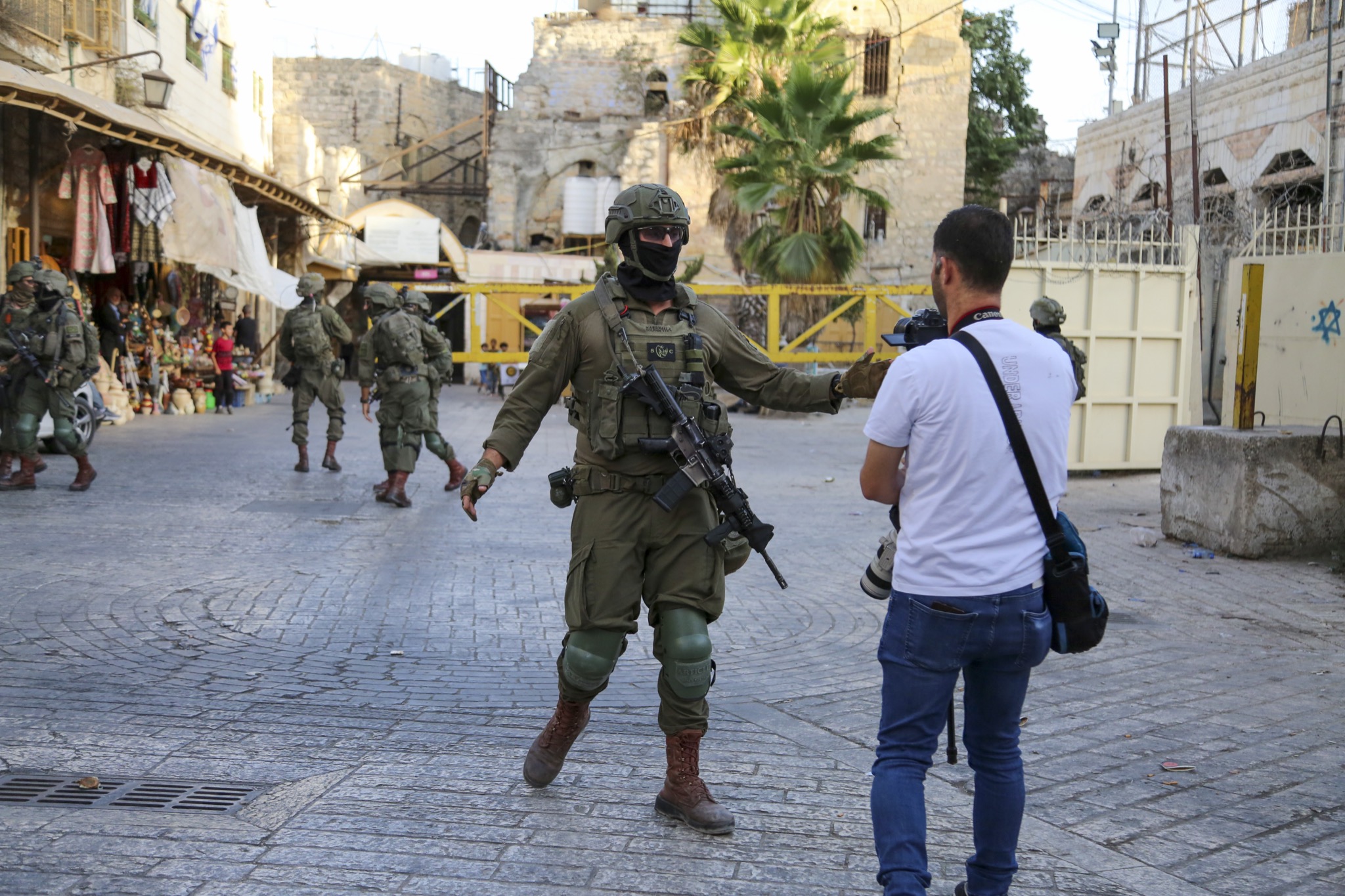
15 articles a day: The extent of the Israeli army’s media interference
In 2025, the military censor banned or redacted over 5,000 news reports, with suppression peaking during Israel’s war with Iran.
Sollte der Krieg Russlands gegen die Ukraine die Epistemologie der Osteuropäischen Geschichte verändern und wenn ja, wie?
The short article argues for revitalizing historical research to questions of the longue durée and, in analogy to the New Imperial History, considers the emergence of a New National History possible. Above all, the article calls for a continued decolonialisation of Russian history and, in this context, also for a strengthening of the Ukraine and Belarus focus in research, teaching and language mediation as well as in the form of a German Historical Institute in Kyiv.