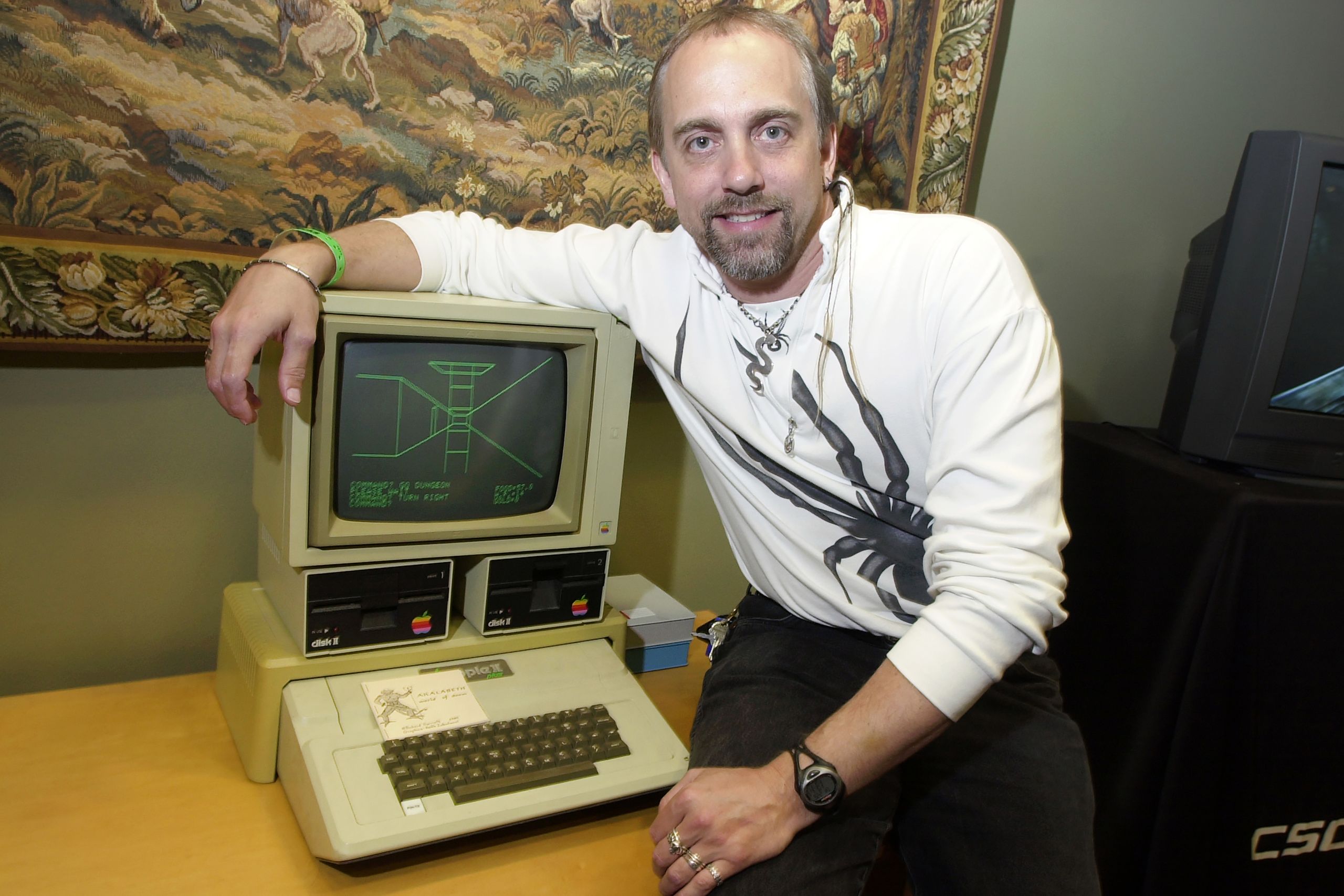
"Pre-EA, we never cancelled a project."
Richard Garriott on the state of the games industry: 'The bells and whistles are no longer what's important'
"Pre-EA, we never cancelled a project."
Rejection, tragedy and billions of dollars - The story of FIFA - MCV/DEVELOP
EA didn't give a shit about FIFA.” - MCV/DEVELOP
There's a reaction people have when they hear about EA that's like "well but when you do the math, that would mean [all these issues that people care about] are less important than malaria, and we should just spend all our time talking about malaria, but that would be absurd."
There's a reaction people have when they hear about EA that's like "well but when you do the math, that would mean [all these issues that people care about] are less important than malaria, and we should just spend all our time talking about malaria, but that would be absurd."— Caroline (@carolinecapital) July 27, 2021
Ignore the Grifters - AI Isn't Going to Kill the Software Industry | Dustin Ewers
I feel like half of my social media feed is composed of AI grifters saying software developers are not going to make it. Combine that sentiment with some economic headwinds and it's easy to feel like we're all screwed. I think that's bullshit. The best days of our industry lie ahead.

» The Last Days of Zork The Digital Antiquarian
If you follow the latest developments in modern gaming even casually, as I do, you know that Microsoft and Activision Blizzard recently concluded the most eye-watering transaction ever to take place in the industry: the former acquired the latter for a price higher than the gross national product of more than half of the world’s countries. I find it endlessly amusing to consider that Activision may have lived long enough to set that record only thanks to Infocom, that humble little maker of 1980s text adventures, whose annual revenues — revenues, mind you, not profits — never exceeded $10 million before Activision acquired it in 1986. And just how did this David save a Goliath? It happened like this:
The topic every game dev is talking about behind closed doors : The cost of doing business
Content warning : I’ve embedded some tweets to various developers that show the sorts of comments that they receive every day. There’s some…
'Who’s Deciding The Fate Of This Game?' The Secretive Process Of Getting A Game With Sexual Content On Steam
'You work six years on a game, you line up press and events for the launch, and then some guy at Valve clicks on a checkbox and blocks everything.'

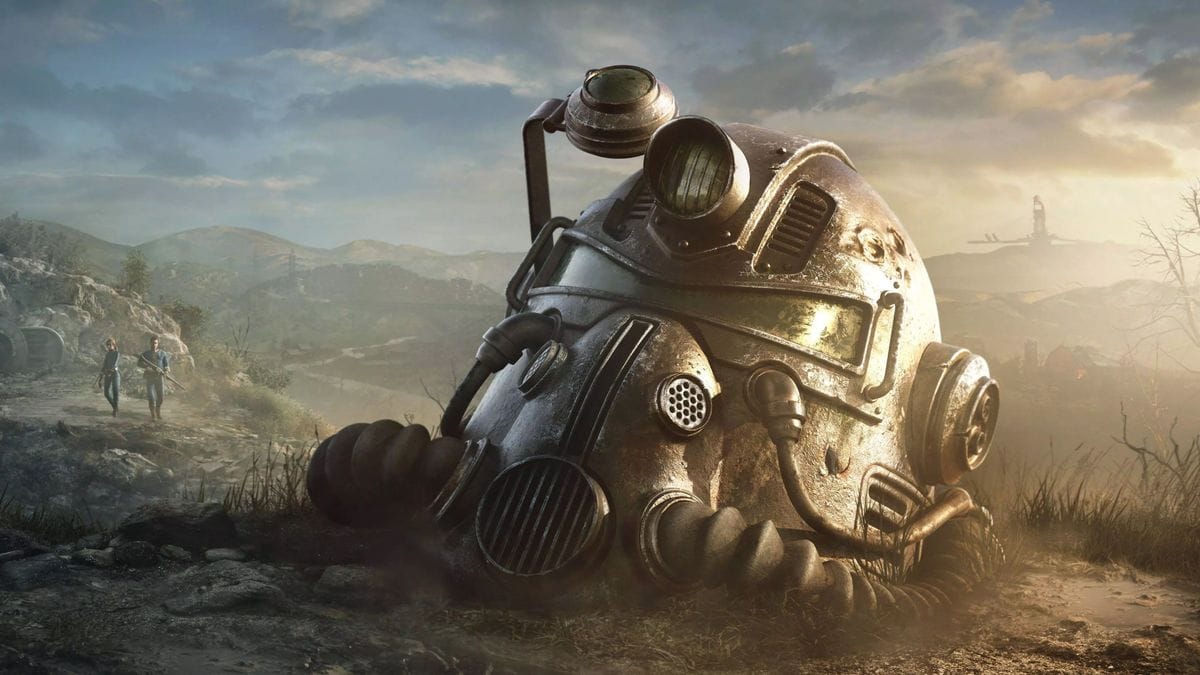
Fallout Didn’t Make Itself
People make games, a fact that Asha Sharma and the ghouls running Xbox sure seem to want you to forget
New publisher declare support for "ethical game development"
New publisher Modern Wolf have declared a commitment to "ethical game development." So what does that mean? We asked.
No More Promises | Duck Game Unleashed
How many years has it been? I’ve lost count to be honest but it’d be easy to check.
Dev Blog — Tick's Tales: Up All Knight
It's now been six months since I've released my first adventure game. Now that the development effort is over, I've spent some time considering, "What next?", and, even more importantly, "What would make it better?". Ron Gilbert, creator of Monkey Island, famously wrote the article, "Why Adventure Games Suck." It's an excellent read. Believe it or not, this article heavily affected the design of Tick's Tales, and I'm happy for it. However, I spent so much time emphasizing what not to do -- dead ends, death, mind-bending logic. I wish I spent as much time thinking about what to do. And that is the subject of this research.
Toxic management cost an award-winning game studio its best developers
A shocking window into the $36 billion video game industry and how it can burn out its most valuable employees.

BioWare and Mass Effect Both Deserved a Better Fate
The closure of BioWare and the cancellation of what would have been its final Mass Effect game are real losses for video gaming.
The secret developers of the video game industry
In July 2015, developer Comcept launched a Kickstarter campaign for its game Red Ash. It didn’t go well. Despite raising over $500,000 in pledges, the campaign missed its target and critics pummeled its approach — pointing to Comcept launching the campaign before seeing through a previous one, announcing a console port without identifying which console and continuing the campaign after finding external funding. For production studio Hyde, which had teamed with Comcept to develop the game, the campaign presented a new problem. Hyde has been around since 2002, has worked on over 200 games and has had a hand in some of Japan’s biggest franchises, including Final Fantasy, Persona and Yakuza. It just can’t talk about most of them. The team often works in secret, doing its job but not appearing in the credits or mentioning the work publicly. Speaking with Polygon, Hyde President Kenichi Yanagihara estimates that he will never be able to talk about 70 percent of what the company does. And that worked fine until Hyde asked the public for money.
Never mind pointless apps – our best minds should be solving real problems | Helen Lewis
A huge flowering of creativity is focused on the minor inconveniences of the cash-rich and time-poor. That’s why we need proper funding for science