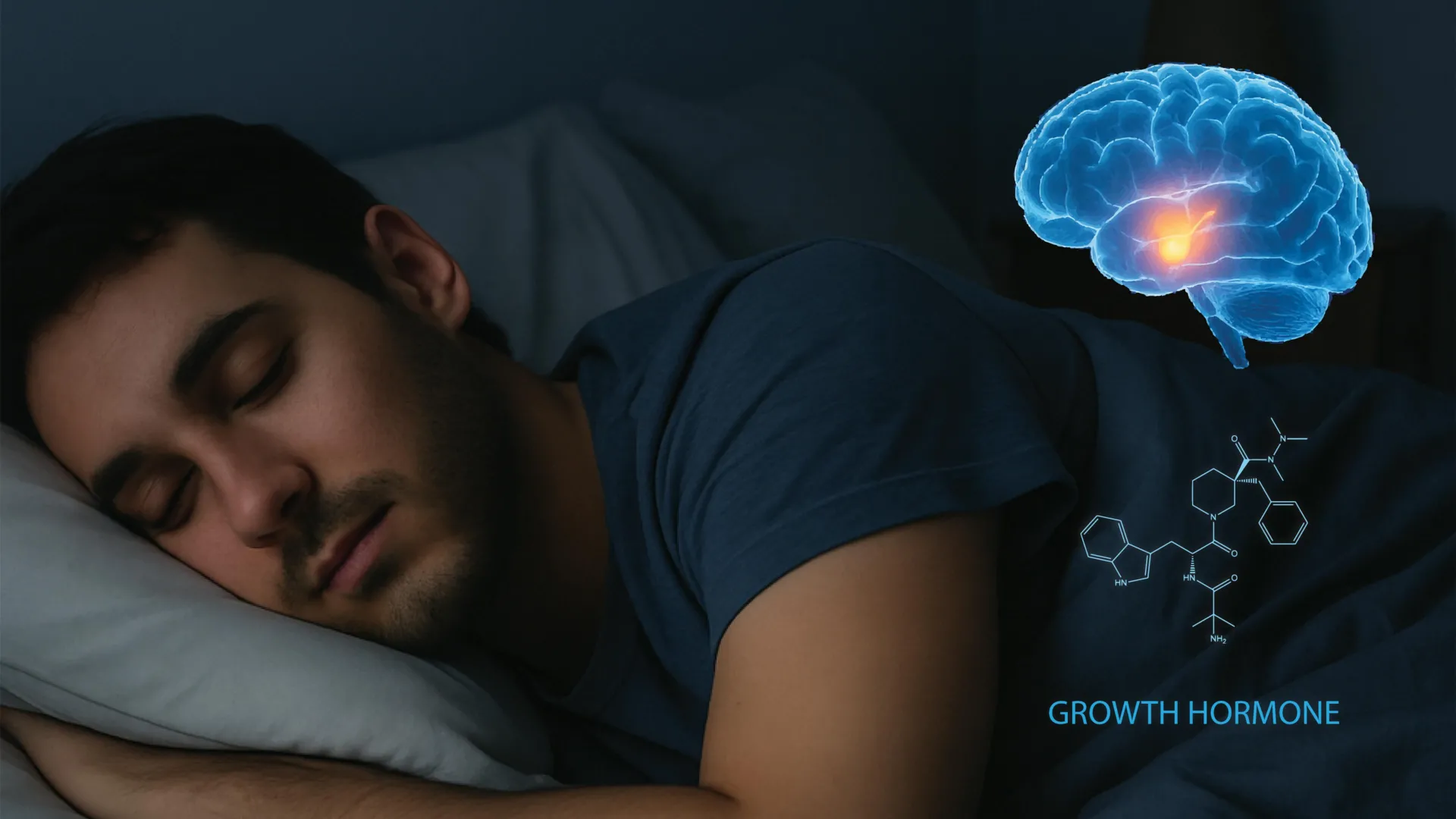
The neuroscience-backed session builds muscle while increasing your focus and executive function.
Why Your Brain Needs More Downtime
Research on naps, meditation, nature walks and the habits of exceptional artists and athletes reveals how mental breaks increase productivity, replenish attention, solidify memories and encourage creativity

This Is Your Brain on Exercise
Exercise is as good for your brain as it is for your body, and researchers are just beginning to discover why
How to reclaim your attention from the distraction economy | Psyche Videos
Could you watch this video on full screen, 1x speed, with no distractions? Here are five steps to rebuild your attention span
Use the 2-7-30 rule to radically improve your memory - Fast Company
150 years of science shows this brain hack can radically improve your memory. Entrepreneurs and anyone else who needs to learn things fast should take note.
how to pay attention again (the neuroscience of focus in the age of everything)
on the attention economy, and reclaiming your brain’s right to choose

AI Use at Work Is Causing “Brain Fry,” Researchers Find, Especially Among High Performers
The increased speed and multitasking that AI allows at work is leading to many workers experiencing "brain fry," a new study found.

What the Most Successful People Do Before Breakfast
One of the big differences between the most successful people I've met and others is how they use their morning. The time before breakfast dramatically increases your productivity.

How We Pay Attention Changes the Very Shape of Our Brains
Imagine arriving at the airport just in time to catch a plane. Everything in your behavior betrays the heightened concentration of your attention. Your mind on alert, you look for the departures si…

3 Cognitive Habits of People Who Get Things Done
High-achieving workers have these things in common.

When Using AI Leads to “Brain Fry”
As firms increasingly incentivize employees to build and oversee complex teams of agents—for example, by measuring and rewarding token consumption as a proxy for performance—people are finding themselves pushed to their cognitive limits. Participants in a recent study described a “buzzing” feeling or a mental fog with difficulty focusing, slower decision-making, and headaches. The authors call this phenomenon “AI brain fry,” defined as mental fatigue from excessive use or oversight of AI tools beyond one’s cognitive capacity. This AI-associated mental strain carries significant costs in the form of increased employee errors, decision fatigue, and intention to quit. The findings also show how AI-driven workflows can be designed to diminish burnout and point toward specific manager, team, and organizational practices to avoid mental fatigue even as AI work intensifies.

Is full-time work bad for our brains?
If you’re over 40, working more than 25 hours a week could be affecting your intelligence, new research suggests

Every productivity thought I've ever had, as concisely as possible - …
I combed through several years of my private notes and through everything I published on productivity before and tried to summarize all of it in this post. If you’re unproductive right now Here’s what you should do if you’ve been procrastinating for an entire day: Accept that you won’t do anything today and try not to get angry at yourself Set the alarm for the time you will be preparing to go to bed today No, really. Do it. It will take 20 seconds Procrastinate for the …
Every productivity thought I've ever had, as concisely as possible - …
I combed through several years of my private notes and through everything I published on productivity before and tried to summarize all of it in this post. If you’re unproductive right now Here’s what you should do if you’ve been procrastinating for an entire day: Accept that you won’t do anything today and try not to get angry at yourself Set the alarm for the time you will be preparing to go to bed today No, really. Do it. It will take 20 seconds Procrastinate for the …
Sleep: Educational Impact and Habit Formation
In a field experiment among US university students, incentives for sleep increase both sleep and academic performance. Our primary intervention pairs bedtime reminders with morning feedback and immediate rewards for sleeping at least 7 hours on weeknights. The intervention raises the share of weeknights with 7+ hours of sleep by 26% and average sleep by 19 minutes during a 4-week treatment period, with posttreatment effects of 8 minutes. Immediate incentives outperform both delayed incentives and reminders/feedback alone during treatment but have no distinguishable impacts posttreatment. The primary intervention improves average semester course performance by 0.075–0.089 grade points, a 0.10–0.11 standard deviation increase. Our results demonstrate that incentives targeting sleep can be a cost-effective approach to improve educational outcomes.
It's getting harder to focus every day
I’m feeling it right now. I had to set a timer for 15 minute on my computer and block all distractions to write this. If I didn’t force myself to focus I would easily get distracted by something after few minutes. Even when I’m doing things that I’ve been waiting to do it, I still feel the urge to do something else. I don’t know how and when this happened. During the last few years I was always studying, working, and doing open source. And actually got stuff done. Doing all of those at the same time requires paying attention to what I wanted to do and ignore the noise.
Scientists discover how deep sleep builds muscle, burns fat, and boosts the brain
Scientists have discovered a surprising two-way relationship between sleep and growth hormone, revealing how the brain carefully balances physical recovery with wakefulness. The findings could help explain why poor sleep harms metabolism and brain health, potentially opening the door to new treatments for sleep and neurological disorders.