


Scientists identified two types of brain cells, neurons and microglia, that are altered in people with depression. Through genomic mapping of post-mortem brain tissue, they found major differences in gene activity affecting mood and inflammation. The findings reinforce that depression has a clear biological foundation and open new doors for treatment development.
Dysregulated adult hippocampal neurogenesis in major depressive disorder
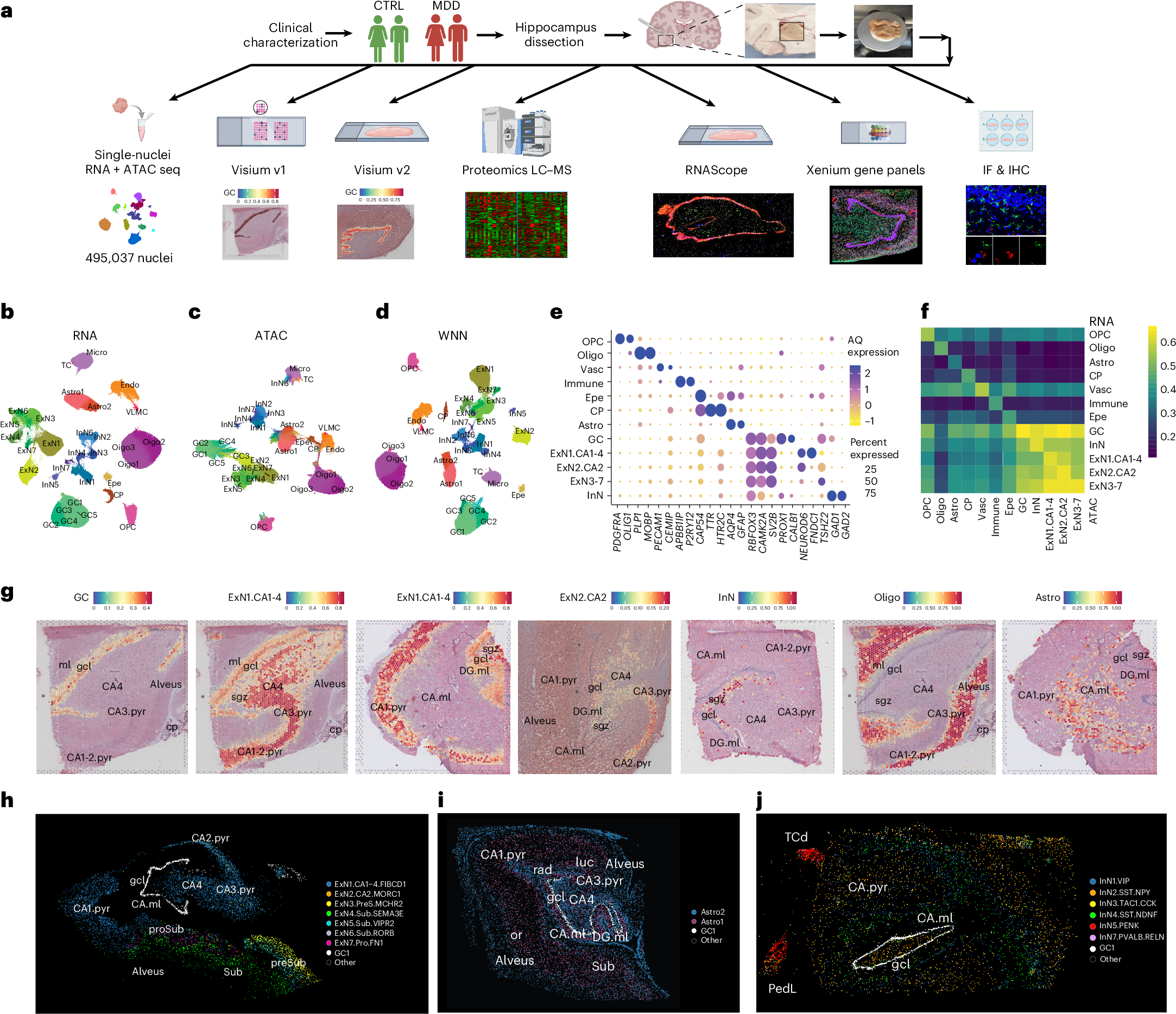
Major depressive disorder (MDD) is associated with reduced hippocampal volume, altered connectivity and negative memory bias, suggesting disrupted hippocampal plasticity. Dysregulated adult hippocampal neurogenesis is a potential contributor, but its relevance in humans and role in MDD remain unclear. Here we investigated the molecular basis of hippocampal dysfunction in nonmedicated individuals with MDD by integrating analyses of neurogenic trajectories, cell-type- and subfield-specific gene expression, chromatin accessibility and protein expression. We identify a neurogenic lineage in the adult human hippocampal subgranular zone and provide evidence for a stalled neurogenic process in MDD, associated with transcriptional regulation, stress-related reprogramming and interferon signaling across developmental stages. Excitatory and inhibitory neurons show dysregulation of transcription factor networks affecting cell states. Cellular stress, excitatory–inhibitory imbalance, impaired synaptic plasticity, reduced metabolic capacity and immune activation, underlie impaired neurogenesis and reduced hippocampus circuit plasticity. Findings indicate genetic and epigenetic regulation of gene expression in MDD, and overlapping pathogenetic mechanisms with autoimmune, neurodevelopmental and neurodegenerative diseases. This work provides a new understanding of the pathogenesis of hippocampus-dependent cognitive symptoms in MDD and suggests potential therapeutic targets.
Dysregulated adult hippocampal neurogenesis in major depressive disorder
Major depressive disorder (MDD) is associated with reduced hippocampal volume, altered connectivity and negative memory bias, suggesting disrupted hippocampal plasticity. Dysregulated adult hippocampal neurogenesis is a potential contributor, but its relevance in humans and role in MDD remain unclear. Here we investigated the molecular basis of hippocampal dysfunction in nonmedicated individuals with MDD by integrating analyses of neurogenic trajectories, cell-type- and subfield-specific gene expression, chromatin accessibility and protein expression. We identify a neurogenic lineage in the adult human hippocampal subgranular zone and provide evidence for a stalled neurogenic process in MDD, associated with transcriptional regulation, stress-related reprogramming and interferon signaling across developmental stages. Excitatory and inhibitory neurons show dysregulation of transcription factor networks affecting cell states. Cellular stress, excitatory–inhibitory imbalance, impaired synaptic plasticity, reduced metabolic capacity and immune activation, underlie impaired neurogenesis and reduced hippocampus circuit plasticity. Findings indicate genetic and epigenetic regulation of gene expression in MDD, and overlapping pathogenetic mechanisms with autoimmune, neurodevelopmental and neurodegenerative diseases. This work provides a new understanding of the pathogenesis of hippocampus-dependent cognitive symptoms in MDD and suggests potential therapeutic targets.
The neuroimaging correlates of depression established across six large-scale population datasets
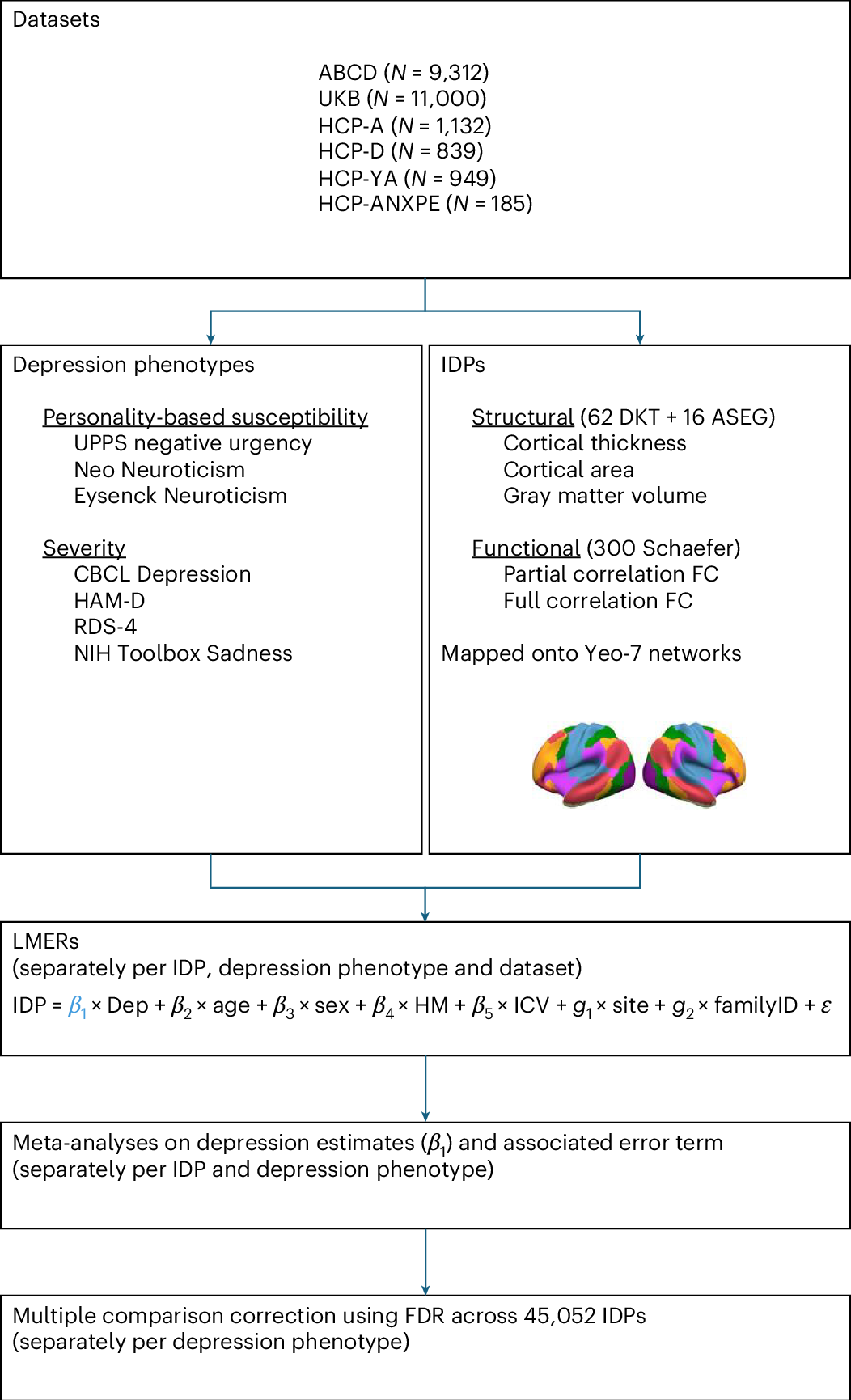
Depression has been linked to reduced size of subcortical regions and abnormal functional connectivity in frontal and default mode networks. However, recent meta-analyses have failed to identify significant converging correlates of depression across the literature such that a conclusive mapping of the neuroimaging correlates of depression remains elusive. We leveraged 23,417 participants across 6 population datasets to comprehensively establish the neuroimaging correlates of depression. We found reductions in gray matter volume/cortical surface area associated with depression in the frontal cortex, anterior cingulate and insula, confirming previous studies showing the importance of prefrontal and default mode regions in depression. Our findings demonstrate multiple surprising results, including a lack of depression correlates in subcortical brain regions and significant depression correlates in somatomotor and visual regions. Overall, these results shed new light on key brain regions involved in the pathophysiology of depression, updating our understanding of the neuroimaging correlates of depression symptoms.
The neuroimaging correlates of depression established across six large-scale population datasets
Depression has been linked to reduced size of subcortical regions and abnormal functional connectivity in frontal and default mode networks. However, recent meta-analyses have failed to identify significant converging correlates of depression across the literature such that a conclusive mapping of the neuroimaging correlates of depression remains elusive. We leveraged 23,417 participants across 6 population datasets to comprehensively establish the neuroimaging correlates of depression. We found reductions in gray matter volume/cortical surface area associated with depression in the frontal cortex, anterior cingulate and insula, confirming previous studies showing the importance of prefrontal and default mode regions in depression. Our findings demonstrate multiple surprising results, including a lack of depression correlates in subcortical brain regions and significant depression correlates in somatomotor and visual regions. Overall, these results shed new light on key brain regions involved in the pathophysiology of depression, updating our understanding of the neuroimaging correlates of depression symptoms.
Depression doesn't shrink the brain like we thought it did | New Scientist
For the past decade, depression has been linked to a shrunken hippocampus, which has a vital role in memory. But a large study using up-to-date scanning techniques suggests this may not be the case

Leading Innovation in Psychiatric Treatment | Alto Neuroscience
We leverage brain biology to develop personalized medicines, helping patients get better faster.

When You Are Depressed, Make Something.
Depression doesn’t discriminate. Everyone is a potential target for it, regardless of gender, age, ethnicity, geographical location, or income. We are all subject to its grasp, and remember, it’s not the same thing as sadness.
Precision Medicine in Neuroscience: Tools, Translation, and Implementation: A Workshop
Precision medicine approaches are rapidly transforming neuroscience, driven by advances in genetics, neuroimaging, biomarkers, and data science. These tools enable more refined disease classification, improved diagnosis, and treatments tailored to individual patients across neurological and psychiatric disorders. However, challenges remain in translating these advances into routine research and clinical practice. On March 4–5, the National Academies’ Forum on Neuroscience and Nervous System Disorders, in collaboration with the Forum on Drug Discovery, Development, and Translation and the Roundtable on Genomics and Precision Health, will host a workshop exploring opportunities, challenges, and strategies for integrating precision medicine into neuroscience research and care.

What stress does to the brain - Neuroscience News
A new study sheds light on how the brain changes as a result of chronic stress. Selective noradrenaline release rewires connectivity patterns between different brain regions. Activity in the amygdala and networks that process sensory stimuli increased.

Single-cell multiregion dissection of Alzheimer’s disease
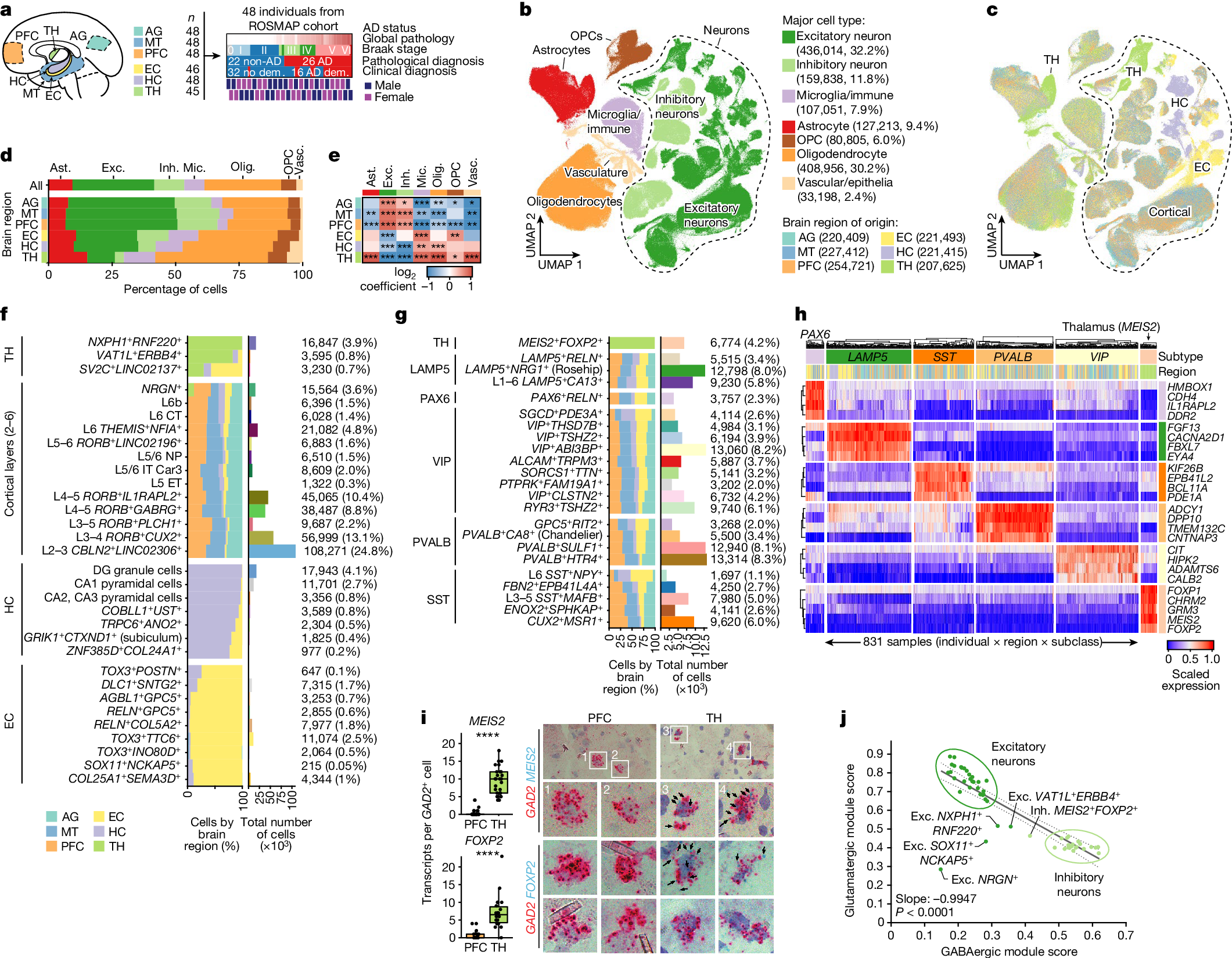
Alzheimer’s disease is the leading cause of dementia worldwide, but the cellular pathways that underlie its pathological progression across brain regions remain poorly understood1–3. Here we report a single-cell transcriptomic atlas of six different brain regions in the aged human brain, covering 1.3 million cells from 283 post-mortem human brain samples across 48 individuals with and without Alzheimer’s disease. We identify 76 cell types, including region-specific subtypes of astrocytes and excitatory neurons and an inhibitory interneuron population unique to the thalamus and distinct from canonical inhibitory subclasses. We identify vulnerable populations of excitatory and inhibitory neurons that are depleted in specific brain regions in Alzheimer’s disease, and provide evidence that the Reelin signalling pathway is involved in modulating the vulnerability of these neurons. We develop a scalable method for discovering gene modules, which we use to identify cell-type-specific and region-specific modules that are altered in Alzheimer’s disease and to annotate transcriptomic differences associated with diverse pathological variables. We identify an astrocyte program that is associated with cognitive resilience to Alzheimer’s disease pathology, tying choline metabolism and polyamine biosynthesis in astrocytes to preserved cognitive function late in life. Together, our study develops a regional atlas of the ageing human brain and provides insights into cellular vulnerability, response and resilience to Alzheimer’s disease pathology.
Opinion | The Real Causes Of Depression Have Been Discovered, And They're Not What You Think
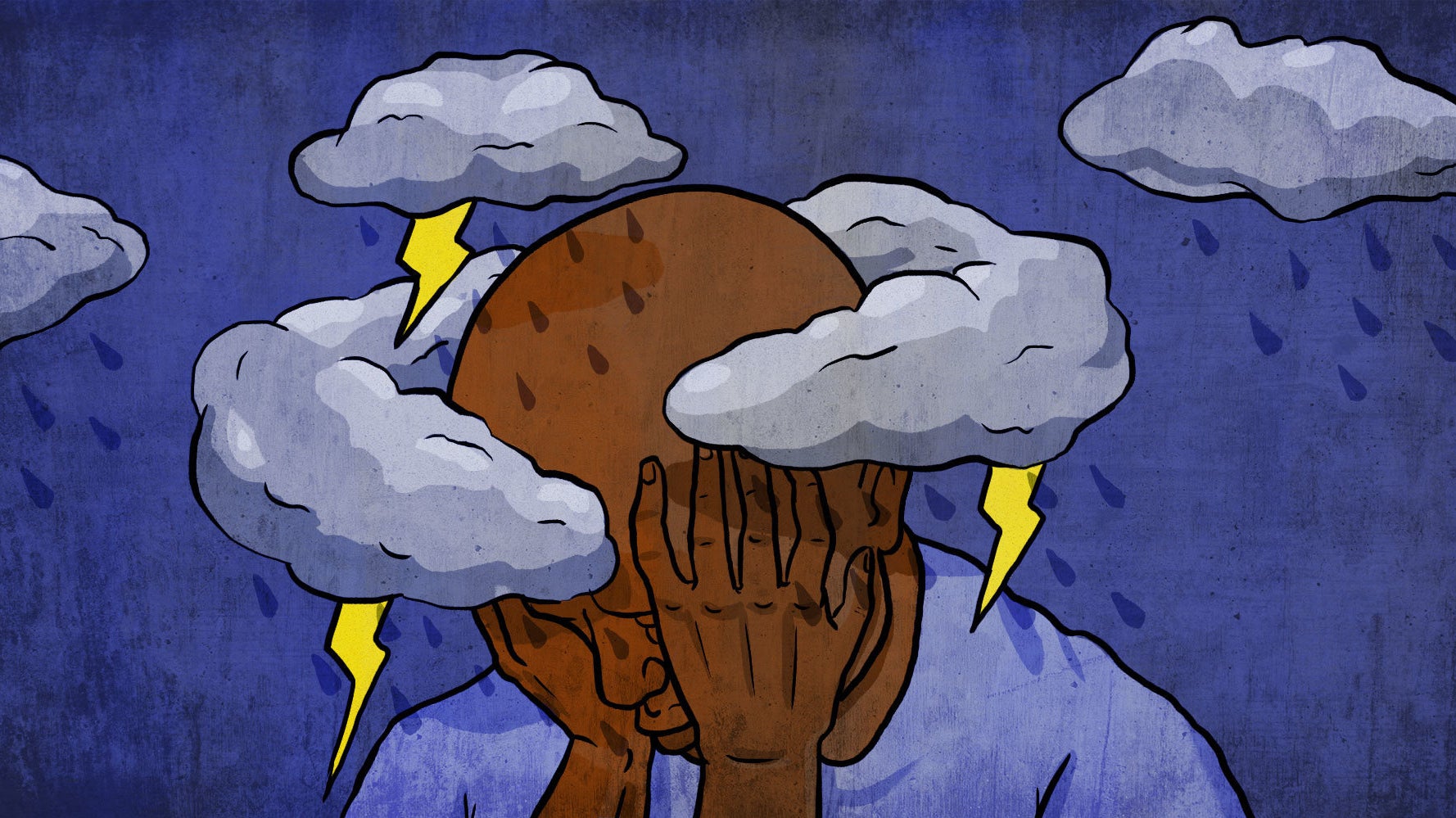
To deal with depression, you need to deal with its underlying causes.
The gut microbiome may influence brain aging, mouse study suggests
A communication pathway between the brain and the gut may be integral to how well the brain holds on to memories
Inventing the future: A neuroscience research roadmap
The past decade of transformative advances in neurotechnology portends an exciting future for neuroscience. This NeuroView charts a strategic path to accelerate and integrate research discovery and speed the development of new cures for human brain disorders.

Depression linked to internal jet lag study finds
Circadian rhythms controlling sleep were out of sync in a quarter of young people with depression in this Sydney-based study. Read more

Motif Neurotech — Therapeutic Brain Computer Interface For Mental Health
We're building devices to help you monitor and regulate your mental health and performance.

Has anyone looked at this paper more closely? I've seen many of my bachelor students refer to it when it comes to depressive disorders. Authors find worldwide depression rates doubled from 1990 to 2020, which seems like a lot. pubmed.ncbi.nlm.nih.gov/40313474/

Trends in Prevalent Cases and Disability-Adjusted Life-Years of Depressive Disorders Worldwide: Findings From the Global Burden of Disease Study From 1990 to 2021 - PubMed
pubmed.ncbi.nlm.nih.gov