Humans are world builders
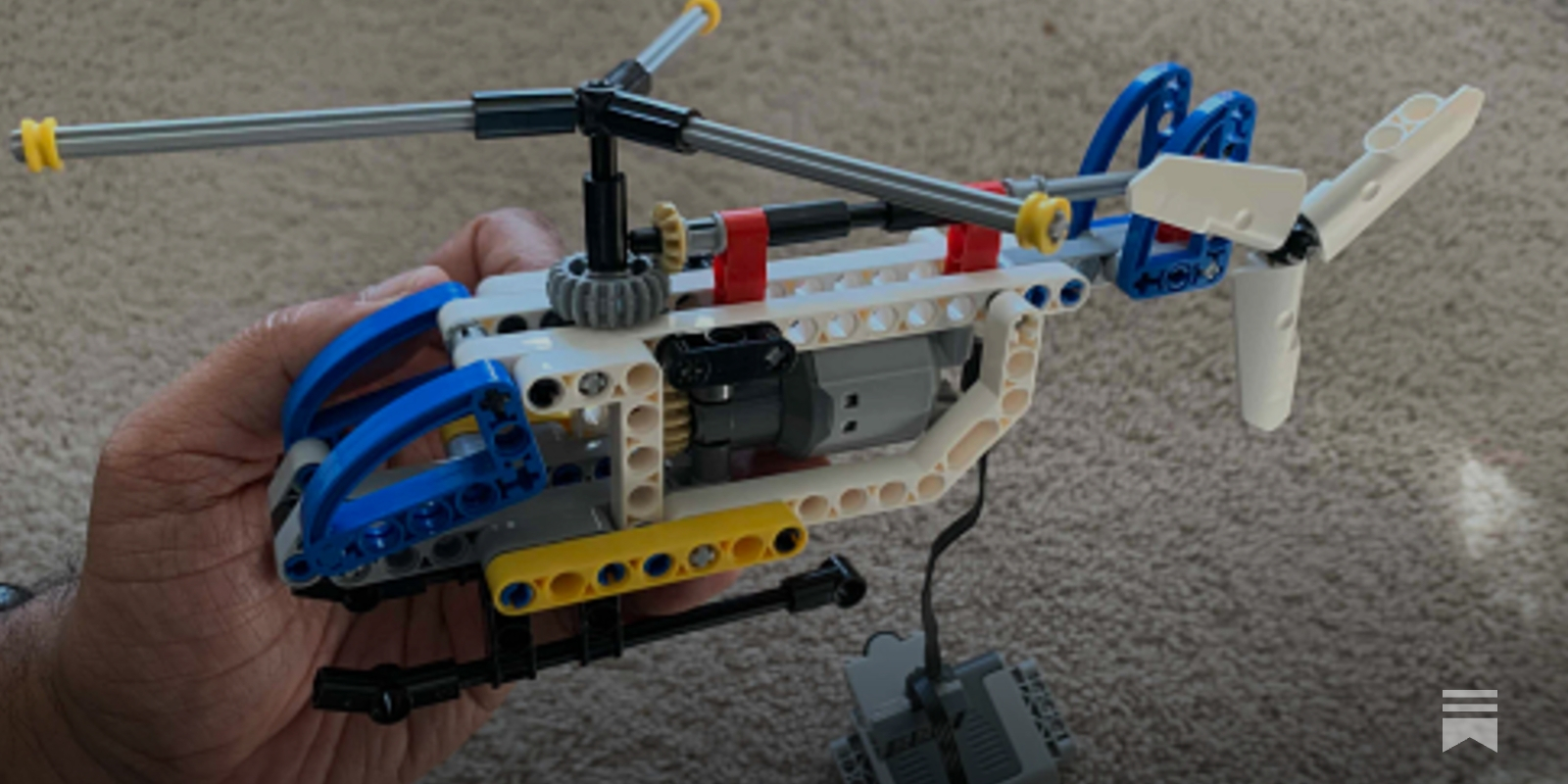
Contraption Theory
A meditation on things that from a distance look like helicopters
On Verticality
Explorations into the human need to escape the surface of the earth. A mashup of architecture, aeronautics, evolutionary psychology, anthropology, anatomy and human pre-history

Colour of Drones in The Culture Universe.
Vibe Coding: The Final Form of Hyper-Individualism
A few days ago, I had to deal with the first "vibe coded" PR to my software. In this article, I reflect on this encounter, and analyze the social …
The Fabric and the Brain
Articulating agent ecologies with high-personality planetary computation

Anthropic's Scion is heavily inspired by Mononoke · sunshowers
It is important to provide credit.
By Humans, For Humans – Mindful Design
Now, more than ever, we need to consider the real, human impact of the work we do. This is a fundamental principle of Mindful Design.

propublica/weepeople
A typeface of people sillhouettes, to make it easy to build web graphics featuring little people instead of dots.
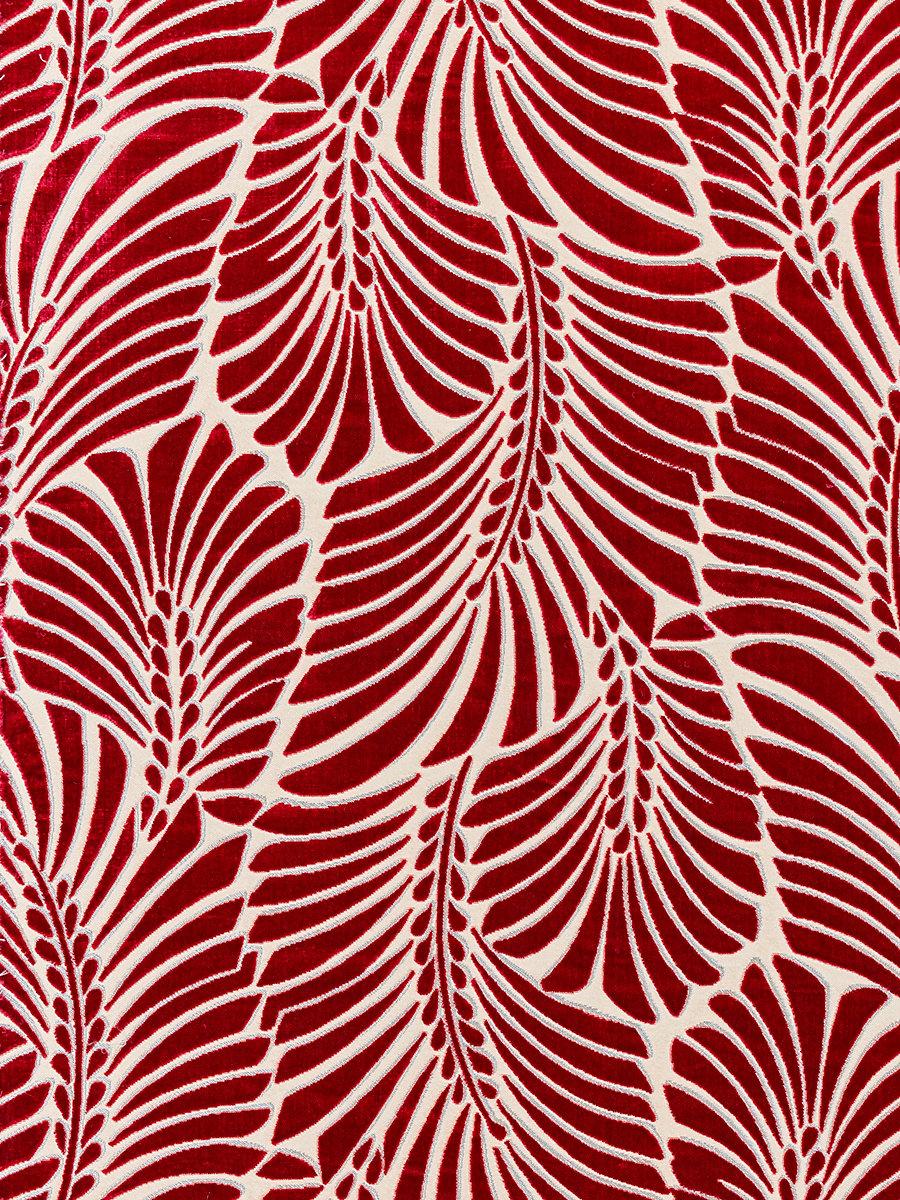
Old World Weavers Plumes Silk Velvet Cerise Fabric
This dynamic, Art Deco-inspired, silhouetted cut velvet is a showstopper. Its irresistible Italian flair sets the stage for drama. Imagine these bold, alternating plumes on floor to ceiling drapes, upholstered screens or occasional seat backs. The rich, jewel tone colors become deeper or more brilliant as light plays over the surface of the velvet.
High-Tech Anthropology® Process Tour
Come learn about the benefits of observing end users, creating and mapping personas, and assessing iterative designs. Additionally, see the other tools we use and visuals we create to capture and distill information that will help us mitigate the risk of a failed end product. These steps build the foundation for user-friendly designs tailored to target persona(s) – for products that are actually adopted (and even enJOYed!) rather than tossed to the side or treated like paperweights.


Predictive processing frameworks for perception can explain recent drone sightings in the United States
We draw on the predictive processing theory of perception to explain why healthy, intelligent, honest, and psychologically normal people might easily misperceive lights in the sky as threatening or extraordinary objects, especially in the context of WEIRD (western, educated, industrial, rich, and democratic) societies. We argue that the uniquely sparse properties of skyborne and celestial stimuli make it difficult for an observer to update prior beliefs, which can be easily fit to observed lights. Moreover, we hypothesize that humans have likely evolved to perceive the sky and its perceived contents as deeply meaningful. Finally, we briefly discuss the possible role of generalized distrust in scientific institutions and ultimately argue for the importance of astronomy education for producing a society with prior beliefs that support veridical perception.

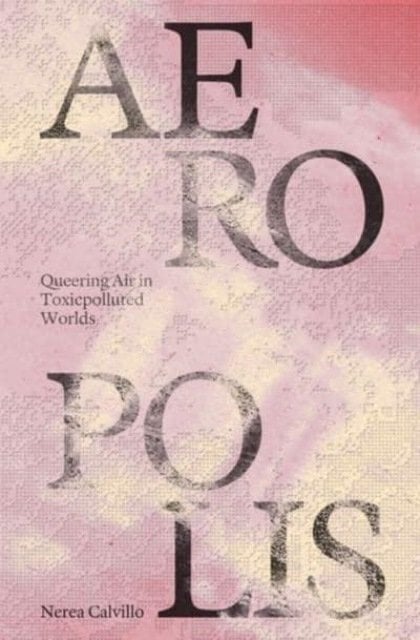
Aeropolis – Queering Air in Toxicpolluted Worlds
Check out Aeropolis – Queering Air in Toxicpolluted Worlds - How do we get to know air? <i>Aeropolis: Queering Air in Toxicpolluted Worlds</i> offers a speculative and interdisciplinary framework to reorient common understandings of air and air pollution as matter “out there.” <i>Aeropolis</i> contests regimes of managing air which ultimately operate toward upholding dominant modes of world-making that are dependent on forms of exclusion and inequity. Instead, <i>Aeropolis</i> proposes that air is thought of as a city, to center its social, cultural, political, ecological entanglements. Drawing upon feminist technoscience and queer ecological frameworks, <i>Aeropolis</i> moves away from solutions toward a methodology of “designing-thinking-making” that redirects and connects our understandings of air—as designers, as citizens—with ongoing struggles for just futures. <br /><br />Moving through a series of design interventions, histories of air, and theoretical coordinates, <i>Aeropolis</i> thinks with air across its many forms—through smog and dust, bodies and breath, pollen and weeds, and from urban design to geopolitics, polluted environments to open data, parks to aerial infrastructures. It insists that we acknowledge the diversity of air and its relation to humans, non-humans, and environments, both physically and affectively. That we become sensible to air by following its unruliness—by living, breathing, seeing, holding, touching, queering airs.<br /><br />With contributions from María Puig de la Bellacasa and Timothy K. Choy. by Nerea Calvillo on Bookshop.org UK!
People Who Can't Visualize Anything Are Challenging a 300-Year-Old Theory of Thought
Mental imagery might not be as central to complex human thought as we believed, philosophers say.

Richard McElreath Director Department of Human Behavior, Ecology, and Culture [link] Max Planck Institute for Evolutionary Anthropology [link]
How are we writing the future of humanity?
Consciousness spinning