

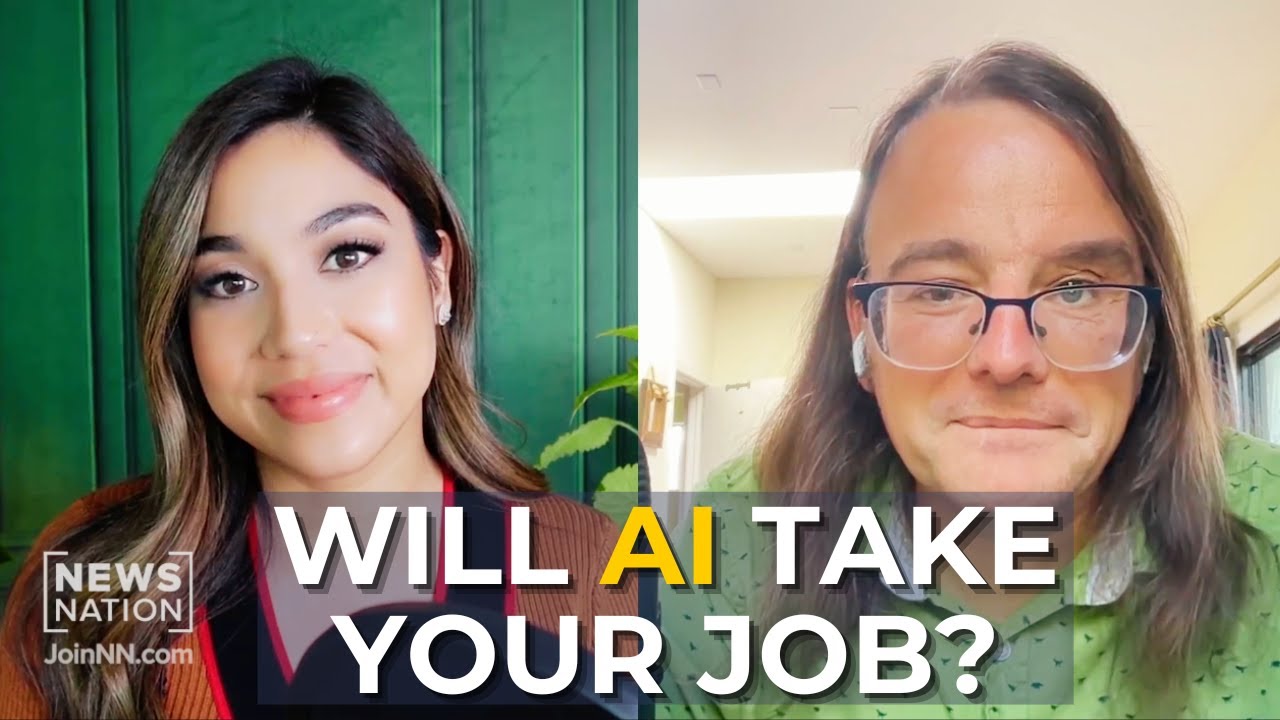
I was interviewed by News Nation’s Natasha Zouves about the very complicated topic of how we should think about AI in terms of threatening our jobs and careers. I previously …
How to talk about "AI" without adding to the anthropomorphization
Emily M. Bender and Nanna Inie In our op-ed for Tech Policy Press ("We Need to Talk About How We Talk About 'AI'"), we made the case against the...
We Need to Talk About How We Talk About 'AI'
We share a responsibility to create and use empowering metaphors rather than misleading language, write Emily M. Bender and Nanna Inie.
Elena Rossini 🌈 (@_elena@mastodon.social)
🚨 New post alert 📝 A deep dive into #WSocial with some fascinating findings: candid statements about their motives, a Greta Thunberg connection, potential AI plans (!!!) Why write about it again? I still had so many questions after publishing my first article. I spent 3 weeks watching every interview I could find and connecting the dots. I hope you'll enjoy this piece: 🔗 : https://blog.elenarossini.com/the-untold-story-about-w-social-unconventional-beginnings-strategic-pitches-conflicting-signals/ #blog #longread #privacy #DataMining #Europe
Amanda Askell on AI Consciousness, Claude & Silicon Valley’s Biggest Fear
How AI agents "radicalized" a top Meta exec into quitting her job
Clara Shih on how AI will soon displace the first few rungs on the career ladder — and why she left Big Tech to do something about it

I Used AI To Surveil Myself At Work. What It Can See Will Disturb You.
Gen Z & AI: Careers, Consciousness & Confessions - EduBirdie.com
Explore Gen Z’s views on AI as a coworker, confidant, and coach. EduBirdie survey reveals insights on job fears, data risks, and digital dependence.

Remarks on AI from NZ
Last week I participated in a panel discussion on AI as part of a private event in New Zealand.
From Bing to Sydney
More on Bing, particularly the Sydney personality undergirding it: interacting with Sydney has made me completely rethink what conversational AI is important for.

Artificial Intelligence in the News: How AI Retools, Rationalizes, and Reshapes Journalism and the Public Arena
<p>Download the pdf here. Executive Summary Despite growing interest, the effects of AI on the news industry and our information environment — the public arena — remain poorly understood. Insufficient attention has also been paid to the implications of the news industry’s dependence on technology companies for AI. Drawing on 134 interviews with news workers […]</p>

AI Policy • States Newsroom
AI Policy States Newsroom is, above all, dedicated to journalism practiced by people. We believe in the power of having on-the-ground reporters covering our communities with the finesse and nuance that only human interaction can produce. We also recognize the power and potential of generative AI. We are open to the responsible and transparent use […]

AI is now unpopular. That may not make a difference.
What AI means for the business of: journalism
The first in an occasional series where we look at the second-order effects of AI on particular industries and roles.
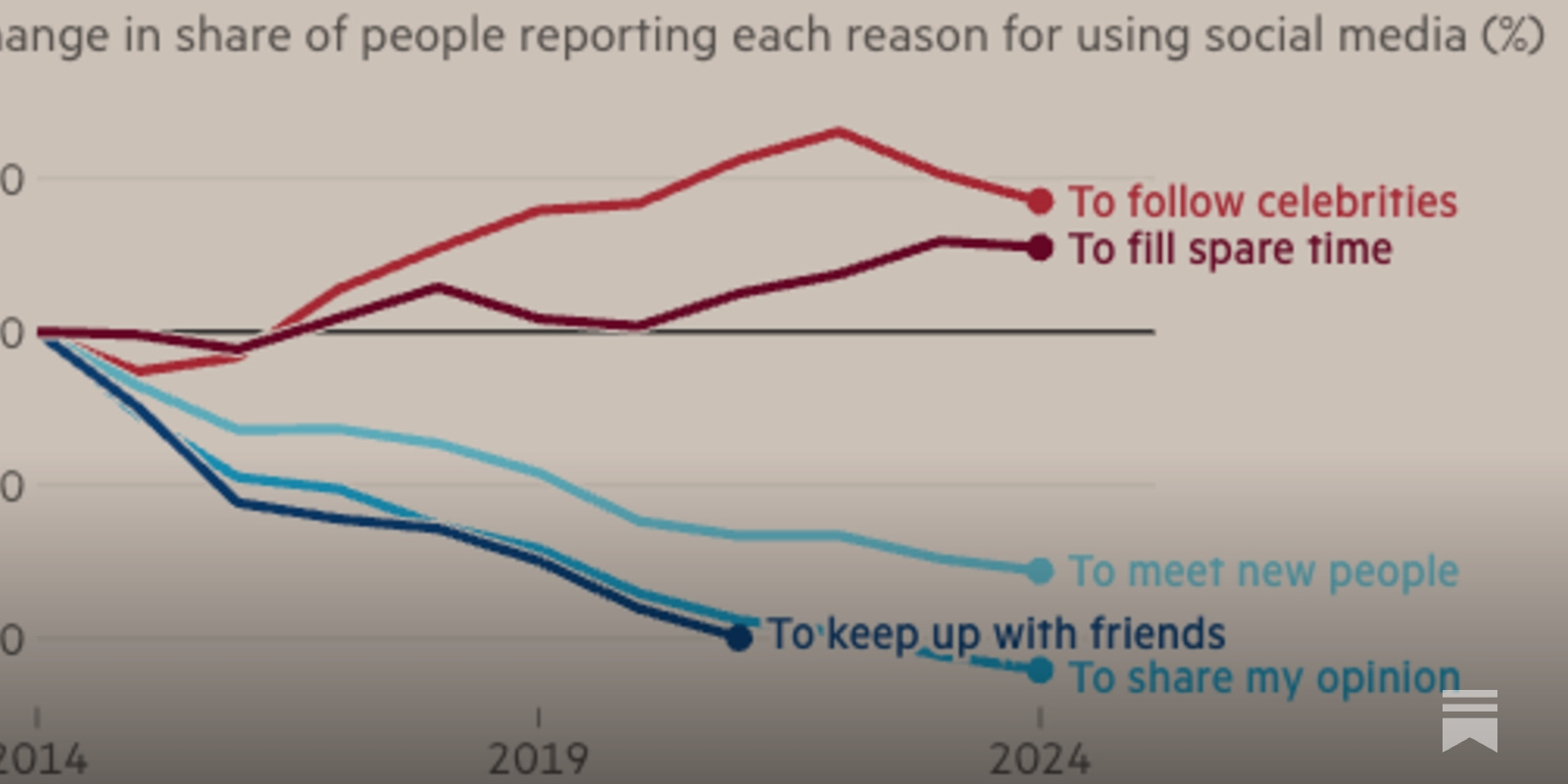
This was a *THRILLING* interview. Cory has so much to say on AI, workers rights, software freedom, and so on. It's refreshing to hear nuanced, realistic views beyond "ai good" and "ai bad". Give it a listen!

Software Engineering Daily
Cory Doctorow is a science fiction author, journalist, and technology activist. He joins @joshuakgoldberg.com to discuss the dynamics between AI, work, and power. @doctorow.pluralistic.net softwareengineeringdaily.com/podcasts/cory-doctorow-on-ai-…
I think it’s telling that people very interested in AI (like Eugene and myself) still have no interest in using it as a proxy for human communication. “Being a good writer” is not the same thing as having social agency, and making the models even better at writing won’t change that.

Eugene Vinitsky 🍒
When you deploy heavily LLM text, you currently have no way to prove that you actually read it and therefore cannot convince me to read it


