

Last week I hinted at a demo I had seen from a team implementing what Dan Shapiro called the Dark Factory level of AI adoption, where no human even looks …
Measuring the Impact of Early-2025 AI on Experienced Open-Source...
Despite widespread adoption, the impact of AI tools on software development in the wild remains understudied. We conduct a randomized controlled trial (RCT) to understand how AI tools at the...

How building software is changing at Anthropic
A deepdive on what’s changed in how the leading AI lab makes software. Ever more code review and testing is done by AI, two-pizza teams very much alive, and more. Details from inside of Anthropic

6 months to live for open models
The most serious test to date of open source AI’s viability is happening right now.
Luozhu on Twitter / X
For AI products, people generally think the intelligence dominates everything, while privacy and cost are seen as secondary. The industry’s path shows this: we’ve spent huge money in leading labs to build the largest models with exceptional intelligence.But I believe we’ve… pic.twitter.com/oobAyk55rh— Luozhu (@LuozhuZhang) September 10, 2025
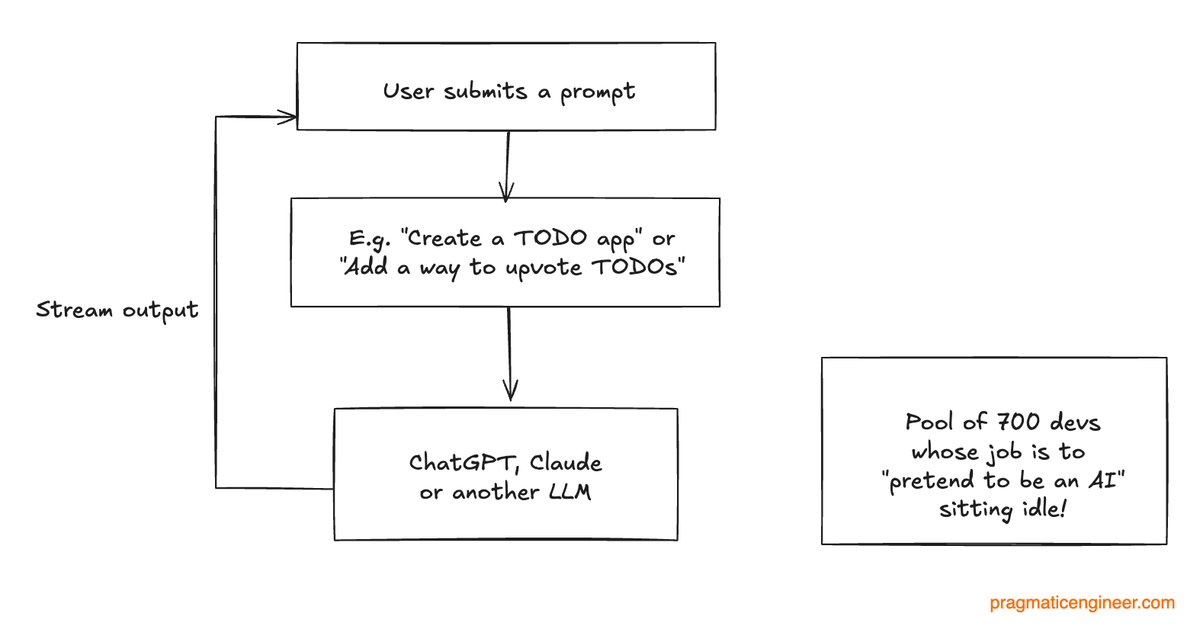
Builder.ai did not “fake AI with 700 engineers”
The claim that the AI startup “faked AI” with hundreds of engineers went viral – and I also fell for it, initially. The reality is much more sobering: Builder.ai built a code generator on top of Claude and other LLMs; it did not build a so-called “Mechanical Turk.”

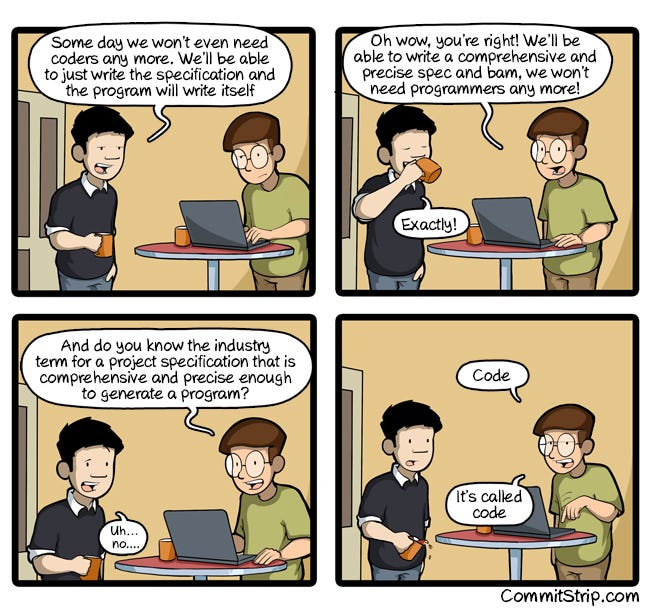
What spec-driven development gets wrong
The most powerful AI software development platform with the industry-leading context engine.

AI Slopageddon and the OSS Maintainers
AI slop is ripping up the social contract between maintainers and contributors essential to open source development. Practitioners have been repeatedly assured that AI would supercharge their communities, but so far that hasn’t been the case. Just look at what happened last month. Mitchell Hashimoto’s Ghostty implemented a zero-tolerance policy where submitting bad AI-generated code

AI's Affordability Crisis
A year ago in The Back Of The AI Envelope I pointed out that the AI platforms were running the drug-dealer's algorithm, "the first one's fr...

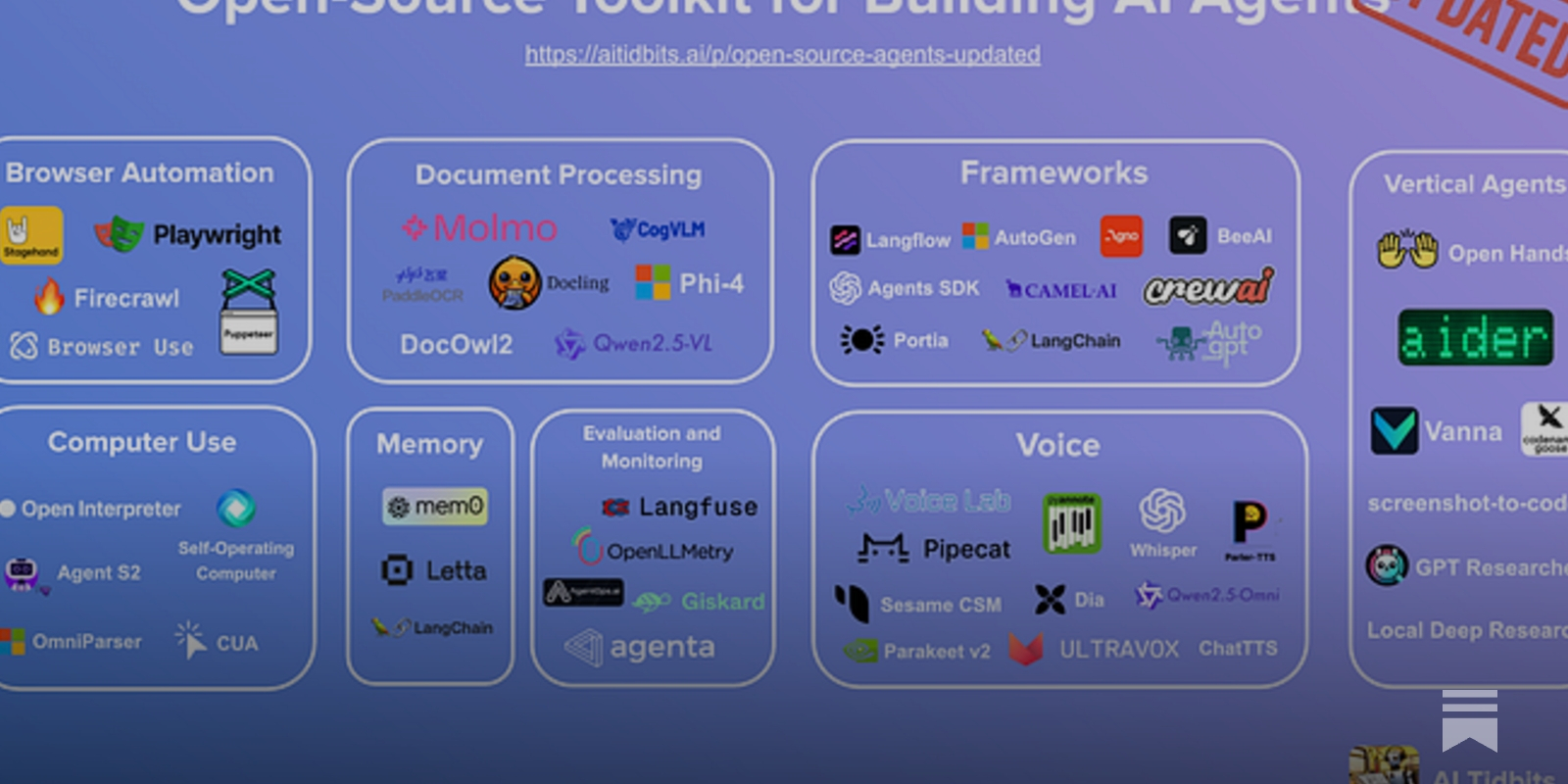
The Open-Source Toolkit for Building AI Agents v2
An opinionated, developer-first guide to building AI agents with real-world impact
The emerging skillset of wielding coding agents — Beyang Liu, Sourcegraph / Amp
The Real Reason We Still Need Software Developers in the World of AI
The dream of AI churning out perfect production-ready code doesn’t hold up against the reality of modern software development.
The Bitter Lesson: Rethinking How We Build AI Systems
The Race for AI Progress In 2019, Richard Sutton, wrote his groundbreaking essay titled ‘The Bitter Lesson’. Simply put, the essay concludes that systems which get better with higher compute beat the systems that do not. Or specifically in AI: raw computing power consistently wins over intricate human-designed solutions. I used to believe that clever orchestrations and sophisticated rules were the key to building better AI systems. That was a typical sofware dev mentality. You build a system, look for edgecases, cover them and you are good to go. Boy, was I wrong.
How we use AI at Stalwart
It is difficult to have a conversation about software in 2026 without AI showing up in it. Two years ago the interesting question was…
Good design hasn’t changed with AI — John Pham, SF Compute