I joined a recording of the Oxide and Friends podcast on Tuesday to talk about 1, 3 and 6 year predictions for the tech industry. This is my second appearance …
My AI/LLM predictions for the next 1, 3 and 6 years, for Oxide and Friends
The Oxide and Friends podcast has an annual tradition of asking guests to share their predictions for the next 1, 3 and 6 years. Here’s 2022, 2023 and 2024. This …
2025: The year in LLMs
This is the third in my annual series reviewing everything that happened in the LLM space over the past 12 months. For previous years see Stuff we figured out about …
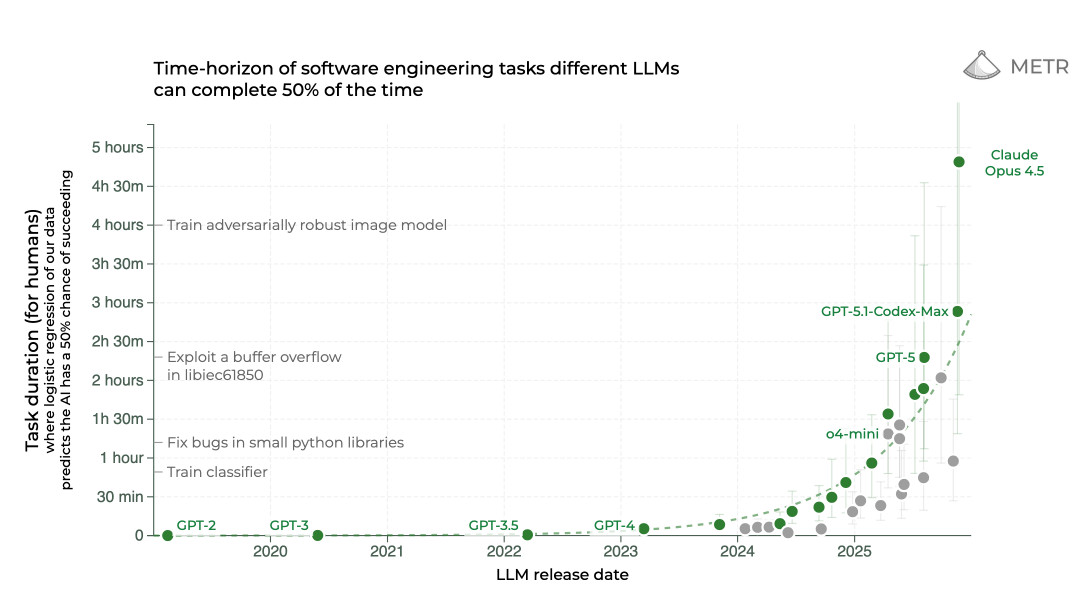
2025: The year in LLMs
This is the third in my annual series reviewing everything that happened in the LLM space over the past 12 months. For previous years see Stuff we figured out about …

Public LLM exceeds superforecaster on Forecast bench by EOY 2026?
41% chance. Resolves to YES if any LLM released in 2026 exceeds the superforecaster baseline on ForecastBench by July 2027. Resolves to NO if this does not happen, or if after January 1, 2027 we have results from enough LLMs (e.g. the leading models from the major AI labs at the time) to be confident this will not occur. If The Forecasting Research Institute tells us how this market should resolve, then we will go with what they say.

John Battelle's Search Blog Predictions 2024: It’s All About The Data
Let’s talk 2024. 2023 was a down year on the predictions front, but at least I’ve learned to sidestep distractions like Trump, crypto, and Musk. If I can avoid talking about the joys of…

My 2026 Open Social Web Predictions - Tim Chambers
Predictions for 2026 include growth forecasts for various social media platforms, advancements in federated technologies, and anticipated shifts in how …
576 - Using LLMs at Oxide | RFD | Oxide
Large language models (LLMs) are an indisputable breakthrough of the last five years, potentially profoundly changing the way that we work. As with any extraordinarily powerful tool, LLM use has both promise and peril — and that they are so general-purpose leaves real questions about how and when they should be used. The landscape is shifting so rapidly that static prescription is unlikely — but that LLMs are evolving so quickly also gives urgency to the question: how should LLMs be used at Oxide?
Andrew Ho on Twitter / X
Not really observations that others before me haven’t made, but:- Despite the seemingly magical nature of LLMs, reflection over a >3 month timescale suggests my total productivity hasn’t increased by over 100%, or perhaps even by over 50%, and a lot of time is actually wasted…— Andrew Ho (@andrewho03) September 3, 2026
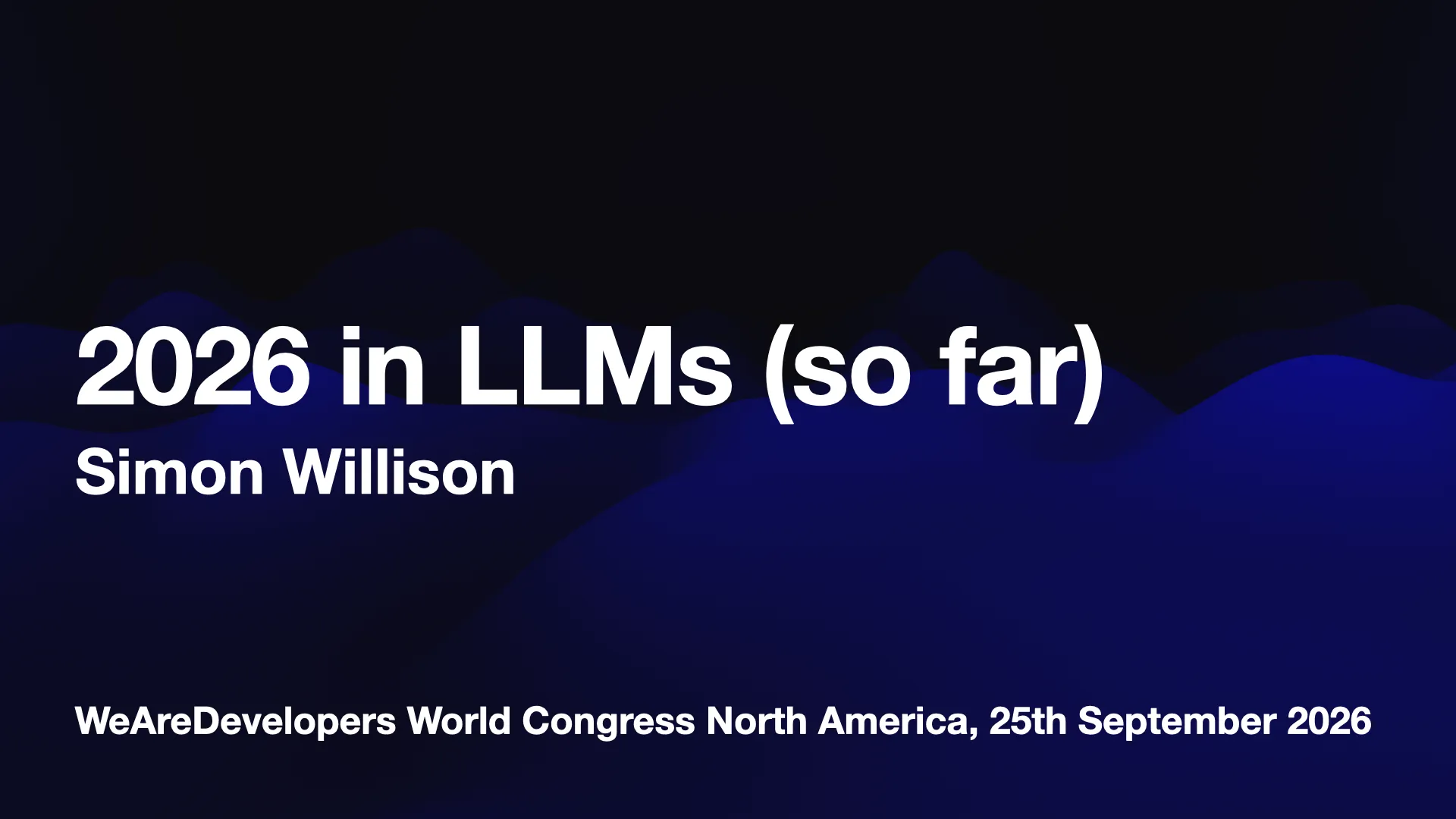
2026 in LLMs (so far)
On Friday I gave the closing keynote at the WeAreDevelopers World Congress North America in San Jose. I tied together the key trends from the past year into a chronological …

What’s new in the world of LLMs, for NICAR 2025
I presented two sessions at the NICAR 2025 data journalism conference this year. The first was this one based on my review of LLMs in 2024, extended by several months …
Dan Shipper 📧 on Twitter / X
this is true and is a big reason why you don’t need to be a highly technical researcher to use LLMs in surprising and novel ways https://t.co/TuxNzXzToU— Dan Shipper 📧 (@danshipper) July 27, 2025
Some ideas for what comes next, May 2026
Gemini Flash 3.5, Mythos, open-closed balance, America's open-source surge, emerging power struggles and more.
Things we learned about LLMs in 2024
A lot has happened in the world of Large Language Models over the course of 2024. Here’s a review of things we figured out about the field in the past …