


TL;DR - The cost of servicing technical debt is plummeting because of LLMs; assuming coding models keep improving. You're better off taking more technical de...
Your Laptop Isn’t Ready for LLMs. That’s About to Change
The quest to run large AI models locally on an individual's machine are driving the biggest change in laptop architecture in decades.

The death of the junior developer
LLMs are putting pressure on junior tech jobs. Learn how to stay ahead.

Best LLM for Coding 2026 | AI Coding Model Rankings & Benchmarks
Which AI model writes the best code? We rank every major LLM — open and closed source — across SWE-bench, HumanEval, LiveCodeBench, and Terminal-Bench coding benchmarks. Compare the best LLMs for coding, software engineering, and programming.

We should rethink how we teach people to code | deadSimpleTech
It's fair to say that the tech industry at the moment is not in a good place. Software engineers tend to be detached, demotivated and unwilling to care much about the work they're doing beyond their paycheck. Code quality is poor on the whole, made worse by the current spate of vibe coding and whatever other febrile ideas come out of Sam Altman's brain. Much of the software that we write is either useless or actively hurts people. And the talented, creative people that we most need in the industry are pushed to the margins of it.

Prompts are technical debt too
It’s common and correct to say that “all code is technical debt”. Adding code is a necessary evil for developing new features: you almost always have to do it, but each line of code adds to the complexity and maintenance burden of the system. All future changes to the system have to work with the existing code, or at least avoid breaking it. Once systems accumulate enough code, they become impossible for a single person to understand: instead of reading the code and understanding what it does, you must rely on guesses, theories and heuristics1. Sensible engineers write as little code as possible.

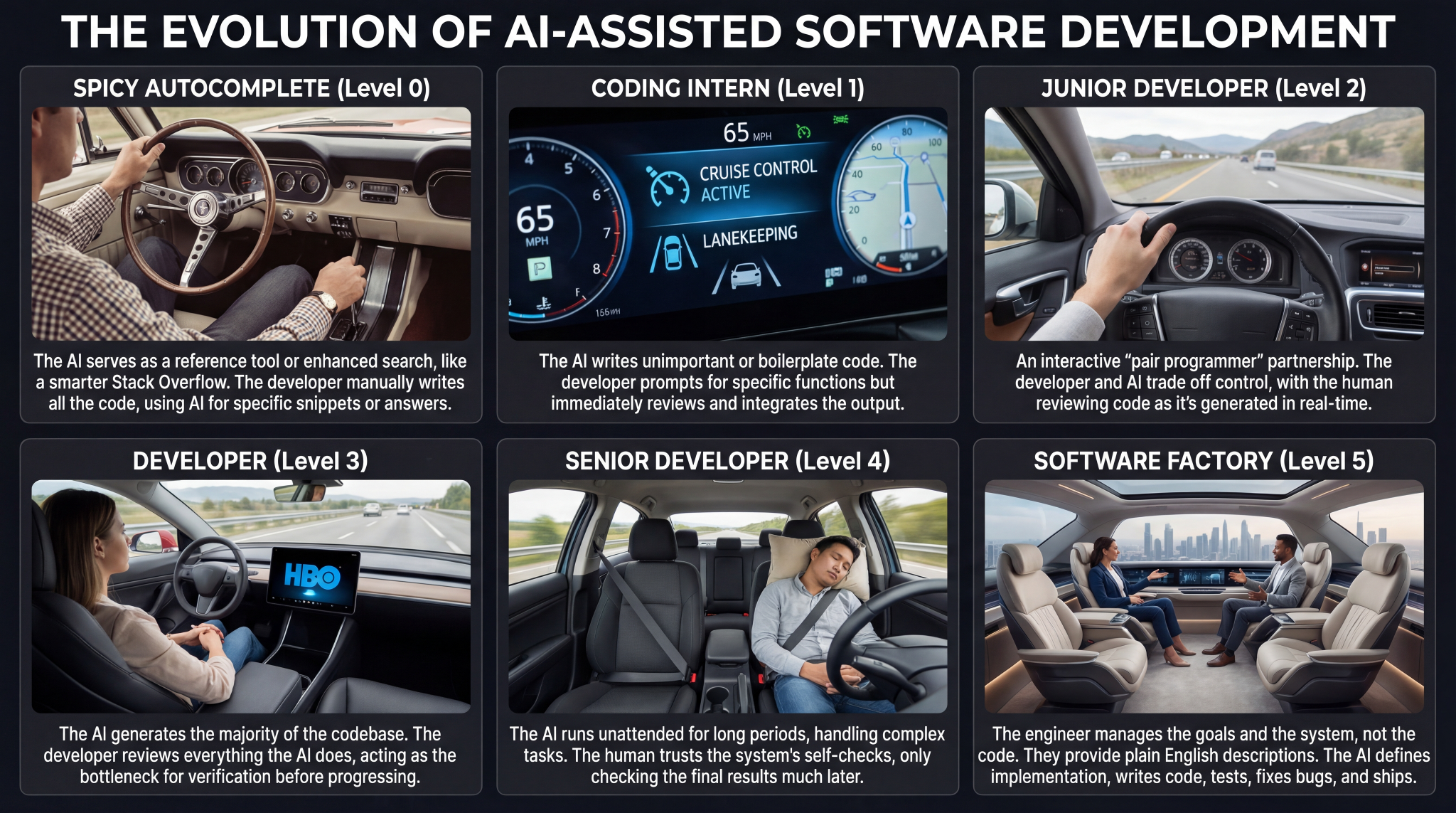
The Five Levels: from Spicy Autocomplete to the Dark Factory – Dan Shapiro's Blog
In my last post, I wrote about technical deflation. We’re seeing the cost of code is dropping so fast that we need to change our tech debt payment plans. The smart teams…
A pocket full of personal software - Bailey's Retrospective
A year-ish spent building software I want, the way I want with *in a low voice* llms
Code Is Cheap Now. Software Isn’t.
The barrier to entry for building software has collapsed. The barrier to building something that matters hasn’t moved an inch.
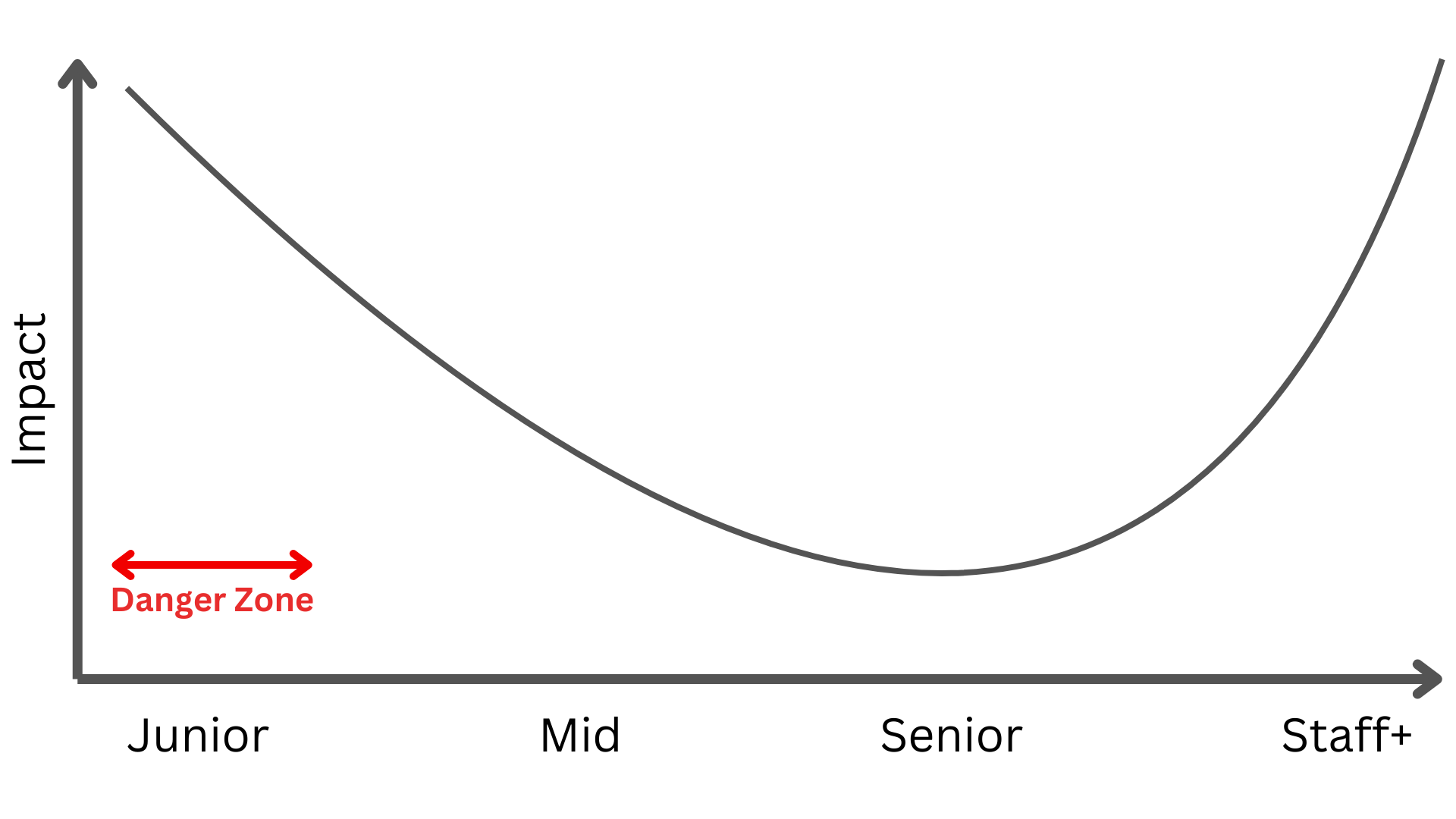
The LLM Curve of Impact on Software Engineers
In this article, I share my personal mental model of how LLMs affect software engineers at different levels, and why this leads to both excitement and scepticism.

You have to beat the models at something
In 2025, I wrote that software engineers ought to be assessed by “value over replacement”: not how much money they made for their company, but how much they…
Comprehension Debt: The Ticking Time Bomb of LLM-Generated Code
Psst. If your boss won’t invest in training you in Specification By Example (BDD, ATDD), I’m running out-of-hours workshops on May 12 and 16 specifically for self-funding learners. £99 + UK VAT. An…

There continue to be reasons for software to be slow
A discussion on the various reasons why performance is slow, and which ones are unlikely to be affected by LLMs. Originally written as a counter-point to Dan Luu
LLMs reward expertise
In the 2010s, if you had technical gaps (say, you couldn’t write CSS), you had to either rely on a skilled colleague or just hope that the answer to your exact problem was out there on the internet. Today, everyone can write sort-of-okay CSS by delegating the task to an LLM. LLMs make everybody into a generalist.
How to keep learning in the age of LLMs | Oğuzhan Olguncu
Notes on how I keep learning as a programmer in the age of LLMs

Technical debt as a lack of understanding
Some time back, I was working on a project where it felt like the timebomb of technical debt was exploding in our faces. We couldn’t refactor the whoositz because of the whatsitz and when we asked about the whatsitz no one knew about the whatsitz and how it exactly worked with the whoositz and there certainly weren’t tests for it. When we notified management they replied, “We’re in a build the plane while flying situation, how can we get this out now without doing a big rewrite?” It was pretty clear how the technical debt had amassed.