This response may be read as a standalone piece, though it will of course be more meaningful if you read the original article first.
Response to commentators on the blind spot: why science cannot ignore human experience
This article contains my response to the commentaries by Mazviita Chirimuuta, Tom Froese, Miriam Kyselo, and Claudia E. Vanney on The Blind Spot: Why Science Cannot Ignore Human Experience (Frank et al., 2024).
Situational awareness
I consider this article to be a form of American propaganda. There are a number of things in here I agree with, or believe may happen, but don't necessarily ...
The "Disability Dongle": Why Silicon Valley Hates Me and you., Sightless Scribbles
A fabulously gay blind author.
Out of Sight; Out of Mind - Ewan’s Blog
Disability did not become fashionable. Disabled people became harder to ignore.
Smart glasses controversy sidelines the benefits for disabled people | Letter
Letters: Guardian readers reflect on the ableism rife in the debate about Ray-Ban Meta eyewear, despite the life-changing difference they can make
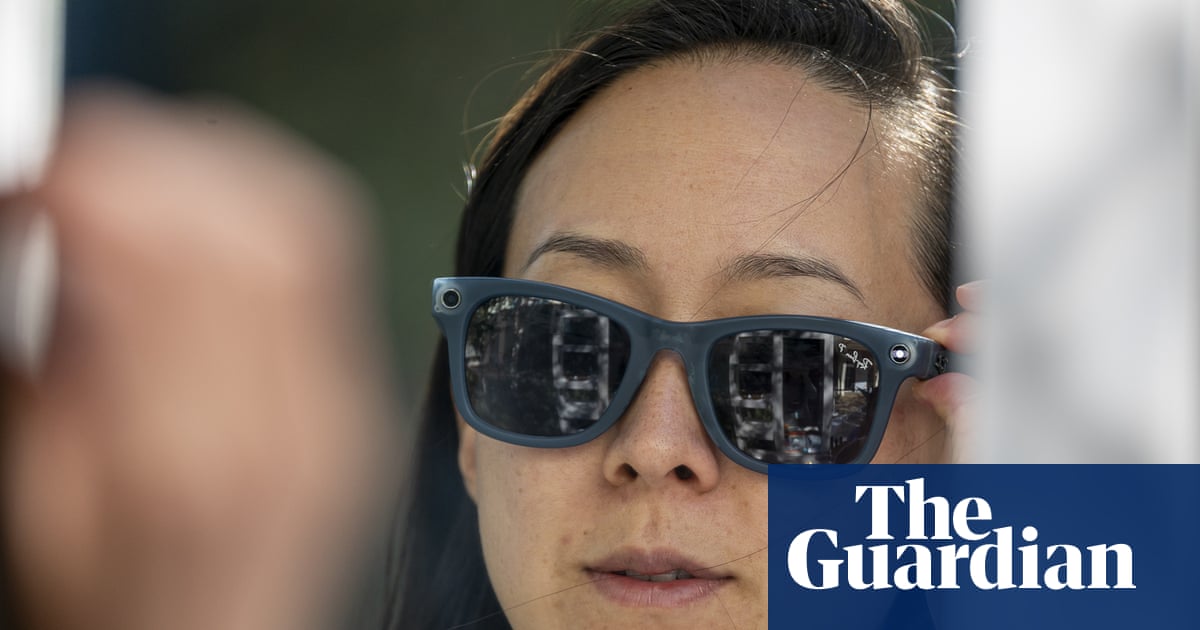
Smart glasses controversy sidelines the benefits for disabled people | Letter
Letters: Guardian readers reflect on the ableism rife in the debate about Ray-Ban Meta eyewear, despite the life-changing difference they can make
Sources on social media: Information context collapse and volume of content as predictors of source blindness - George Pearson, 2021
Although social media has become a primary news platform, the effects of social media features on users’ information processing remains under-explored. This stu...

An Open Letter to Matt Mullenweg on Accessibility in WordPress
October 18, 2026 Dear Mr. Mullenweg, I am writing to you publicly as a blind daily screen reader user, an IAAP Certified Professional in Web Accessibility (CPWA), and the publisher of Blind Access …


Computer Vision Syndrome
In no point in human history have people been staring at bright screens just a few feet from their face like they are today. Computer vision syndrome or CVS (no…
The Colonization of Confidence., Sightless Scribbles
A fabulously gay blind author.
We translated the Palantir manifesto for actual human beings
What happens when an all-seeing eye looks in the mirror?

The Blind All-Seeing Eye of Gamergate
An excerpt from my book Neoreaction a Basilisk: Essays on and Around the Alt-Right One measures a circle starting anywhere, so let’s pick up where we left off. Vox Day, who got in on the ground floor, back when it was still called the Quinnspiracy, begins his description like this, in the firs
Is Meta Using Disabled People to Promote Its Glasses?
AI glasses are a double-edged sword for disabled people, who face unique risks from surveillance.

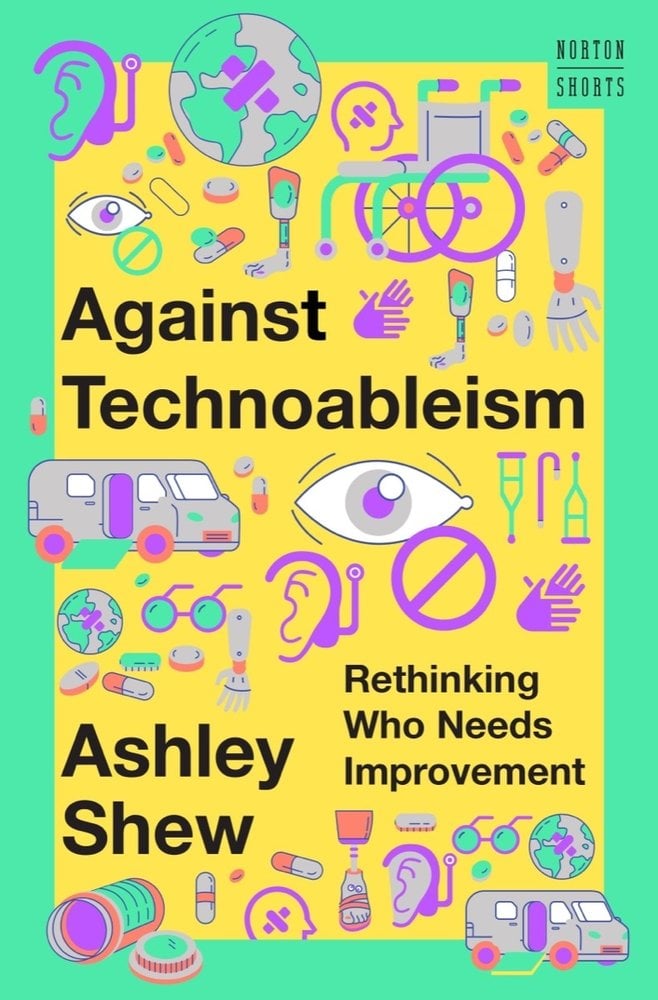
Against Technoableism
When bioethicist and professor Ashley Shew became a self-described "hard-of-hearing chemobrained amputee with Crohn's disease and tinnitus," there was no returning to "normal." Suddenly well-meaning people called her an "inspiration" while grocery shopping or viewed her as a needy recipient of technological wizardry. Most disabled people don't want what the abled assume they want--nor are they generally asked. Almost everyone will experience disability at some point in their lives, yet the abled persistently frame disability as an individual's problem rather than a social one. In a warm, feisty voice and vibrant prose, Shew shows how we can create better narratives and more accessible futures by drawing from the insights of the cross-disability community. To forge a more equitable world, Shew argues that we must eliminate "technoableism"--the harmful belief that technology is a "solution" for disability; that the disabled simply await being "fixed" by technological wizardry; that making society more accessible and equitable is somehow a lesser priority. This badly needed introduction to disability expertise considers mobility devices, medical infrastructure, neurodivergence, and the crucial relationship between disability and race. The future, Shew points out, is surely disabled--whether through changing climate, new diseases, or even through space travel. It's time we looked closely at how we all think about disability technologies and learn to envision disabilities not as liabilities, but as skill sets enabling all of us to navigate a challenging world.