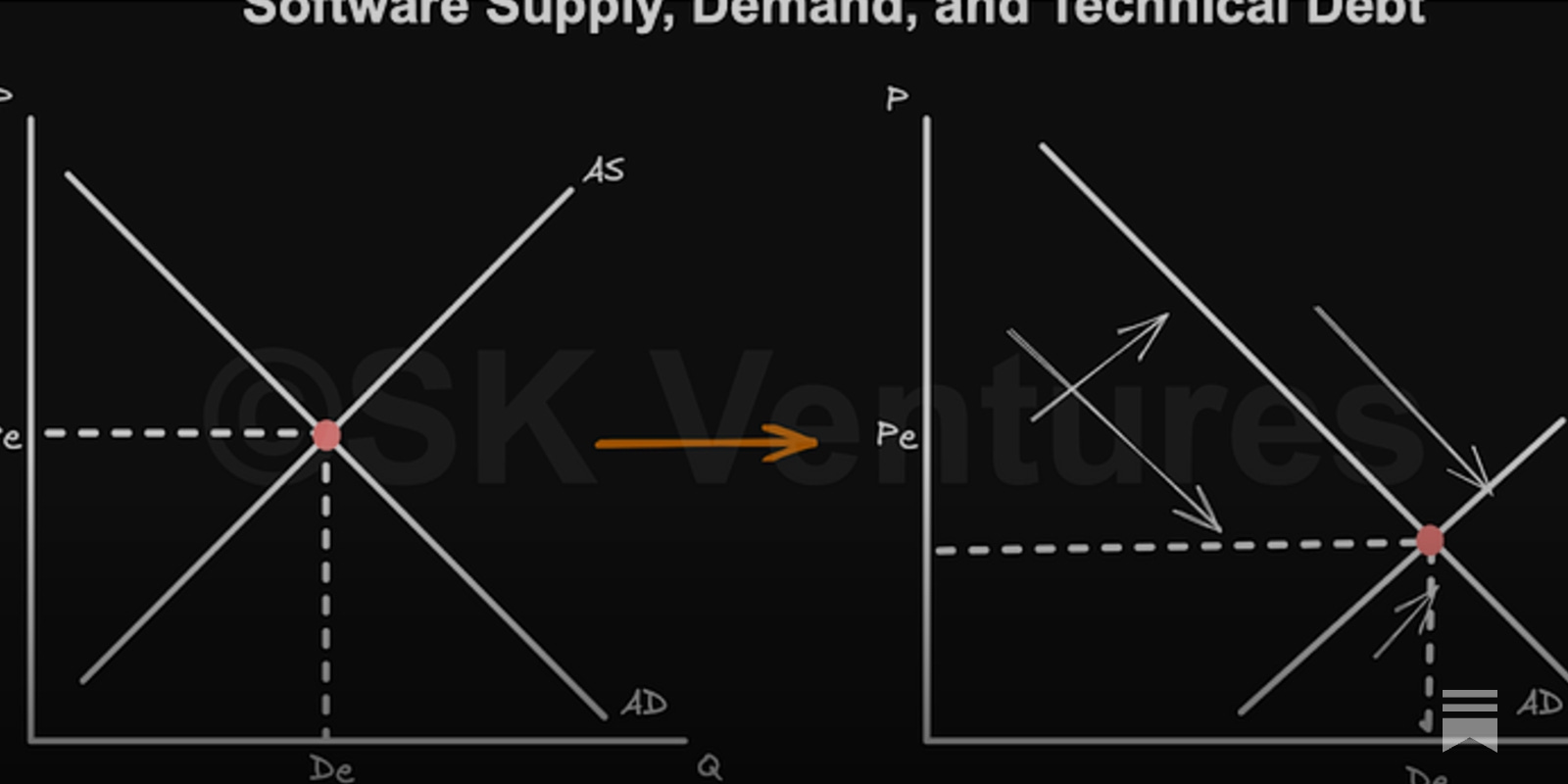
How Generative and Agentic AI Shift Concern from Technical Debt to Cognitive Debt
The term technical debt is often used to refer to the accumulation of design or implementation choices that later make the software harder and more costly to understand, modify, or extend over time...

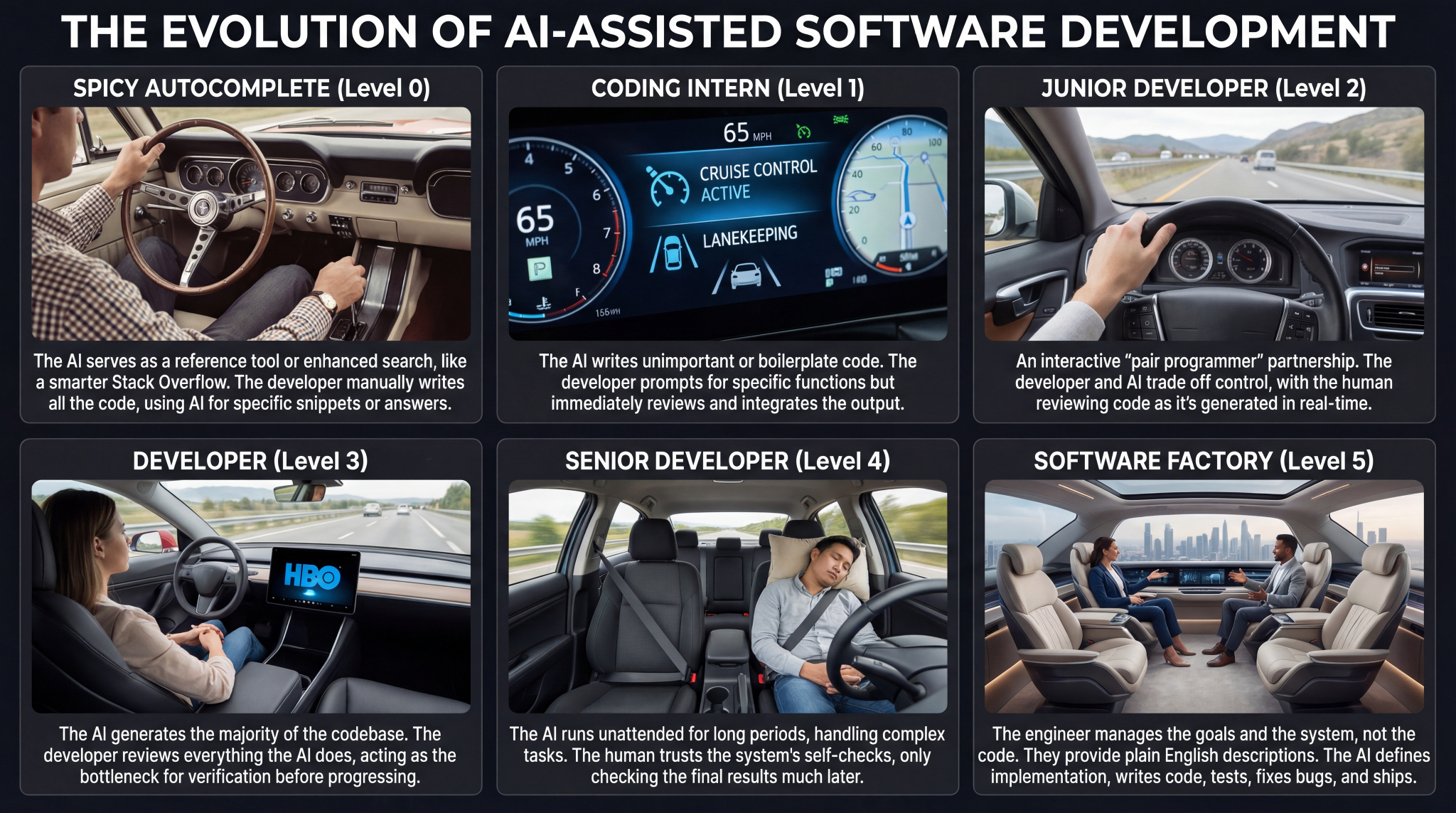
The Five Levels: from Spicy Autocomplete to the Dark Factory – Dan Shapiro's Blog
In my last post, I wrote about technical deflation. We’re seeing the cost of code is dropping so fast that we need to change our tech debt payment plans. The smart teams…
Breaking Smart: How Software is Eating the World
21 essays on the software revolution — how agile, networked approaches are disrupting industries and remaking society. In English, German, and French.

Breaking Smart: How Software is Eating the World
21 essays on the software revolution — how agile, networked approaches are disrupting industries and remaking society. In English, German, and French.
Breaking Smart: How Software is Eating the World
21 essays on the software revolution — how agile, networked approaches are disrupting industries and remaking society. In English, German, and French.
Breaking Smart: How Software is Eating the World
21 essays on the software revolution — how agile, networked approaches are disrupting industries and remaking society. In English, German, and French.
Breaking Smart: How Software is Eating the World
21 essays on the software revolution — how agile, networked approaches are disrupting industries and remaking society. In English, German, and French.
Breaking Smart: How Software is Eating the World
21 essays on the software revolution — how agile, networked approaches are disrupting industries and remaking society. In English, German, and French.
Breaking Smart: How Software is Eating the World
21 essays on the software revolution — how agile, networked approaches are disrupting industries and remaking society. In English, German, and French.
Breaking Smart: How Software is Eating the World
21 essays on the software revolution — how agile, networked approaches are disrupting industries and remaking society. In English, German, and French.
Breaking Smart: How Software is Eating the World
21 essays on the software revolution — how agile, networked approaches are disrupting industries and remaking society. In English, German, and French.
Imagining your future projects is holding you back.
There is no book. There is only Idea Debt.

The Evolution of Software
Last week Chris Paik published a Google Doc titled, The End of Software, where he articulates the lowering cost of software development and potential implications. He ends the piece with a provocative statement: "Majoring in computer science today will be like majoring in journalism in the late...

Investors dump data centre bonds as AI borrowers face ‘Darwin moment’
Debt issued by AI infrastructure providers and neocloud companies such as CoreWeave has sunk to increasingly stressed levels

Prompts are technical debt too
It’s common and correct to say that “all code is technical debt”. Adding code is a necessary evil for developing new features: you almost always have to do it, but each line of code adds to the complexity and maintenance burden of the system. All future changes to the system have to work with the existing code, or at least avoid breaking it. Once systems accumulate enough code, they become impossible for a single person to understand: instead of reading the code and understanding what it does, you must rely on guesses, theories and heuristics1. Sensible engineers write as little code as possible.