Forget War and Peace—nothing could be as uninteresting as 99 percent of the stuff people post online.
How to fight lies, tricks, and chaos online
A guide to slowing down and reading up on internet news

Reading Wars
Read online or download for free Reading Wars explores heated, even murderous, political struggles over who gets to read and what they get to read. Those conflicts, once again in the news, stretch back centuries. In this book, Don Herzog examines the history and politics of anxieties about readers and reading, spanning both the United States and Britain, from the 1500s right up to contemporary battles over banning library books and freedom of speech. In these pages, Herzog deftly interweaves episodes from Reformation England, when first Catholics and then Protestants cracked down on unsupervised Bible-reading, with the deadly campaigns in pre-Civil War America to keep black people – both free and enslaved – illiterate. Drawing on a wealth of primary sources, he reconstructs arguments insisting that ordinary men and women could not be trusted to read what they liked – indeed, that some of them ought not read at all. And he charts struggles to promote literacy. Herzog argues that at stake in these battles is whether some people – those banned from reading – are perceived as not fully human, or lesser persons than others. The radical campaign to let more or less everyone read more or less everything is ultimately, therefore, a campaign for equality. Click here to read praise for Reading Wars "In characteristically engaging and straight-forward language Don Herzog explores the debates past and present, largely in Britain and America, about whether or not to suppress reading. By taking seriously the arguments for suppressing or restricting books and their readers, Herzog suggests that those arguments turn on the claim that for some people reading is dangerous. This assumption, Herzog compellingly argues, ignores the fact that literacy is largely a social activity. In Reading Wars, Herzog develops a powerful liberal argument for literacy and reading. An argument, Herzog shows, that has incompletely triumphed." — Steve Pincus, Thomas Donnelly Professor of History, University of Chicago "Knowledge is power - which is why efforts to acquire knowledge through reading have been outlawed, suppressed through violence, and remain targets today. Don Herzog's Reading Wars tells the astonishing history behind the wars on reading in a readable, clever style, underscoring the stakes of many of the current fights over censorship and book bans." — Leah Litman, cohost of the podcast Strict Scrutiny and New York Times bestselling author of Lawless "A rich yet accessible introduction to the many ways in which society has attempted to restrict reading materials throughout British and United States history. Equal parts illuminating and horrifying, it lays the groundwork for the 21st century’s own shameful dabbles with censorship through its careful consideration of the key concerns and prejudices that structure each generation’s literacy battles." — Alison Hicks, Associate Professor in Library and Information Studies, UCL "Political theory, historical sense, worrisome texts, unheralded documents, and great storytelling join forces in Herzog’s virtuoso investigation of the brutal fighting over who gets to learn to read (and what) in early and late modern America and Britain. The bloodshed may have lessened, but we are still fighting, and Herzog shows the deeper stakes involved in reading’s relation to equality and personhood." — Mary G Dietz, John Evans Professor Emerita of Political Theory, Northwestern University , Reading Wars explores heated, even murderous, political struggles over who gets to read and what they get to read. Don Herzog examines the history and politics of anxieties about readers and reading, spanning the United States and Britain, from the 1500s right up to contemporary battles over banning library books and freedom of speech.

the chronically online will become a new underclass
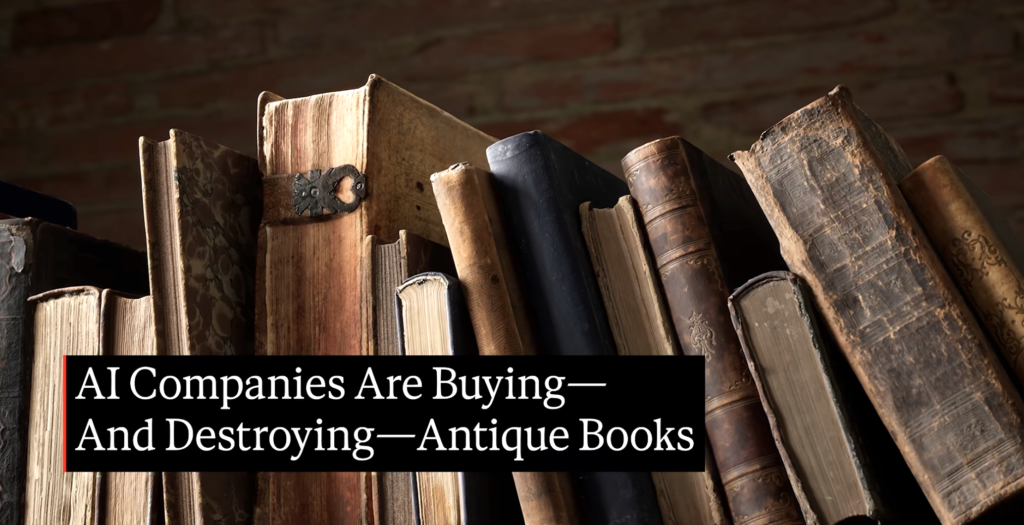
Why AI Companies Are Buying—And Then Destroying—Old Books
We've long joked about delaying bedtime in order to read the entire internet, but the prospect of actually doing so doesn't sound as appealing as it used to. An ever-growing proportion of text online, we may sense, hasn't been written by humans, but generated by artificial intelligence.
Your E-Book Is Reading You
Digital-book publishers and retailers now know more about their readers than ever before. How that's changing the experience of reading.

Your E-Book Is Reading You
Digital-book publishers and retailers now know more about their readers than ever before. How that's changing the experience of reading.
Beyond the Dark Forest Theory of the Internet
Re-learning how to be yourself online

The "End of Reading" Panic Is Missing the Real Problem
Critical Ignoring as a Core Competence for Digital Citizens
Low-quality and misleading information online can hijack people’s attention, often by evoking curiosity, outrage, or anger. Resisting certain types of information and actors online requires people to adopt new mental habits that help them avoid being tempted by attention-grabbing and potentially harmful content. We argue that digital information literacy must include the competence of critical ignoring—choosing what to ignore and where to invest one’s limited attentional capacities. We review three types of cognitive strategies for implementing critical ignoring: self-nudging, in which one ignores temptations by removing them from one’s digital environments; lateral reading, in which one vets information by leaving the source and verifying its credibility elsewhere online; and the do-not-feed-the-trolls heuristic, which advises one to not reward malicious actors with attention. We argue that these strategies implementing critical ignoring should be part of school curricula on digital information literacy. Teaching the competence of critical ignoring requires a paradigm shift in educators’ thinking, from a sole focus on the power and promise of paying close attention to an additional emphasis on the power of ignoring. Encouraging students and other online users to embrace critical ignoring can empower them to shield themselves from the excesses, traps, and information disorders of today’s attention economy.

Starting Your Day on the Internet Is Damaging Your Brain
I’ve said before the first 3 hours of your day can dictate how your life turns out. And this often begins with the very first thing that…

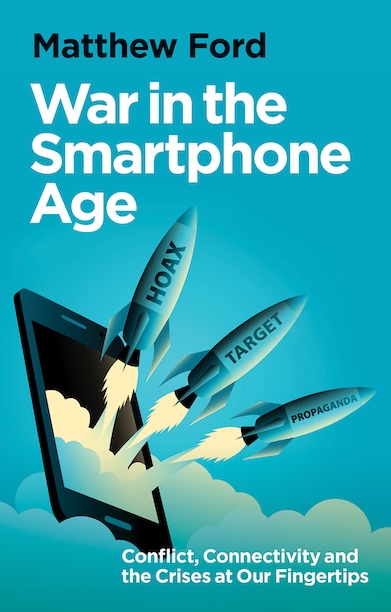
War in the Smartphone Age | Hurst Publishers
An essential guide to understanding war and information on today’s data-saturated battlefields—from Ukraine to Gaza and beyond.
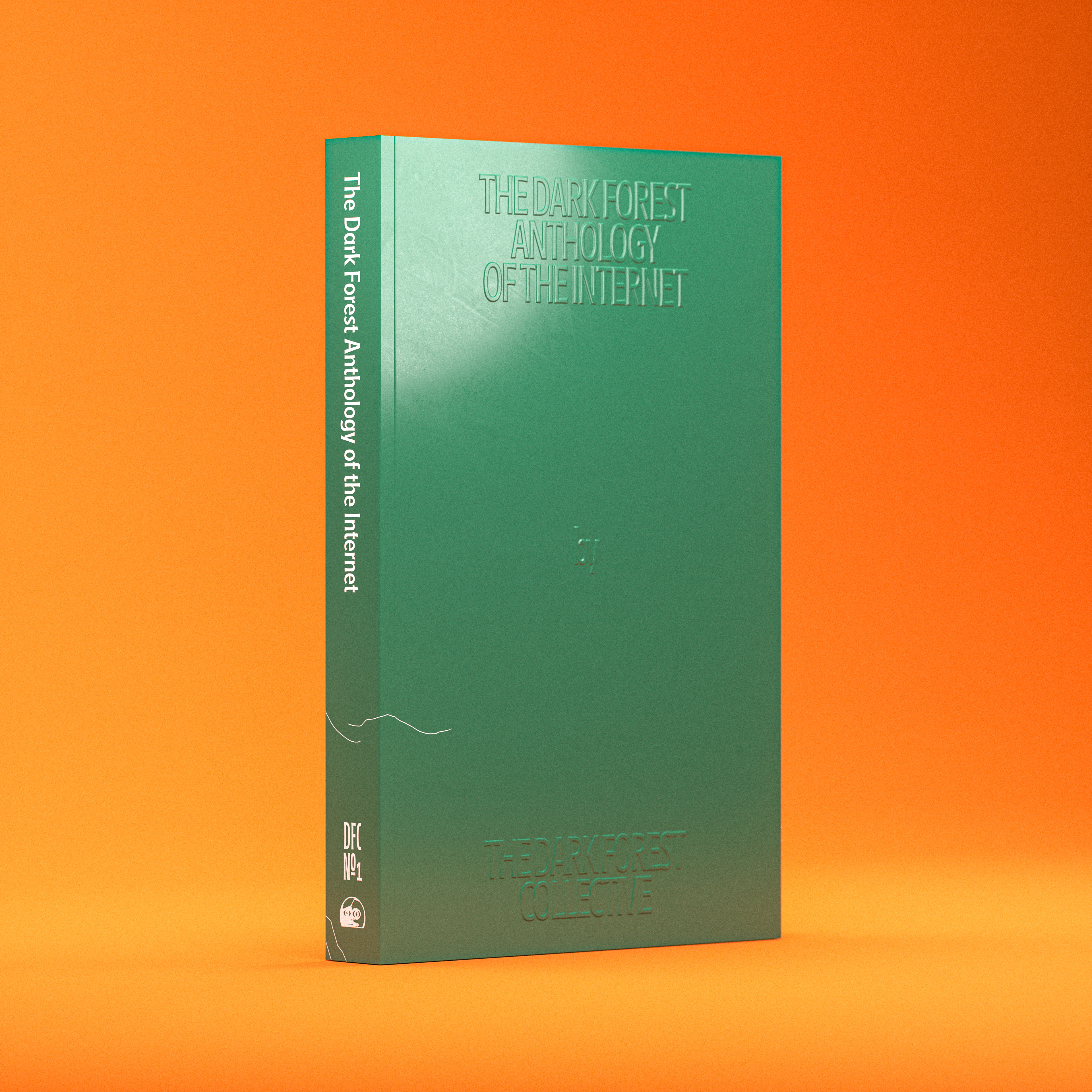
The Dark Forest Anthology of the Internet
A book about how to survive on the internet. It’s about the cozy web, the dark web, the dark forest, the clear net, the dark net, and a new social world emerging around us. This is the Dark Forest Anthology of the Internet.
The Internet is for Extremism
How MrBeast explains why everything online is going insane