

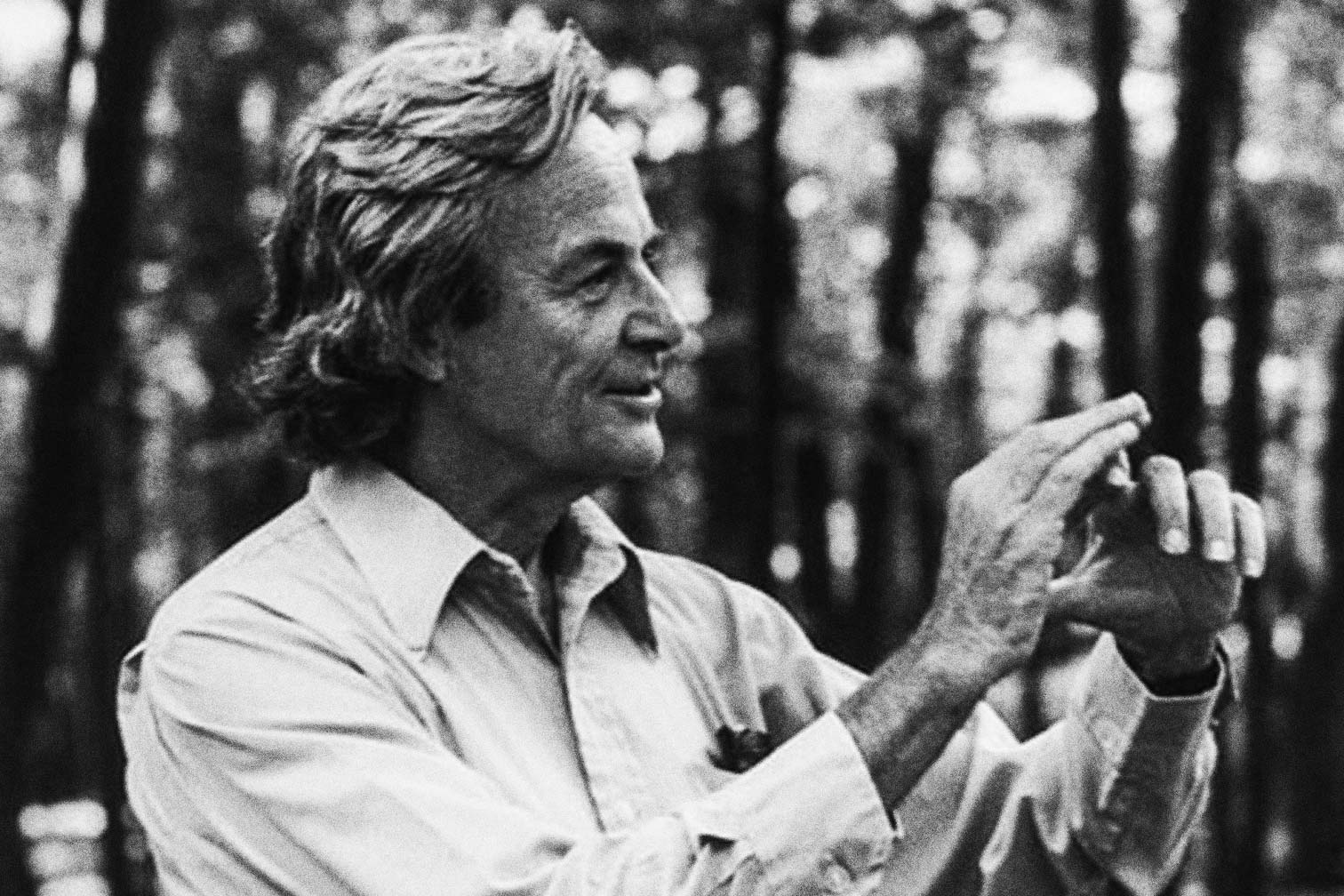
He was my hero as an undergrad studying science.
If you can’t explain something in simple terms, you don’t understand it
In the early 1960s, Richard Feynman gave a series of undergraduate lectures that were collected into a book called the Feynman Lectures on Physics. Absent from

Paul Feyerabend
Paul Feyerabend (b.1924, d.1994), having studied science at theUniversity of Vienna, moved into philosophy for his doctoral thesis,made a name for himself both as an expositor and (later) as a critic ofKarl Popper's “critical rationalism”, and went on to becomeone of the twentieth century's most famous philosophers of science. Animaginative maverick, he became a critic of philosophy of scienceitself, particularly of “rationalist” attempts to lay downor discover rules of scientific method.
Interview of Rhett Jones, former Alpha School student (class of ‘24)
“Personally, I love being a lab rat. Most kids are fine being a lab rat, right?”
Ernst Chladni
Ernst Florens Friedrich Chladni was a German physicist and musician. His most important work, for which he is sometimes labeled the father of acoustics, included research on vibrating plates and the calculation of the speed of sound for different gases. He also undertook pioneering work in the study of meteorites and is regarded by some as the father of meteoritics.

Investigation finds ‘egregious misconduct’ by CUNY scientist
In a report shared with Science in October 2023, a committee investigating allegations of misconduct by Dr. Hoau-Yan Wang, a professor at the City College of New York (CCNY, which falls under the C…

In Memoriam: Michel Baranger — New England Complex Systems Institute
Today I learned of the passing of a great physicist, friend and colleague, Michel Baranger. Professor in the MIT physics department, Michel was a student of the great physicists Hans Bethe and Richard Feynman and an important contributor to theoretical nuclear physics and quantum chaos. Michel was also a modest person and a pleasure to interact with. Our association began when he attended as a student my first course on complex systems at Boston University in the early 1990s. He honored me by calling me his teacher. He was a founding member of the NECSI board of directors serving long after he moved in retirement to Arizona. With his postdoc, long since a professor, Marcus d’Aguiar, we worked together on fundamental ideas about complex systems as well as applications to evolutionary biology. Michel's engagement with research was ever a process of building a deep understanding, focusing on key ideas, and the way we can frame them mathematically. I would pick out two papers of his to mention. The first provides a mind broadening perspective on how chaos revolutionizes traditional physics thinking, the second shows how we can use chaos to understand a key paradox of traditional physics, the way systems go toward equilibrium. Despite ill health in recent years he continued to visit us in Boston and engage in research, some of which will never be completed. We will miss him.

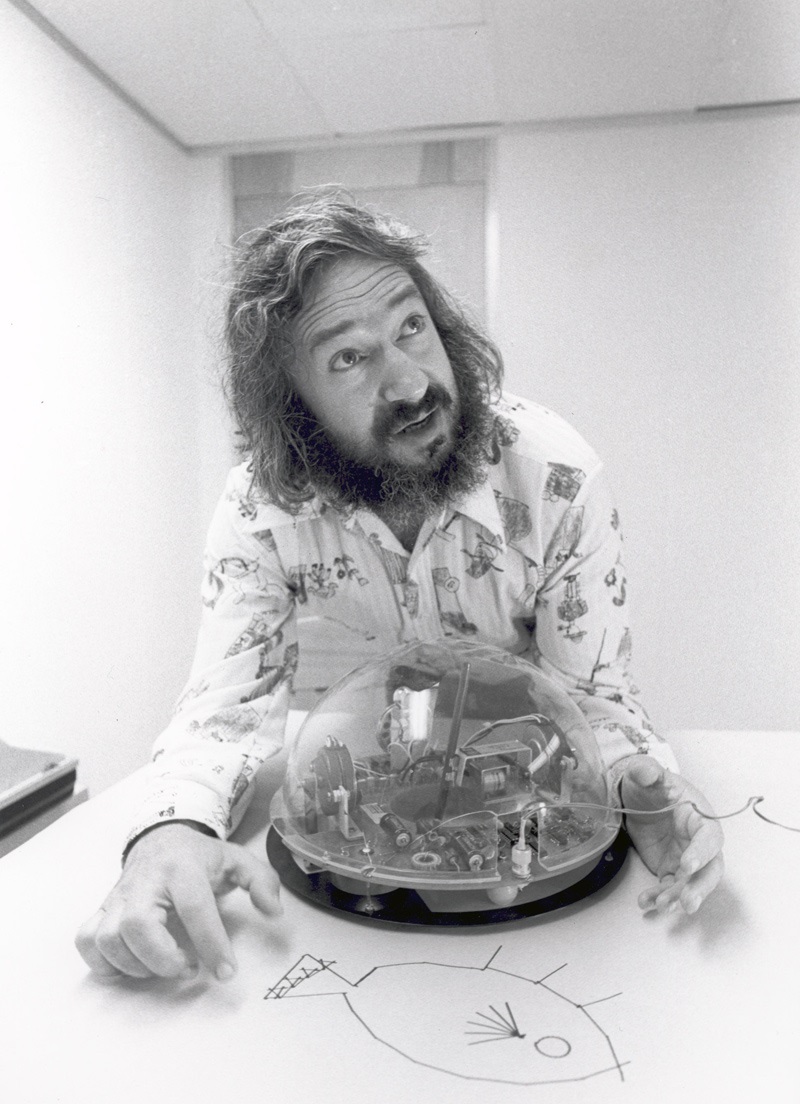
Seymour Papert
Seymour Aubrey Papert was a South African-born American mathematician, computer scientist, and educator, who spent most of his career teaching and researching at the Massachusetts Institute of Technology. He was one of the pioneers of artificial intelligence, and of the constructionist movement in education. He was co-inventor, with Wally Feurzeig and Cynthia Solomon, of the Logo programming language.
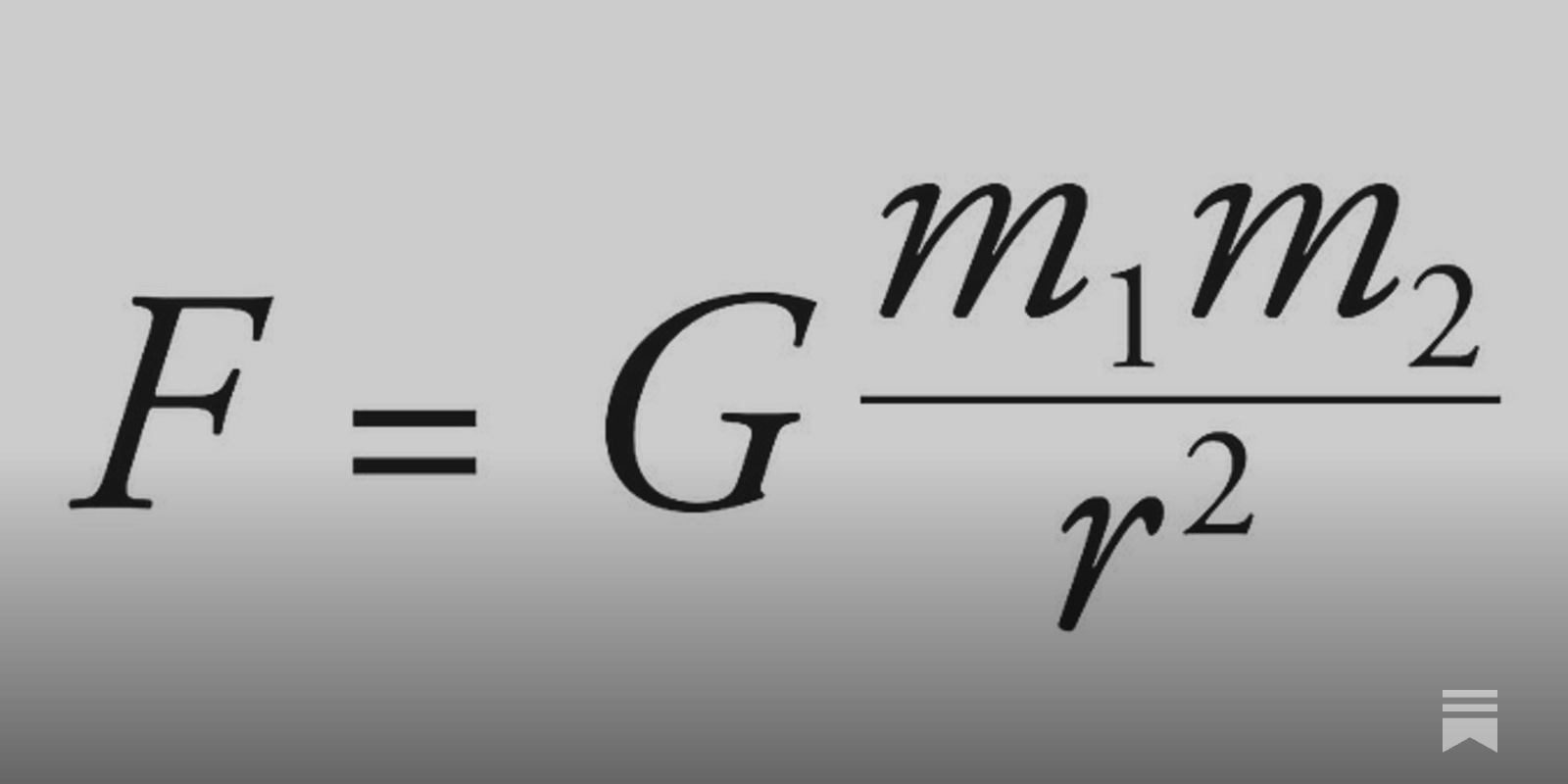
Newton's "Absurdity"
A look at the history of scientific progress through an often unused perspective: the people that actually lived it.
Accessibility of the Scala Compiler
In 2001, as a university undergraduate, a friend and I were lucky enough to get the opportunity to meet the physicist Stephen Hawking at a small private reception after he gave a public lecture in Cambridge.

Misbehaving: the making of behavioral economics
Nobel laureate Richard H. Thaler has spent his career s…

The Young Billionaire Behind the War on Bad Science
Meet the former Enron trader and hedge fund founder who's on a quest to expose bad science
The Journal of Scientific Integrity
by Laura Luebbert and Lior Pachter Background (by LL) Four years ago, during the first year of my PhD at Caltech, I participated in a journal club organized by the lab I was rotating in. I was assi…

The Anti-Intellectualism of Silicon Valley Elites
I recently re-read Richard Hofstadter's Anti-Intellectualism in American Life, and now every time a reactionary Silicon Valley billionaire opens his mouth, I think about it. So I wrote about it for The Nation. Here's the column: On Instagram, there’s an activist named Brian Patrick (@pano.

How Elon Musk Went from Superhero to Supervillain
Walter Isaacson’s new biography depicts a man who wields more power than almost any other person on the planet but seems estranged from humanity itself.
The world’s most influential economist is oddly unconvincing
Daron Acemoglu is revered. Why?

Have you seen Carl Wieman work - amazon.com/dp/9815352199 (presentation here covers the key points - bpb-us-e1.wpmucdn.com/blogs.cornell.edu/dist/d/1022…)

How to Learn to Think like a Skilled Engineer or Scientist and How to Teach It
www.amazon.com