


I. Vox asks What Went Wrong With The Media’s Coronavirus Coverage? They conclude that the media needs to be better at “not just saying what we do know, but what we don’t know”. This rai…
I spent a weekend at Google talking with nerds about charity. I came away … worried.
Vox is a general interest news site for the 21st century. Its mission: to help everyone understand our complicated world, so that we can all help shape it. In text, video and audio, our reporters explain politics, policy, world affairs, technology, culture, science, the climate crisis, money, health and everything else that matters. Our goal is to ensure that everyone, regardless of income or status, can access accurate information that empowers them.

The Fate of the News in the Age of the Coronavirus
Can a fragile media ecosystem survive the pandemic?

Donald Trump’s ideology of violence
Vox is a general interest news site for the 21st century. Its mission: to help everyone understand our complicated world, so that we can all help shape it. In text, video and audio, our reporters explain politics, policy, world affairs, technology, culture, science, the climate crisis, money, health and everything else that matters. Our goal is to ensure that everyone, regardless of income or status, can access accurate information that empowers them.

What if failure is the plan? | danah boyd | apophenia
I’ve been thinking a lot about failure lately. Failure comes in many forms, but I’m especially interested in situations in which people *perceive* something as failing (or about to fail) and the contestations over failure that often arise in such situations. Given this, it’s hard not to be fascinated by all that’s unfolding around Twitter. At this point in the story of Musk’s takeover, there’s a spectrum of perspectives about Twitter’s pending doom (or lack thereof). But there’s more to failure than the binary question of “will Twitter fail or won’t it?” Here’s some thoughts on how I’m thinking about the failure question…
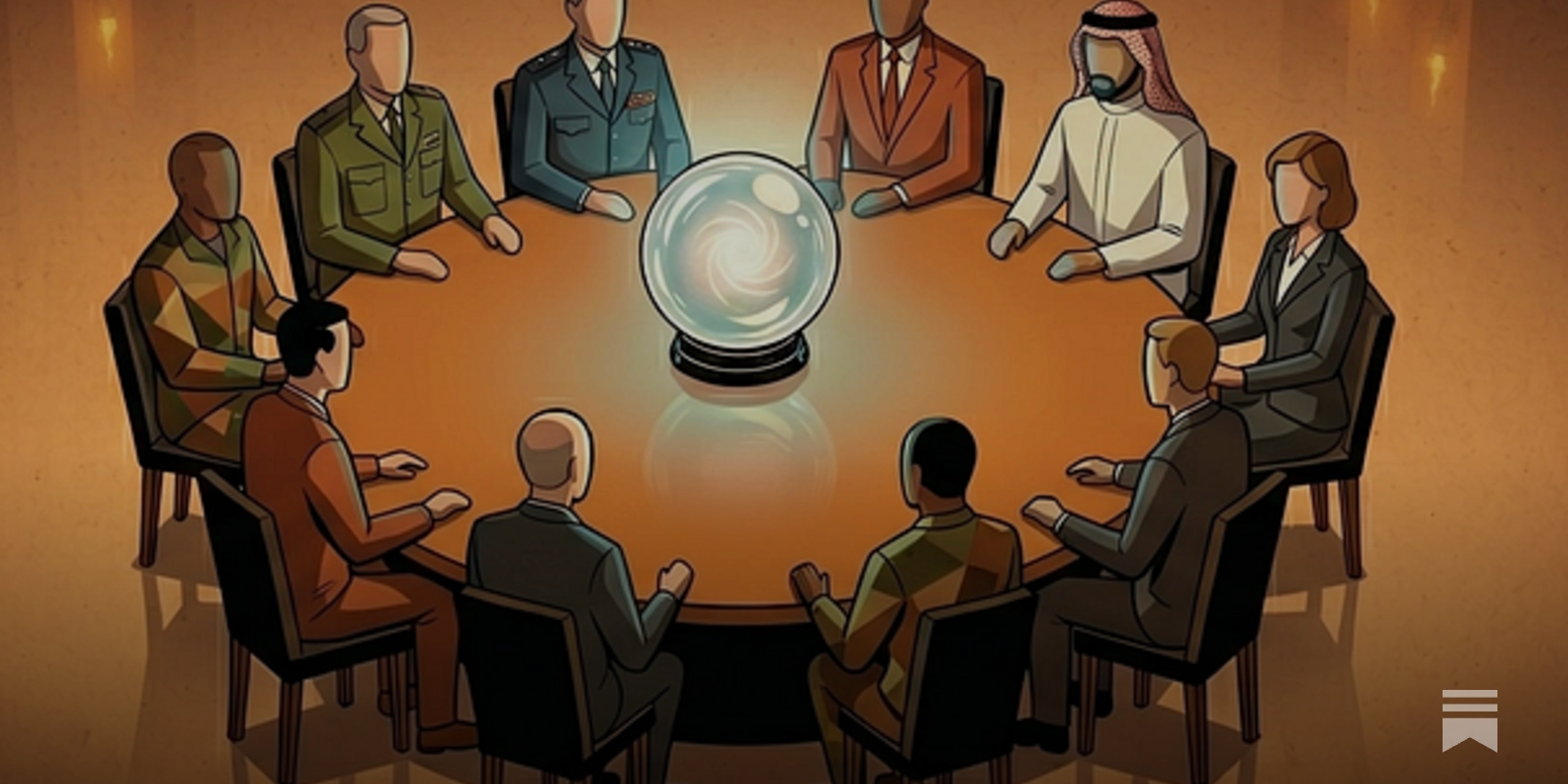
The Expert Trap and the Next War
what forecasting failure tells us about the future
Howtown
The alt-right is more than warmed-over white supremacy. It’s that, but way way weirder.
Vox is a general interest news site for the 21st century. Its mission: to help everyone understand our complicated world, so that we can all help shape it. In text, video and audio, our reporters explain politics, policy, world affairs, technology, culture, science, the climate crisis, money, health and everything else that matters. Our goal is to ensure that everyone, regardless of income or status, can access accurate information that empowers them.


Valerio Capraro on Twitter / X
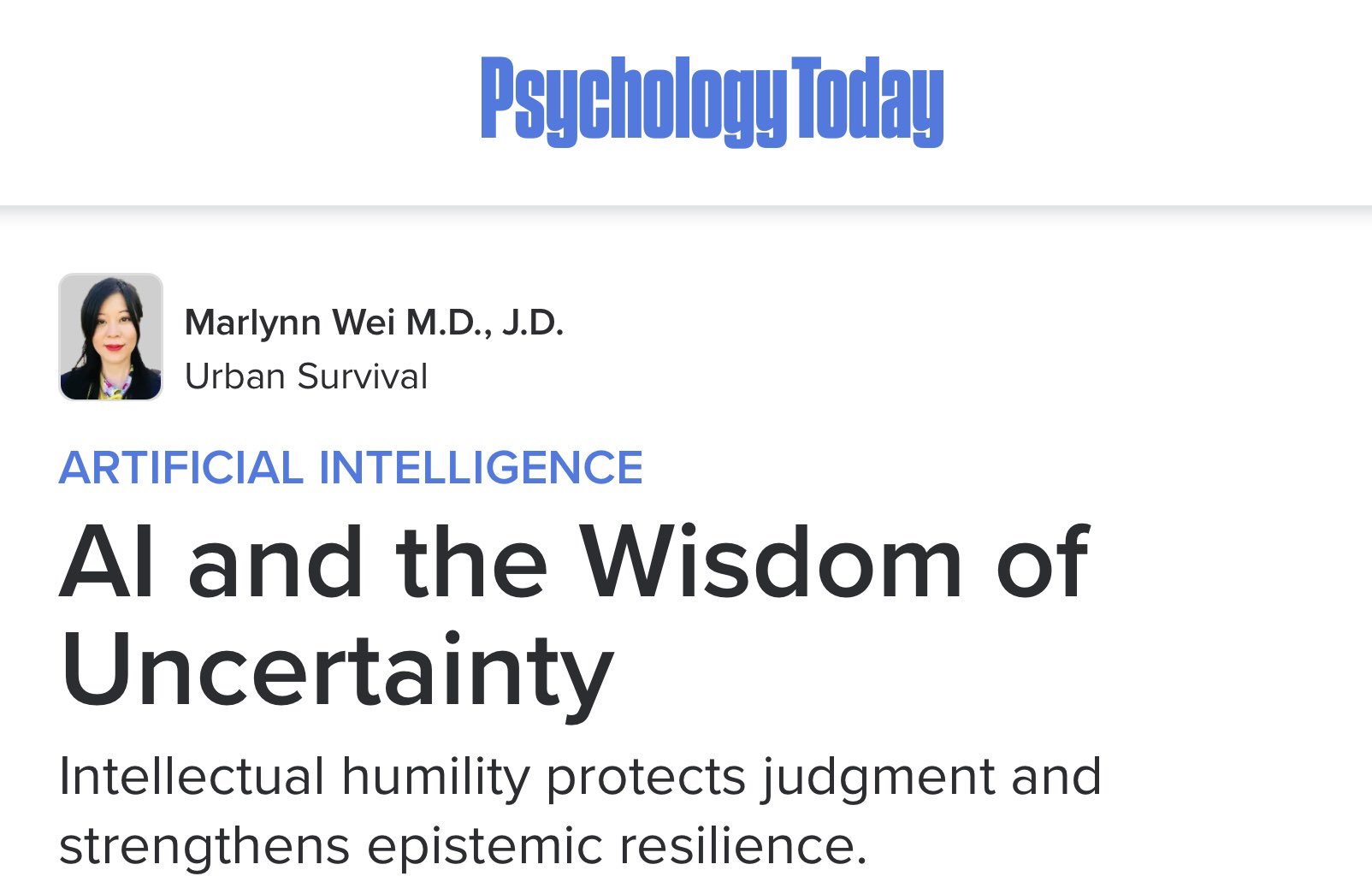
Our new paper shows that AI destroys the wisdom of uncertainty.The willingness to say “I don’t know” collapses from 44% to 3%.This happens even when the AI’s advice is wrong. Consequently, correct answers fall from 27% to 9%.Yes: some people who would otherwise answer… pic.twitter.com/l0YZ75IFHn— Valerio Capraro (@ValerioCapraro) August 10, 2026
Littlewood’s Law and the Global Media
Selection effects in media become increasingly strong as populations and media increase, meaning that rare datapoints driven by unusual processes such as the mentally ill or hoaxers are increasingly unreliable as evidence of anything at all and must be ignored. At scale, anything that can happen will happen a small but nonzero times.

Why the backfire effect does not explain the durability of political misperceptions
Previous research indicated that corrective information can sometimes provoke a so-called “backfire effect” in which respondents more strongly endorsed a misperception about a controversial political or scientific issue when their beliefs or predispositions were challenged. I show how subsequent research and media coverage seized on this finding, distorting its generality and exaggerating its role relative to other factors in explaining the durability of political misperceptions. To the contrary, an emerging research consensus finds that corrective information is typically at least somewhat effective at increasing belief accuracy when received by respondents. However, the research that I review suggests that the accuracy-increasing effects of corrective information like fact checks often do not last or accumulate; instead, they frequently seem to decay or be overwhelmed by cues from elites and the media promoting more congenial but less accurate claims. As a result, misperceptions typically persist in public opinion for years after they have been debunked. Given these realities, the primary challenge for scientific communication is not to prevent backfire effects but instead, to understand how to target corrective information better and to make it more effective. Ultimately, however, the best approach is to disrupt the formation of linkages between group identities and false claims and to reduce the flow of cues reinforcing those claims from elites and the media. Doing so will require a shift from a strategy focused on providing information to the public to one that considers the roles of intermediaries in forming and maintaining belief systems.
Fakebook: Using Data Science to Spot Fake News
Opinion | A website wanted to restore trust in the media. It’s actually a political operation.
Do you really know where your news comes from?

A well-heeled liberal group is filling the local news void with Trump-bashing coronavirus ads
Local newspapers are laying off their staffs across the US, hit by the economic impact of the coronavirus. Meanwhile, a new breed of deep-pocketed local publications such as UpNorthNews in Wisconsin and The Gander Newsroom in Michigan are filling the void.

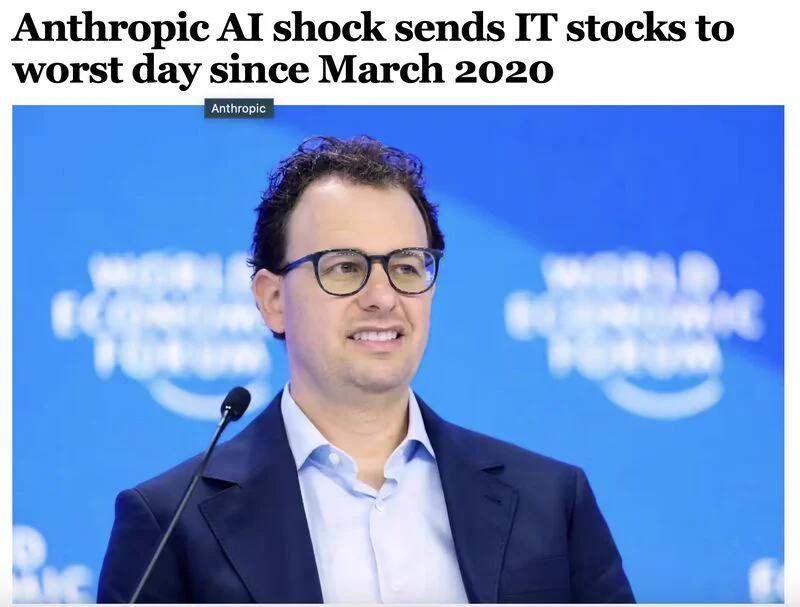
I'm pretty sure everyone at my company saw this article and now they all think we're in an AI crisis. We're not in an AI crisis. We use Claude to summarize Slack threads. But here's what's actually interesting: this whole panic reveals something nobody wants to admit. Ev
I'm pretty sure everyone at my company saw this article and now they all think we're in an AI crisis.We're not in an AI crisis. We use Claude to summarize Slack threads.But here's what's actually interesting: this whole panic reveals something nobody wants to admit.Every… pic.twitter.com/9RAAjU5r65— IT Unprofessional (@it_unprofession) February 4, 2026
News Not Slop
Unionized journalists across North America have come together to sound the alarm: Media companies are implementing artificial intelligence in ways that damage the credibility of the journalism on which you rely.
