Get lifetime access to 53 expert-led classes. One payment, yours forever.
The Bet On Juniors Just Got Better
Why genies can make hiring juniors more profitable, & what you need to change to get there

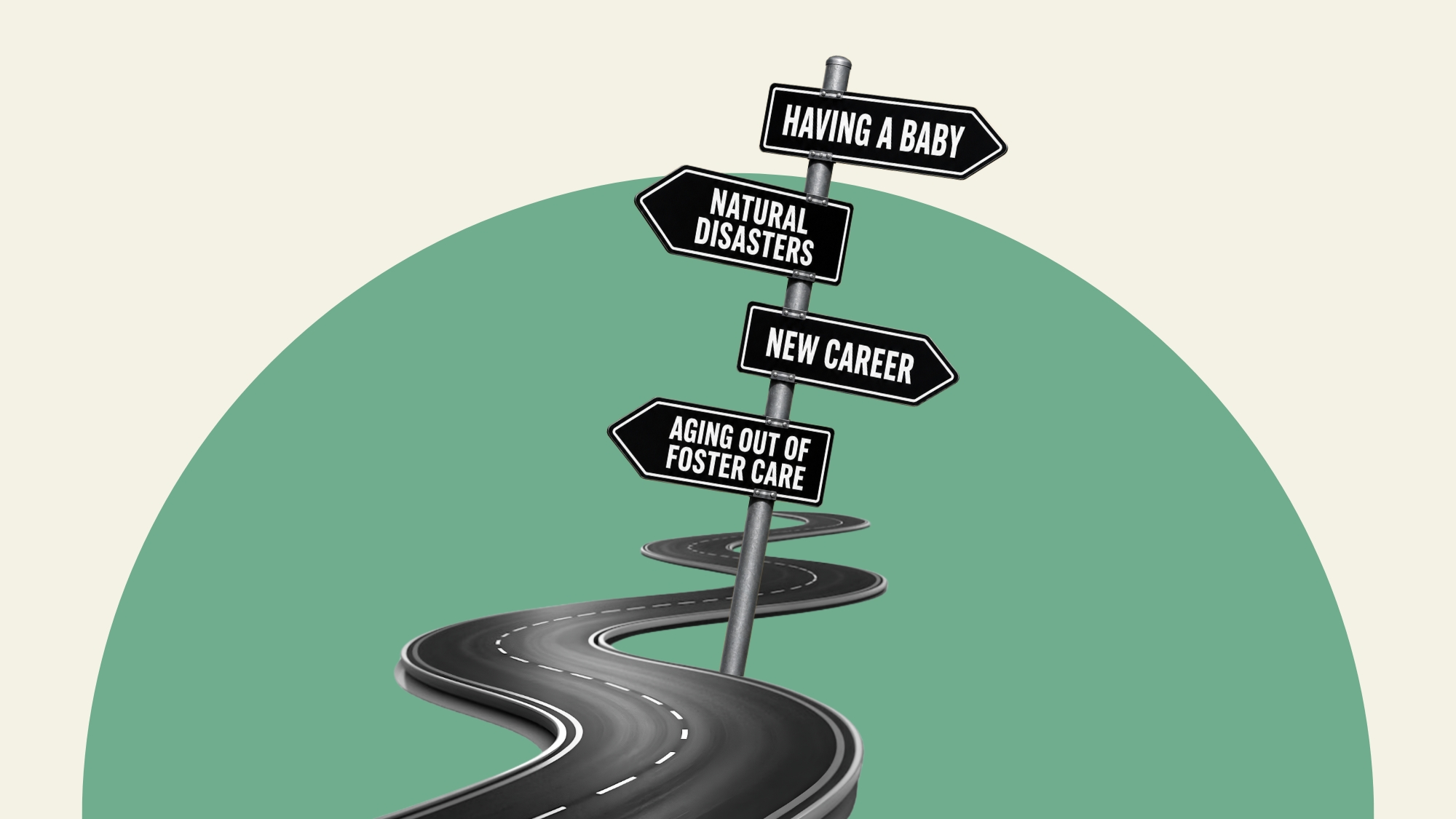
The Multi-Path Career
TL;DR * From executives to individual contributors, we all make one career bet at a time. * This is poor “portfolio theory” (to use a phrase from investing), meaning that this is not a balanced “po…

The Everywhere Millionaire: Who Is Really Rich in America and How They Got There
From two leading economists comes a groundbreaking new portrait of the hidden fortunes of Main Street business owners—ordinary Americans who built extraordinary wealth and are quietly rewriting the rules of money and power. Most people think the path to great wealth runs through Wall Street or Silicon Valley. We’re told you must be a Zuckerberg, a Musk, or a Jamie Dimon to get rich. But this story is wrong. Drawing on unprecedented data from a decade of research and vivid real-life stories of entrepreneurs—from a self-made hot-dog stand billionaire to the heirs of an auto dealer—Zidar and Zwick reveal a surprising truth: prosperity is more attainable, more widely distributed, and closer to home than we imagine. A multitude of Americans have built staggering fortunes by running often unglamorous businesses far from the spotlight. A quiet revolution in the business world—the rise of “pass-through” firms like S-corporations and partnerships—supercharged this wealth, channeling vast income directly to business owners rather than traditional corporations.Part economic detective story, part roadmap to riches, this book reveals: —The Hidden 1%: They might be a local beer distributor, a dentist with a regional network of practices, a commercial HVAC contractor with trucks around town, or a restaurateur who keeps opening new locations. For every public company CEO, more than a thousand private business owners each have transformational wealth.— The Blueprint for Wealth: Zidar and Zwick describe where Main Street Millionaires come from, how they grew rich, and how much money they make. Their stories suggest the American Dream is not dead and many paths to prosperity remain open today. — Power Brokers: Armed with their fortunes, Main Street Millionaires wield power in city halls, statehouses, and Washington, often bending policy to protect what they’ve built. They are both growing the economic pie and grabbing bigger slices for themselves.The Everywhere Millionaire celebrates the stories of entrepreneurs who seized opportunities while asking hard questions about how concentrated wealth and power shape society. It is an essential guide to seeing the economy as it really is and recognizing the surprising paths to prosperity—and influence—everywhere.
Right on Time: How Cash Helps Families Move Through Life's Transitions - Economic Security Project
Executive Summary Over the past decade, more than 250 guaranteed income pilots, programs that provide people with regular cash with no restrictions on how they use it, have run across 40 states and the District of Columbia. That research has revealed many learnings, and this report focuses on one clear takeaway: cash has its largest…
Fiverr | Find the best global talent
One marketplace, millions of professional services. Browse. Buy. Done.

Indie Startups - Neil Thanedar
10 years ago, my entrepreneurial goal was to raise $100M+ and make one $1B+ startup. Now my goal is to 100% own many $1M+ startups.

The Rage to Master: The One Unusual Thing All Entrepreneurs Must Have to Win
Insight into how Unusual Academy leverages the principles of deep practice and master coaching to grow the best entrepreneurs.

Introducing Sponsorware: How A Small Open Source Package Increased My Salary By $11k in Two Days
<p>After digging deep on SQLite during a pair programming session with a client/friend, I had an idea…</p> <p>About 45 minutes later, a proo...
36 important life and work lessons a top tech executive learned before turning 30
The days are long but the decades are short.
Is Big Tech's AI Gamble Starting to Look Riskier? - Slashdot
The Washington Post looks at giant tech companies "feeding every available dollar into the cash-incinerating maw of AI machines." They warn "Tech superstars that once had oodles of cash left over at the end of each year are now flipping into the red..." [While optimists expect] huge corporate p...

Purchasing Power Parity: fair pricing for your SaaS product
Developer, writer, indie hacker · 📍 Montreal, QC


CanInnovate | Kyle Briggs | Substack
I write about innovation, entrepreneurship, intellectual property, and related policy. I comment on the incentives created by existing policy structures and recommend practical ways to enact positive change. Click to read CanInnovate, by Kyle Briggs, a Substack publication with hundreds of subscribers.
The Tragedy of the Cognitive Commons: How AI Could Disrupt the Regeneration of Professional Expertise
Artificial intelligence is reshaping cognitive work, but Human Resource Development scholarship has treated this transformation as an organizational training challenge, leaving the collective regeneration of professional expertise unexamined. This conceptual paper introduces the Cognitive Commons framework, integrating commons theory, HRD scholarship, and distributed cognition to explain how rational AI adoption decisions can deplete the shared expertise pool professions require for renewal. The framework distinguishes Internalized Mastery (deep domain knowledge from sustained practice) from Distributed Mastery (orchestrating human-AI systems), and develops the Validation Tether: effective AI oversight depends on the expertise AI adoption may undermine. Early labor market and clinical evidence suggests possible disruption to expertise-regeneration pathways in highly AI-exposed sectors, though adoption is recent and the strongest signals come from leading sectors rather than all professions. Five factors determine occupational vulnerability, and governance arrangements may form across organizational, professional-association, and policy levels. The paper reframes expertise development as collective stewardship rather than organizational optimization, with implications for HRD theory and workforce policy.

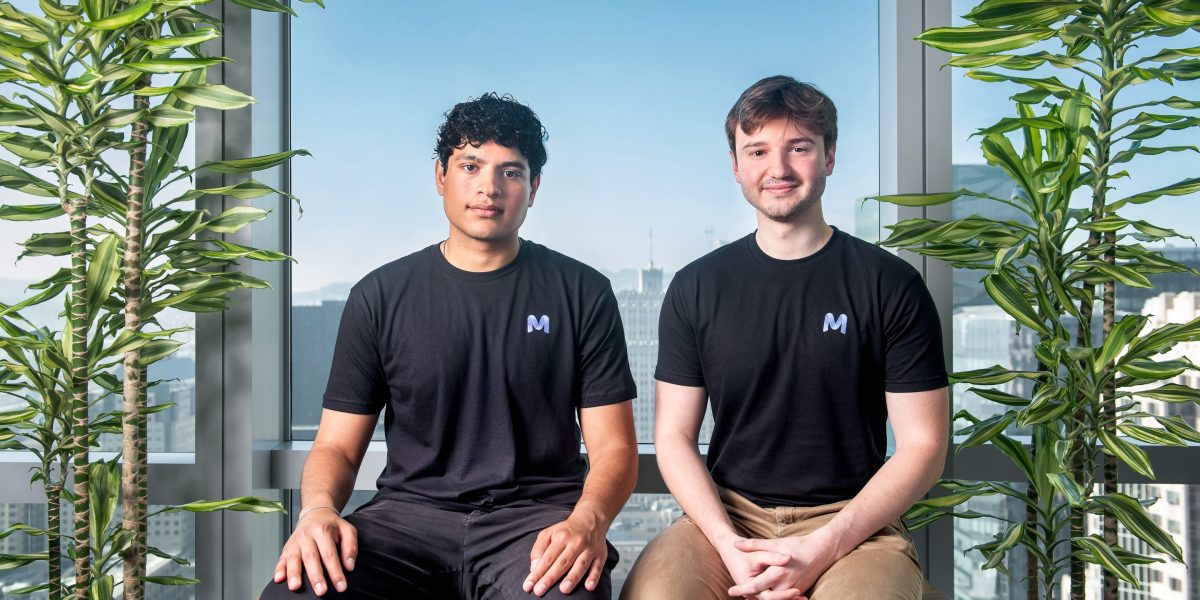
Chief people officers—and Jamie Dimon—say AI can’t learn ‘human skills.’ The world's youngest self-made billionaires want to prove them wrong | Fortune
What's the price of training an AI to take your job someday (soon)? Mercor has contract gig listings as high as $150 per hour.
My own private basic income
One person’s experience becoming a business owner shows how our economy is based on luck rather than merit and how it rewards people who own stuff rather than people who do stuff.