

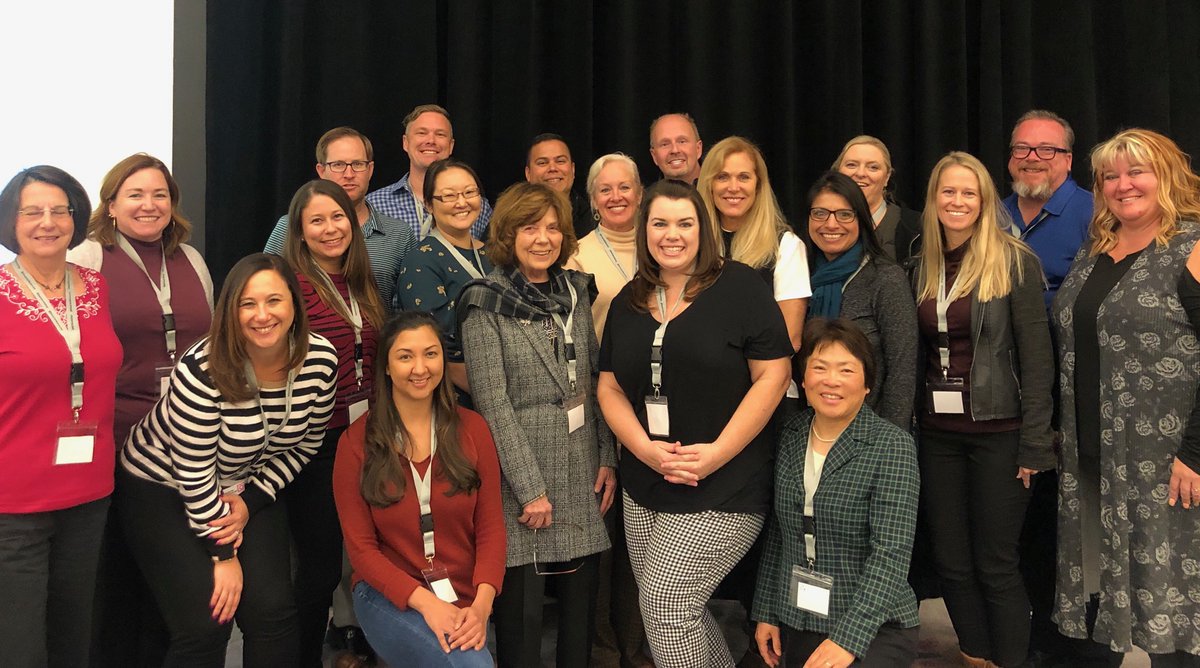
OUR VISION > POWER OF PARTNERSHIPS The Power of Partnerships and Collaboration Smarter Balanced is a member-led consortium that collaborates with K-12 and higher education leaders and educators to create an assessment system that ensures teachers have the tools they need to support the diverse learning needs of students. What makes Smarter Balanced different? Smarter…
Decentralized Intelligence: Stigmergy, Simple Rules, and the Future of Organizational Coordination
The Global Council for Behavioral Science is a global community advancing behavioral science research, education, and ethical real-world application.
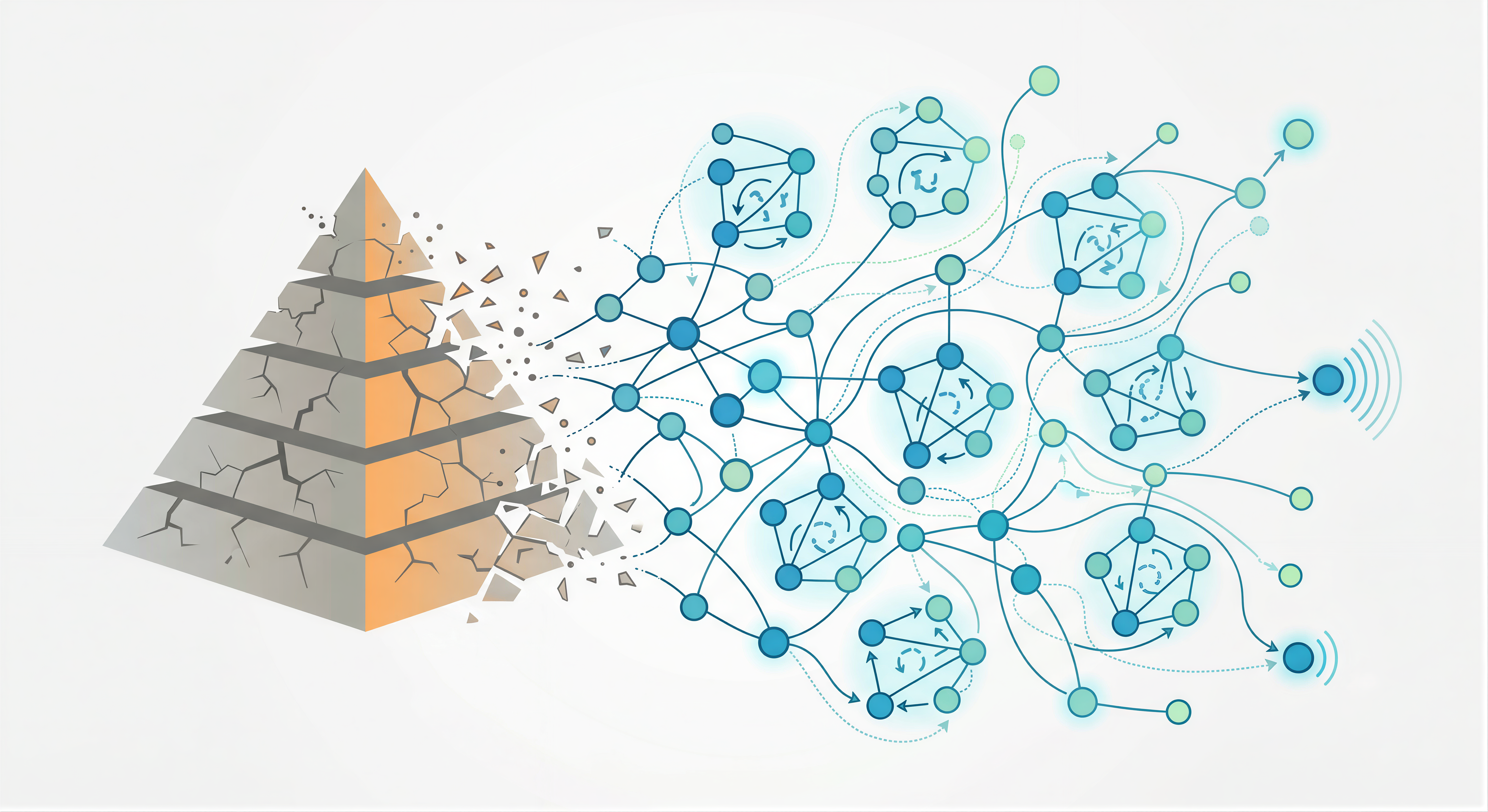
Beyond the Individual: Understanding the Evolution of Collective Intelligence
This chapter outlines the evolution of collective intelligence, starting from its ancient roots and concluding with modern digital platforms. It discusses intelligence theories, project examples, and the impact of technology on collaborative efforts. Key focuses include the role of the internet and online communities in boosting our collective IQ, with a particular emphasis on Douglas Engelbart's contributions and the open-source movement, as exemplified by Linux's development. The chapter examines how digital transformation has facilitated new forms of community and knowledge sharing, significantly influencing fields such as management, decision-making, and organizational learning. Various scholars and their definitions of CI are discussed, including Pierre Lévy's vision of universally distributed intelligence and the concept of swarm intelligence in biological sciences. We then move on to practically implemented CI projects, exploring crowdsourcing as a manifestation of CI in business and social projects and examining possibilities of harnessing the wisdom of crowds for problem-solving and innovation. The chapter concludes with a presentation of the current state of collective intelligence academic research.

Education for collective intelligence
Collective Intelligence (CI) is important for groups that seek to address shared problems. CI in human groups can be mediated by educational technologies. The current paper presents a framework to ...


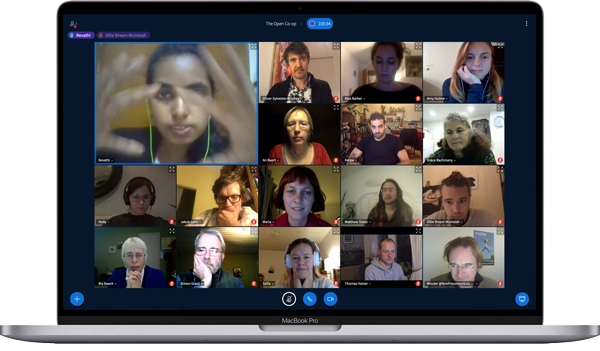
meet.coop - The Online Meeting Cooperative
Online meeting and conferencing tools, powered by renewable energy running on cooperatively owned and managed infrastructure.
Sharing Notes about Collective Intelligence — Pop Junctions
Last week, my travels took me to San Antonio where I delivered one of the keynote addresses at the Educause Learning Initiative conference -- a gathering focused on the application of technology for learning at the college and university level. My presentation, "What Wikipedia Can Teach Us Ab


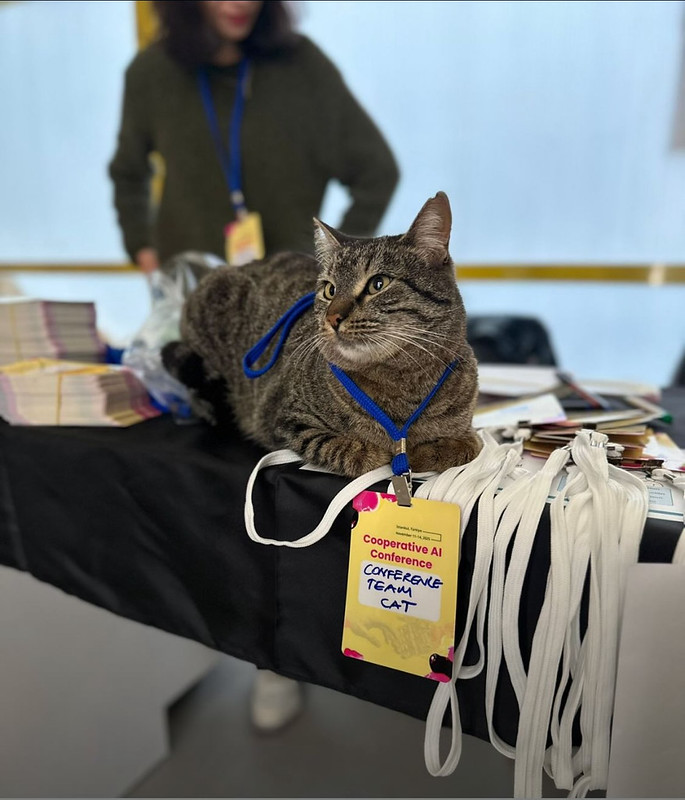
Reflections on the Cooperative AI Conference | Platform Cooperativism Consortium
I am just returning from our conference on Cooperative AI in Istanbul. Part of what I love about conferences—what keeps me doing this, convening these global PCC events —is meeting people who are both…
CommonsCloud – Eines lliures tecnoètiques cooperatives
Eines lliures tecnoètiques cooperatives
Smart Events, Smarter Communities: Leveraging AI to Power Engagement
This session is about practical, usable stuff — no fluff.

Hypercerts — Collective Intelligence for Funding Impact
Hypercerts create shared context—evidence, expert input, and community trust—for better resource allocation.
A game of co-opetition: exploring the benefits of asset owner collaboration - Thinking Ahead Institute
It may seem like a hidden truth but the reality is that asset owners are in competition with each other. They are in competition for the best alpha ideas, the best manager products and the best research – all with the aim of improving risk-return trade-offs to increase the likelihood of meeting their liabilities. As a result, many asset owners find it difficult to collaborate, even in initiatives that may prove mutually beneficial. At the Thinking Ahead Institute’s recent Sydney roundtable event, asset owner attendees highlighted the top three barriers to successful peer collaboration: (1) difficulties being transparent; (2) lack of time and resources available; and (3) difficulties in aligning interests. At the same time, attendees agreed on the value to funds of collaborating productively on industry structure and regulation, and on a universal owner / alignment of interest agenda.

A ten-year drive to credit authors for their work — and why there’s still more to do
Nature - Information about the roles of each author of a paper can help to build trust, integrity and responsible research assessment. Coordinated efforts are needed to consolidate progress.

Presented our work on how friendship muda lets the expression of hierarchy in cooperation for elementary school children on the lighting talks at #ic2s2 #ic2s22026 @ic2s2.bsky.social today!
Collective Intelligence Research

Explorations into the idea that a group of humans is "more intelligent" than the sum of their "IQ" (i.e. "groups of individuals doing things collectively that seem intelligent")
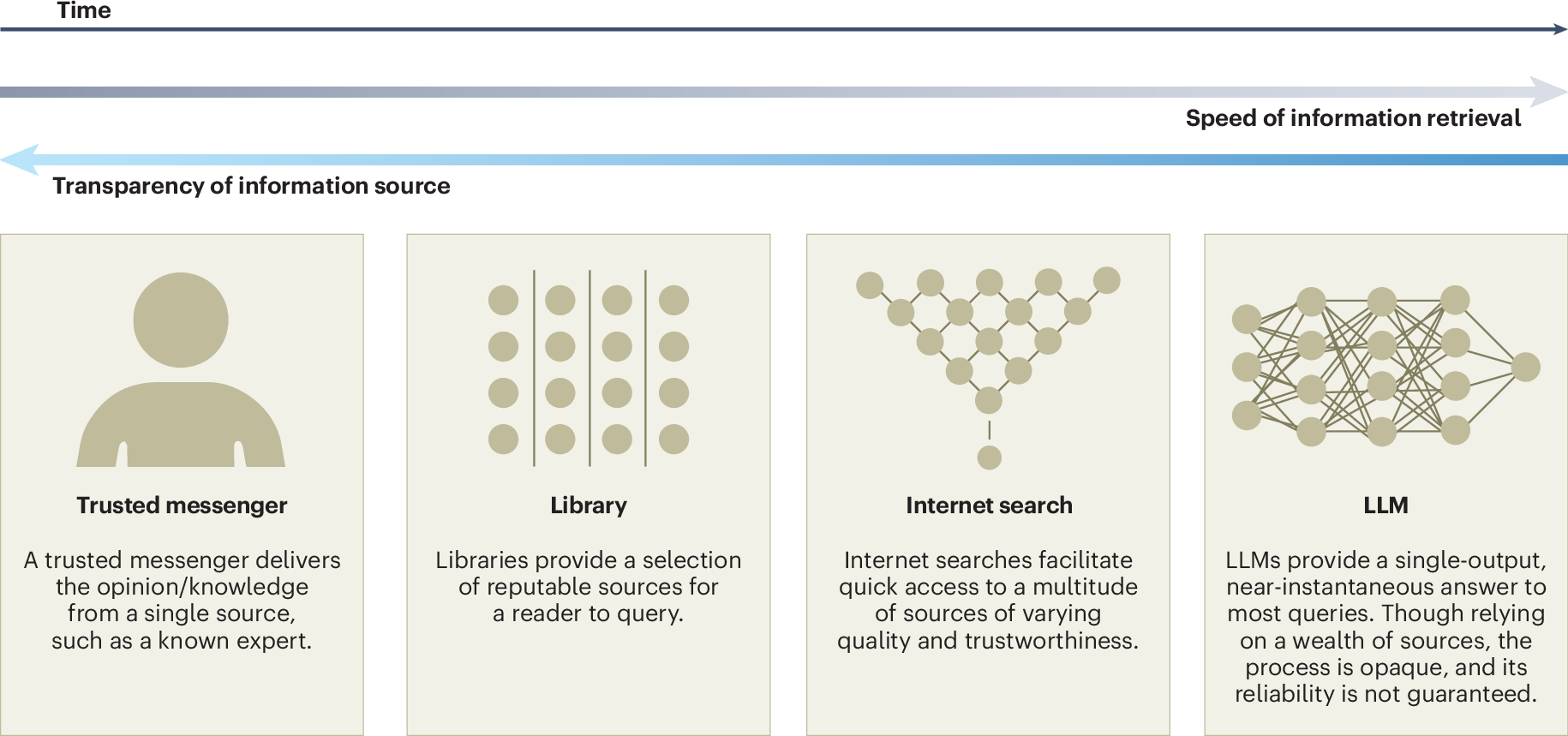
How large language models can reshape collective intelligence
Sharing Notes about Collective Intelligence — Pop Junctions

Socially Minded Intelligence: How Individuals, Groups, and Artificial Intelligence Can Make Each Other Smarter (or Not)

Profile: Adrien Treuille

NOVA | The Wisdom of the Crowds | Season 45 | Episode 6
Mapping Citizen Science through the Lens of Human-Centered AI
