


🇪🇺 EU Horizon Call: Privacy Enhancing Technologies
Playing with Parlances - Permissioned Data & AT Protocol - AT-WayFinding
Community privacy is one of our top priorities at @transrights.northsky.social which isn't possible out of the box with any ATproto implementation today that doesn't just hide an entire PDS. We're developing in the open and so I've published a proposal on it, feedback as always is we
Ursula von der Leyen (@vonderleyen.ec.europa.eu)
Warm Welcome to all followers on W 👌 User friendly 🔓 Open source AT Protocol 🔒 Privacy preserving 🧑🤝🧑 Humans only / No bots And 🇪🇺 European!

Why the EU age-verification tool does not solve privacy concerns
An EU legislative proposal for a social media ban will be presented at the State of the European Union annual address, but the tools which are pitcd as “ready” and “privacy-preserving” fail on both counts.

Privacy as EU Tech advantage - The LeafPlaza Blog
Online crime loves legal massive data collection, grey systems, and jurisdictional gaps. Privacy-first design can actually reduce crime exposure and build trust in digital services. It is also central to the EU's tech autonomy: build systems aligning with European rights and risk models. Do not rely on foreign platforms or copy outside practices that might go against the EU values and needs.
Customer Commons
We are planning to release more agreements as we approach the finalization of the IEEE P7012 Standard for Machine Readable Personal Privacy Terms . This initiative is currently has a demo #NoStalking, and we encourage your participation and feedback to help shape its development.

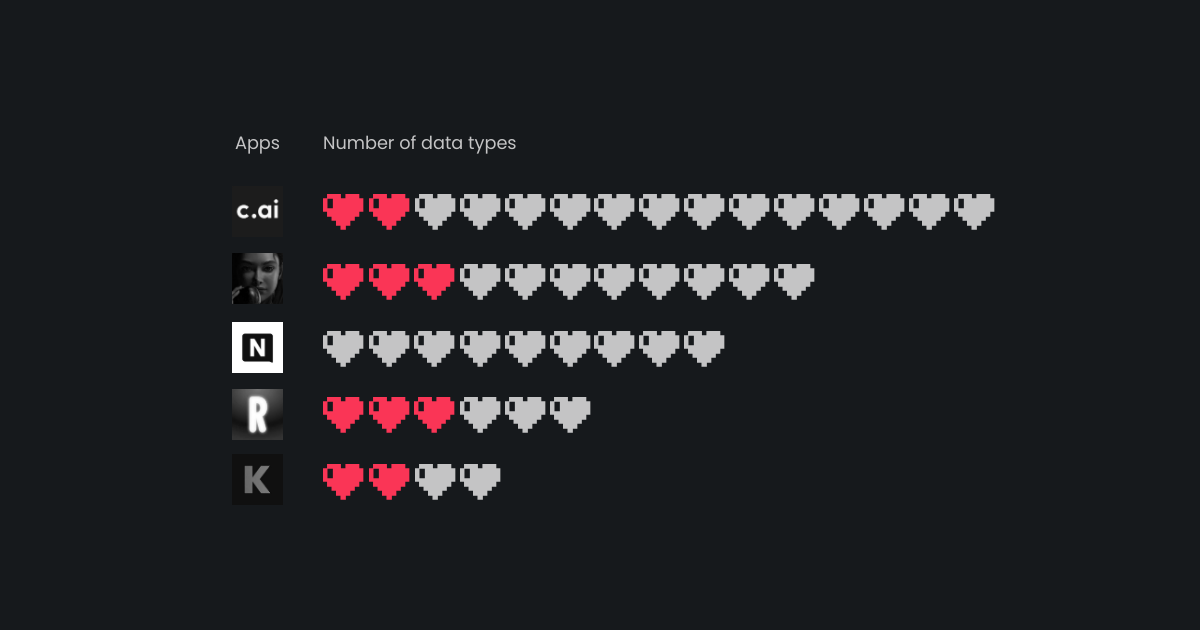
Data privacy concerns in AI companion apps - Surfshark
As AI grows, digital companions help with loneliness but raise questions about user data privacy. Many seek virtual relationships, but it's important to remember they are business-driven, not personal bonds.
The Open Anonymity Project
The Open Anonymity Project is a research & engineering effort building tools, infrastructure, and user-facing software for AI user privacy.

Why Meta is retreating from encryption
In 2019, Mark Zuckerberg called privacy the future of social networking. Not anymore

FR#166 – No Change
Many people in Europe see the open social web as a path to digital sovereignty. This week demonstrated a problem: the assumption that European governments actually want to be sovereign.

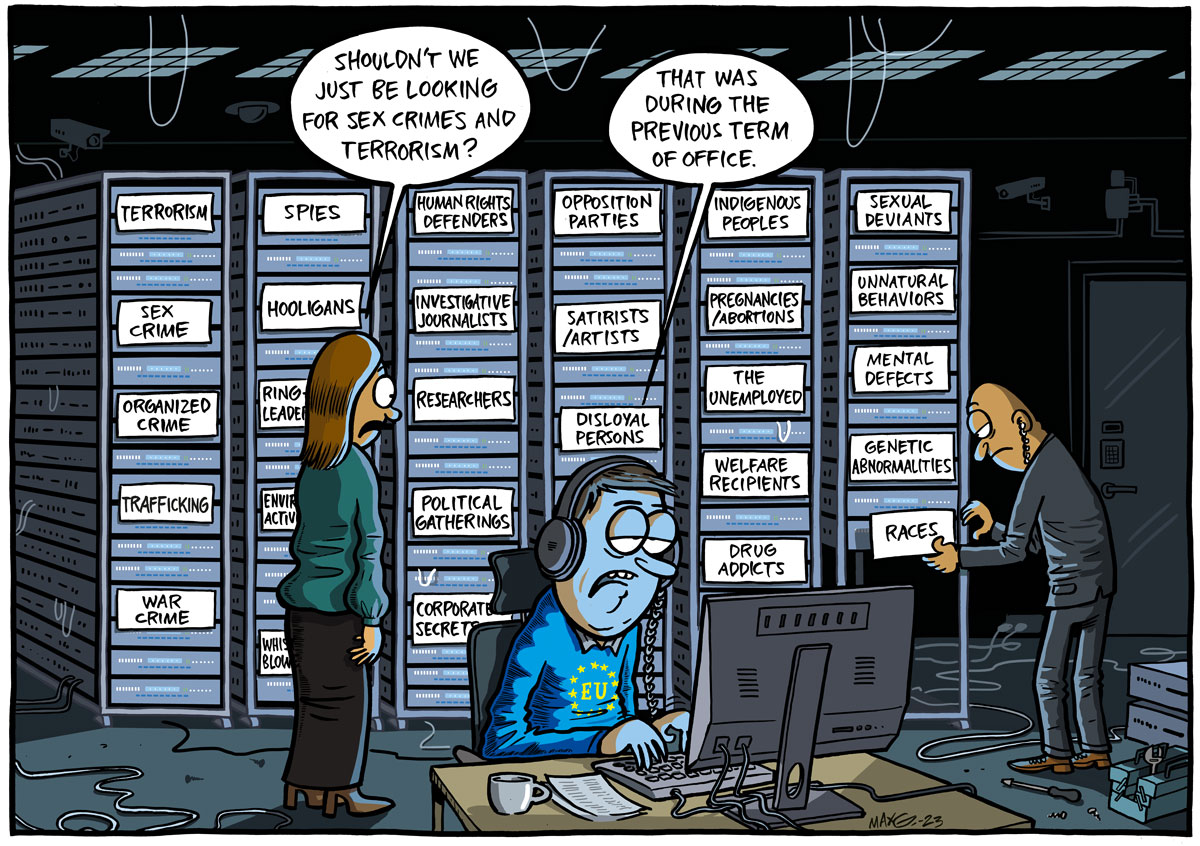
Chat Control & Going Dark: The war on encryption is on the rise. Through a shady collaboration between the US and the EU.
After Snowden’s whistleblowing in 2013, large parts of the internet became encrypted, enabling private and secure communication. Not everyone has welcomed this change. Most notably, the FBI and other U.S. government agencies have fought what is often called the “crypto wars”, the war on encryption. In recent years, they have been joined by the European Commission. Under the slogan “what about the children,” they try to introduce total mass surveillance of all EU citizens — first through the proposed Chat Control legislation, and later via the Going Dark and ProtectEU initiatives. The goal is to legally mandate spy tools on every European smartphone and computer. The forces behind these efforts have turned out to be American tech companies and intelligence agencies.

Measuring the Privacy Experience
How do you know that a product respects your privacy – other than by wading through the fine print? We’ve created a framework to measure the way people actually experience privacy in tech products.
Is anyone considering going for this project. digital-strategy.ec.europa.eu/en/news/new-call-proposals-sh…
New call for proposals to shape safer and more inclusive social media platforms
digital-strategy.ec.europa.euYikes. For anyone interested in more information about this, I recommend checking out @privacyguides.org : discuss.privacyguides.net/t/privacy-com-uses-identity-v…

Privacy.com uses identity verification service Persona, which will keep biometric information for "up to" 3 years
discuss.privacyguides.net
