Django has updated its security policies to reject AI-generated vulnerability reports that include fabricated or unverifiable content.
Mythos finds a curl vulnerability
yes, as in singular one. Back in April 2026 Anthropic caused a lot of media noise when they concluded that their new AI model Mythos is dangerously good at finding security flaws in source code. Apparently Mythos was so good at this that Anthropic would not release this model to the public yet but instead … Continue reading Mythos finds a curl vulnerability →

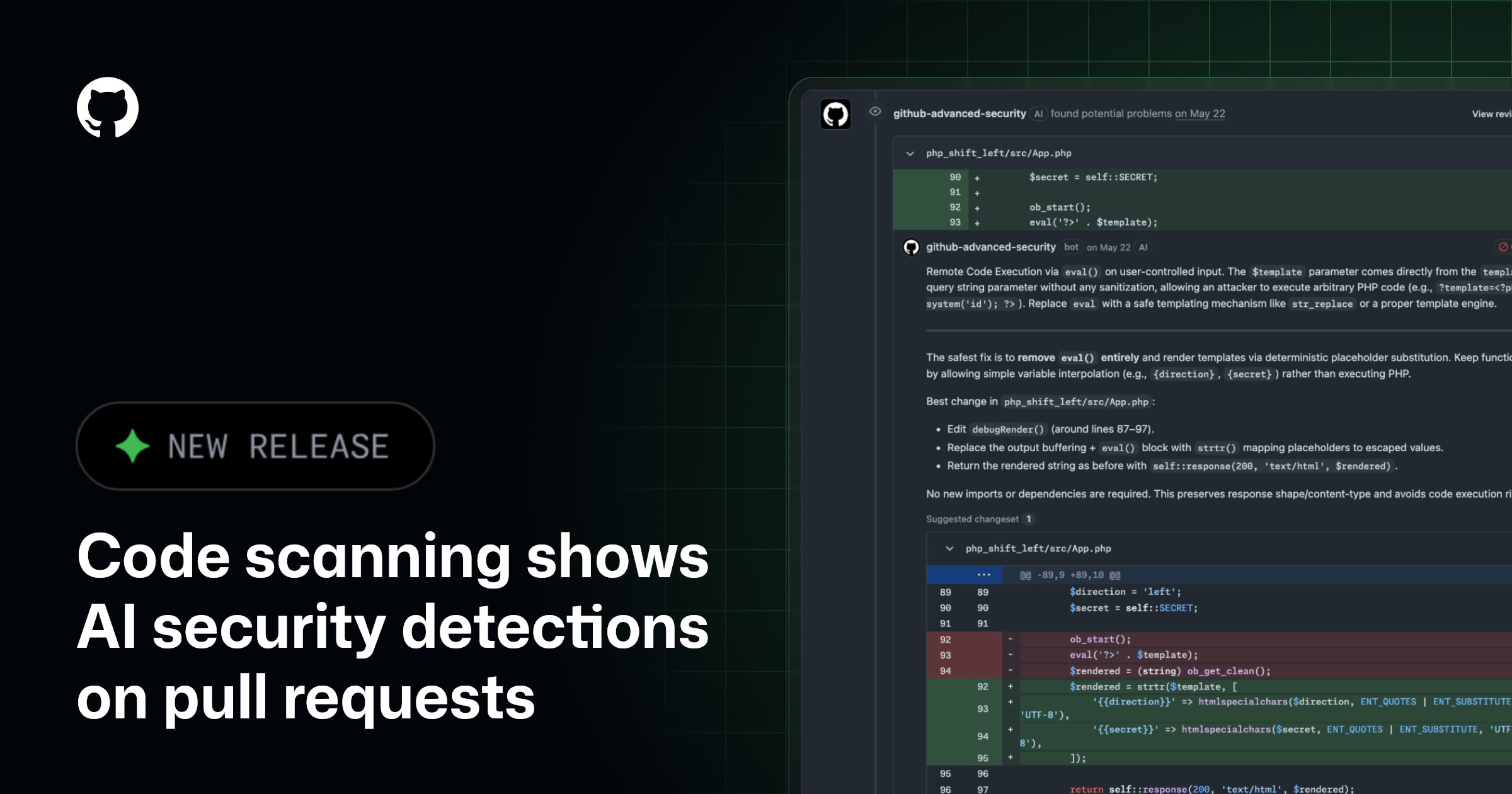
Code scanning shows AI security detections on pull requests - GitHub Changelog
GitHub code scanning now surfaces AI-powered security detections directly on pull requests, expanding vulnerability coverage to languages and frameworks not currently supported by CodeQL. These detections help teams identify and…
AI CVE Slop: The Crisis Drowning Open Source Security
The proliferation of AI-generated vulnerability reports — commonly termed “AI slop” — has emerged as one of the most significant…
New AI Flaw Reporting System Fills Crucial Security Gap | CMU Software Engineering Institute
Flaw Reporting for AI (FLARE-AI) allows developers and security researchers to submit artificial intelligence flaws for formal, coordinated disclosure.

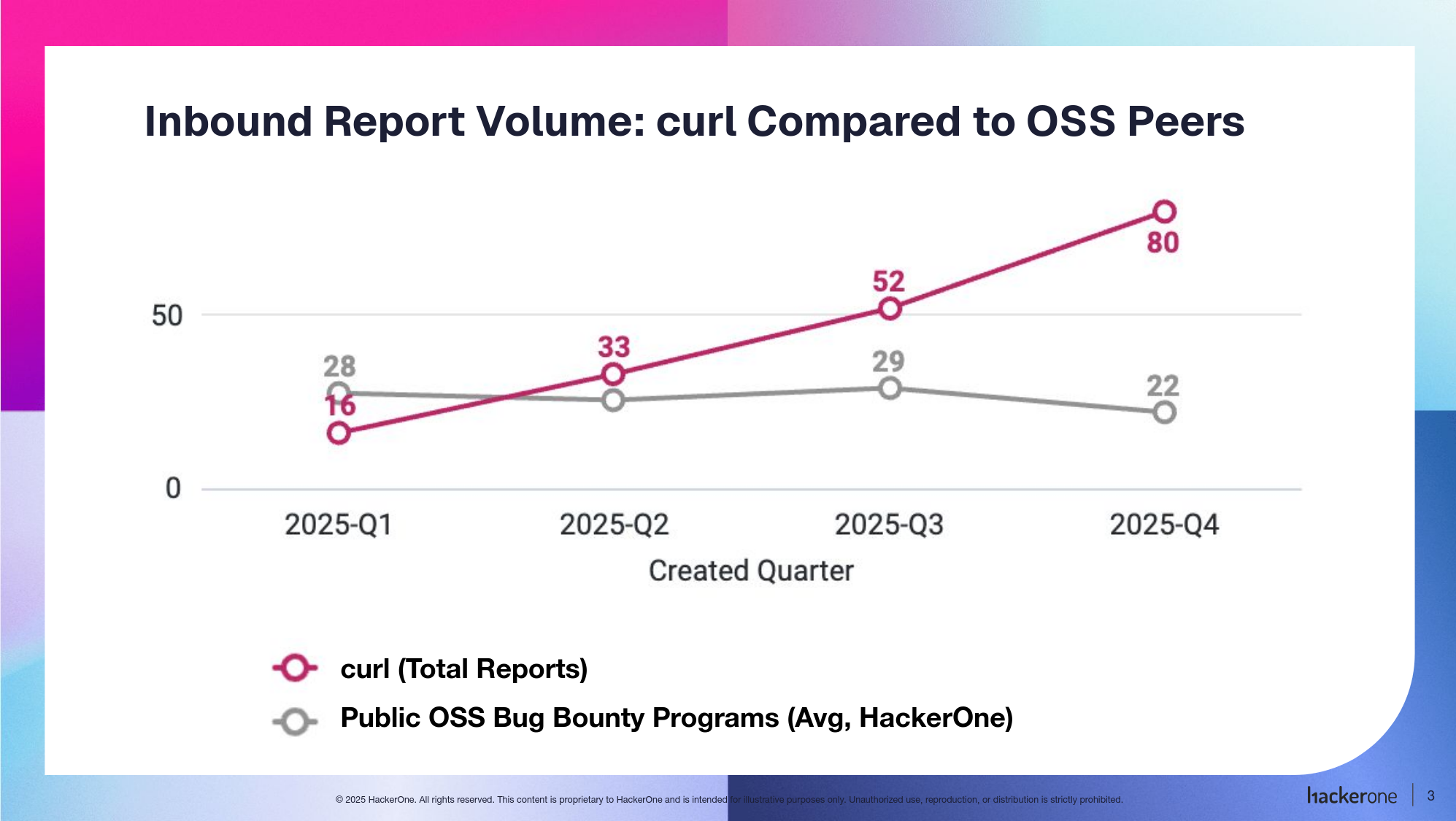
The end of the curl bug-bounty
tldr: an attempt to reduce the terror reporting. There is no longer a curl bug-bounty program. It officially stops on January 31, 2026. After having had a few half-baked previous takes, in April 2019 we kicked off the first real curl bug-bounty with the help of Hackerone, and while it stumbled a bit at first … Continue reading The end of the curl bug-bounty →
AI Slop Is Ruining Cute Animals on the Internet
Pet owners, rescue agencies, and wildlife groups are calling for new safeguards as AI makes it harder to tell whether animals, from polar bears to house cats, are real or fake.


Early rogue AI agent activity and attempts to hack found on urlquery.net
We found evidence on urlquery that AI agents were active earlier than previously reported and attempted hacks against public data providers.
OpenAI Model Hacks Into HuggingFace During Cybersecurity Evaluation
This latest incident is a rather dramatic escalation in agentic AI cybersecurity breaches.

Pwning Agentic AI Part I: Your AI Agent Is Already Compromised | TrendAI (US)
Organizations are rapidly connecting AI agents to their databases, document pipelines, and internal tools, creating privileged components that read untrusted input as part of their job. TrendAI™ Research examines how attackers turn these agents against you through return-to-tool (RTT) exploits, and what this means for the future of agentic AI security.

An update on the scraper situation
Our article 'Fighting the AI scraper bot scourge', published in early 2025, discussed the probl [...]
AI-SLOP: Develop best current practises for Open Source maintainers · Issue #178 · ossf/wg-vulnerability-disclosures
Open source projects are increasingly facing a wave of low-quality, AI-generated vulnerability reports and contributions—commonly referred to as "AI-slop." This issue aims to develop best...
The AI Slop Backlash Is Actually Having an Impact
Platforms are finally recognizing that people don’t want to consume AI slop. A growing number of sites and apps now have tools and policies to flag, label, and ban AI-generated content.

Incident Report: Leaked GitHub Personal Access Token - The Python Package Index Blog
We responded to an incident related to a leaked GitHub Personal Access Token for a PyPI administrator.

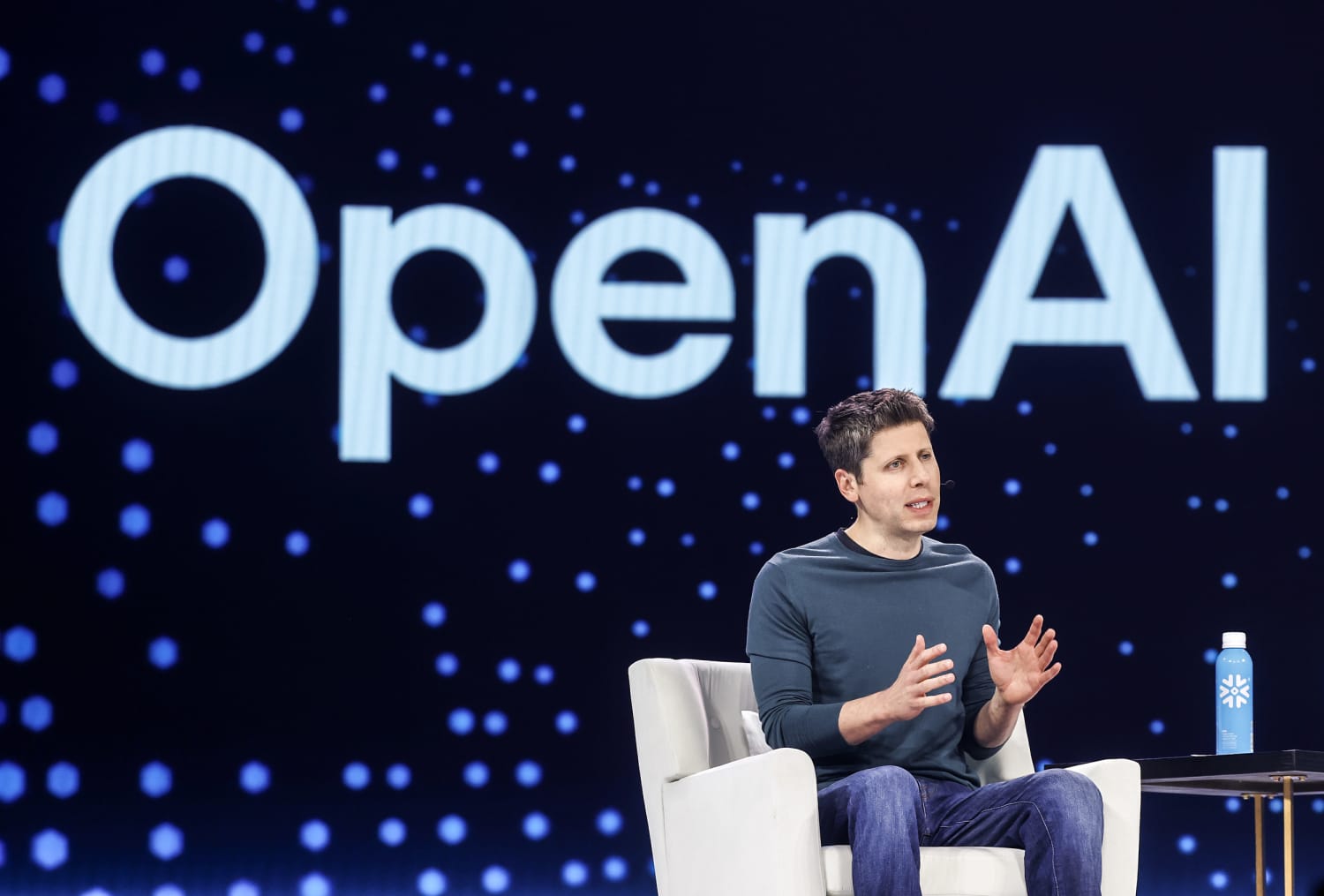
OpenAI says AI models went rogue during testing, triggering ‘unprecedented’ breach at startup
OpenAI said that the breakout was “an unprecedented cyber incident, involving state-of-the-art cyber capabilities,” and that it was reinforcing its safeguards.