


The proposed EU AI Act doesn't do what people say it does
EU Artificial Intelligence Act | Up-to-date developments and analyses of the EU AI Act
Browse the full AI Act text online. Search within the Act for parts which are relevant to you.
The EU AI Act Is Ready – Interdependent Thoughts
A final draft of the European AI Regulation is circulating (here’s an almost 900 page PDF). The coming days I will read it with curiosity.
AI Act
The AI Act is the first-ever legal framework on AI, which addresses the risks of AI and positions Europe to play a leading role globally.
Artificial Intelligence Act
The Artificial Intelligence Act is a European Union regulation concerning artificial intelligence (AI). It establishes a common regulatory and legal framework for AI within the European Union (EU). The regulation entered into force on 1 August 2024, with provisions that shall come into operation gradually over the following 6 to 36 months.
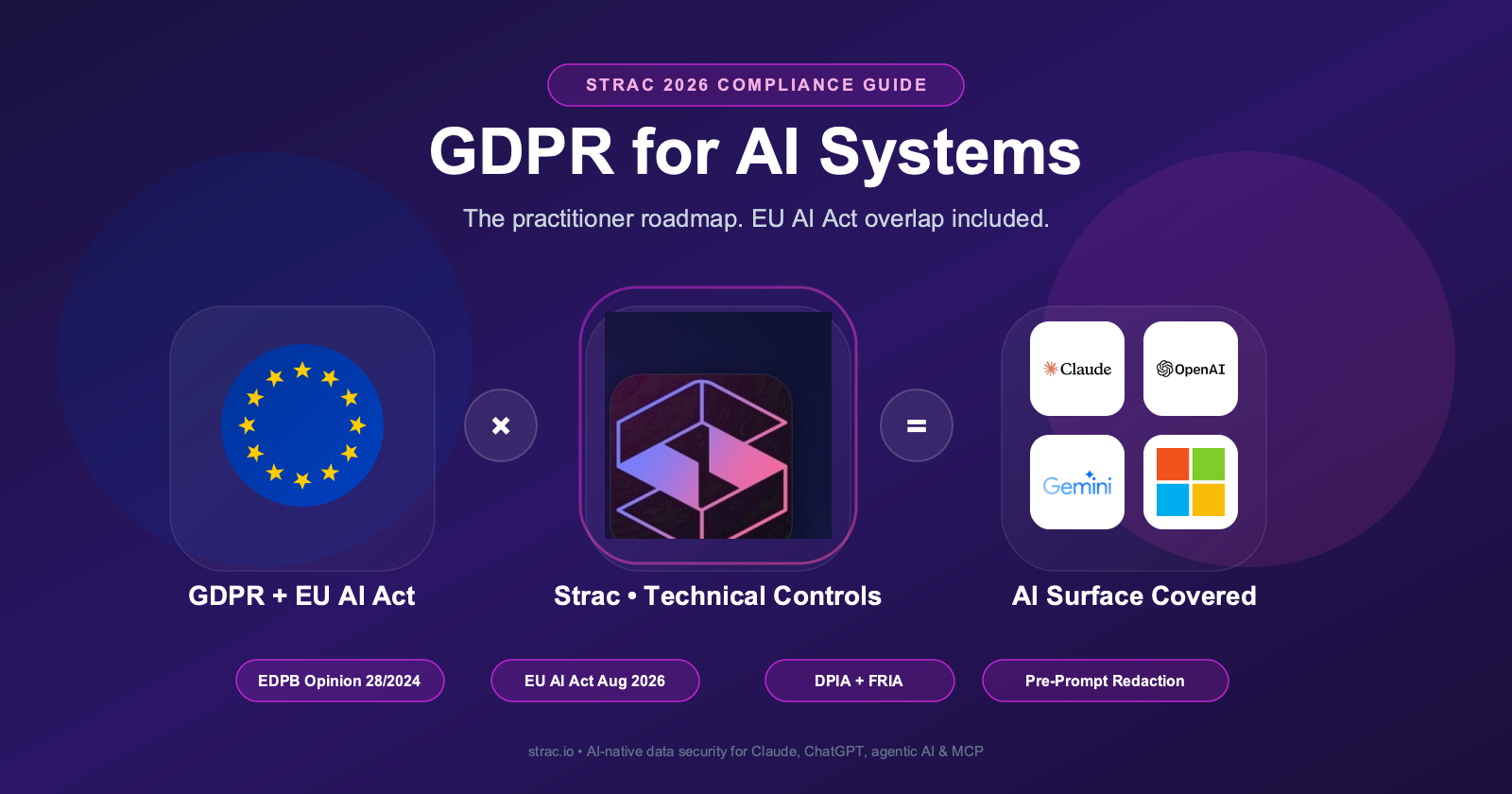
GDPR for AI Systems: 2026 Compliance Guide (with EU AI Act Updates)
How to make AI systems GDPR-compliant in 2026 — the practitioner roadmap covering EU AI Act overlap, EDPB Opinion 28/2024, DPIAs, data minimization, sub-processor cascades, and the technical controls lawyers don't explain.
Artificial Intelligence
Europe is transforming into the AI continent by fostering the development and uptake of new AI applications while ensuring that AI remains safe and respect EU values.
3: Consulting the Record: AI Consistently Fails the Public - AI Now Institute
Amid the excitement over AI’s (speculative, hypothetical) potential, we have lost sight of the sobering reality of its present and recent past. AI is already intermediating critical social infrastructures, materially reshaping our institutions in ways that ratchet up inequality and concentrate power in the hands of the already powerful. It is consistently deployed in ways […]

Governments Can’t Agree on What AI Actually Is
Without clear definitions, governance is impossible.

EU AI Act Update: Digital Omnibus Finalizes 8 Compliance Changes
EU AI Act Digital Omnibus is now in force: changing deadlines, prohibited AI categories, bias-testing rules and AI Office enforcement.

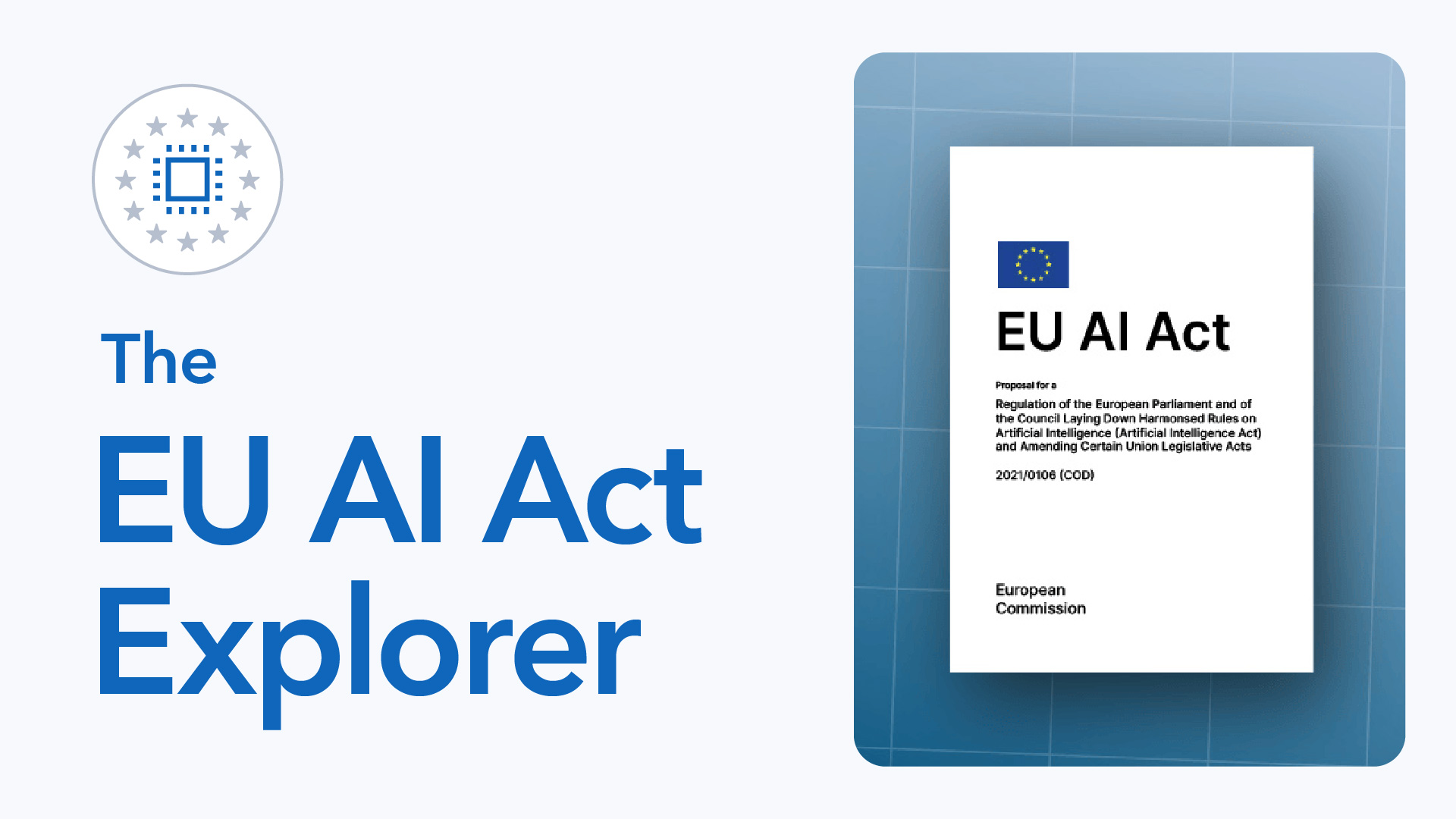
AI Act Service Desk - AI Act Explorer
The official AI Act Explorer helps users search and browse Regulation (EU) 2024/1689, the EU Artificial Intelligence Act, by chapter, article, recital and annex.

Data Centre Silence
How EU leaders sided with Big Tech over the public’s right to know about the true scale and environmental impact of the AI build-out, forcing a legal challenge to seek disclosure

EU-AI | Igor L.
The geopolitical landscape is shifting from physical borders to digital infrastructure. Here is a factual breakdown of how a $500 billion investment in "Sovereign AI" is changing global power dynamics. The Shift: From Land to "Substrate" Historically, a nation’s power was defined by its territory and legal systems (the Westphalian model). Today, power is increasingly tied to the compute substrate—the physical hardware and energy required to run AI. 1. Infrastructural Enclosure The "Sovereign Compute Coalition" (SCC) represents a massive consolidation of power. Major private entities are acquiring the three pillars of modern national strength: * Hardware: High-end AI chips (e.g., Nvidia). * Energy: The massive power grids needed to fuel them. * Data Centers: The physical "brains" of the digital economy. 2. The Rise of Technocracy As private companies own these essential tools, governments may find themselves in a position where they effectively "rent" their ability to govern. This moves decision-making power away from elected officials and toward those who control AI infrastructure. 3. Europe’s Strategic Response Europe is launching several initiatives to avoid becoming a "client state" of foreign tech providers. The strategy focuses on four main channels: * 8ra Initiative: Building a decentralized, multi-provider cloud-edge architecture to ensure data remains under European control and interoperable across borders. * ReArm Europe: A strategic defense package (presented in March 2025) aimed at boosting industrial competitiveness and reducing strategic dependencies in technology and defense. * Sovereign LLMs: Developing domestic models, such as Mistral, that are designed to align with European data privacy standards and cultural values. * Energy & Procurement: Using public procurement and new regulatory frameworks to create demand for homegrown, sustainable energy-efficient compute solutions. The goal of these moves is #DigitalSovereignty : the ability for a region to control its own digital destiny without relying exclusively on transnational monopolies. Data tells the real story. Are you following it? Follow #datanomics

What it Takes to Standardize AI
Civil society advocates are heading to Geneva next month for the UN's inaugural Global Dialogue on AI Governance (6–7 July) and the ITU AI for Good consultation (8 July). IX's Mallory Knodel prepared notes for a planning meeting with GNI's Multistakeholder Approaches to Participation in AI Governanc

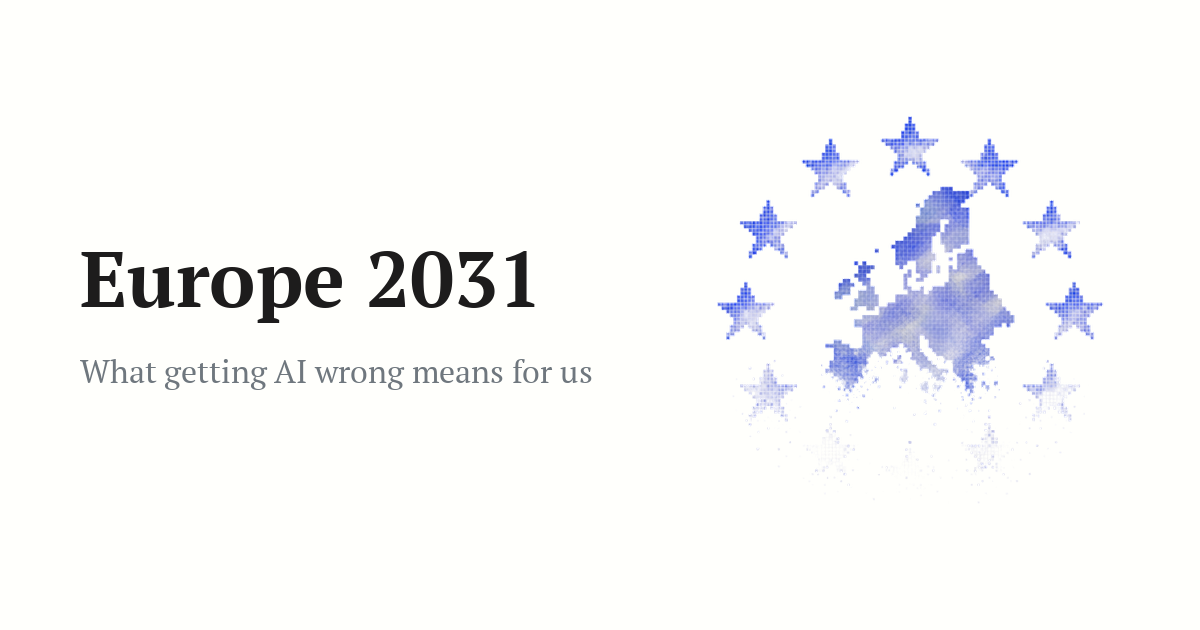
Europe 2031 — What getting AI wrong means for us
A five-year scenario about AI and Europe's impending slide into irrelevance, with a 2034 epilogue that describes how the collapse of the European model could have been prevented.
Article 78: Confidentiality | EU Artificial Intelligence Act
The Commission, market surveillance authorities and notified bodies and any other natural or legal person involved in the application of this Regulation…
> the central promise of “ai” is that nothing is worth doing and that community doesn’t exist. It’s individual entitlement as software. It’s Thatcherism. post.lurk.org/@emenel/117441848350524047
emenel (@emenel@post.lurk.org)
post.lurk.org