


For centuries, the Netherlands were mainly dredged by hand, supplemented by animal power, wind power and tidal power. Could it be done again?
Cycling like the Dutch would slash the world’s carbon footprint
If everybody cycled like the Dutch, we could offset the UK or Australia’s entire carbon footprint.

Putting solar panels on land used for biofuels would produce enough electricity for all cars and trucks to go electric
The world dedicates a Poland-sized area of land to liquid biofuels. Is there a more efficient way to generate energy?
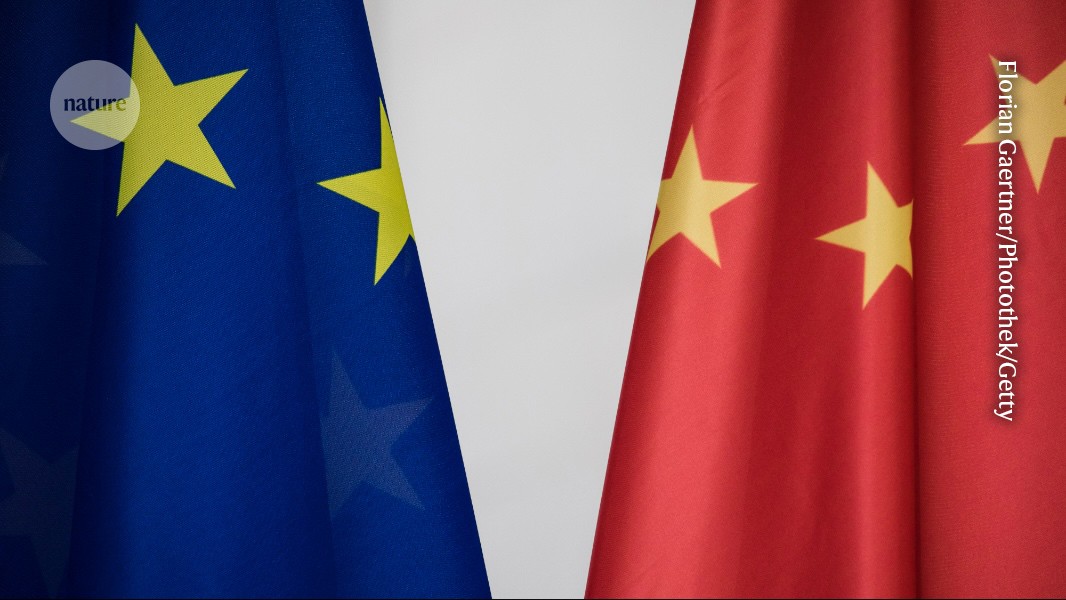
Why China and Europe should collaborate to ‘defossilize’ the world’s carbon
The world needs non-fossil sources of carbon. It’s a no-brainer for nations working towards this goal to join forces.
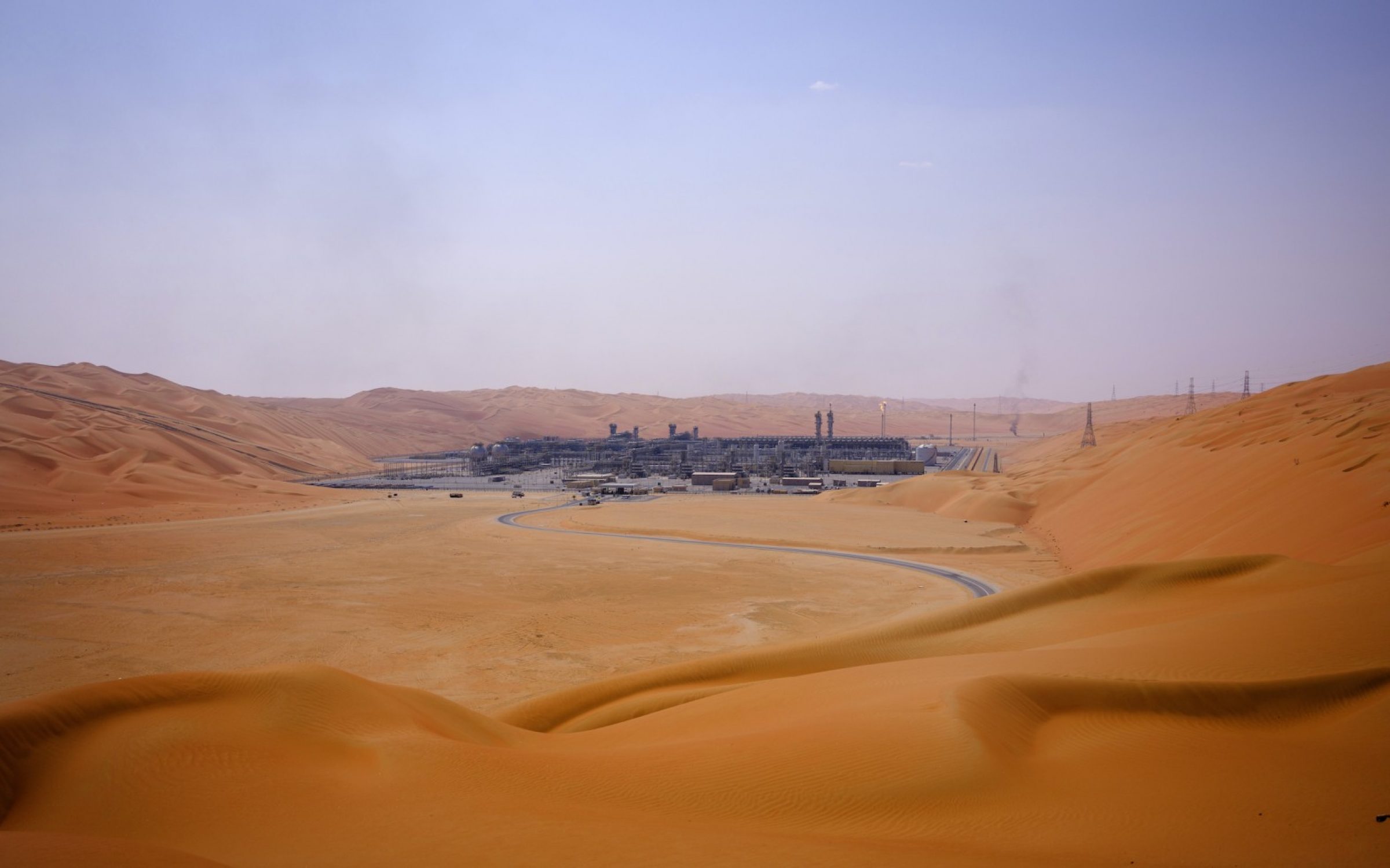
The shale revolution helped make America’s economy great
But will the country’s oil riches discourage a similar revolution in renewables?

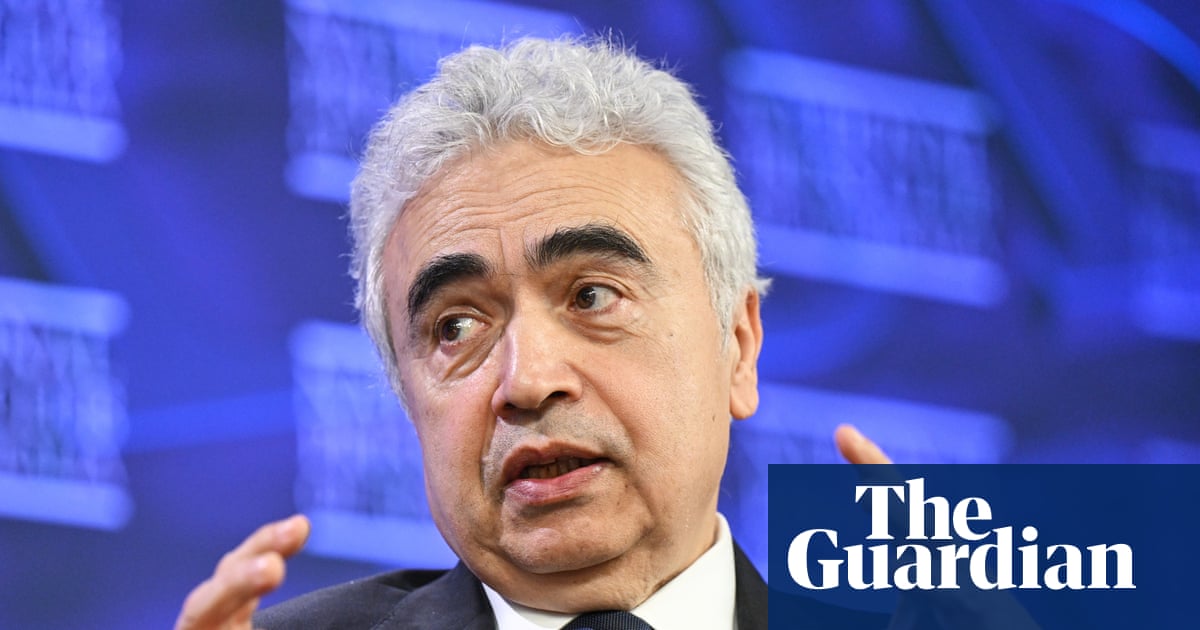
‘The damage is done’: global oil crisis has changed fossil fuel industry for ever, IEA chief says
Exclusive: International Energy Agency’s Fatih Birol, the world’s leading energy economist, also says UK should largely forgo North Sea expansion
Hanson pushes more coal, fewer renewables without detailing cost
One Nation vows to remove renewable energy zones and scrap compulsory land acquisition for VNI West at a regional Victorian rally.
Erasmusprijswinnaars - Praemium Erasmianum Foundation
It takes only a glance at a newspaper nowadays to see that much of what we once took for granted is either being cast aside or turned on its head. Indeed, with floods sweeping away entire cities, and the prospect of a nuclear war closer than it has ever been, I couldn’t bring myself to […]
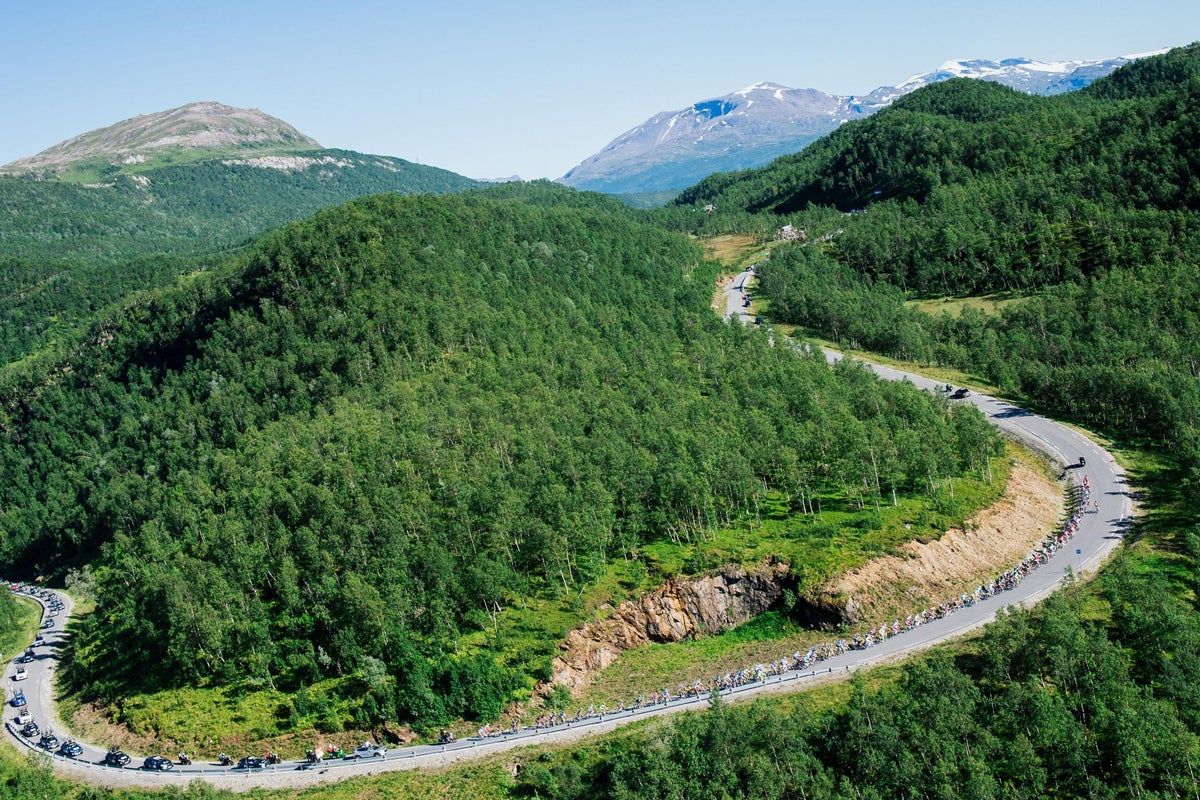
Norway is the first country in the world to commit to zero deforestation
'This is an important victory in the fight to protect the rainforest'
Easy Dutch - Learn Dutch from the Streets!
The geopolitical fight to come over green energy
The struggle for sustainable energy will soon put China, the US and Europe on a geopolitical collision course. But moving away from fossil fuels is a Herculean task, and a greener politics will not transcend tragedy.
Leave Tyrants in the Ground
By unhooking ourselves from fossil fuels, we release ourselves from a world of harm.

The future is made of energy | Orca Notes
A megatrend way bigger than decarbonization is probably the key to abundance and sustainability both.
More and More and More
It has become habitual to think of our relationship with energy as one of transition: with wood superseded by coal, coal by oil, oil by nuclear and then at some future point all replaced by green sources. Jean-Baptiste Fressoz’s devastating but unnervingly entertaining book shows what an extraordinary delusion this is. Far from the industrial era passing through a series of transformations, each new phase has in practice remained almost wholly entangled with the previous one. Indeed the very idea of transition turns out to be untrue. The author shares the same acute anxiety about the need for a green transition as the rest of us, but shows how, disastrously, our industrial history has in fact been based on symbiosis, with each major energy source feeding off the others. Using a fascinating array of examples, Fressoz describes how we have gorged on all forms of energy – with whole forests needed to prop up coal mines, coal remaining central to the creation of innumerable new products and oil still central to our lives. The world now burns more wood and coal than ever before. This book reveals an uncomfortable truth: ‘transition’ was originally itself promoted by energy companies, not as a genuine plan, but as a means to put off any meaningful change. More and More and More forces its readers to understand the modern world in all its voracious reality, and the true nature of the challenges heading our way.
Carbon Captured
How the fossil fuel industry turned the plan to solve climate change into a plan to save itself


Denmark's coal-to-wind transition is one of the most dramatic energy transformations of the past three decades. In 1990, coal provided 90% of Danish electricity. Today it is under 3%. Wind now covers roughly 60% of electricity generation. The last coal plant is scheduled to close by 2028.
