a public benefit corporation with binding charter covenants: your data is never sold; any acquisition is conditional on the successor preserving these protections. open source, privacy-first AI tools.
Creating an Independent Public Ledger of Credentials (PLC) Directory Organization - AT Protocol
As the next step of maturing governance of the PLC identity system, Bluesky Social PBC is supporting the creation of an independent organization to operate the PLC directory.
15 Open-Source Tools for Digital Sovereignty (2026) | Comparisons & Alternatives | Vucense
Own your digital stack. The 15 best open-source tools for privacy, security, and full control over your data — reviewed and ranked for 2026.
Digital Trust – Province of British Columbia
Digital trust provides people and businesses with secure, privacy-preserving ways of identifying themselves online and communicating confidentially with others.
Digital ID: What it means for the digitally excluded – Digital Poverty Alliance
By 2029, proving your right to work in the UK may no longer mean showing a passport or residence permit. Under Government proposals, it could require a digital

Funding Open Source for Digital Sovereignty
"Open Source alone won't deliver digital sovereignty. Europe must fix procurement and fund those who actually build it."

Digital Sovereignty
The term “digital sovereignty” has become an integral part of current political discourse. Across party lines and administrative levels, there is consensus: Being digitally sovereign is desirable and important. However, it often remains unclear what it actually means to be digitally sovereign and how this desirable state should be achieved.
Who owns your data?
A Supreme Court case about a bank robbery could redefine your digital rights.
Privacy by Design
In view of rapid and dramatic technological change, it is important to take the special requirements of privacy protection into account early on, because new technological systems often contain hidden dangers which are very difficult to overcome after the basic design has been worked out. So it makes all the more sense to identify and examine possible data protection problems when designing new technology and to incorporate privacy protection into the overall design, instead of having to come up with laborious and time-consuming “patches” later on. This approach is known as “Privacy by Design” (PbD).
First steps of the PLC organization - Public Ledger of Credentials Organization
One year ago, Bluesky Social PBC announced their intention to facilitate the creation of an independent organization to operate the Public Ledger of Credenti…
Free Legal Help Guides & Resources by PLEO | BC Law For Non-Profits
Law for Non-Profits offers free self-serve information that help non-profits avoid common legal pitfalls.
Project Liberty Institute Launches Landmark Recommendations of its Fair Data Economy Task Force - Project Liberty
“The digital revolution promised opportunity for all. Instead, we’ve witnessed the unprecedented concentration of our data and power in the hands of a few. At Project Liberty, we believe it’s time to start building the digital future we all deserve,” said Frank McCourt, Founder of Project Liberty. “This report is a call to action. Our […]
Self-sovereign identity: the future of personal data ownership?
Despite the economic value of online identities, major concerns remain around privacy issues. Could the self-sovereign identity model be the solution?

Digital Sovereignty: A Framework to improve digital readiness of the Government of Canada
The Government of Canada (GC) must be able to manage and protect its data, systems and infrastructure to operate securely and independently in a globally connected environment. This paper explains what digital sovereignty means for the GC and how it informs the management of government digital operations. Broader issues such as Canada’s economic, industrial, or national security interests are out of scope of this paper.
Private data: developing a rubric for success - Paul's Leaflets
What will an effective solution look like?
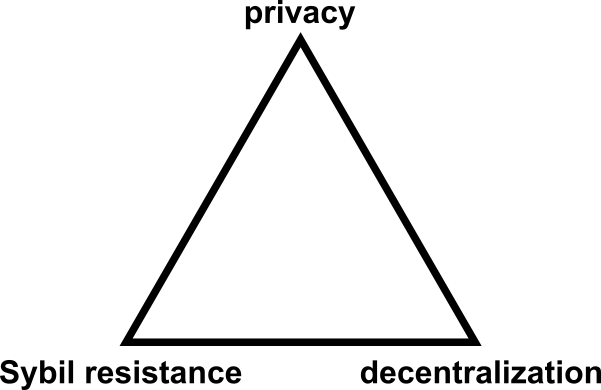
Is "acceptably non-dystopian" self-sovereign identity even possible?
In the recent paper about "soulbound" tokens, Vitalik Buterin et al. write that they aim to build technology that is "acceptably non-dystopian". Do any of today's self-sovereign identity projects fit that bill?