

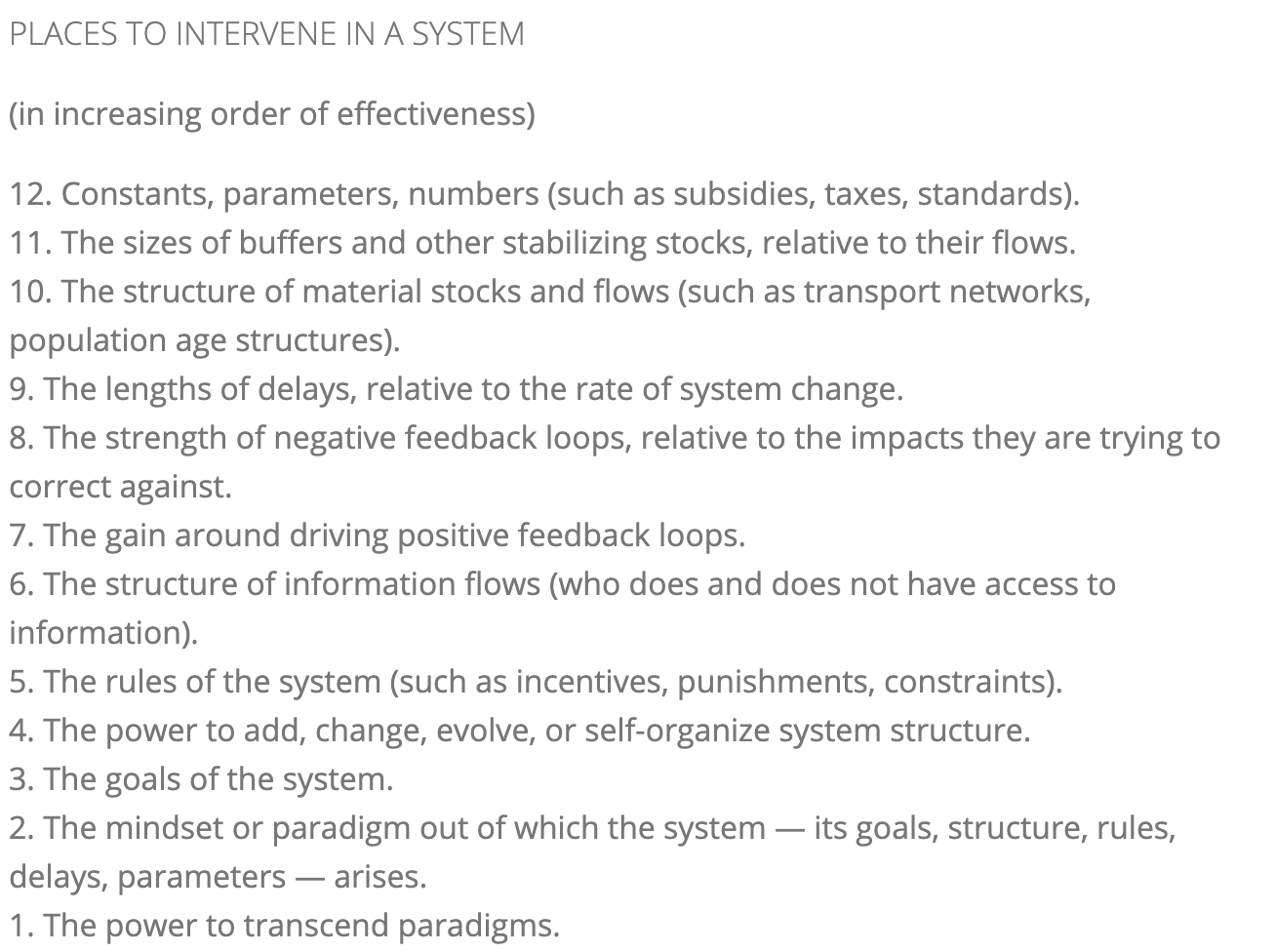
HN Discussion Here: I always loved getting problems of the type “What is the limit as x approaches infinity” type in high-school/college. You’re given an equation (of the classic y=x format), and a…
Systems: How the Ultra-Wealthy Think About Money - Anil Dash
A blog about making culture. Since 1999.

Cognitive-cultural economy
Cognitive-cultural economy or cognitive-cultural capitalism is represented by sectors such as high-technology industry, business and financial services, personal services, the media, and the cultural industries. It is characterized by digital technologies combined with high levels of cognitive and cultural labor.
Revenue Models (2026): 19 Different Ways to Make Money [B2B & B2C] - Gust de Backer
So many different revenue models... But, which one fits your business? Over the past few decades, many new revenue models have proven to be profitable. That's why I'm going to show you 16 different revenue models so you can evaluate if there might be a better way to monetize the value you deliver to your customer. Let's start... What is…

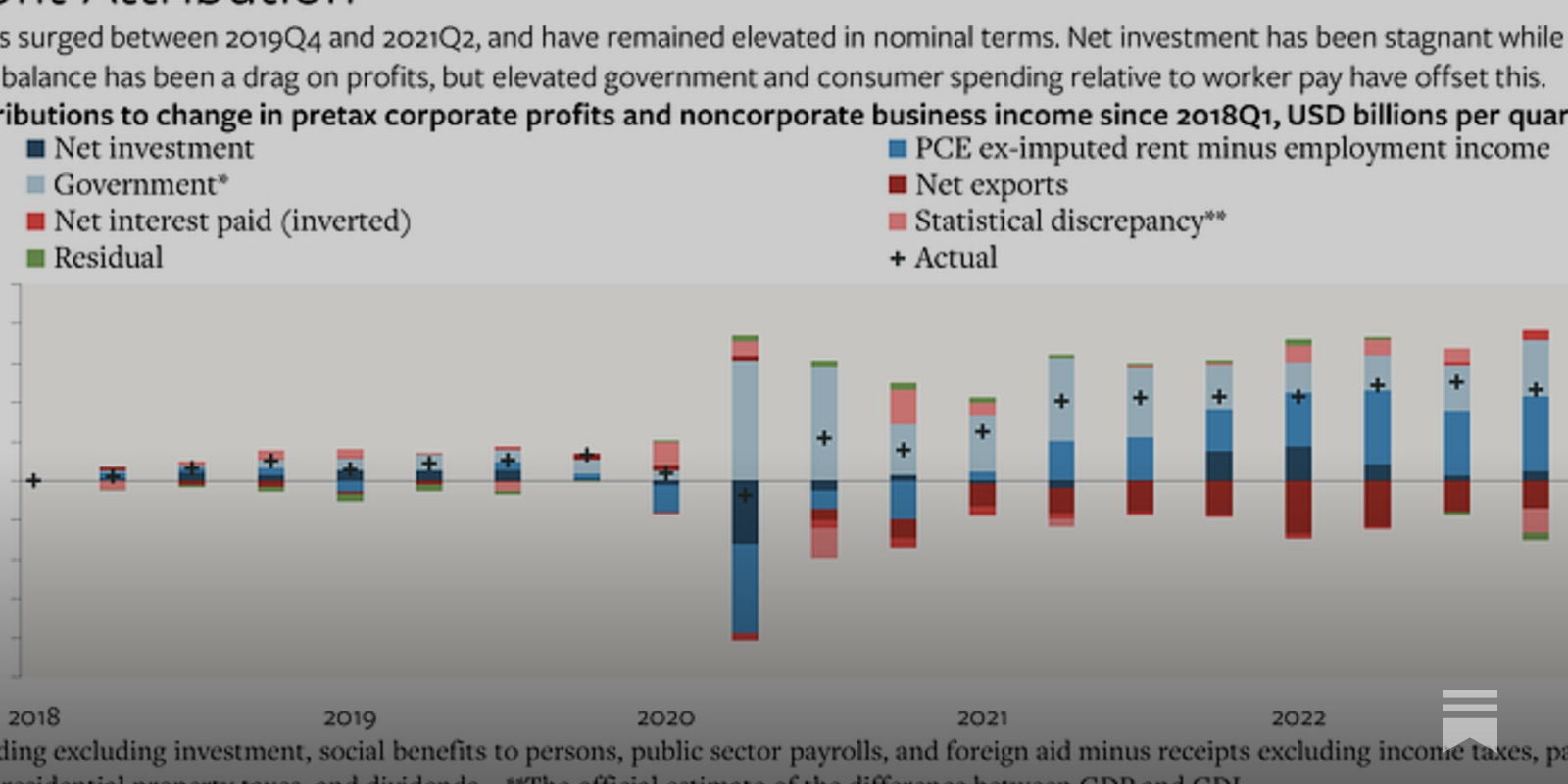
"Greedflation" and the Profits Equation
The assumption behind the "greedflation" thesis is that companies are choosing to squeeze volumes because they care more about unit margins than total profits. There are other possibilities.

Infinity Revenue, Infinity Possibilities
The Deceptively Cute Game Growing Faster Than Any Company in History
CMV: The labor theory of value is flawed
72 votes, 407 comments. This might be an obscure topic, however, in some—largely Marxist circles— the approach seems to motivate much of the dialogue…
Opinion | Why Is Behavioral Economics So Popular? (Published 2018)
The recent vogue for this academic field is in part a triumph of marketing.

Cognitive Capitalism - Public Seminar
There are broadly three ways of thinking historically about capitalism. One draws on Marx’s value theory and pretty much treats...Read More

Why the super rich are inevitable
Why some mathematicians argue the economy is designed to create a few super rich people – unless we stop it.
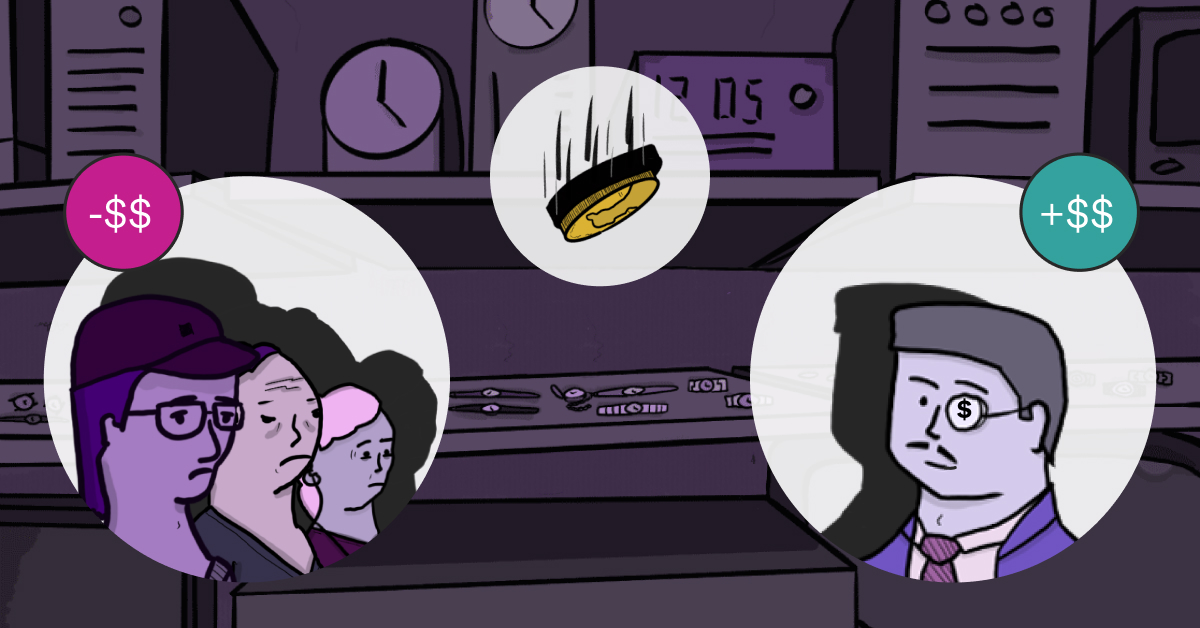
Pay Enough or Don't Pay at All*
Abstract. Economists usually assume that monetary incentives improve performance, and psychologists claim that the opposite may happen. We present and disc

Alienation, Idealization, and Modeling
Models allow us to expose, explore, and excavate our assumptions. This is especially true for the sorts of assumptions that concern scholars of marginalization and resistance, who aim to show how ...

NEW MODELS 2026®
NEW MODELS is a media channel and community addressing the emergent effects of networked technology on culture.
Too much of a good thing
Profits are too high. America needs a giant dose of competition

Do you mean “can the arts business model survive monopolies?” Half of the story here is of concentration of power in a quasi-monopsony (eg Spotify) and a de facto monopoly (LiveNation). That’s what’s actually killing the arts.

Joey Politano🏳️🌈
Can the arts business model survive AI? Perhaps the best guide is to look at how the arts survived past tech revolutions Take music—internet piracy and then streaming killed the lucrative CD market, but musicians mostly saved their jobs by focusing much more on live concerts

