Talking about male supremacy, conservative backlash, managing tetchy feelings, and embracing joyful feminist refusal. Click to read Unmanned, by Soraya Chemaly, a Substack publication with thousands of subscribers.
Opinion | A.I. Drones Are Coming. We Are Not Ready.
World leaders are marching us toward an uncertain era of new warfare — fast.

Beware of AI Sex Cult In SF and Berkeley
531 votes, 156 comments. Hi, salacious title, I know. I’m linking articles from Time Magazine and the SF Standard And here is a thread with LOTS of…
Good Robot
What is good technology? Is ‘good’ technology even possible? And how can feminism help us work towards it? The Good Robot addresses these crucial questions through the voices of leading feminist thinkers, activists and technologists. Each thinker provides a snapshot of key challenges, questions and provocations in the field of feminism and technology. While the question of whether various AI and technological advances can be ethical is not new, the embedded nature of feminist perspectives pulls out whether this perceived ‘goodness’ or ‘wrongness’ might actually impact our lives in the 21st century. This book explores both the radical possibilities of technology to disrupt practices of patriarchy, colonialism, racism and beyond but also provides a significant critique of how we can contain the ethical possibilities of entities we cannot predict. In exploring unjust technological practices and engaging critical voices in the tech industry, the existing moral issues are brought to light as well as the possible ethical quagmires. This book opens a new space of discussion on digital technologies – one that insists that the future of AI is an urgent feminist issue.

AI-powered online abuse: How AI is amplifying violence against women and what can stop it | UN Women – Headquarters
AI is turning online spaces into new frontiers of abuse. Feminist and tech experts, Laura Bates and Paola Gálvez-Callirgos, explain how it happens and how we fight back.

Drones in Visual Culture / Anna Jackman Converses with Elisa Serafinelli and Lauren Alex O’Hagan about Their Work - ASAP/Review
In recent years, the expansion of camera-laden drones has enabled and ushered in the production and consumption of new visual perspectives. Drone visuals are rapidly becoming part of our sociocultural imaginaries, at once generating distinct images that differ from traditional visual conventions and producing unexpected perspectives of the world that reveal hidden aspects of our surroundings.
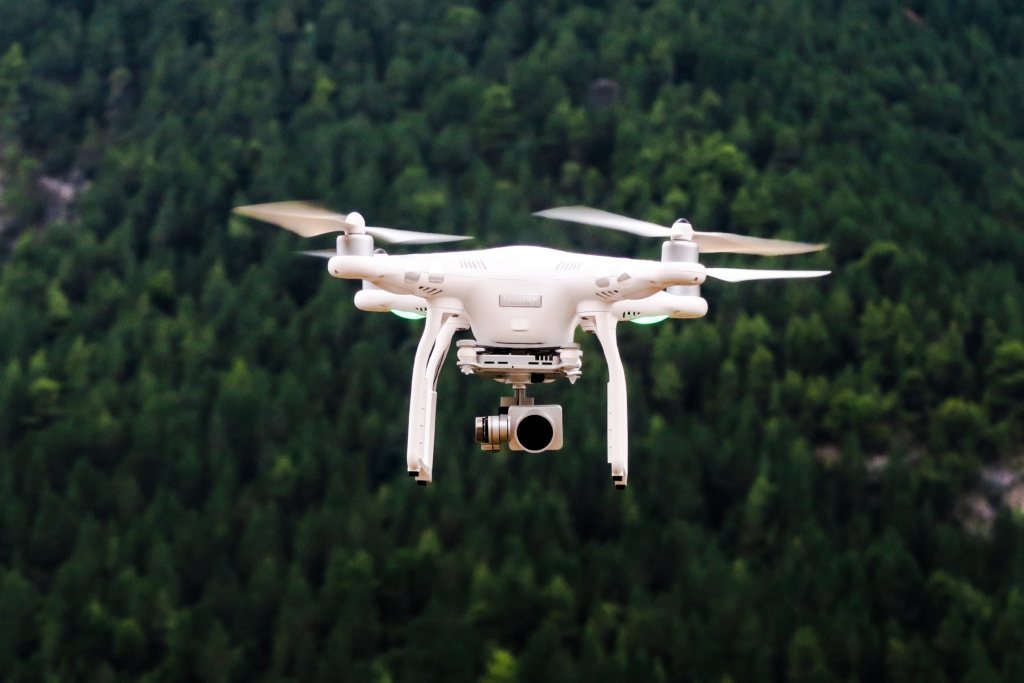
Frequently Asked Questions: International humanitarian law and the use of drones in armed conflict
The use of uncrewed vehicles in armed conflicts has grown significantly in recent years, raising humanitarian, legal, operational and security concerns. Armed remotely piloted aircraft – commonly known as “drones” – are now central to many military operations. While most drones are unarmed and used for surveillance or civilian purposes (such as disaster response, mapping or aid delivery), public debate has largely focused on armed drones and their impact on civilians.
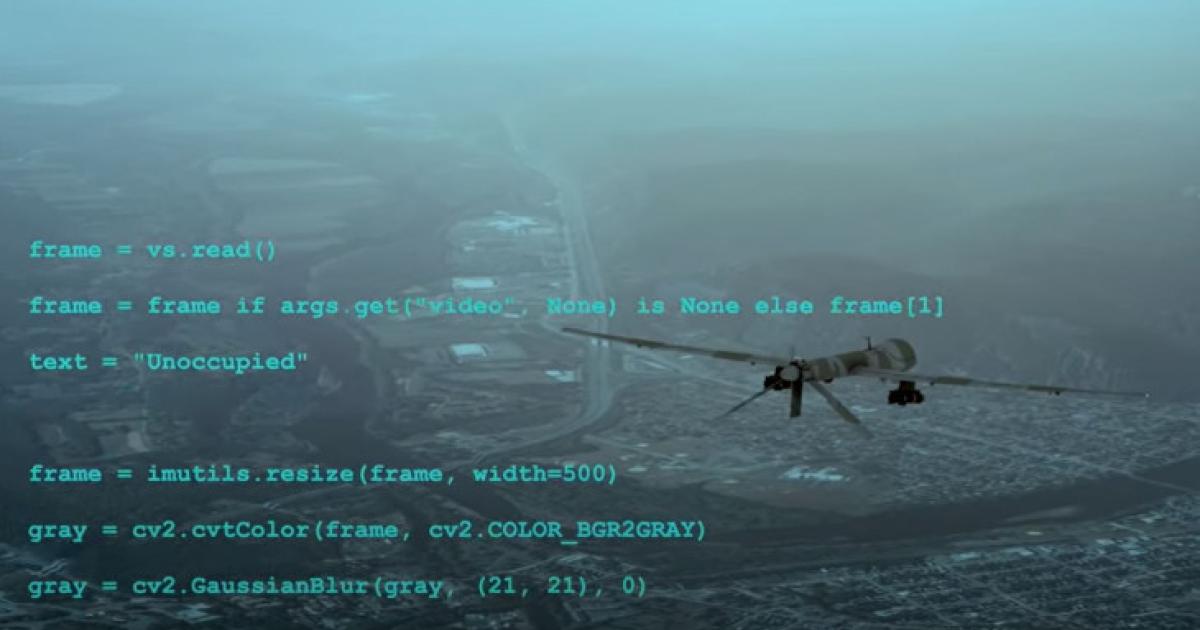
Drones are Changing How Wars Harm Civilians
Drones are rapidly changing war. Without global action, their use will lead to greater civilian harm and expand human suffering in conflict.
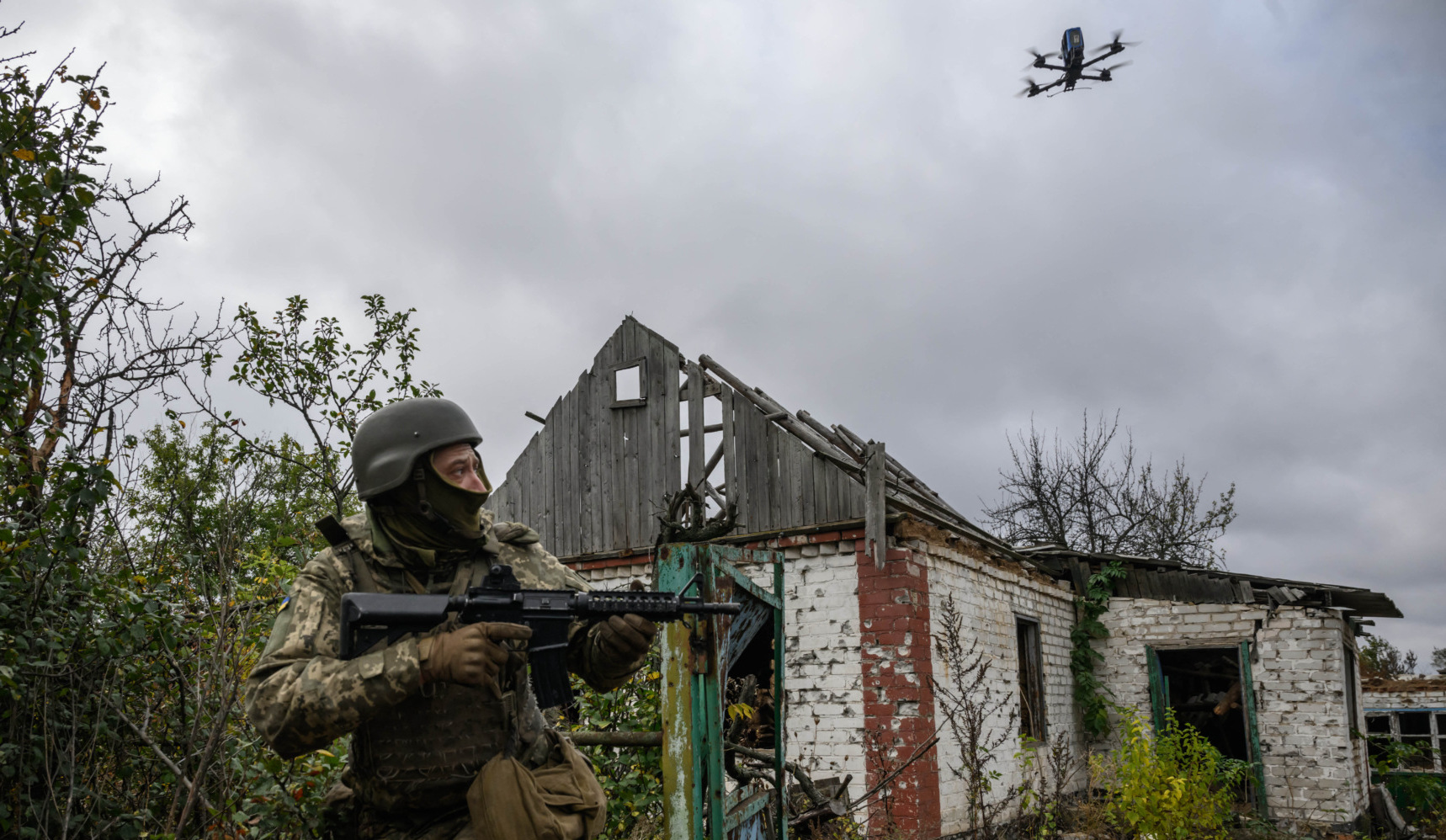
Design, Destroy, Dominate. The Mass Drone Warfare as a Potential Military Revolution
The widespread use of drones observed in Ukraine—both in terms of the scale of the fleets deployed and their omnipresence in the operations of both belligerents—appears to meet the conditions of a genuine military revolution.
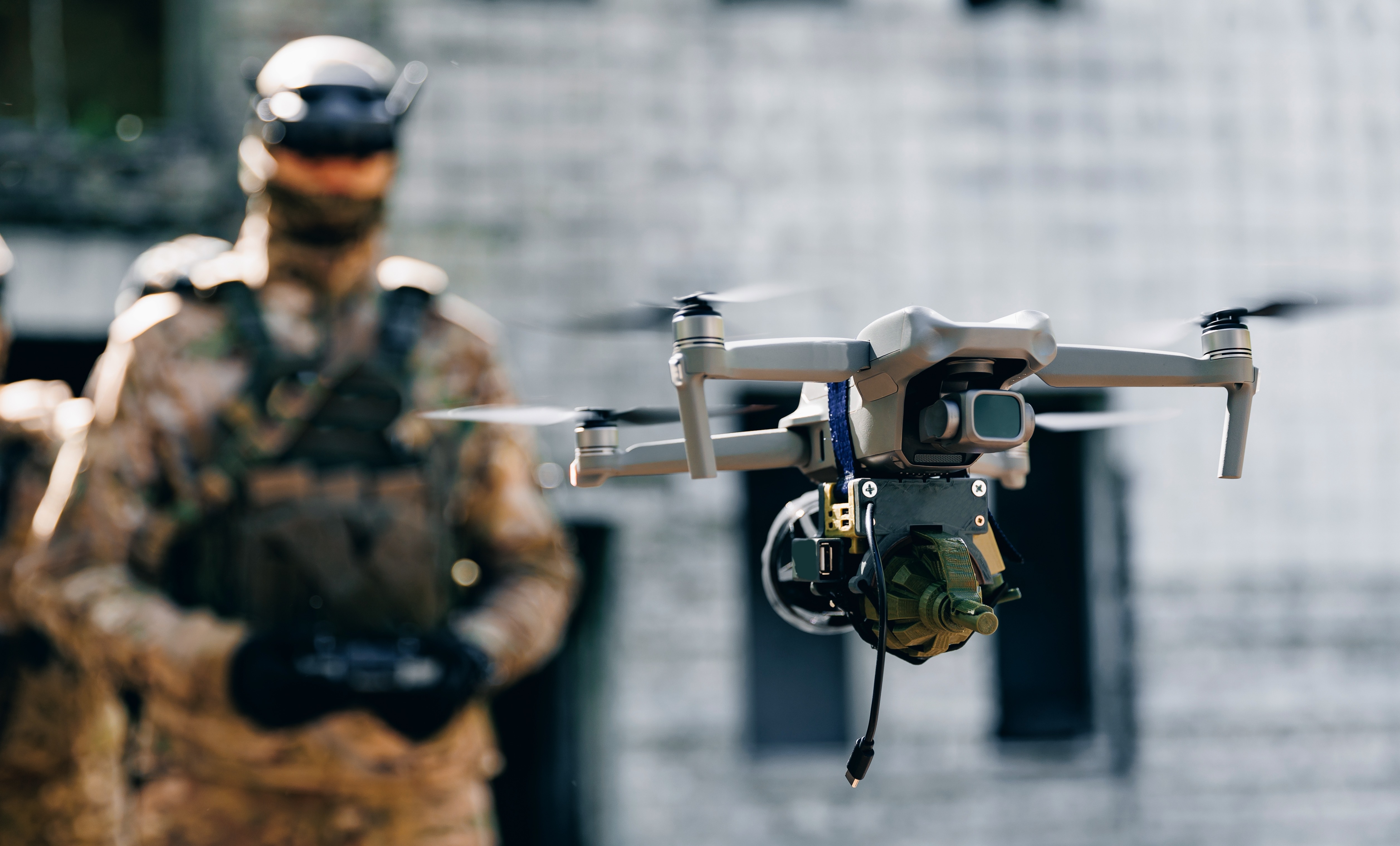
The shifting battlefield: technology, tactics, and the risk of blurring lines in warfare - Humanitarian Law & Policy Blog
The accelerating integration of emerging technologies into armed conflict is transforming not only the tools of war, but its tactics, geography, participants and impact. Technological developments – from commercial drones to artificial intelligence, electronic warfare to the military use of civilian infrastructure – risk undermining boundaries between military and civilian domains. These changes challenge long-held...
Drones in the African Battlespaces
C/O Futures Book ReviewLisa J. Campbell22 May 2026Addressing in their book an increasingly prescient topic, the co-editors of Drones in the African Battlespaces, have a background of research in security policy, defense, and global arms concerns. Wayne Stephen Coetzee, a senior lecturer in Political Science at the International Programme in Politics and Economics at the University West in Sweden, has focused his research on security politics, emphasizing the interactions between public and priva

The drones being used in Sudan: 1,000 attacks since April 2023
A visual analysis into the types of drones, sourcing methods, attack locations and the human toll of aerial warfare.

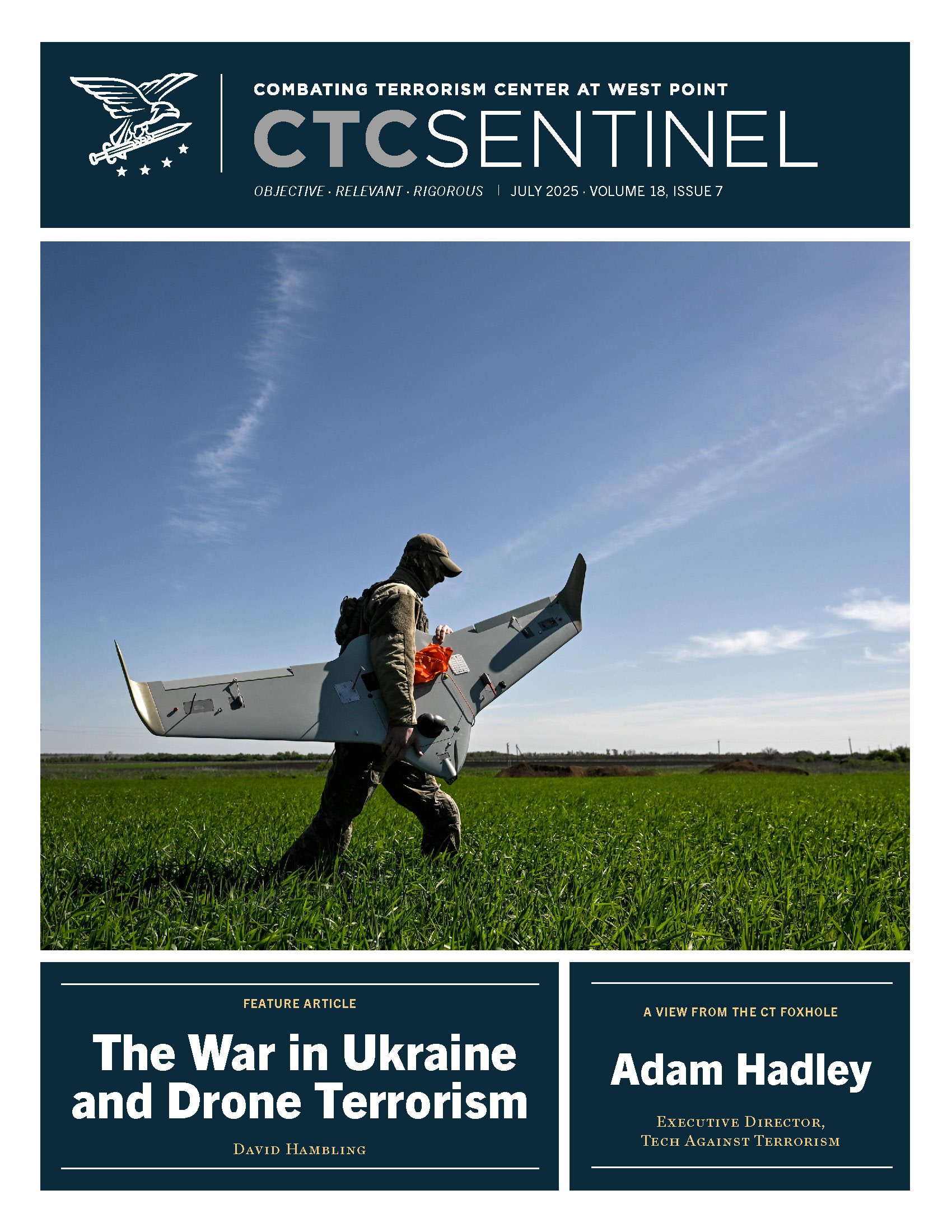
Moving Targets: Implications of the Russo-Ukrainian War for Drone Terrorism - Combating Terrorism Center at West Point
Abstract: Small and commercially available drones in the hands of violent extremists pose a rapidly growing terrorist threat. This article examines that threat in the light of the invasion of Ukraine. Consumer drones such as DJI Mavics, FPV racing drones, and Shahed-style one-way attack drones have become potent weapons. Their affordability, accessibility, and adaptability enable … Continued
Sex, AI, and the Apocalypse - Ian Duncan
How a community devoted to thinking clearly incubated salvation stories, abusive experiments, race science, and an affection for autocracy, and why that history matters now that its alumni are asking for the public trust on AI.
The Civilian Impact of Drones: Unexamined Costs, Unanswered Questions | Center for Civilians in Conflict
This joint report from the Center for Civilians in Conflict and Columbia Law School’s Human Rights Clinic is an in-depth look at the US government’s covert drone program and its impact on civilian populations. Our objective is to critically assess US government procedures and standards for ensuring civilian protection and responding to civilian harm from…

Above the law: Drones, aerial vision and the law of armed conflict – a socio-technical approach
Shiri Krebs is Professor of Law and ARC DECRA Fellow, Deakin University, Geel