


From Spain to Rojava to Myanmar, James Stout argues that the fiercest struggles against oppression don't just resist power—they build new ways of living together.
The short instructional manifesto for relationship anarchy
Andie Nordgren The short instructional manifesto for relationship anarchy 2006

Reimagining Ourselves at the End of Our World: Kinship, Interconnection, and Spirituality in the Metacrisis - The Great Simplification
Over the past decade, the world has become increasingly chaotic and uncertain – and so, too, has our cultural vision for the future. While the events we face now may feel unprecedented, they are rooted in much deeper patterns, which humanity has been playing out for millennia. If we take the time to understand past trends, we can also employ practices and philosophies that might counteract them – such as focusing on kinship, intimacy, and resilience – to help pave the way for a better future. How might we nurture the foundations of a different kind of society, even while the end of our current civilization plays out around us?

How Social Isolation Is Killing Us (Published 2016)
Research confirms our deepest intuition: Human connection lies at the heart of human well-being.

The most powerful institution in most people’s lives is their workplace. We care deeply about governmental democracy but accept dictatorships where we spend most of our waking hours. The cooperative movement has proven it doesn’t have to be this way.
10 Principles of Disability Justice | Sins Invalid
INTERSECTIONALITY “We do not live single issue lives” –Audre Lorde. Ableism, coupled with white supremacy, supported by capitalism, underscored by heteropatriarchy, has rendered the vast majority of the world “invalid.”
The World Files for Economic Divorce from America
What you do when your (trading) partner is abusive

Erin Kissane · Videos · XOXO
Writer/researcher Erin Kissane is working to build better and safer networks for collective survival, with efforts including the COVID Tracking Project, a powerful 40,000 word analysis of Meta’s role in the Rohingya genocide in Myanmar, and current research into the culture and governance of the next wave of social networks.

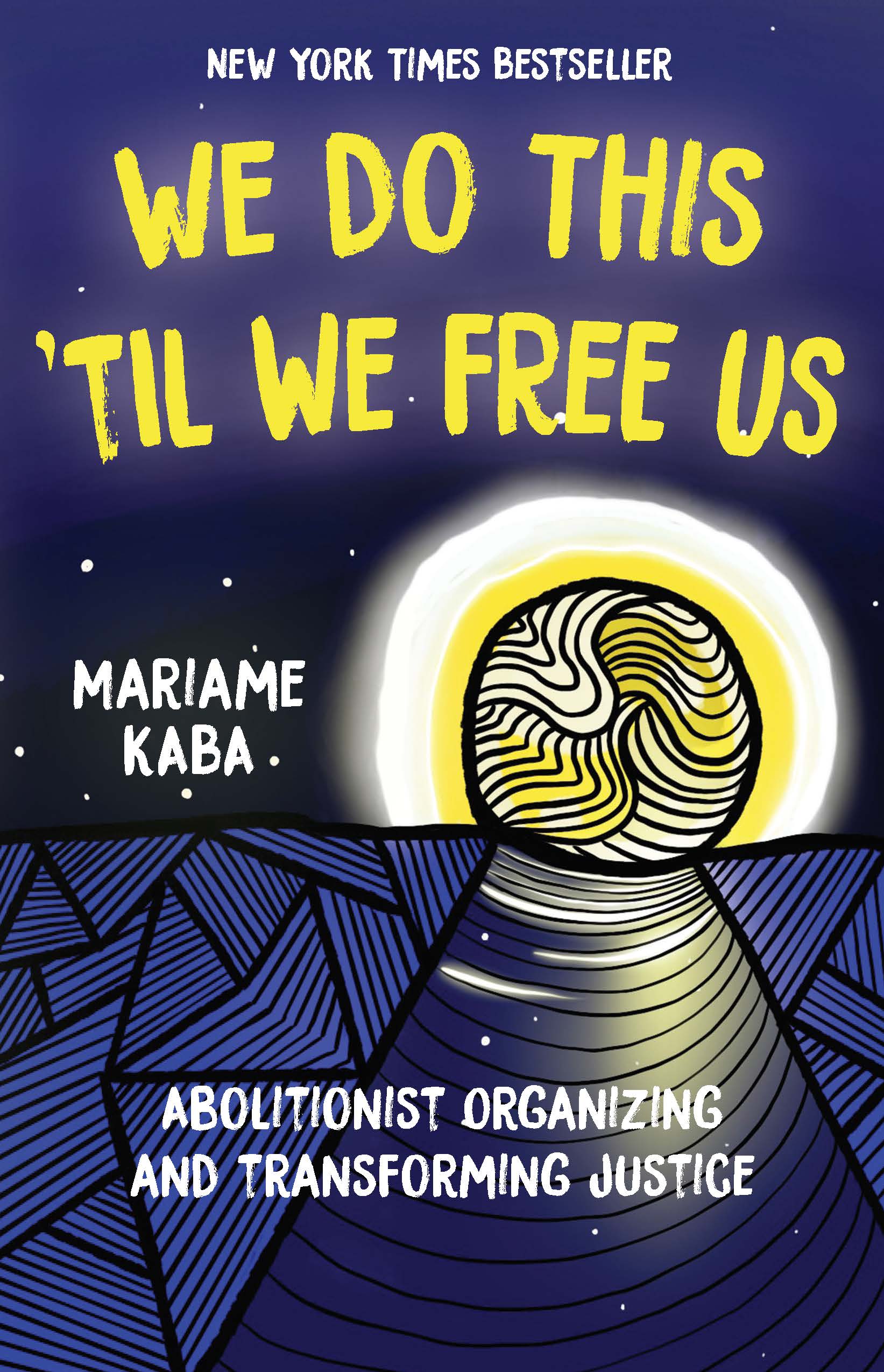
We Do This 'Til We Free Us
New York Times Bestseller “Organizing is both science and art. It is thinking through a vision, a strategy, and then figuring out who your targets are, always being concerned about power, always being concerned about how you’re going to actually build power in order to be able to push your issues, in order to be able to get the target to actually move in the way that you want to.” What if social transformation and liberation isn’t about waiting for someone else to come along and save us? What if ordinary people have the power to collectively free ourselves? In this timely collection of essays and interviews, Mariame Kaba reflects on the deep work of abolition and transformative political struggle. With a foreword by Naomi Murakawa and chapters on seeking justice beyond the punishment system, transforming how we deal with harm and accountability, and finding hope in collective struggle for abolition, Kaba’s work is deeply rooted in the relentless belief that we can fundamentally change the world. As Kaba writes, “Nothing that we do that is worthwhile is done alone.”
Solitude and Leadership - The American Scholar
If you want others to follow, learn to be alone with your thoughts

What to Do as the World Falls Apart: A Framework for Action | Frankly 132
Podcast Episode · The Great Simplification with Nate Hagens · March 20 · 53m

Nurturing Our Humanity: How Domination and Partnership Shape Our Brains, Lives, and Future - The Center for Partnership Systems
By Riane Eisler and Douglas P. Fry Nurturing Our Humanity: How Domination and Partnership Shape Our Brains, Lives, and Future, by Riane Eisler and Douglas P. Fry, holds the key to a clear perspective on our personal and social options in today’s world, showing how to structure our environments – from family and gender relations […]

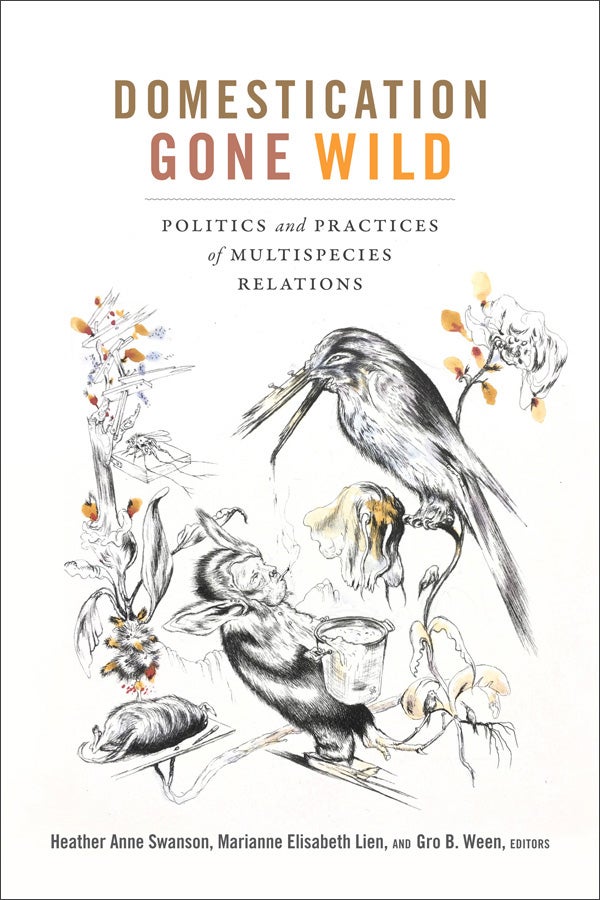
Domestication Gone Wild: Politics and Practices of Multispecies Relations
“What do Pacific salmon, British falcons, pine trees everywhere, Ifugao pigs and spirits, and Norwegian apples have in common? They perform ‘domestication’ in ways certain to change the narratives and politics of domestication for scholars of whatever discipline and for critter people all over the earth. Read this book for up-to-the-minute, deeply researched, very smart, contentious takes on the shapes of conjoined humans and nonhumans living and dying together in diverse histories of civilization, colonialism, capitalism, times-past, and times-yet-to-come. Perhaps what opens up in this book are real possibilities for caring more materially in urgent times.” - Donna J. Haraway, author of Staying with the Trouble: Making Kin in the Chthulucene
A Luxury Survivalist Community Is Tearing Itself Apart
They went to South Dakota to ride out the apocalypse at a ‘5-star’ bunker compound. They’re already at each other’s throats with HOA-style grievances.

[Essay] What to Do As the World Falls Apart: A Framework for Action
This essay is adapted from the Frankly episode posted on March 20th, 2026 titled, “What to Do As the World Falls Apart: A Framework for Action.”

Organizing

Governance, collaboration, how to work together without being awful.
Relationship Anarchy

The principles of Anarchism, applied to our relationships. Will also discuss amatonormativity, which tends to also pull in acespec.

A love story

Be jealous. Make demands. Want more.
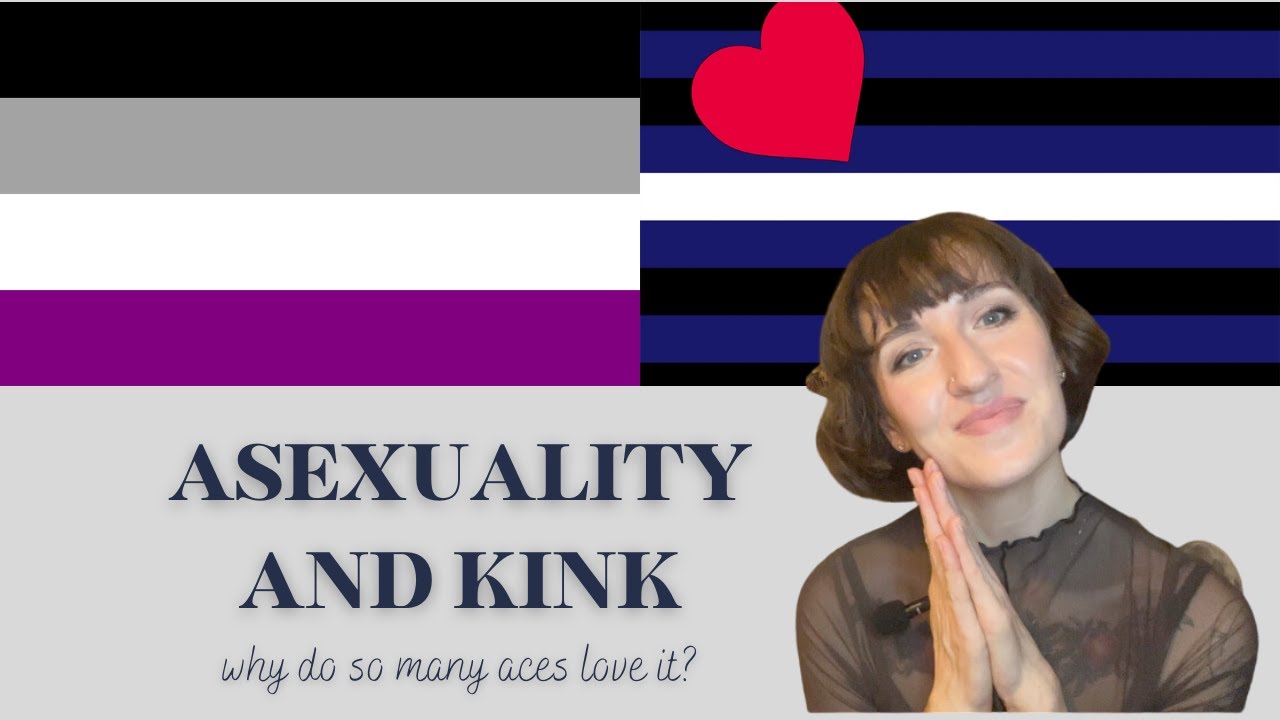
Asexuality and Kink: Why Do So Many Aces Love It?

A Theory of Messaging Styles & Ghosting.
Relationship Design
A Typology of Insecurities in Non-monogamy
Conflict Systems
Spaces as Layers - Nick's Blog
web.archive.org
Axioms for Organizers by Fred Ross, Sr. | Fred Ross, Sr.
The Tyranny of Stuctureless
cdn.fastly.steamstatic.com