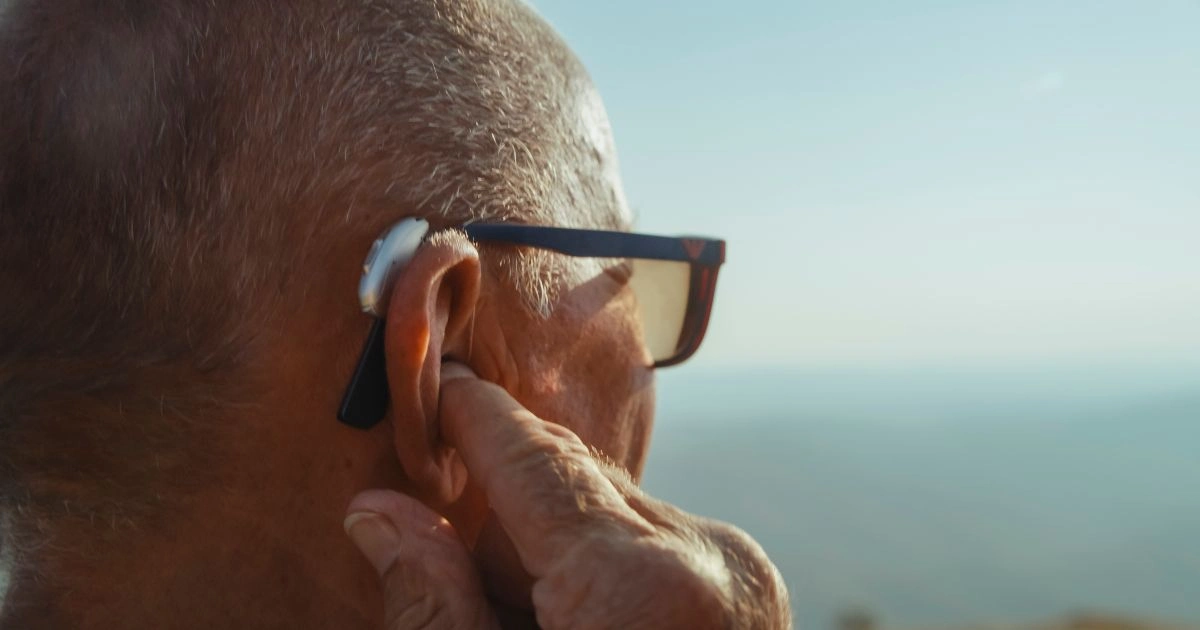
In 2012, electrodes will bring eyesight to the blind
Will Their Bionic Eyes Be Obsolete and Unsupported Too?
As another retinal implant company goes broke, the tech’s future dims

eSight - Electronic eyewear for the visually impaired
eSight is the most advanced all-in-one device for people with visual impairment. Fill out our online form to learn if eSight could help you.

Their Bionic Eyes Are Now Obsolete and Unsupported
These early adopters found out what happened when a cutting-edge marvel became an obsolete gadget... inside their bodies.

Artificial intelligence-powered smart vision glasses for the visually impaired
Purpose: In India, 4.80 million people are blind, and 4.69 million have severe visual impairment. Globally, the digital era and the advent of artificial intelligence devices offer solutions for daily challenges faced by the visually impaired, but they are often expensive. This study evaluates the acceptance and usability of a cost-effective AI-powered spectacle-mounted assistive device in a multicentric Indian cohort. Methods: Smart vision glass (SVG) is a lightweight tool, mounted on a spectacle frame with braille-coded keys and a real-time voice interface for guiding the visually impaired, and is connected to a smartphone Android App. The four major functions of the device are as follows: “Things Around You,” “Reading,” “Walking Assistance,” and “Face Recognition.” Ninety participants were recruited from five vision rehabilitation centers across India, and feedback was collected after a month’s usage. Results: The mean age of the participants was 23.5 years (range: 6 to 56 years) with 58.9% male; 51% from rural areas; and 64.4% students. As per the World Health Organization (WHO) classification, 90% of the participants were blind (best corrected visual acuity in better eye less than 3/60). A total of 100% of the participants were able to access all the functions of the SVG. Participants reported a positive experience with “Reading” (72.9%), “Things Around You” (44.7%), “Face Recognition” (36.5%), and “Walking Assistance” (22.4%). About 2/3rd of the participants utilized the device for an hour or more per day. Conclusion: SVG is a promising cost-effective device for the blind and severe visually impaired in aiding their day-to-day challenges and becoming self-reliant.

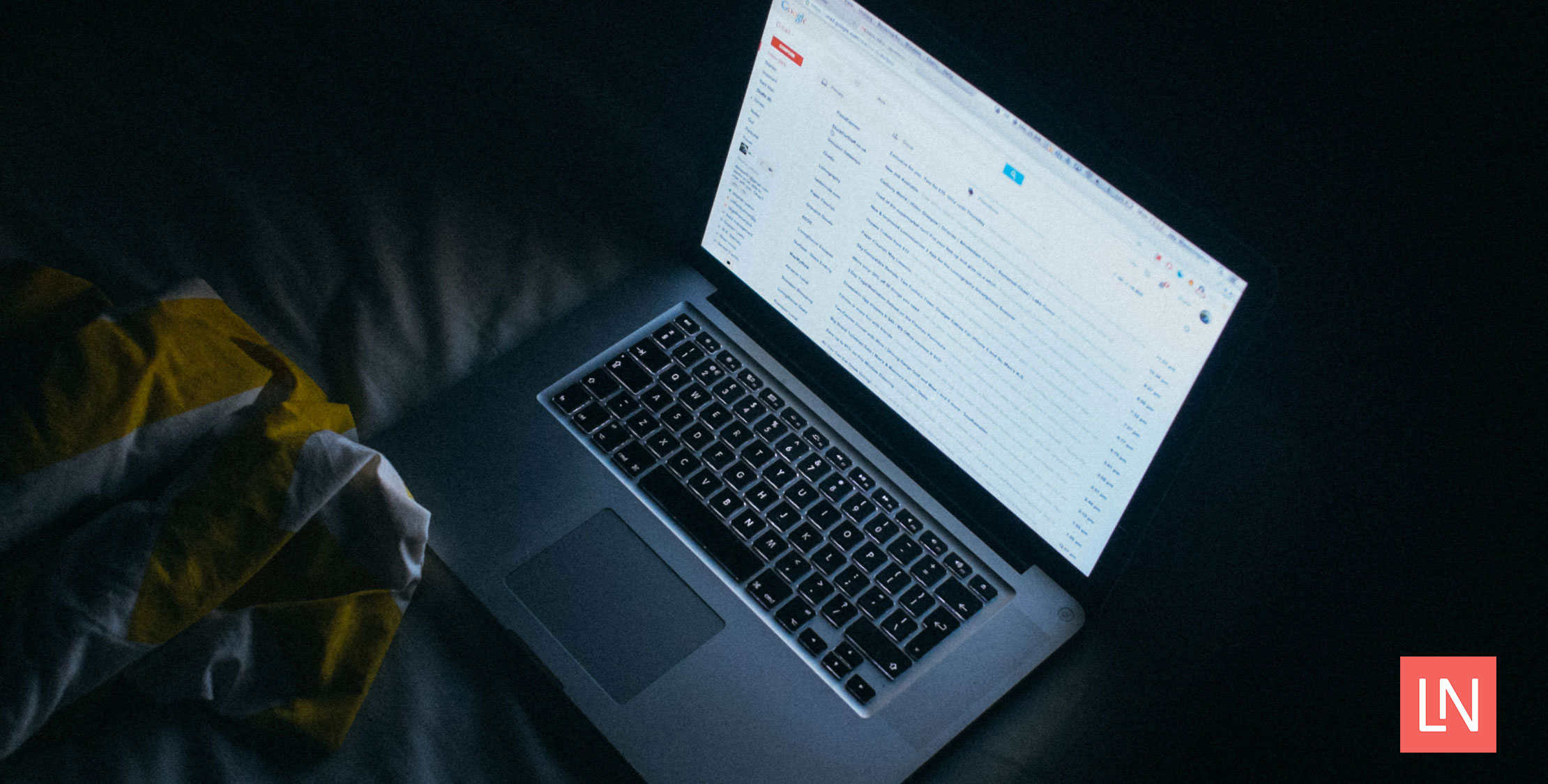
Computer Vision Syndrome
In no point in human history have people been staring at bright screens just a few feet from their face like they are today. Computer vision syndrome or CVS (no…
Study Finds Growing Workplace Use of Smart Glasses and Generative AI Among Workers with Visual Impairments | Naric
A study funded by the National Institute on Disability, Independent Living, and Rehabilitation Research (NIDILRR).
Apple Vision Pro review: Eyes on the future
It's been a very long time since Apple released a product as speculative and impractical as the Vision Pro, its $3499 first-generation "spatial computing" headset. Led by Apple, today's technology…

Situational Blindness
This response may be read as a standalone piece, though it will of course be more meaningful if you read the original article first.
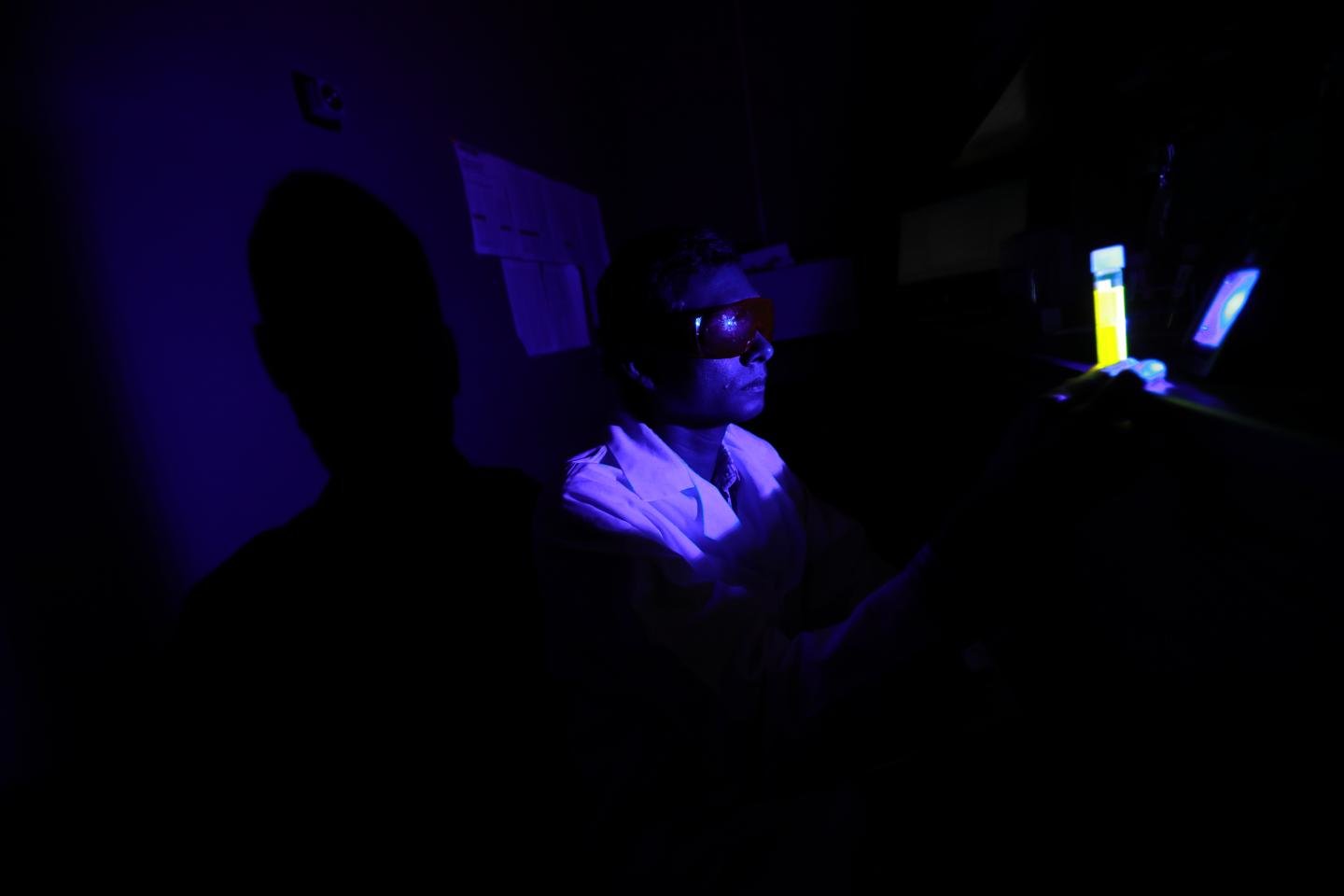
Chemists discover how blue light speeds blindness
Blue light from digital devices and the sun transforms vital molecules in the eye's retina into cell killers, according to optical chemistry research at The University of Toledo.
Be My Eyes Smartglasses
Learn how Be My Eyes smartglasses enhance accessibility through Meta AI Glasses in numerous countries and how to get yours.
Envision Glasses
AI-powered smartglasses that articulate everyday visual information into speech, providing independence and possibilities for people who are blind or have low vision.

Is Meta Using Disabled People to Promote Its Glasses?
AI glasses are a double-edged sword for disabled people, who face unique risks from surveillance.

Smart glasses controversy sidelines the benefits for disabled people | Letter
Letters: Guardian readers reflect on the ableism rife in the debate about Ray-Ban Meta eyewear, despite the life-changing difference they can make
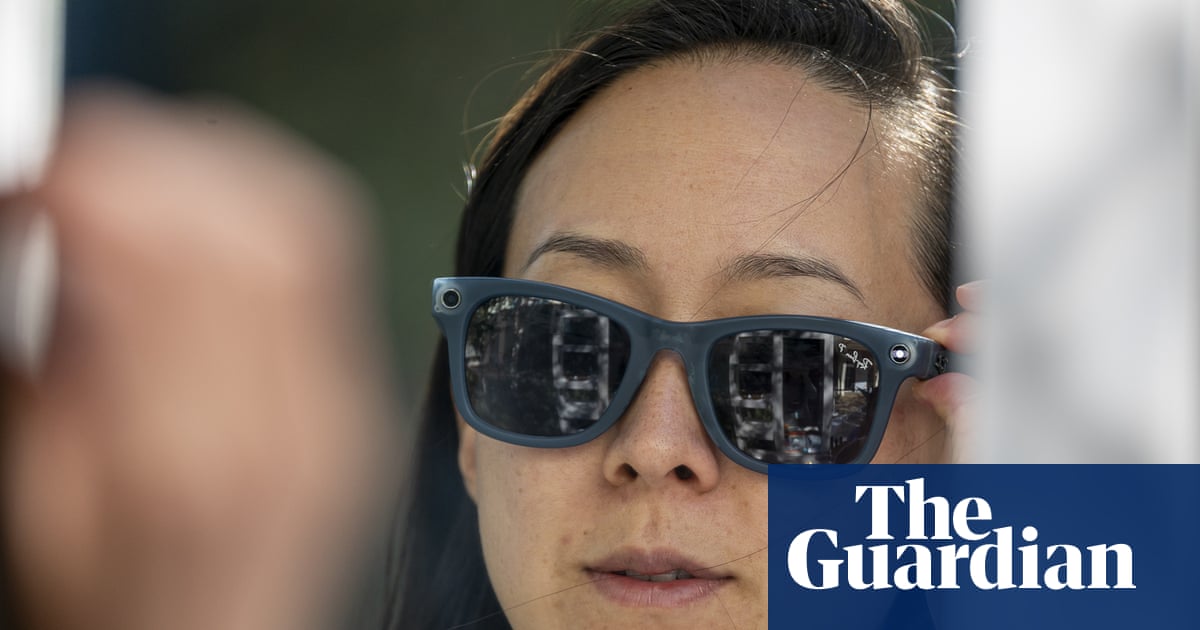
Smart glasses controversy sidelines the benefits for disabled people | Letter
Letters: Guardian readers reflect on the ableism rife in the debate about Ray-Ban Meta eyewear, despite the life-changing difference they can make
Artificial intelligence-powered glasses could be a gamechanger for those with hearing loss | About | University of Stirling
A project building on a 2015 University of Stirling study could harness AI to support those with hearing loss