

With traditional community spaces underfunded and neglected, investing in the health of our online gathering places has become essential. <meta property=
New_ Public Invests in Local Online Spaces as Digital Civic Infrastru…
archived 11 Apr 2025 17:34:52 UTC


Creating a Flourishing Digital Public Space for Your Local Area | Notion
A how-to guide for admins and moderators of inclusive, uplifting, and public-spirited local Facebook groups, Discord servers, subreddits, and more...

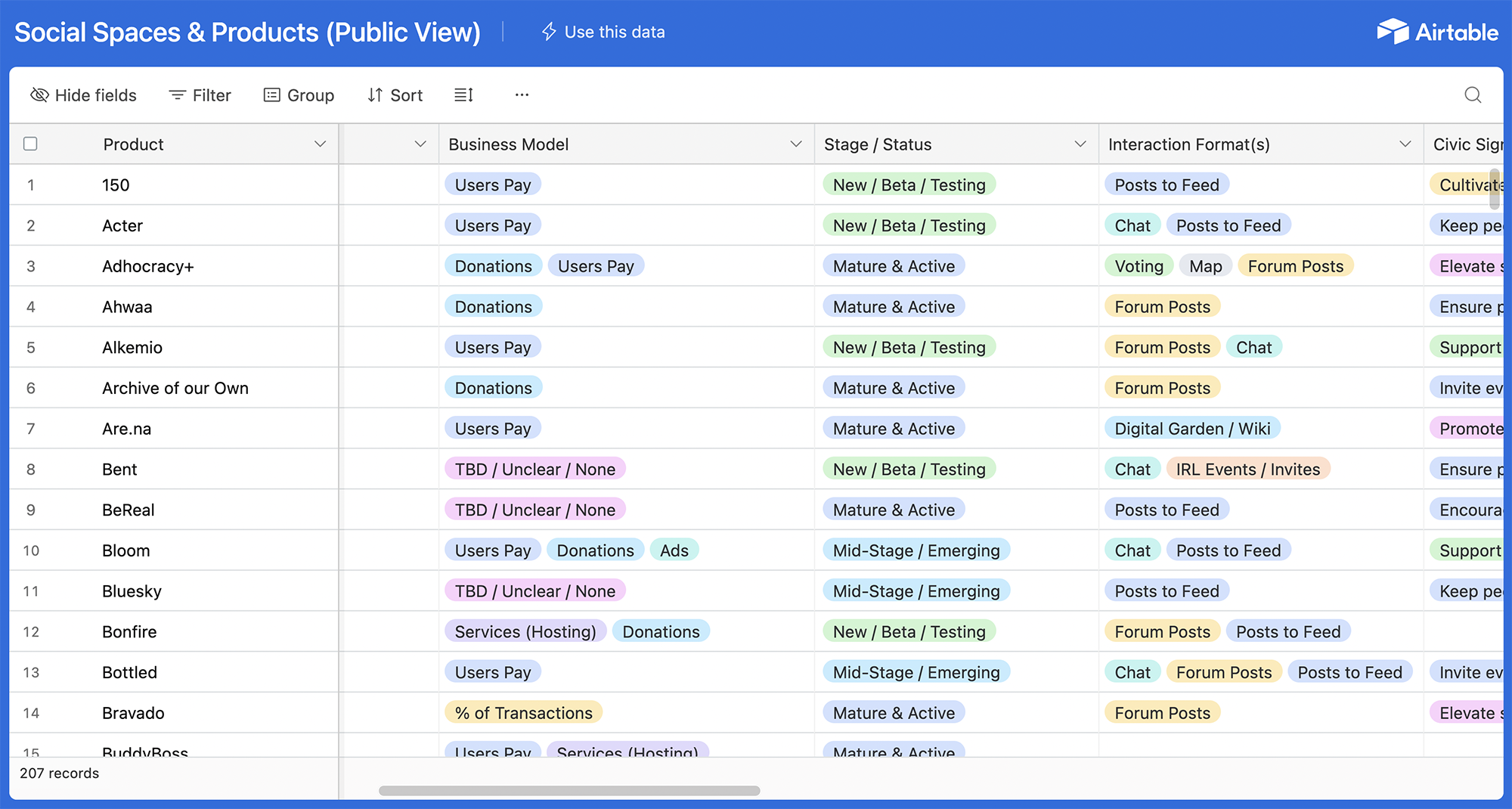
Digital Spaces Directory | New_ Public
As the social media landscape changes and a new wave of digital spaces emerges, this Directory is meant to be a resource for our field — a jumping-off-point for further exploration and research for anyone who’s interested in studying, building, stewarding, or simply using digital social platforms. We hope this will inspire creative exploration, spark new collaborations, and highlight important progress.
The Local Connection Crisis: New Data on What Communities Need
Neighborhood Steward Fellowship | New_ Public
An eight-week program bringing together leaders of local-oriented online spaces to experiment with fun new practices and ideas
PARA
Civic social infrastructure for communities, governance, and public participation.
Our Civic Signals research | New_ Public
The Civic Signals are 14 indicators of healthy online spaces, based on years of research into what makes online communities work.
Digital Sanctuaries Mimic a Sense of Community and Belonging. Do They Succeed? | Highbrow Magazine
Discord channels have become the new salons; group chats are our bowling alleys.

Thoughts on Cyberpositionality: The Construction of Digital Communities in Digital Spaces, Damien Patrick Williams
I found Rebecca Monteleone, Martin Perez Comisso, and Elma Hajric’s “Cyberpositionality: Sociotechnical Location in the Digital Age” (2024) to be an extremely timely and important article which can…

Digital Locality
The Paper Pilot's digital garden of thoughts on philosophy, politics, and sociology. Reading time: ~10 minute read | Published: Nov 21, 2024 | Updated: Aug 3, 2026

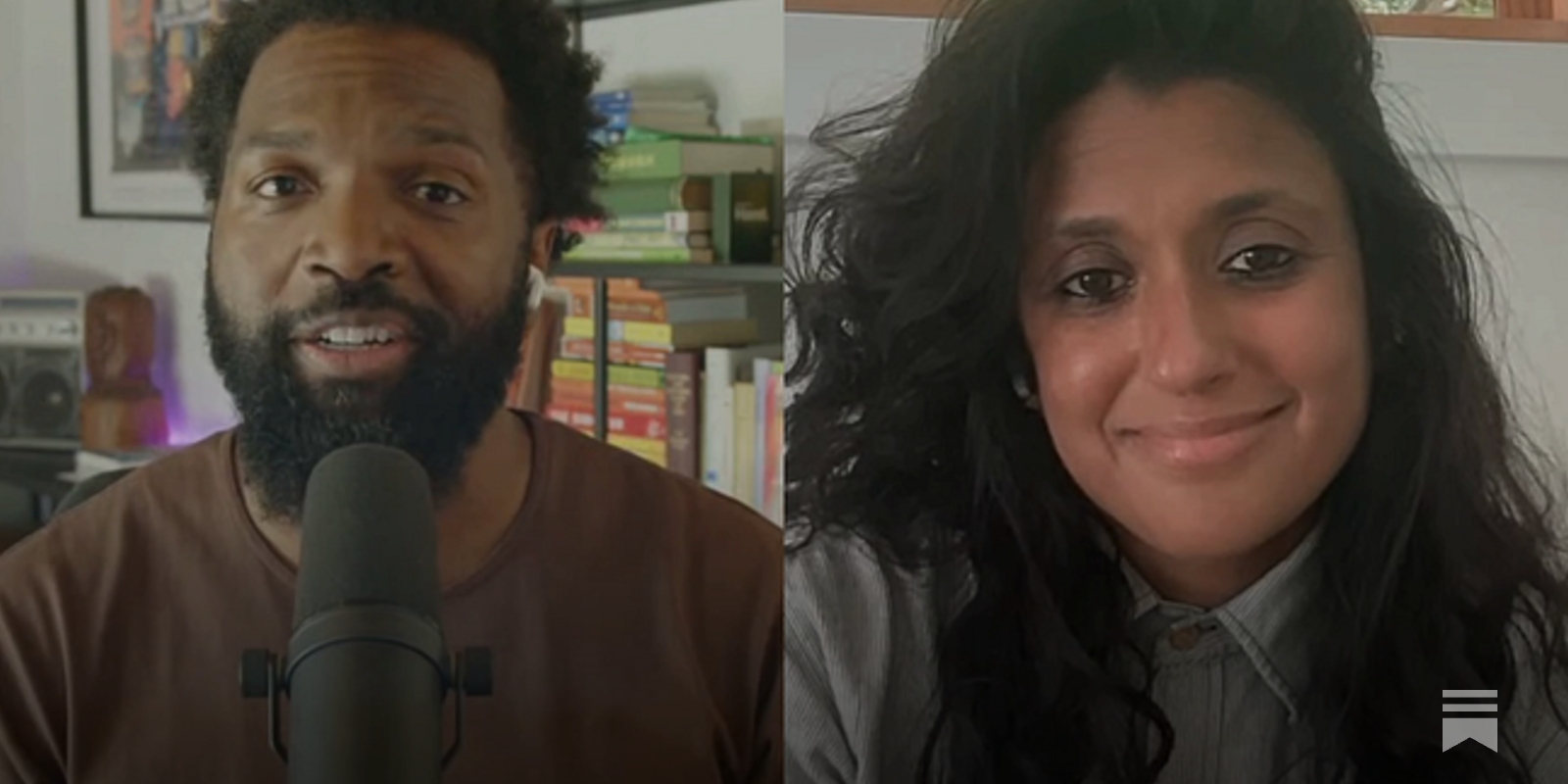
Building Digital Public Parks with Deepti Doshi
Designed for trust and connection, not ad clicks and outrage
New_ Public
We are researchers, engineers, designers, and community leaders working together to create digital public spaces where people can thrive and connect.

Digital gardens let you cultivate your own little bit of the internet
A growing number of people are creating individualized, creative sites that eschew the one-size-fits-all look and feel of social media
What Good Is ‘Community’ When Someone Else Makes All the Rules? (Published 2018)
Life online can offer us a sense of belonging in any number of virtual villages. But the power to control those spaces isn’t very communal at all.

Home Page
We are an international community of communities bound by a common interest in persistent infrastructure. So far, we have welcomed agencies that manage communities spanning entertainment, standards, the built environment, natural history collections, scholarly communications, and research data.