


This paper provides early evidence on the integration and impact of Generative Artificial Intelligence (GenAI) in accounting at both the accountant and task lev
Human + AI in Accounting: Early Evidence from the Field
This paper provides early evidence on the integration and impact of Generative Artificial Intelligence (GenAI) in accounting at both the accountant and task lev
How generative AI can make accountants more productive | MIT Sloan
A new study finds that working with artificial intelligence boosted efficiency and reporting quality. But human expertise still matters.

Human + AI in Accounting: Early Evidence from the Field
This paper provides early evidence on the integration and impact of Generative Artificial Intelligence (GenAI) in accounting at both the accountant and task levels. Using a multi-method approach, we first identify the heterogeneous adoption patterns, perceived benefits, and concerns through survey data from 277 accountants, which we formalize into testable predictions. Leveraging field data from a technology firm providing AI-based accounting software to 79 small- and medium-sized enterprises, we analyze hundreds of thousands of transaction-level records. We document significant productivity gains among adopters, including an 18% increase in weekly client support per standard deviation of AI use, with estimates reaching 59% when comparing the highest to lowest usage levels. We also find a reallocation of approximately 9% of accountant time from routine data entry toward high-value tasks. AI use corresponds to improved financial reporting quality, evidenced by a 12% increase in ledger granularity and a 7.5-day reduction in monthly close time. Experienced accountants selectively intervene when AI confidence scores are low, suggesting complementarity between expertise and AI. A framed field experiment shows that accountants sometimes over-rely on inaccurate AI-suggested classifications, illustrating risks of AI use. Overall, our findings highlight AI’s role in potentially augmenting, rather than replacing, professional accounting expertise.
Generative AI and Finance
Since ChatGPT's release in 2022, demand for artificial intelligence (AI)–related skills in finance has grown rapidly, as generative AI drives significant technological changes in both the financial research field and the broader economy. We show that financial occupations are highly exposed to the productivity effects of generative AI, review the literature on the impact of ChatGPT on firm value, and provide directions for future research investigating the impact of this major technology shock. Generative AI also holds great potential as a tool for finance researchers and practitioners: We review and describe innovations in research methods linked to improvements in AI tools, along with their applications. We offer a practical introduction to available tools and advice for researchers in academia and industry interested in using these tools.

Consumer Finance AI Standard
AI (artificial intelligence) is making consequential decisions about consumers’ financial lives, including who gets access to credit, which claims get paid, what financial products consumers are shown, and how users are advised to manage their accounts, among many others. It’s doing this at scale, largely out of sight, and with almost no accountability when it
Journal investigating paper on cognitive impact of generative AI
A paper about the effects of generative AI use on confidence in work tasks is under investigation after critics raised questions about the study design, data analysis and ethics approval for the re…
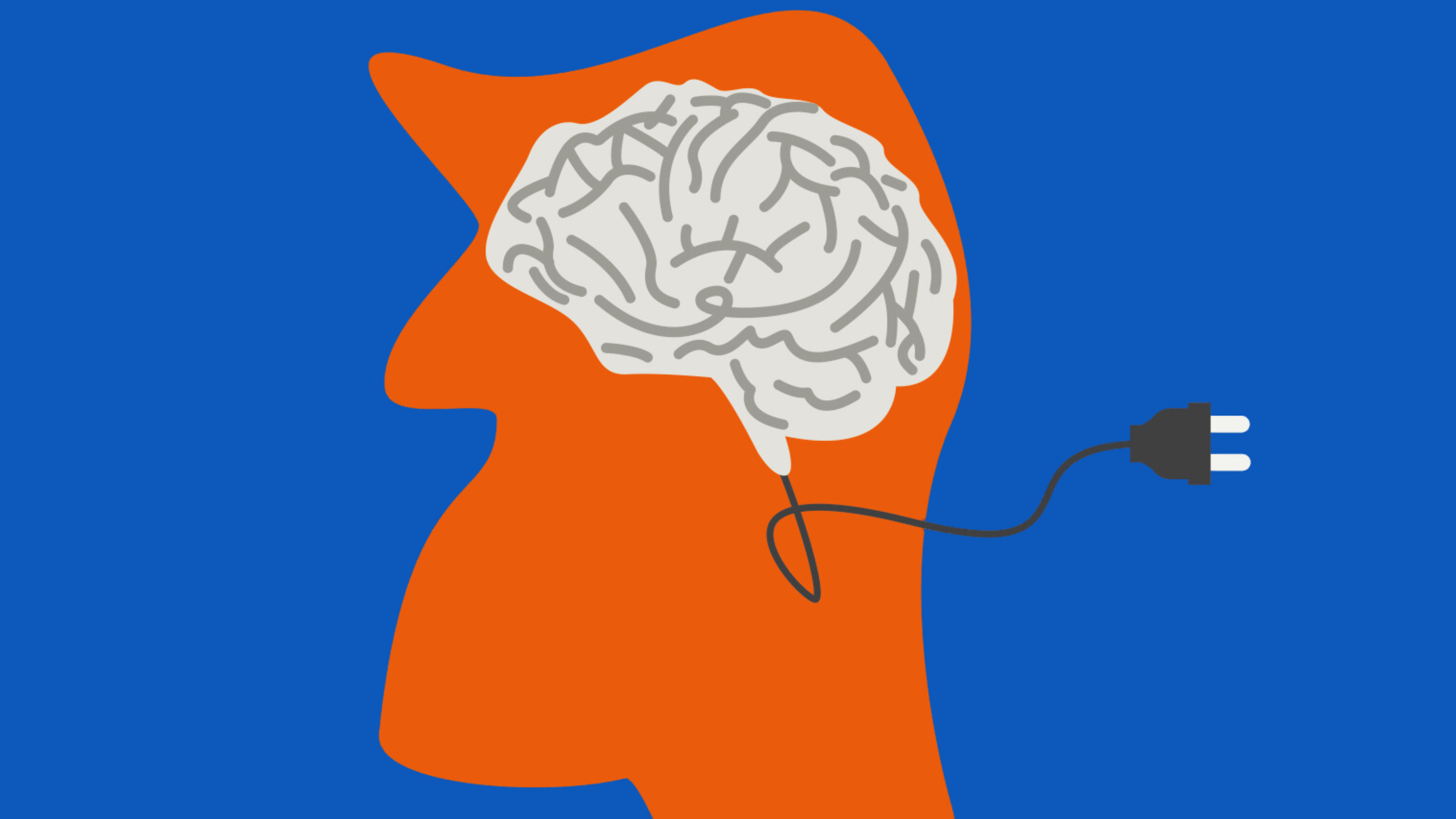
The AI productivity myth is more harmful than you think
Perceived productivity may be up thanks to AI, but there's debt collecting in the shadows.
Perspectives on mental accounting: An exploration of budgeting and investing
This article provides an overview of recent advances in the literature on mental accounting within the context of consumer financial decision‐making. We first discuss the categorization process that underlies mental accounting and the methods people use to categorize funds. We then highlight some of the notable work that examines how mental accounting influences budgeting, spending, and investment decisions. The article concludes by proposing an agenda for future research, focusing on current gaps in our knowledge and promising areas to explore.

A Structural Model of Mental Accounting
We construct and estimate a formal economic model of mental accounting where utility maximizing consumers facing rationality constraints infrequently update the
Business Insider
Business Insider sees AI as a valuable tool. Newsroom staff may employ approved AI tools to assist with drafting, transcription, research, data analysis, fact-checking, and more. There is always human oversight when our journalists use AI, and they are responsible for the accuracy, fairness, originality, and overall quality of everything we publish. We also use AI for some automated products without human oversight, such as our search tool and audio briefing. We transparently label any products or content fully generated by AI. The technology, industry standards, and the law around AI are all evolving, and our thinking on this may evolve over time.
How Generative and Agentic AI Shift Concern from Technical Debt to Cognitive Debt
The term technical debt is often used to refer to the accumulation of design or implementation choices that later make the software harder and more costly to understand, modify, or extend over time...

Artificial Intelligence for Economic Development Conference: Roundup of 27 presentations
Is artificial intelligence the future for economic development? Earlier this month, a group of World Bank staff, academic researchers, and technology company representatives convened at a conference in San Francisco to discuss new advances in artificial intelligence. One of the takeaways for Bank staff was how AI technologies might be ...

AI, Human Cognition and Knowledge Collapse
We study how generative AI, and in particular agentic AI, shapes human learning incentives and the long-run evolution of society’s information ecosystem. We bui
AI, Human Cognition and Knowledge Collapse
We study how generative AI, and in particular agentic AI, shapes human learning incentives and the long-run evolution of society’s information ecosystem. We bui
Embracing Gen AI at Work
Today artificial intelligence can be harnessed by nearly anyone, using commands in everyday language instead of code. Soon it will transform more than 40% of all work activity, according to the authors’ research. In this new era of collaboration between humans and machines, the ability to leverage AI effectively will be critical to your professional success. This article describes the three kinds of “fusion skills” you need to get the best results from gen AI. Intelligent interrogation involves instructing large language models to perform in ways that generate better outcomes—by, say, breaking processes down into steps or visualizing multiple potential paths to a solution. Judgment integration is about incorporating expert and ethical human discernment to make AI’s output more trustworthy, reliable, and accurate. It entails augmenting a model’s training sources with authoritative knowledge bases when necessary, keeping biases out of prompts, ensuring the privacy of any data used by the models, and scrutinizing suspect output. With reciprocal apprenticing, you tailor gen AI to your company’s specific business context by including rich organizational data and know-how into the commands you give it. As you become better at doing that, you yourself learn how to train the AI to tackle more-sophisticated challenges. The AI revolution is already here. Learning these three skills will prepare you to thrive in it.

I'm no accounting expert, but getting your accounting compared to Enron seems...not great. Fortunately Amanda Iacone is an accounting expert (follow her on LinkedIn. I don't think she's here), and she and our graphics team explain it well.

Big Tech AI Spree Revives Accounting Devices That Toppled Enron
news.bloomberglaw.com