

Most career ladders define a single, uniform set of expectations for Staff engineers operating within the company. Everyone benefits from clear role expectations, but career ladders are a tool that applies better against populations than people. This is particularly true for Staff-plus engineers, whose career ladders often paper over several distinct roles hidden behind a single moniker. The more folks I spoke with about the role of Staff-plus engineers at their company, the better their experiences began to cluster into four distinct patterns. Most companies emphasized one or two of the patterns, and one pattern only existed in companies with many hundreds or thousands of engineers. A few companies didn’t feature any technical leadership pattern and pushed all their experienced engineers towards engineering management. In literature, recurring character patterns are called archetypes, such as the “hero” or the “trickster,” and the archetype term is helpful for labeling these frequent variants of Staff-plus engineers.
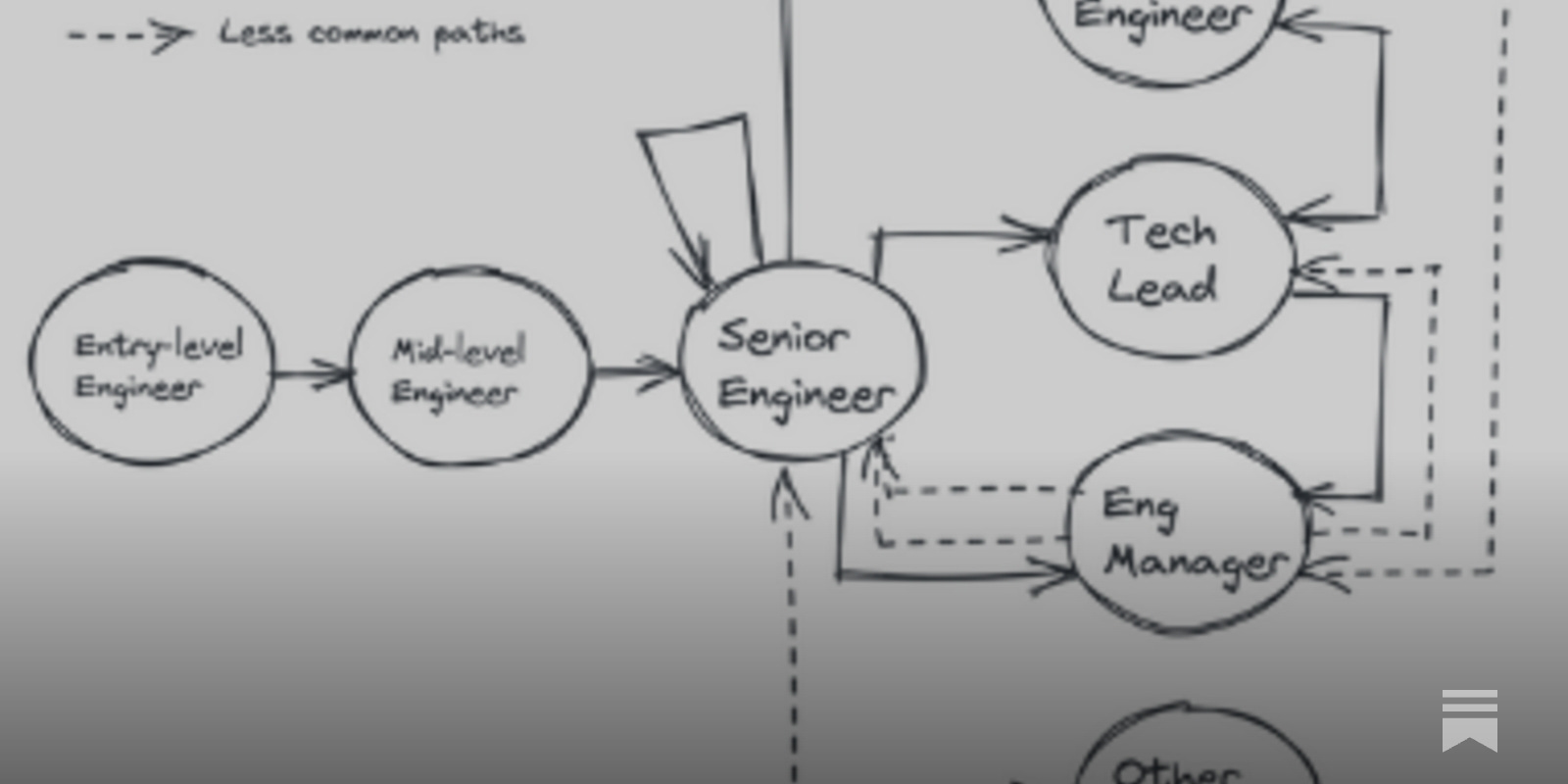
Engineering Career Paths at Big Tech and High-Growth Startups
Levels at big tech, the most common career paths, and what comes after making it to Staff
Hiring (and Retaining) a Diverse Engineering Team
Stories from six engineering leaders who succeeded in building and growing diverse teams. Hiring approaches, retention tactics and strategies.

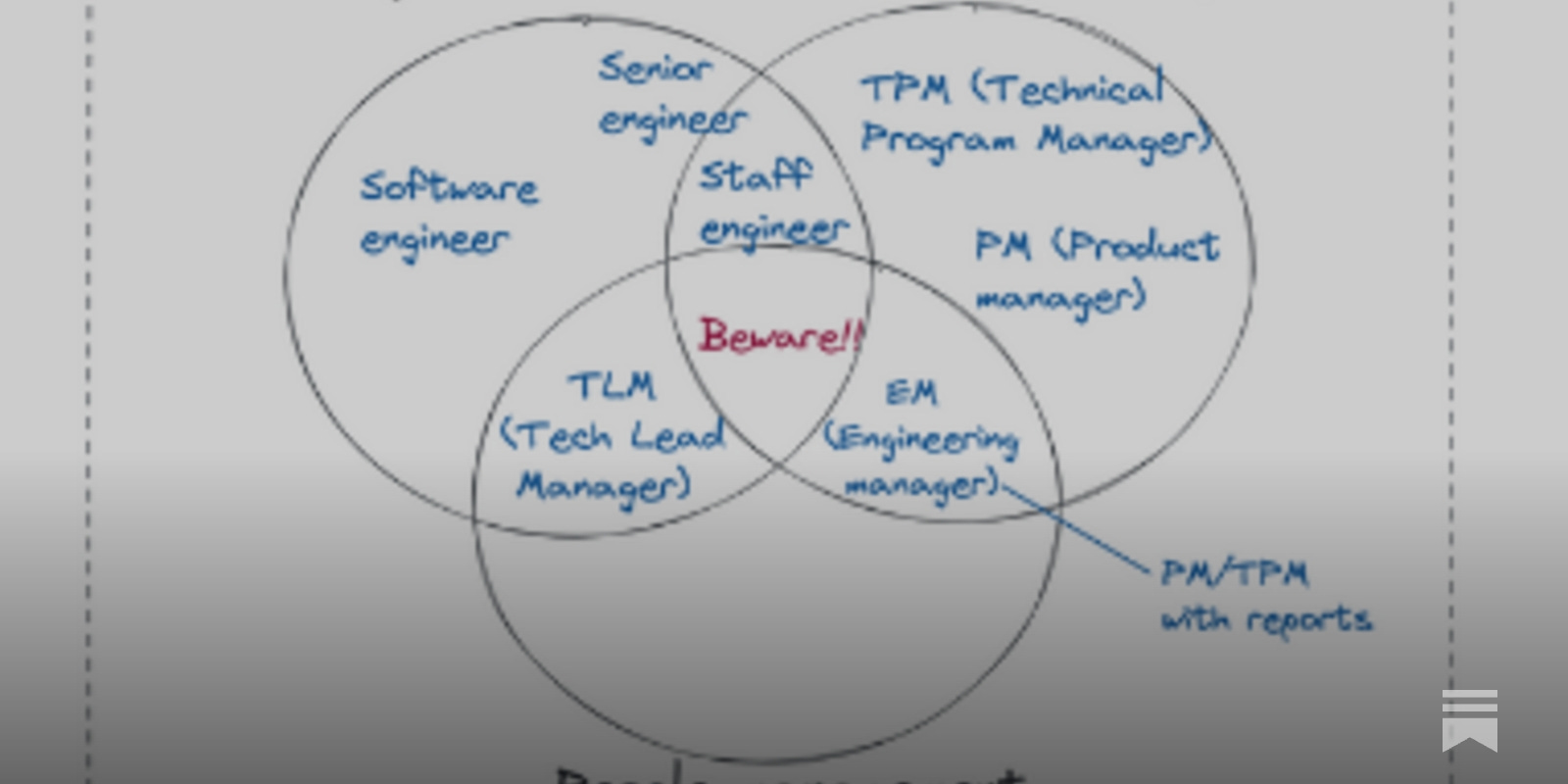
Engineering Leadership Skill Set Overlaps
How Staff Engineer, Engineering Manager (EM), Product Manager (PM), Tech Lead Manager (TLM) and Technical Program Manager (TPM) positions overlap in Big Tech and at high-growth startups – and their di
Engineering managers have a new job description
Why engineering managers are expected to be hands-on again and how AI tools are making it possible to stay technically sharp while still leading.

Staff Engineer and Public Speaker | Szymon Chudy
Staff engineer who cares about the why, not just the how. Writing about frontend, productivity, and growing in tech.
Pluralistic: Reverse engineers bust sleazy gig work platform (23 Nov 2024) – Pluralistic: Daily links from Cory Doctorow
Supposedly, these lines were included in a 1979 internal presentation at IBM; screenshots of them routinely go viral:
Staff Engineer: Leadership beyond the management track
At most technology companies, you'll reach Senior Software Engineer, the career level, in five to eight years. At that point your path branches, and you have the opportunity to pursue engineering management or continue down the path of technical excellence to become a Staff Engineer.
Why I Ignore The Spotlight as a Staff Engineer
An alternate path for Staff+ engineers that optimizes for systems over spotlights and stewardship over fungibility.
In Praise of “Normal” Engineers
Software engineer Charity Majors challenges the "10x engineer" myth, arguing that true productivity lies in team performance, not individual brilliance. She encourages building workplaces where "normal" engineers can thrive. Are we focusing too much on hiring "the best" instead of the right people?

Why Good Managers Are So Rare
Gallup data shows they have a combination of hard-to-teach traits.
Intentions have a surprising amount of detail
Auteur managerialism, the myth of one-shotting, and the chindogufication of engineering

Pluralistic: The enshittification of tech jobs (27 Apr 2025) – Pluralistic: Daily links from Cory Doctorow
Tech workers are a weird choice for "princes of labor," but for decades they've enjoyed unparalleled labor power, expressed in high wages, lavish stock grants, and whimsical campuses with free laundry and dry-cleaning, gourmet cafeterias, and kombucha on tap:
Why Software Development Requires Servant Leaders
The idea of “servant” leaders has been on the rise in the agile community of late. Robert K. Greenleaf coined the term in a 1970 essay, but the idea is timeless.
Emergent leadership: The trait that smart, innovative companies seek out in employees
Emergent leaders step up and lead when qualified but are comfortable in the background, too.

Leveling Up: Career Advancement for Software Developers | Peter Lyons
Staff Engineer, Back End

The Engineering Leadership Report 2026
Our survey of 600 engineering leaders exploring how the role is evolving, where the challenges lie, and what the future holds for the job.
