


In 1923, the city of Columbus, Ohio, enacted the first known off-street parking requirement for new apartment buildings. The city’s rules got stricter over time. In 1954, a Columbus apartment building with 100 one-bedroom units had to have at least 100 parking spaces; by 2022, the minimum was 150. For a 2,500-square-foot restaurant, the mandate grew […]
What If We Kept Our Cars Parked for Trips Less Than One Mile? | US EPA
Thought starter about walking or biking for trips less than one mile.

Why cities are full of uncomfortable benches
We Regulate the Wrong Things
Most cities’ zoning and development regulations obsess over things that are easy to measure, like building height and density, at the expense of the things that actually determine whether we’re building quality places.

Is 'Walk Score' Really Just a 'White Score'? — Streetsblog USA
A new paper argues that the popular real estate tools is driving investment to predominantly white urban neighborhoods, without expanding walkability for anyone else.
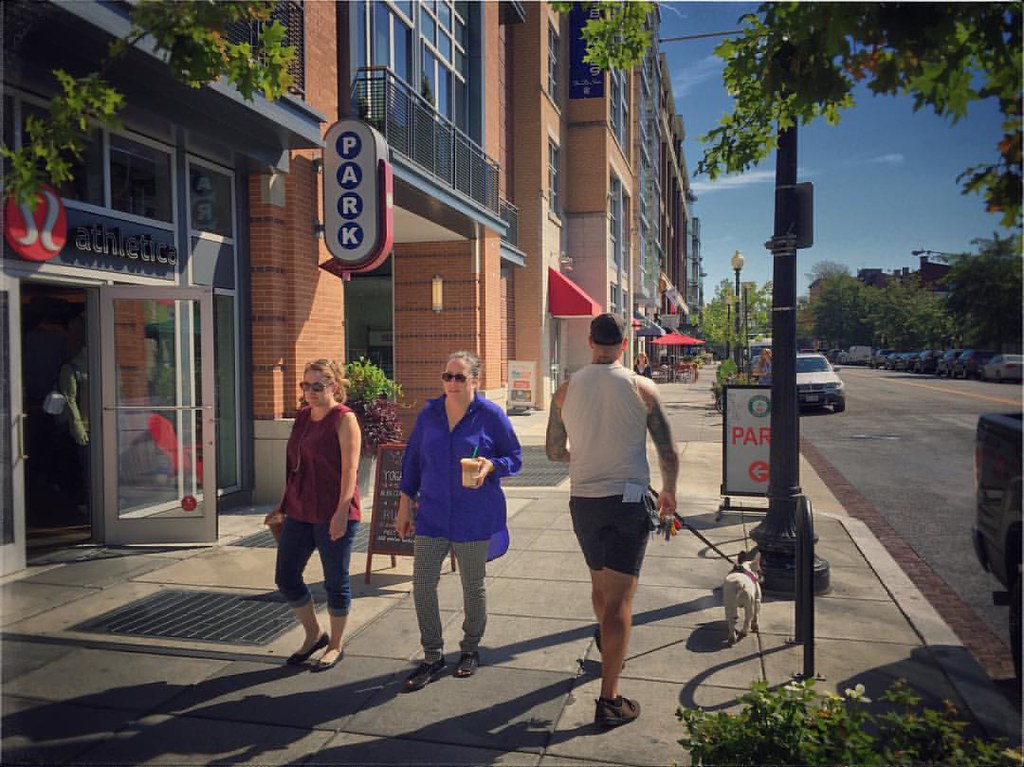
Exploring the social life of urban spaces through AI
We analyze changes in pedestrian behavior over a 30-y period in four urban public spaces located in New York, Boston, and Philadelphia. Building on William Whyte’s observational work, which involved manual video analysis of pedestrian behaviors, we employ computer vision and deep learning techniques to examine video footage from 1979–80 and 2008–10. Our analysis measures changes in walking speed, lingering behavior, group sizes, and group formation. We find that the average walking speed has increased by 15%, while the time spent lingering in these spaces has halved across all locations. Although the percentage of pedestrians walking alone remained relatively stable (from 67% to 68%), the frequency of group encounters declined, indicating fewer interactions in public spaces. This shift suggests that urban residents are using streets as thoroughfares rather than as social spaces, which has important implications for the role of public spaces in fostering social engagement.

Biidaasige Park expansion
The portion of Biidaasige Park west of Cherry Street opened this weekend. Had to see if for myself. It was great to see plenty of people walking and biking about to check it out. Here is a view of …

National Park Service: Public Use of the National Park System (1872-2000): Chapter 9
The first part of this section reviews basic ideas for dispersing visitors outside the System. While merit is seen in some of these ideas, the conclusion is reached that at best they can make only a limited contribution to regulating mounting park travel because there is no substitute for a visit to a national park. The second part of this section then reviews concepts and methods for regulating public use inside the parks through park developments, land classification, including wilderness area designations, and vehicular controls, including new transportation systems.
San Francisco’s rent algorithm ban has no teeth and rents keep rising
A 2024 law that banned landlords from using rent-setting algorithms has yet to produce a single lawsuit.
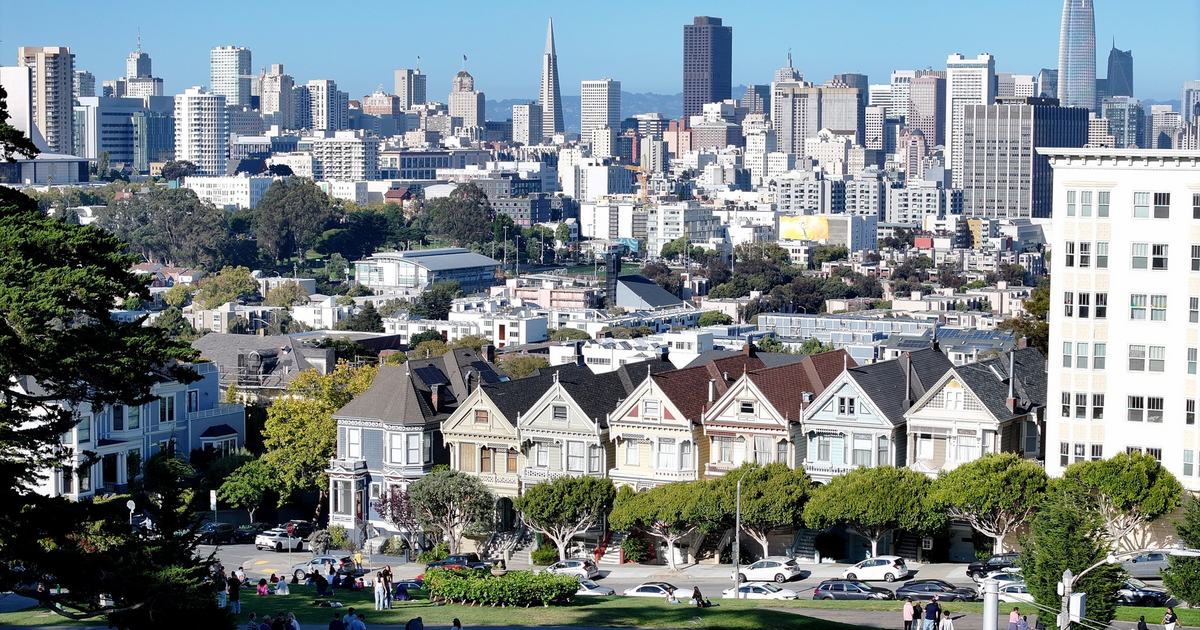
Why City Benches Are Becoming More Hostile
"Cars are parked 95% of the time". Let's check!
"Most people in transportation focus on the five percent of the time that cars are moving. But the average car is parked 95 percent of the ...
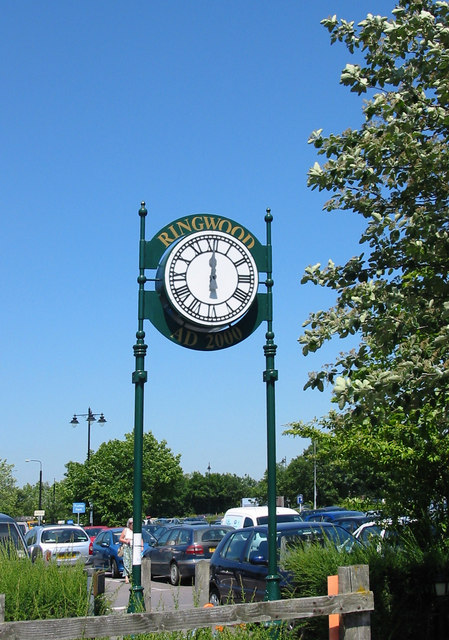
Two-bedroom apartments hit $6K for the first time in SF. The same apartment in Oakland is less than half that, but the clock is ticking.
While Oakland has long been a more affordable alternative, the rental gap between SF and Oakland is now at a staggering 128%. We break down why the East Bay deal might be changing as vacancy rates tighten.
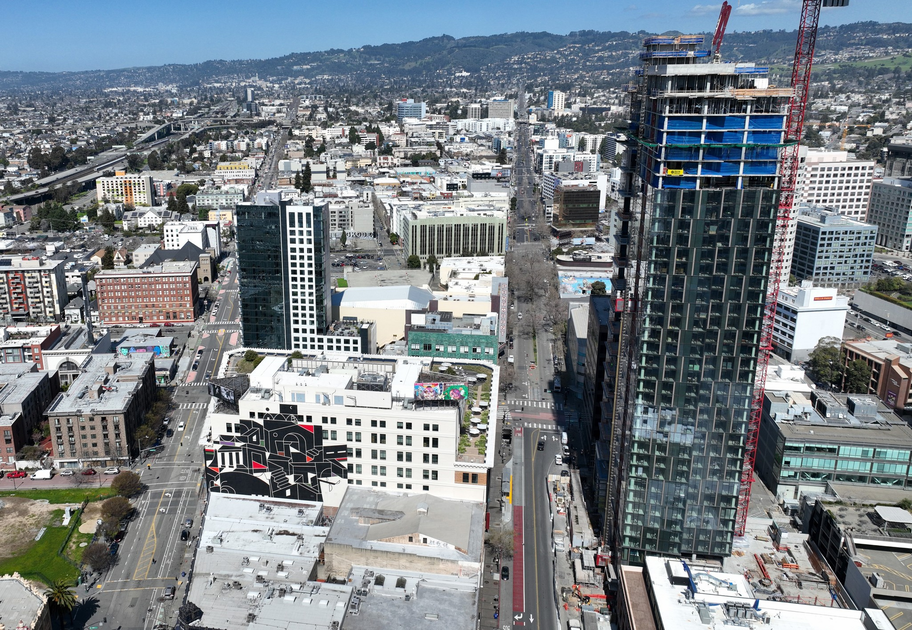
Habitat & permission spaces for organizations - building [at] habitat
Our plans for organizational permissions on spaces
The 'Digital Town Square' Problem
Privately owned public spaces like Twitter are often viewed as “public town squares.” But it's unclear exactly how private companies' influence on the so-called public spaces they control affects actual civic outcomes.

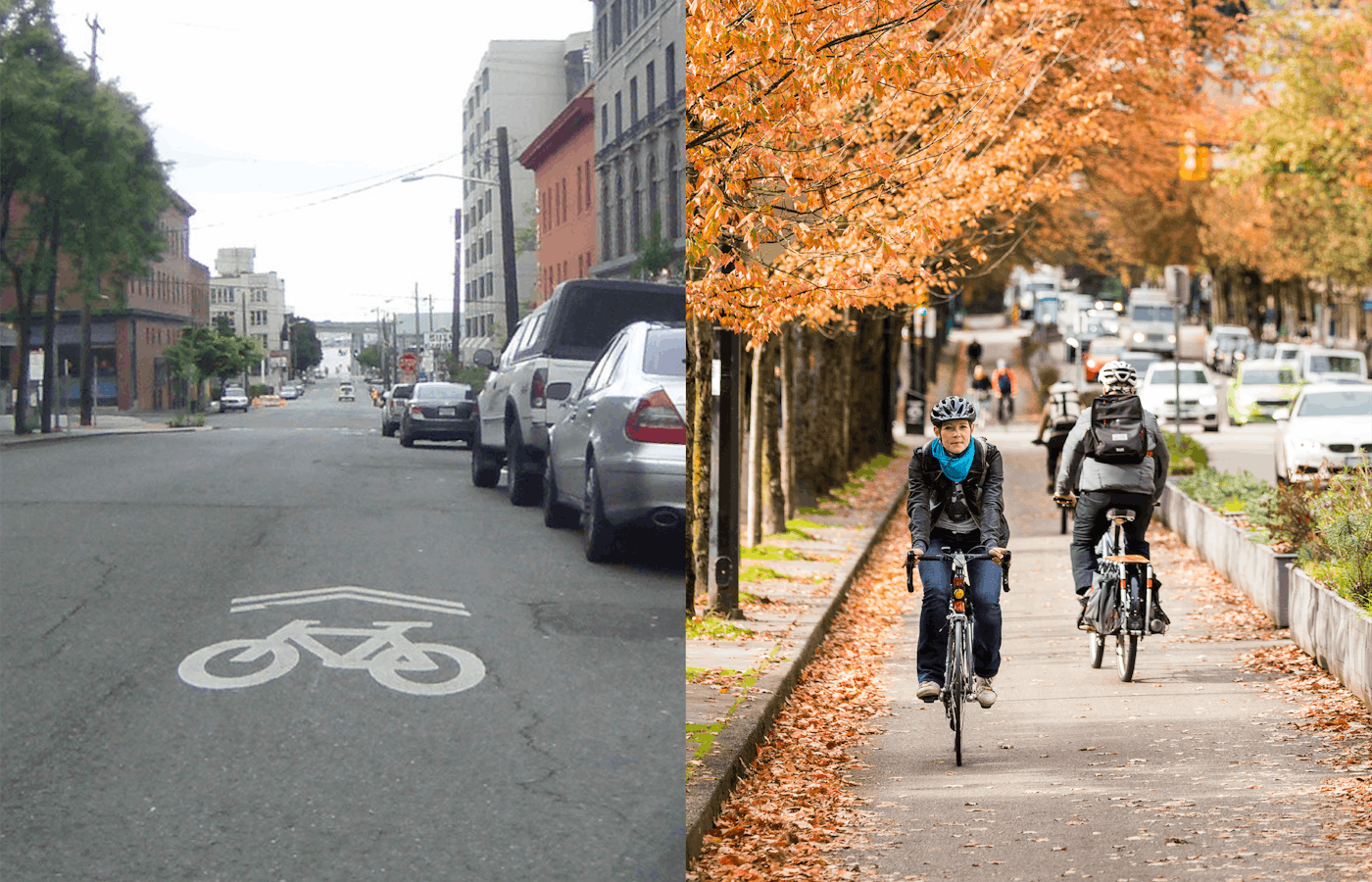
We Were Wrong About Sharrows | PeopleForBikes
It was the late 1990s and I thought we were so clever. We had just convinced the San Francisco Department of Parking and Traffic to incorporate an innovative new design into its bike plan, a bold statement conveying “bikes belong” right there in the middle of the street. I had first seen a shared-use marking, or “sharrow” — a white bicycle painted directly on asphalt — in photos of Paris and Chicago, put there to help bicyclists get through intersections by indicating their path of travel. In 1993, James McKay, a bike planner in Denver, used it on a trial basis to emphasize a bicyclist’s right to ride in the middle of the lane.
Third Places and Neighborhood Entrepreneurship: Evidence from Starbucks Cafés
Sociologists have shown that “third places” such as neighborhood cafés help people maintain and use their network ties. Do they help local entrepreneurs, for whom networks are important? We examine whether the introduction of Starbucks cafés into U.S. neighborhoods with no coffee shops increased entrepreneurship. When compared to census tracts that were scheduled to receive a Starbucks but did not get one, tracts that received a Starbucks saw an increase in the number of startups of 9.1% to 22.5% (or 2.9 to 6.4 firms) per year, over the subsequent 7 years. A partnership between Starbucks and Magic Johnson focused on underprivileged neighborhoods produced larger effects. Analyses suggest a networks mechanism is at play.

