

Ray Fisman sent me an email with the above title and a link to the following story.
Noah Smith's Review of Power and Progress is Very, Very Bad
It should have been disowned, not republished
Permacomputing 101
Casey Muratori – The Big OOPs: Anatomy of a Thirty-five-year Mistake – BSC 2025
Settling in, and looking ahead - pckt - Dev Journal
Hey Bloggers ! A lot has happened since our last post. Which always seems to be the case... We've been hard at work crafting new features and refining existing...

Ferhat Tura on Twitter / X
I have recently detected minor mistakes in the codes of a paper published in a high-quality journal and contacted the lead author first!, who acknowledged the mistake and contacted the journal. I thanked the author for doing open science and now we are collaborating on a paper💪— Ferhat Tura (@FerhatTura19) May 15, 2024
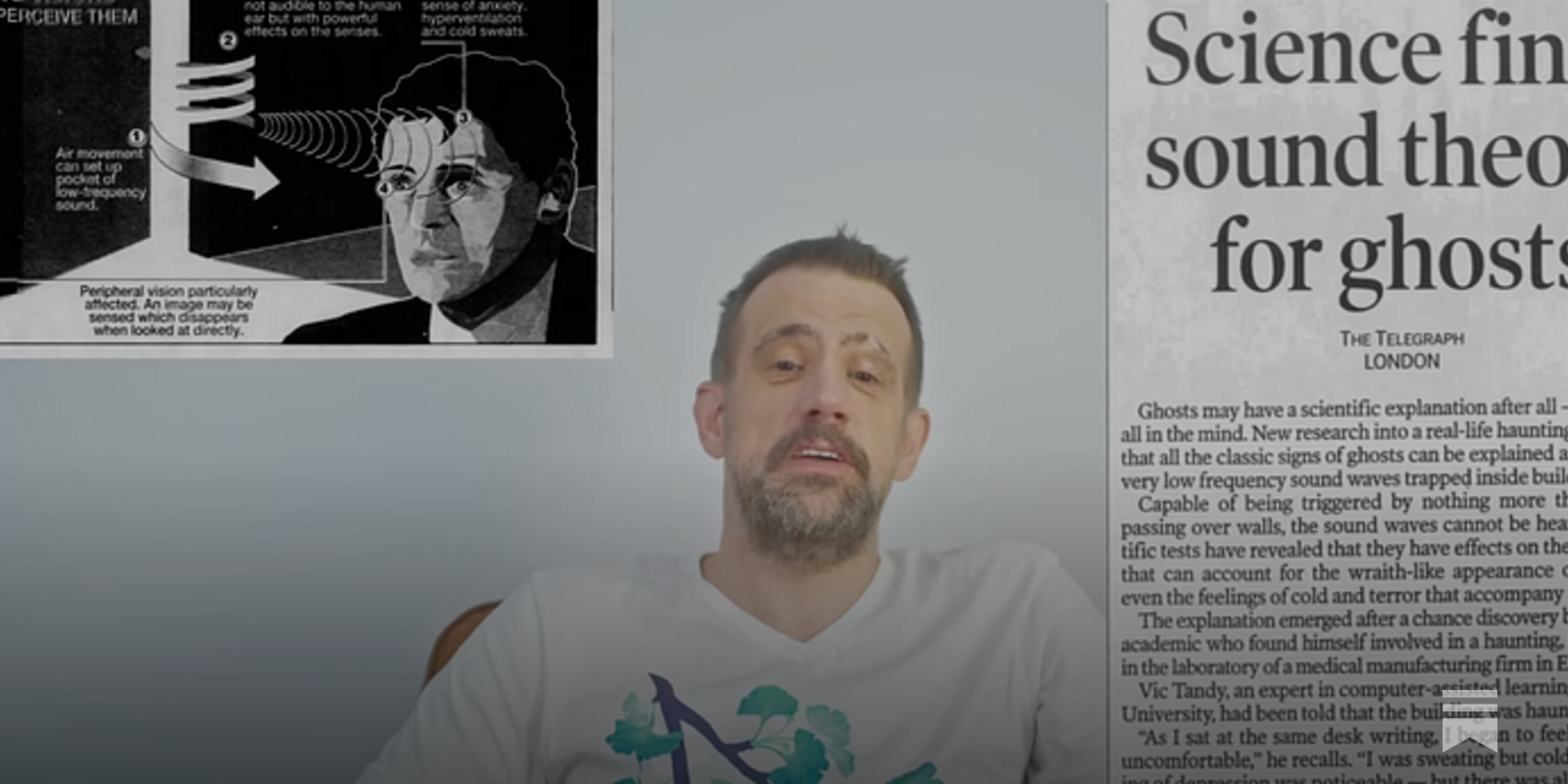
Contra Benn Jordan, data center (and all) sub-audible infrasound issues are fake
One of the most popular videos made about data centers ever is a complete moment-by-moment disaster
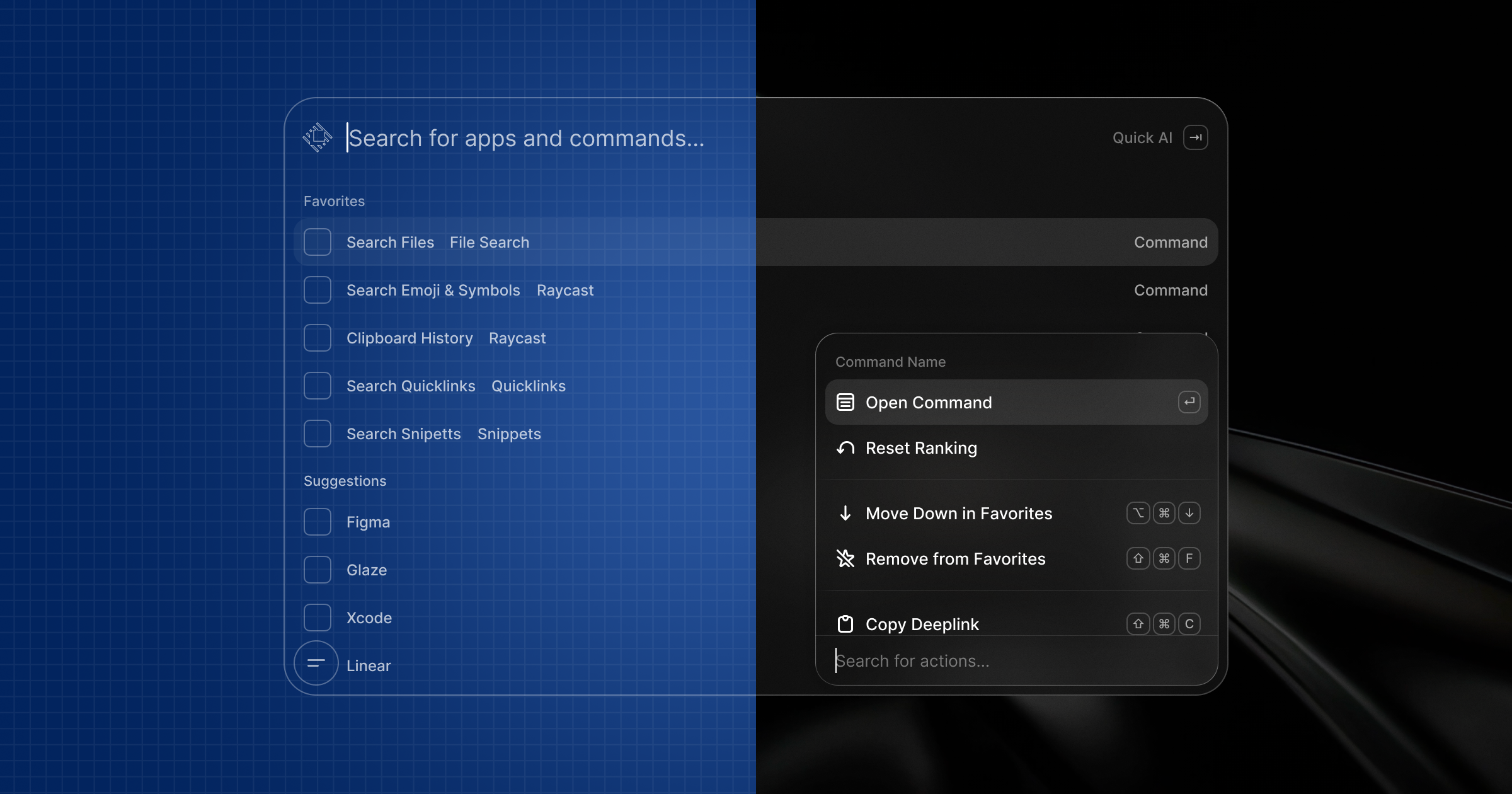
A Technical Deep Dive Into the New Raycast - Raycast Blog
The story behind Raycast's cross-platform rewrite and the details that make it feel fast, delightful, and familiar.
Gautam Kamath on Twitter / X
Nihar Shah did a heroic experiment for TMLR: he spent 20-25 hours over two weeks interviewing authors of seemingly low-quality submissions about their own papers. He confirmed what we all suspected: people submitting these papers have *no idea* what is going on in them. https://t.co/6CJF152u7I— Gautam Kamath (@thegautamkamath) September 16, 2026

“Paging Dr. Fraud”: The Fake Publishers That Are Ruining Science
For years, spurious journals have proliferated online, promising academic credibility in exchange for cash.

Eight Lessons from the Distributed Podcast So Far
Looking back over the 2019 run of the Distributed podcast, one is struck by the wealth of insights our guests have shared in each and every episode. We’ve spoken to CEOs, activists, lawyers, author…

Launching the Tacit Knowledge Podcast: How the world's hardest problems really get solved
By Kumar Garg
Curious about the competing interests statesments for @i4replication.bsky.social’s @pnas.org paper. 1) funding for i4r comes heavily from an AI/tech tied group and 2) that many authors and none has a conflict of interest with LLMs and science? pnas.org/doi/10.1073/pnas.2524747123
PNAS
www.pnas.orgthanks Maria! A little bird tells me the epilogue in my piece describes exactly what happened (someone at bsky allegedly read my article and increased their rate limit). I have a name, I need to see if they're willing to go on the record. So even the fix allegedly didn't come from W engineers LOOOL


