

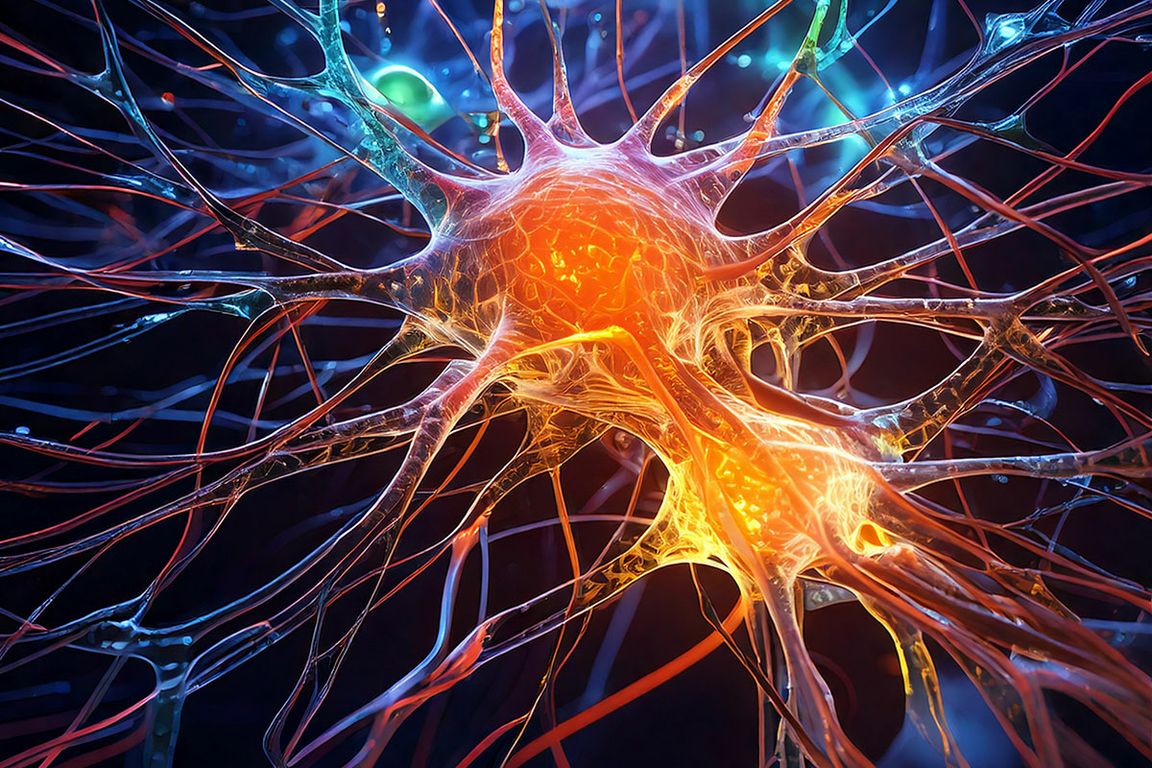
A new study by UCLA Health has discovered what researchers say is the first drug to fully reproduce the effects of physical stroke rehabilitation in model mice.
Leading Innovation in Psychiatric Treatment | Alto Neuroscience
We leverage brain biology to develop personalized medicines, helping patients get better faster.
Inventing the future: A neuroscience research roadmap
The past decade of transformative advances in neurotechnology portends an exciting future for neuroscience. This NeuroView charts a strategic path to accelerate and integrate research discovery and speed the development of new cures for human brain disorders.

Precision Medicine in Neuroscience: Tools, Translation, and Implementation: A Workshop
Precision medicine approaches are rapidly transforming neuroscience, driven by advances in genetics, neuroimaging, biomarkers, and data science. These tools enable more refined disease classification, improved diagnosis, and treatments tailored to individual patients across neurological and psychiatric disorders. However, challenges remain in translating these advances into routine research and clinical practice. On March 4–5, the National Academies’ Forum on Neuroscience and Nervous System Disorders, in collaboration with the Forum on Drug Discovery, Development, and Translation and the Roundtable on Genomics and Precision Health, will host a workshop exploring opportunities, challenges, and strategies for integrating precision medicine into neuroscience research and care.

Precision Medicine in Neuroscience: Tools, Translation, and Implementation: A Workshop
Join the web’s most supportive community of creators and get high-quality tools for hosting, sharing, and streaming videos in gorgeous HD with no ads.
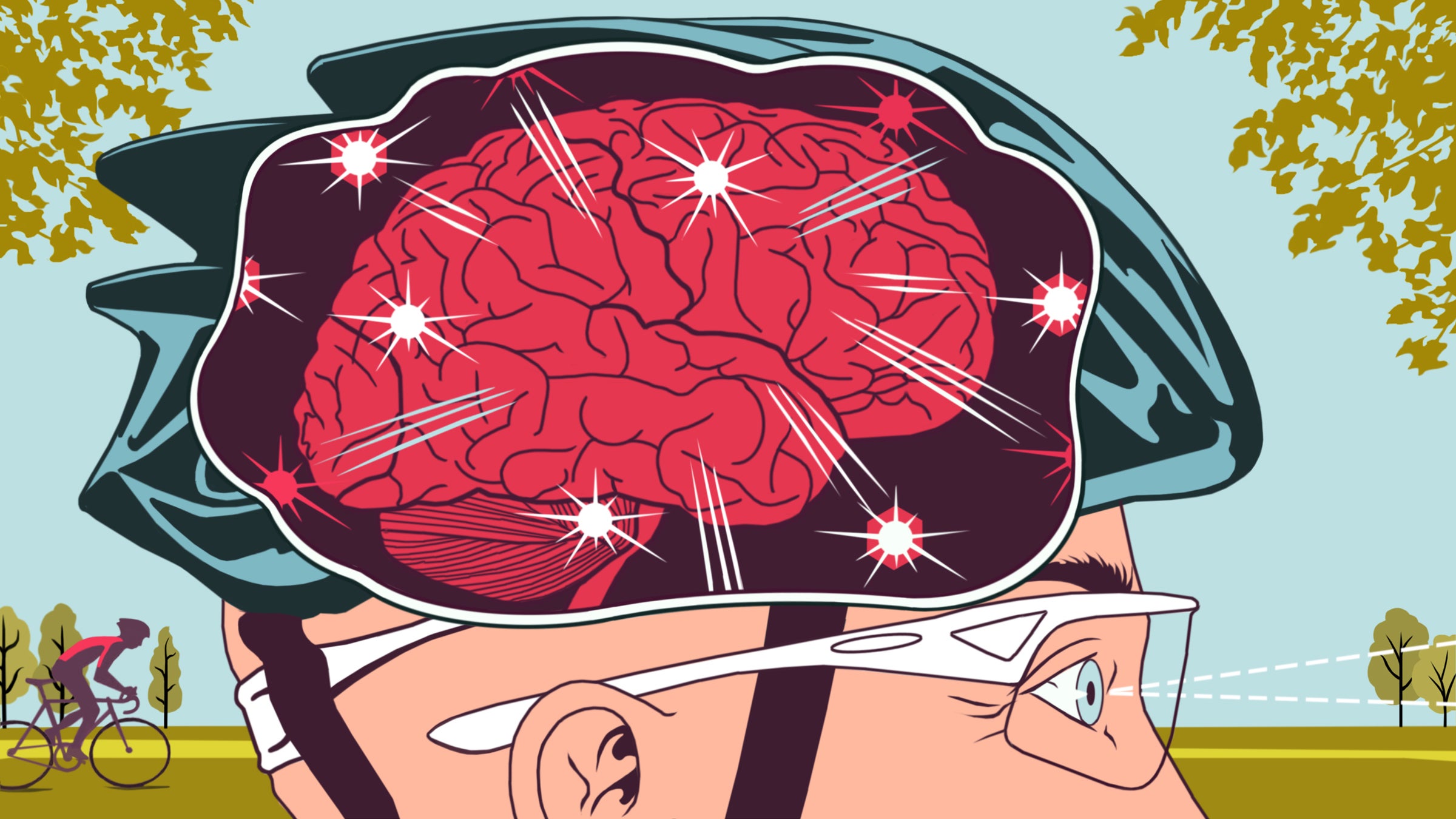
This Is Your Brain on Exercise
Exercise is as good for your brain as it is for your body, and researchers are just beginning to discover why
Blueprint Neurotech
The Center for Innovative NeuroTech Advancement (CINTA) & NeuroTech Harbor (NTH) announce the Cycle 6 Award Competition supported by the NIH Blueprint MedTech Program. This program is seeking collaborative projects aimed at developing emerging technologies into commercially viable, clinically focused solutions for disorders of the nervous system that are aligned with the mission and interests of the participating NIH institutes and centers.
Motif Neurotech — Therapeutic Brain Computer Interface For Mental Health
We're building devices to help you monitor and regulate your mental health and performance.
.png)
Why the Human Brain Project Went Wrong--and How to Fix It
Two years in, a $1-billion-plus effort to simulate the human brain is in disarray. Was it poor management, or is something fundamentally wrong with Big Science?
Partner with Neuroscience
Partner with J&J Neuroscience to collaborate on licensing, academia, venture deals and shared innovation across Alzheimer’s, Parkinson’s and more.
What Patients Say Works (And Doesn't) for Migraines
For the live-updated, fully-labelled, interactive version of this infographic, click here. Eight of the top ten patient-reported treatments for Migraine are simple lifestyle changes, not drugs. CureTogether – a free resource owned by 23andMe that allows people to share information about their health and treatments – surveyed more than 6,000 people who self-identify as having […]
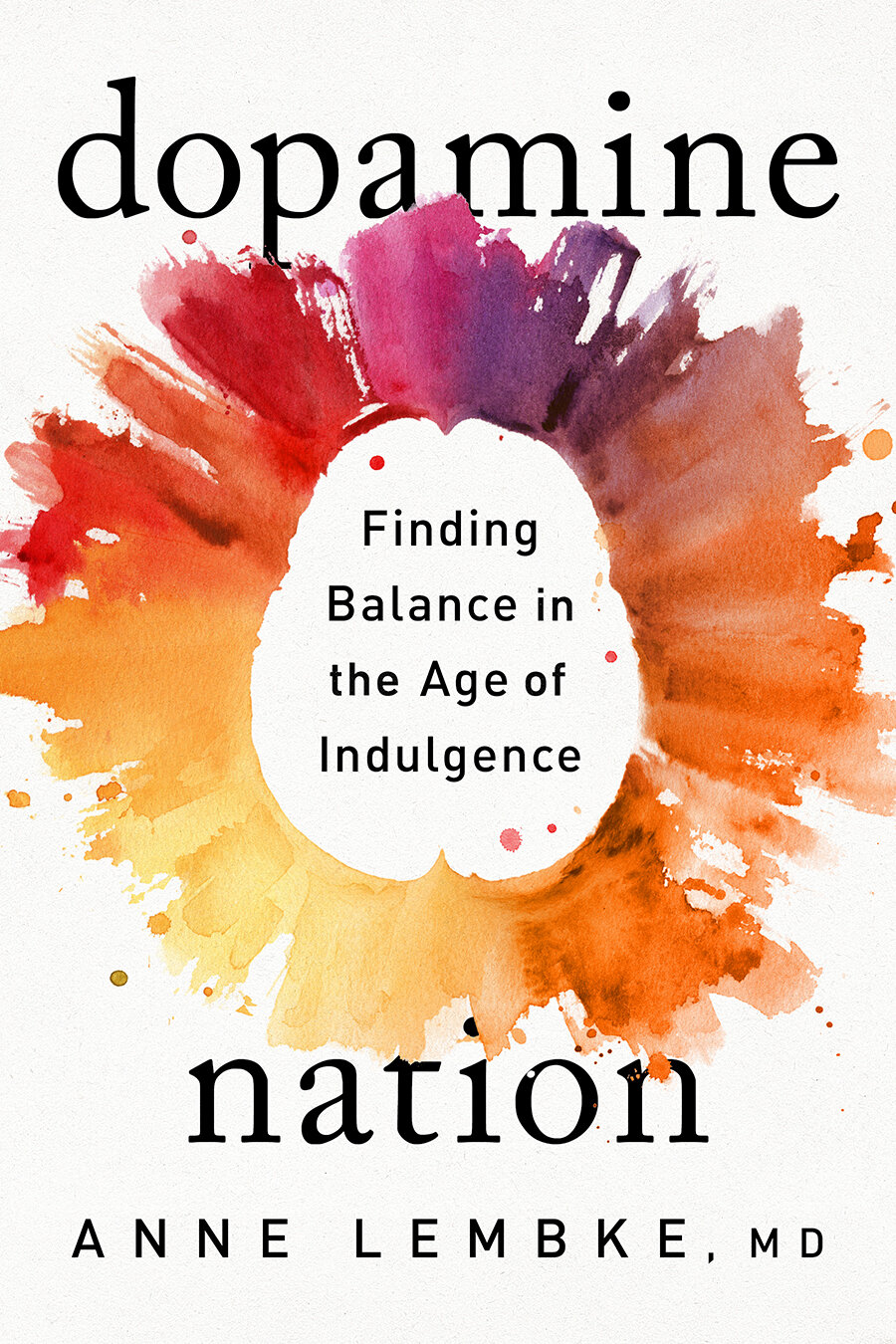
Dopamine Nation — Anna Lembke, MD
In Dopamine Nation, Dr. Anna Lembke, psychiatrist and author, explores the exciting new scientific discoveries that explain why the relentless pursuit of pleasure leads to pain.
Ramez Naam on Twitter / X
There was a site years ago called CureTogether where patients could share information in a structured way on their disease, regimen, and progress, working towards a sort of bottoms-up clinical trial. 23andMe acquired them and it seems to be mostly dead.— Ramez Naam (@ramez) September 14, 2025
NeuroNYC
As the global leader in finance, policy, art, research, and medicine, the region is well-positioned to lead neurotech. We help foster and promote the local neurotech ecosystem: clinics, companies, funders, labs, and users.

Paperclip
Paperclip — search, read, and analyze 11M+ biomedical papers, regulatory documents, clinical trials, and biological databases (UniProt, PDB, ChEMBL) from the command line.
Paperclip
Paperclip — search, read, and analyze 11M+ biomedical papers, regulatory documents, clinical trials, and biological databases (UniProt, PDB, ChEMBL) from the command line.
1. Just read about what (doesn't) work in suicide prevention in the new World Journal of Psychiatry (#1 impact factor). Unfortunately, authors refer to the outdated Barbui 2009 MA of observational studies on antidepressants, not to our update. onlinelibrary.wiley.com/doi/10.1002/wps.21284

Suicide prevention: what works, what might work, and what does not work
onlinelibrary.wiley.com