There is a parasite, I see it everywhere. It consumes your health and wealth. It preys on ignorance and is easy to catch. It’s so common you may not even not...
Pluralistic: Every complex ecosystem has parasites (24 Apr 2025) – Pluralistic: Daily links from Cory Doctorow
Patrick "patio11" McKenzie is a fantastic explainer, the kind of person who breaks topics down in ways that stay with you, and creep into your understanding of other subjects, too. Take his 2022 essay, "The optimal amount of fraud is non-zero":
Invisible Designers: Brain Evolution Through the Lens of Parasite Manipulation
AbstractThe ability of parasites to manipulate host behavior to their advantage has been studied extensively, but the impact of parasite manipulation on the evolution of neural and endocrine mechanisms has remained virtually unexplored. If selection for countermeasures has shaped the evolution of nervous systems, many aspects of neural functioning are likely to remain poorly understood until parasites—the brain’s invisible designers—are included in the picture. This article offers the first systematic discussion of brain evolution in light of parasite manipulation. After reviewing the strategies and mechanisms employed by parasites, the paper presents a taxonomy of host countermeasures with four main categories, namely: restrict access to the brain; increase the costs of manipulation; increase the complexity of signals; and increase robustness. For each category, possible examples of countermeasures are explored, and the likely evolutionary responses by parasites are considered. The article then discusses the metabolic, computational, and ecological constraints that limit the evolution of countermeasures. The final sections offer suggestions for future research and consider some implications for basic neuroscience and psychopharmacology. The paper aims to present a novel perspective on brain evolution, chart a provisional way forward, and stimulate research across the relevant disciplines.

CDC Stopped Monitoring Parasite Now Causing Explosive Diarrhea Across The Country
MAHA.

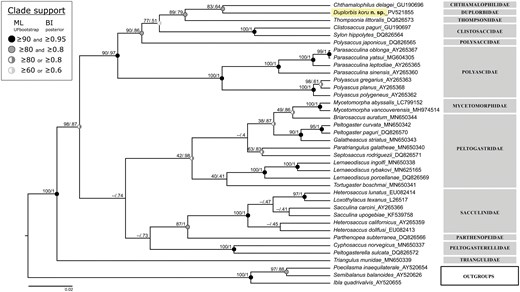
Description of a new species of the hyperparasitic barnacle <i>Duplorbis</i> Smith, 1906 and its cypris larva, with the molecular phylogenetic placement of the enigmatic family Duplorbidae Høeg & Rybakov, 1992 (Cirripedia: Rhizocephala)
Abstract Most species of Rhizocephala are obligate parasites of decapod crustaceans, but species in three families parasitize non-decapod hosts: Chthamalophilidae Bocquet-Védrine, 1961 (parasites of barnacles), Duplorbidae Høeg & Rybakov, 1992 (parasites of isopods and cumaceans), and Thompsoniidae Høeg & Rybakov, 1992 (mostly parasites of decapods but includes one species that is a parasite of stomatopods). Hyperparasitism (form of parasitism in which a secondary parasite lives on or in a primary parasite of a host) is extremely rare in Rhizocephala, but Duplorbis Smith, 1906, the type genus of the enigmatic family Duplorbidae, currently contains two named species hyperparasitic on bopyrid isopods (abdominal and branchial parasites of decapods) and one species on free-living isopods. A lectotype is selected for Duplorbis smithi Nierstrasz & Brender à Brandis, 1923. Recent work on the parasites of squat lobsters from New Zealand revealed a putative new species of this genus, described herein as Duplorbis korun. sp., hyperparasitic on branchial bopyrids of the genera Paragigantione Barnard, 1920 and Parapleurocryptella Bourdon, 1972. Each parasitized female bopyrid contained 3–8 externae of D. korun. sp. in the brood chamber. Externae of one host contained mature cypris larvae, a stage previously poorly known in this genus. These larvae are described herein using SEM and are shown to have a pair of long frontal filaments (retained from the nauplius stage), an exclusive feature shared among Duplorbidae. The first molecular (18S rRNA sequence) analysis of the family was also conducted. Duplorbids appear nested within a well-supported monophyletic lineage also comprising of Polyascidae Høeg & Glenner in Høeg, Noever, Rees, Crandall & Glenner, 2019, Polysaccidae Lützen & Takahashi, 1996, Clistosaccidae Boschma, 1928, Thompsoniidae Høeg & Rybakov, 1992, and Chthamalophilidae Bocquet-Védrine, 1961, most closely related to chthamalophilids. The discovery of this new species expands our knowledge of the species diversity, host use, and larval development of hyperparasitic rhizocephalans.
Cyclospora Boosts Fears That Worse Foodborne Outbreaks Are Ahead - KFF Health News
The recent outbreak of a foodborne parasite sickened thousands and hospitalized hundreds across the U.S. before federal investigators identified the suspected source. Food safety experts say cuts to the public health system hobbled the response — and that the next outbreak could be much worse.
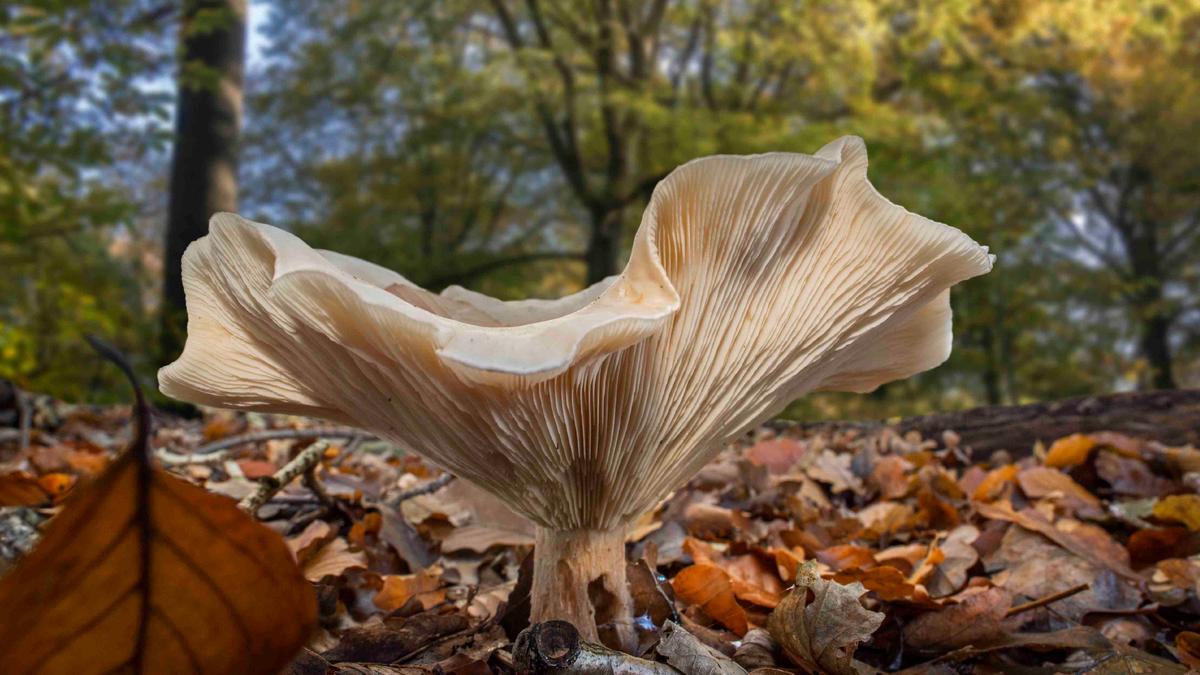
The fungal mind: on the evidence for mushroom intelligence | Psyche Ideas
The evidence for fungal intelligence is in: they can operate as individuals, make decisions, learn, and have short-term memory
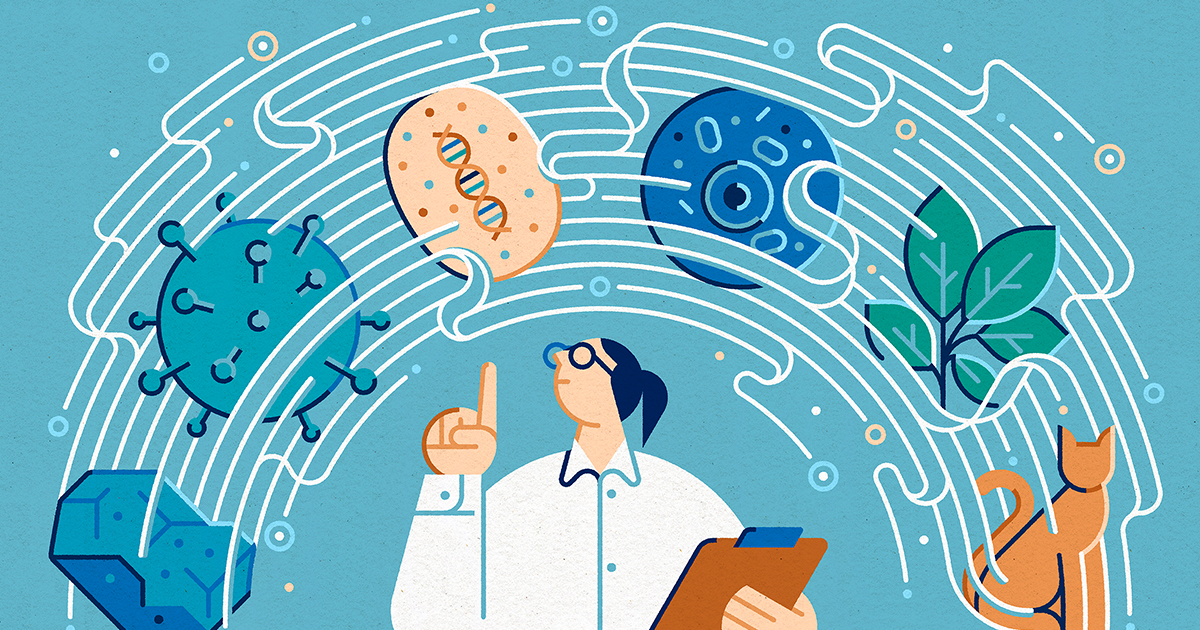
Cognition without brains? Learning and memory in microorganisms
Memory and learning are cognitive abilities typically associated with animals that possess a complex nervous system. Interestingly, recent studies suggest that microorganisms might also display learning-like behaviours. However, a factor limiting progress in this field is the lack of shared, microbe-specific frameworks that allow microbiologists to easily compare discoveries with concepts developed in cognitive sciences. In this review, we aim to bridge this gap by providing a conceptual overview of the definitional requirements for memory and learning to classify microbial behaviours and capabilities. Additionally, we identify and address problems that cause conceptual ambiguity in the microbial cognition literature, thereby facilitating more productive debates on the topic. Finally, we provide a novel perspective on how microbes might ‘learn’ from each other.

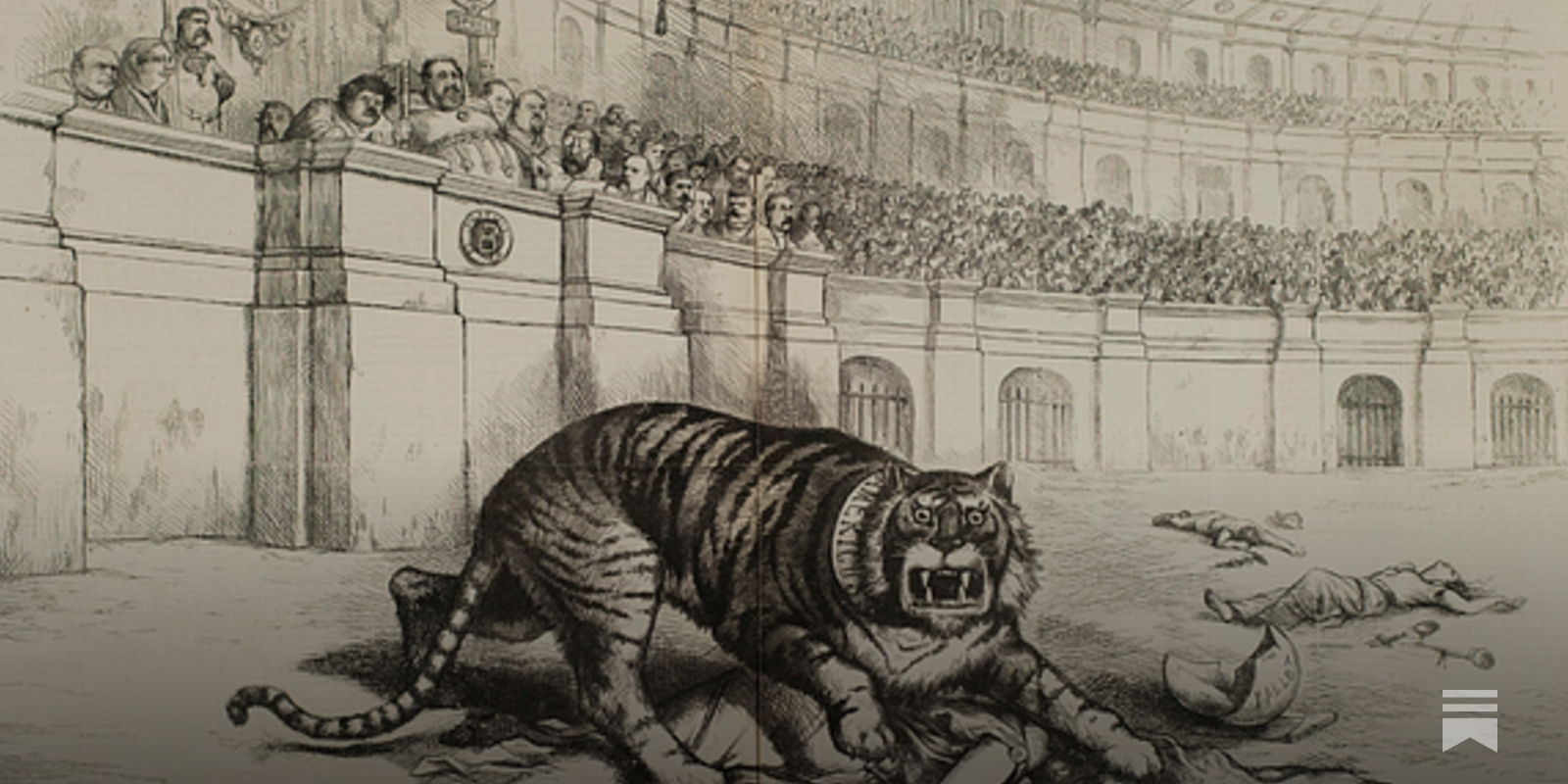
Has America Crossed the Asshole Threshold?
Civilizations can carry a surprising number of parasites and live. But there’s a line — Rome crossed it, the Gilded Age toed it, and for the first time in history, we can measure it.
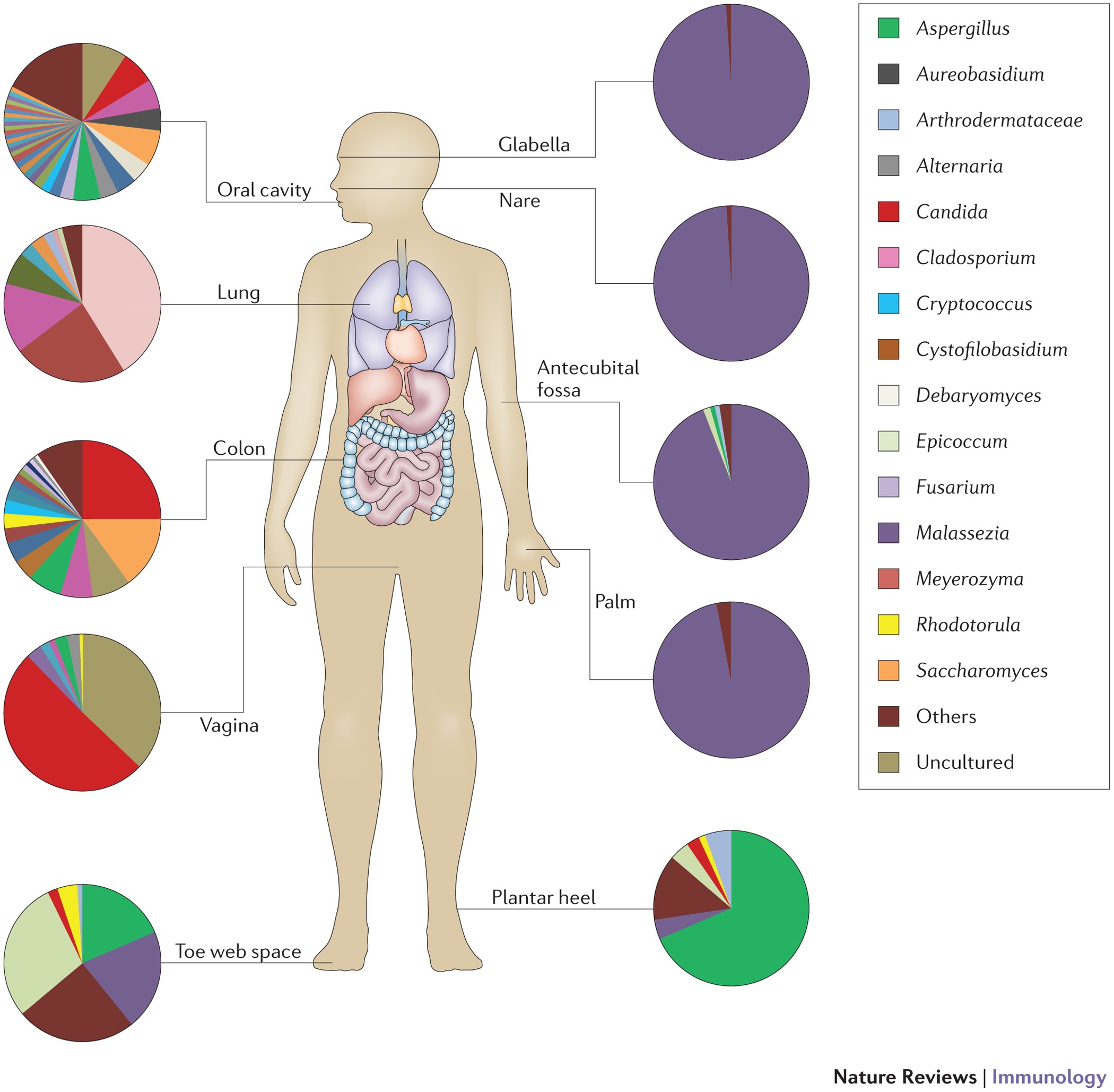
The mycobiota: interactions between commensal fungi and the host immune system
The fungal microbiota, or 'mycobiota', is an understudied component of the microflora that is found on all mucosal surfaces and on the skin.Like other microorganisms, fungi interact with the immune system at these surfaces in ways that are important both for host defence and for regulating the immune system.Investigators who study the mycobiota face both biological and bioinformatic challenges.The study of human genetic disorders and genetic polymorphisms teaches us about the mechanisms by which commensal and pathogenic fungi interact with the immune system.
Imposter Syndrome: Understanding and Managing It
Imposter Syndrome can be unnerving and frustrating. Here I unpick what it is, why it happens, and how to pragmatically manage it.

Debug Project
Bad mosquitoes spread disease. Good mosquitoes stop them. We're using technology to raise and release good mosquitoes.

A Cell So Minimal That It Challenges Definitions of Life | Quanta Magazine
The newly described microbe represents a world of parasitic, intercellular biodiversity only beginning to be revealed by genome sequencing.
Why we still don’t know what foods are the source of the cyclospora outbreak
“You cannot thin a system, defer the tools that would speed it up, and then wonder why the public is left guessing,” writes epidemiologist Katrine Wallace.

say eugenics, say it again
For individuals This suggestion is to get comfortable and familiar with the concept of eugenics - a concept that holds a lot of information about cultura...

Let’s Become Fungal!
Inspired by conversations with: Francisca Álvarez Sánchez, Carolina Caycedo, Annalee Davis, Maya Errázuriz, Juan Ferrer, Lilian Fraiji, Giuliana Furci, Sofía Gallisá Muriente, Yina Jiménez Suriel, Patricia Kaishian, Mirla Klijn and Olaf Boswijk, Lola Malavasi and Daniela Morales Lisac, Martina Manterola and Carmen Serra, Camila Marambio, Mariana Martínez Balvanera, Claudia Martínez Garay, Lina Meija and Luciana Fleischman, Tomaz Morgado Françozo and Marília Carneiro Brandão, Marion Neumann, Maria Alice Neves, Tara Rodríguez Besosa, Raquel Rosenberg, Juli Simon, Ela Spalding, Gianine Tabja, Gabriela Flores del Pozo and Lucia Monge, Fer Walüng, Tatyana Zambrano