

Modern entrepreneurship began at the turn of the 21st century with the observation that startups aren’t smaller versions of large companies – large companies at their core execute known business mo…
Why Founders Market Their Products Too Late
Founders predictably underestimate the importance of hiring marketers. Here’s why many startups don’t get round to marketing their product…

Jobs Hiring Now
Discover companies that are hiring now. Browse thousands of open positions
The Market Curve
The market you choose to serve is one of the most important factors for an early-stage startup. And for most technologists, it’s a blind …

12 Things I Learned from Chris Dixon about Startups | Andreessen Horowitz
#1 “If everyone loves your idea, I might be worried that it’s not forward thinking enough.” Anyone thinking about starting a business should be searching for mispriced opportunities. While markets are mostly efficient in eliminating opportunities for extraordinary profit, there are always areas of an economy in which there are significant uncertainty. These areas are...

Solving the "marketplace" business model - @ASmartBear
I'm amazed how many startups follow the "marketplace" pattern but don't acknowledge or address the peculiar difficulties of that model. Here's some guidance.
Jessica Livingston – Why Startups Need to Focus on Sales, Not Marketing
The most important thing an early-stage startup should know about marketing is rather counterintuitive: that you probably shouldn’t be doing anything you’d use the term “marketing

How to Hire a Great Marketing Person - Noah Kagan
I got this question asked and figured others might be curious on how I do it. The challenge about marketing output is that it’s not always numbers based and the ROI isn’t immediate. With that being said I think it can be and here’s how I would solve how to find and how to know […]

The Rise of the Silicon Valley Small Business
What you need to know about the next big startup archetype
The Startup Marketing Checklist
I tried dozens of side projects before starting Draft.dev, and now I’ve worked with hundreds of early-stage startups and established enterprises to help with growth marketing. So, a lot of founders ask me how to get started in marketing when your marketing budget is small and your product is new. I created this list to […]

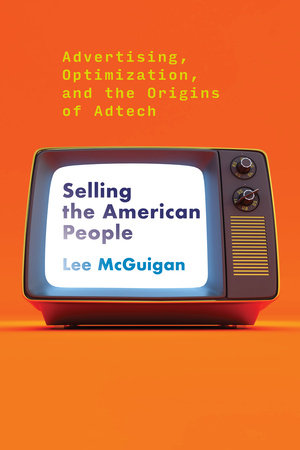
Selling the American People: Advertising, Optimization, and the Origins of Adtech
How marketers learned to dream of optimization and speak in the idiom of management science well before the widespread use of the Internet.Algorithms, data
Find a Growth Hacker for Your Startup
Once startups are ready to scale, their biggest challenge is often hiring someone capable of leading the growth charge. A marketer with the right talents and approach can kick some serious ass once product-market fit and an efficient conversion/monetization process have been proven. But the problem is that most startups try to hire for skills
Who's Still Hiring? Find a Tech Job with Open Roles
A Corp Bro creation, Keyplay enriched, community-sourced, no-pay-to-play, ungated, BS-free, list of tech companies who are still ACTUALLY hiring.

The Everywhere Millionaire: Who Is Really Rich in America and How They Got There
From two leading economists comes a groundbreaking new portrait of the hidden fortunes of Main Street business owners—ordinary Americans who built extraordinary wealth and are quietly rewriting the rules of money and power. Most people think the path to great wealth runs through Wall Street or Silicon Valley. We’re told you must be a Zuckerberg, a Musk, or a Jamie Dimon to get rich. But this story is wrong. Drawing on unprecedented data from a decade of research and vivid real-life stories of entrepreneurs—from a self-made hot-dog stand billionaire to the heirs of an auto dealer—Zidar and Zwick reveal a surprising truth: prosperity is more attainable, more widely distributed, and closer to home than we imagine. A multitude of Americans have built staggering fortunes by running often unglamorous businesses far from the spotlight. A quiet revolution in the business world—the rise of “pass-through” firms like S-corporations and partnerships—supercharged this wealth, channeling vast income directly to business owners rather than traditional corporations.Part economic detective story, part roadmap to riches, this book reveals: —The Hidden 1%: They might be a local beer distributor, a dentist with a regional network of practices, a commercial HVAC contractor with trucks around town, or a restaurateur who keeps opening new locations. For every public company CEO, more than a thousand private business owners each have transformational wealth.— The Blueprint for Wealth: Zidar and Zwick describe where Main Street Millionaires come from, how they grew rich, and how much money they make. Their stories suggest the American Dream is not dead and many paths to prosperity remain open today. — Power Brokers: Armed with their fortunes, Main Street Millionaires wield power in city halls, statehouses, and Washington, often bending policy to protect what they’ve built. They are both growing the economic pie and grabbing bigger slices for themselves.The Everywhere Millionaire celebrates the stories of entrepreneurs who seized opportunities while asking hard questions about how concentrated wealth and power shape society. It is an essential guide to seeing the economy as it really is and recognizing the surprising paths to prosperity—and influence—everywhere.
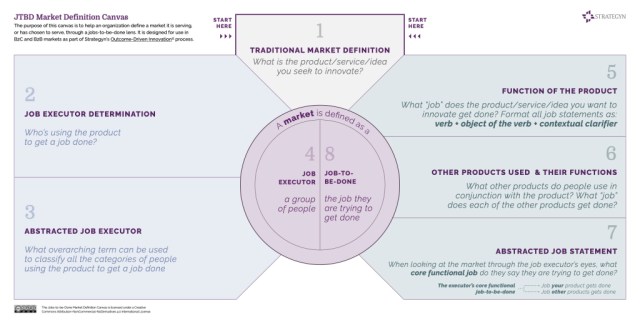
Know Your Customers’ “Jobs to Be Done”
Firms have never known more about their customers, but their innovation processes remain hit-or-miss. Why? According to Christensen and his coauthors, product developers focus too much on building customer profiles and looking for correlations in data. To create offerings that people truly want to buy, firms instead need to home in on the job the customer is trying to get done. Some jobs are little (pass the time); some are big (find a more fulfilling career). When we buy a product, we essentially “hire” it to help us do a job. If it does the job well, we hire it again. If it does a crummy job, we “fire” it and look for something else to solve the problem. Jobs are multifaceted. They’re never simply about function; they have powerful social and emotional dimensions. And the circumstances in which customers try to do them are more critical than any buyer characteristics. Consider the experiences of condo developers targeting retirees who wanted to downsize their homes. Sales were weak until the developers realized their business was not construction but transitioning lives. Instead of adding more features to the condos, they created services assisting buyers with the move and with their decisions about what to keep and to discard. Sales took off. The key to successful innovation is identifying jobs that are poorly performed in customers’ lives and then designing products, experiences, and processes around those jobs.

Why it's nice to compete against a large, profitable company
Competing against big firms? Their revenue streams are their Achilles heel. Learn how smaller startups have a shot.
Clay Christensen: The Jobs to be Done Theory