


Co-design means the people affected by a design hold power over it — from the beginning, not at the end. Co-design isn't consultation at the testing stage. It is power-sharing at the architecture stage.
An introduction to radical participatory design: decolonising participatory design processes
Outside of community-led design projects, most participatory design processes initiated by a company or organisation maintain or even strengthen power imbalances between the design organisation and the community on whose purported behalf they are designing, further increasing the absencing experience. Radical participatory design (RPD) is a radically relational answer to the coloniality inherent in participatory design where the community members’ disappointment is greater due to the greater expectations and presencing potential of a ‘participatory design’ process. We introduce the term RPD to show how research and design processes can be truly participatory to the root or core. Instead of treating participatory design as a method, a way of conducting a method, or a methodology, we introduce RPD as a meta-methodology, a way of doing any methodology. We explicitly describe what participation means and compare and contrast design processes based on the amount of participation, creating a typology of participation. We introduce ‘designer as community member’, ‘community member as designer,’ and ‘community member as facilitator’ models and provide characteristics for the meta-methodology of RPD.
An introduction to radical participatory design: decolonising participatory design processes
Outside of community-led design projects, most participatory design processes initiated by a company or organisation maintain or even strengthen power imbalances between the design organisation and the community on whose purported behalf they are designing, further increasing the absencing experience. Radical participatory design (RPD) is a radically relational answer to the coloniality inherent in participatory design where the community members’ disappointment is greater due to the greater expectations and presencing potential of a ‘participatory design’ process. We introduce the term RPD to show how research and design processes can be truly participatory to the root or core. Instead of treating participatory design as a method, a way of conducting a method, or a methodology, we introduce RPD as a meta-methodology, a way of doing any methodology. We explicitly describe what participation means and compare and contrast design processes based on the amount of participation, creating a typology of participation. We introduce ‘designer as community member’, ‘community member as designer,’ and ‘community member as facilitator’ models and provide characteristics for the meta-methodology of RPD.
Reporting on the Development of a Web-Based Prototype Dashboard for Construction Design Managers, Achieved through Design Science Research Methodology (DSRM)
Construction Design Management (DM) involves the coordination of design processes and activities to ensure quality project design, yet it involves many challenges. This study reports on a collaborative Knowledge Transfer Partnership (KTP) project with a Case Study Organization (CSO) that tackled several issues faced by construction design managers. Employing a design science research methodology (DSRM), qualitative analysis of semi-structured interviews with purposefully identified design managers uncovered real-world concerns around design co-ordination and performance monitoring. To address these concerns, a web-based design management prototype dashboard was developed using typical project data to aid in the management of design coordination, task prioritization, and reporting functionalities. The web-based Design Management prototype dashboard enhances design management productivity in construction firms by monitoring design production, assessing designer performance trends, and focusing on Technical Queries (TQs) and Requests for Information (RFIs). Digitalizing selected design management processes improves efficiency and productivity. The visual reporting of the dashboard enables design production monitoring at project and portfolio levels, assesses trends in designer performance, and maintains focus on TQs and RFIs. Demonstrating how web-based Design Management dashboards can enhance productivity, this study emphasizes practical solutions derived from employing a design science research methodology. The development and application of the web-based dashboard contribute to the growing evidence that employing design science research methodology in construction can yield tangible solutions to address real-world construction concerns.
Design System | TanStack
The TanStack Design System — living design tokens and components.

Design Thinking by IDEO: Human-Centered Innovation
Learn how IDEO uses design thinking to help teams solve complex problems through human-centered innovation, creativity, collaboration, and impact.

Designs for the pluriverse: radical interdependence, autonomy, and the making of worlds
"Arturo Escobar presents a new vision of design theory by arguing for the creation of what he calls 'autonomous design'--a design practice aimed at channeling design's world-making capacity toward ways of being and doing that are deeply attuned to justice and the Earth"--Publisher description

Inside Design Tokens: Modeling & Communication
Design system architecture with focus on design tokens, that form the vocabulary of your visual design language, helping to streamline the communication amongst stakeholders. Modeling the system with boundaries to ensure clear purpose and predictability for design tokens and stability guarantees wit
Prosocial Design Network
The Prosocial Design Network advocates for prosocial design: evidence-based design practices that bring out the best in human nature online.
.png)
Cascadia.Design
Kanawha Design Studio is a design, technology and business consultation firm dedicated to supporting collaborative communities – coworking, coliving, artists and maker spaces – with the tools they need to be healthy and successful
COMMUNITY-BASED, HUMAN-CENTERED DESIGN
We propose a radical change in design from experts designing for people to people designing for themselves, leveraging the creativity of communities to solve their own problems. People in communiti…

Built by Designers: No Explanation Needed
Designers now turn ideas into working products. Explore a curated collection of apps, tools, websites, and experiments designed, built, and shipped by designers.
Design Justice
An exploration of how design might be led by marginalized communities, dismantle structural inequality, and advance collective liberation and ecological survival.

Design Justice
An exploration of how design might be led by marginalized communities, dismantle structural inequality, and advance collective liberation and ecological survival.
Design Justice: Community-Led Practices to Build the Worlds We Need
An exploration of how design might be led by marginalized communities, dismantle structural inequality, and advance collective liberation and ecological su
A Framework for Finding A Design Partner | Andreessen Horowitz
Design partners, or the first few users of a company's software, are often a key part of the early software development process.
Design* tools

Not necessarily *design* design (also includes links related to web design in a broad sense or maybe even just like, posting things online)

Editable — the website you can edit on the page
Figma Plugins for Design Systems (by B. Prendergast) — Semble
human.json
The Website Specification
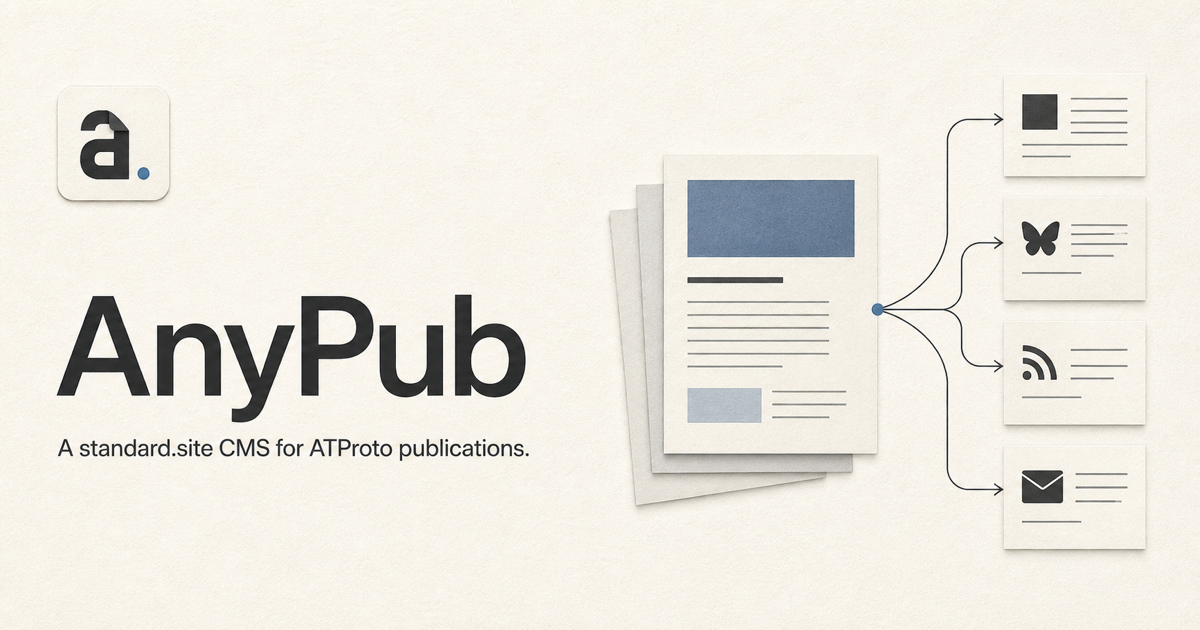
AnyPub

clipart.studio — magazine collage maker