

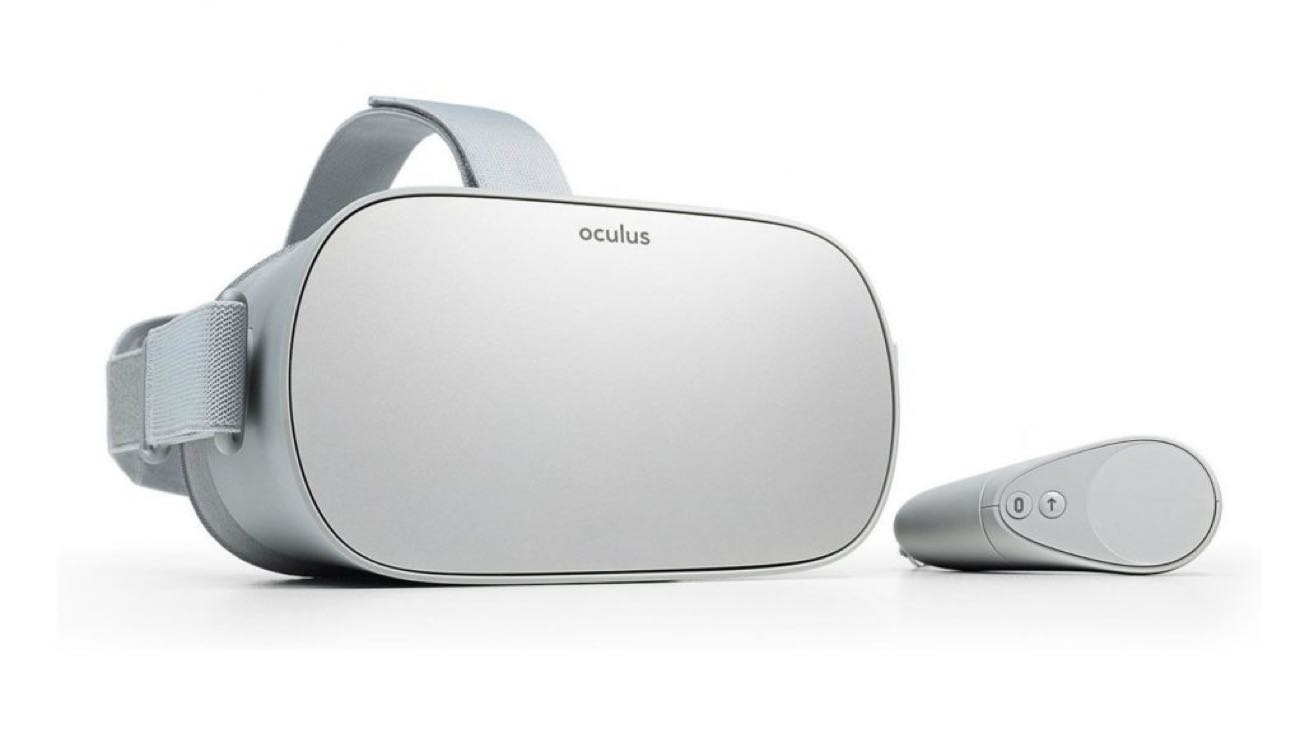
Virtual reality has always been destined to be less important than augmented reality, and Facebook taking a stake has never made much sense.
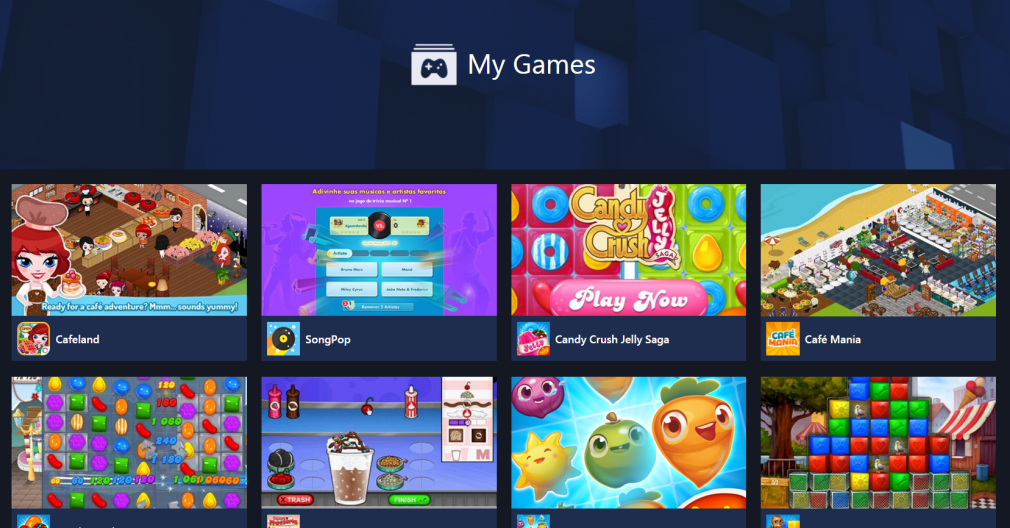
Facebook is building its own Steam-style desktop gaming platform with Unity | TechCrunch
Facebook may try to compete with Steam, or at least win back revenue lost when casual gaming shifted to mobile. Today Facebook formally announced it's
The Biggest Challenges Left In Virtual Reality, According To Oculus | TechCrunch
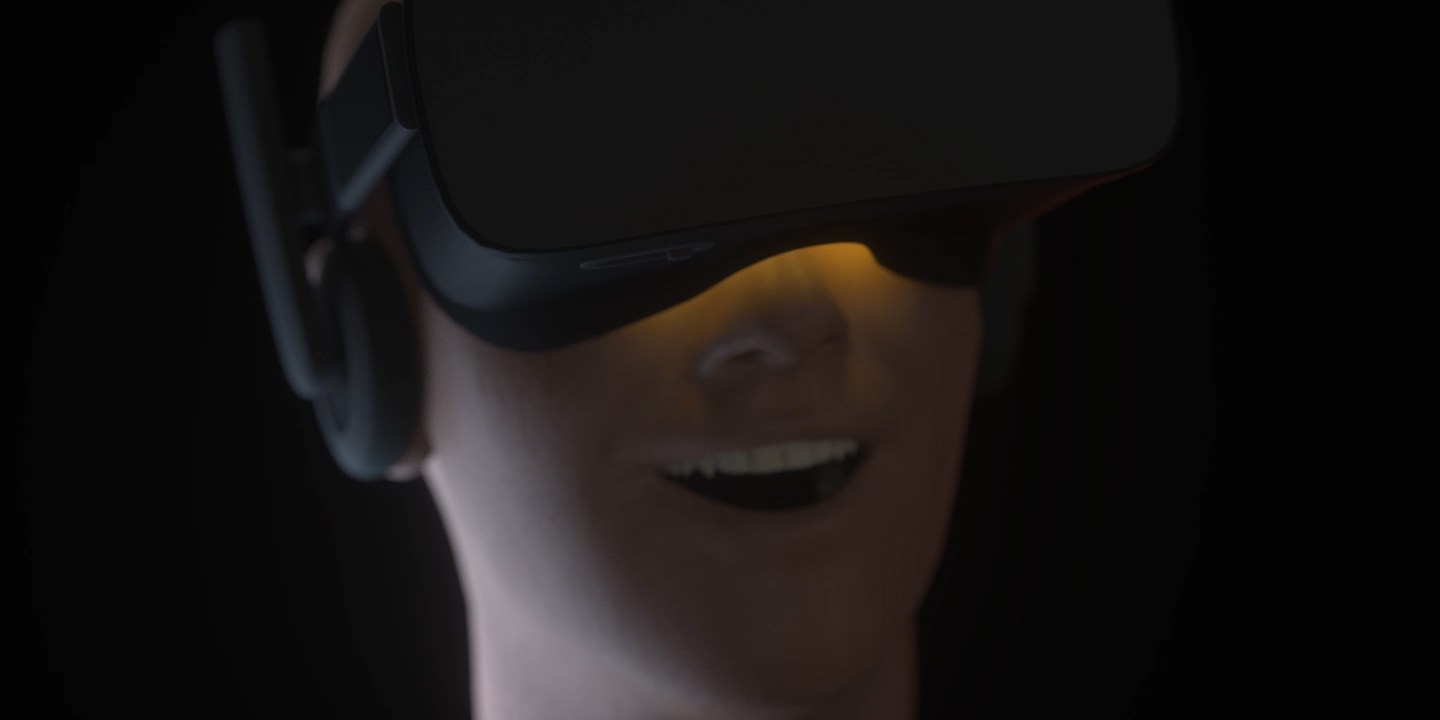
The second half of Facebook's keynote took an odd turn today at F8, spending a surprising amount of time looking at the unknowns of consciousness and visual illusions. But toward the end, Oculus Chief Scientist Michael Abrash spent a few minutes talking about the biggest opportunities for improvement in the virtual-reality experience: haptics, visuals, audio and tracking.

Virtual Reality Allows the Most Detailed, Intimate Digital Surveillance Yet
The kinds of behaviors virtual reality captures have long been a holy grail for data-monetizing companies.
What’s Up with VR and AR – Asa Dotzler's Blog
In early 2014, Meta (then Facebook) acquired Oculus, a head-mounted display company that was generating buzz with a successful crowdfunding effort. Oculus was building the Rift, a screen worn on the face, tethered to a PC, that delivered “immersive” virtual reality content. Meta spent the next 5 years integrating the PC with the head-mounted display to eliminate the need to tether to a PC, and released that as the Oculus Quest, now called the Meta Quest and well into its third generation.
Facebook’s “Metaverse” gets a bit closer today with Horizon Workrooms
Horizon Workrooms is a major step toward Zuckerberg's vision of a VR "metaverse."

Inside Mark Zuckerberg's Bold Plan For The Future Of Facebook - Fast Company
Facebook is firing on all cylinders. Now Mark Zuckerberg is looking to the decade ahead, from AI to VR to drones.
Facebook Is Being Overrun With Stolen, AI-Generated Images That People Think Are Real
The once-prophesized future where cheap, AI-generated trash content floods out the hard work of real humans is already here, and is already taking over Facebook.

Facebook is exploring brain control for AR wearables | TechCrunch
Facebook this morning issued a lengthy breakdown of recent research into BCI (brain-computer interface) as a means with which to control future augmented

Facebook Development Through The Years | TechCrunch
At the recent F8 conference, listening to Mark Zuckerberg announce that FB Messenger was going to open up as another developer platform, as Facebook did back in 07, brought me back to a different time. In 07, Facebook was different. You could invite large masses of your friends to play all sorts of games and through the Platform, build a new breed of application. Facebook Platform in 07 was very much the Wild West. It was a fun time to explore the social graph and build.

I Tried VR and It Was Just OK
It’s been about a year and a half since I wrote The Road to VR, and a… few… things have happened since then. * Facebook bought Oculus for a skadillion dollars * I have to continually read thinkpieces describing how the mere act of strapping a VR headset on your face

The Facebook Files
Facebook knows, in acute detail, that its platforms are riddled with flaws but hasn’t fixed them. That’s a key finding of a Journal series that launched this week, based on an array of internal company documents. Read all the stories here.
All the Ways You Can't Trust Facebook
As of June 2017, Facebook has over two billion active users. But despite superficial changes, Facebook also still has a problem respecting privacy and protecting your data.

How to Fix Facebook—Before It Fixes Us
An early investor explains why the social media platform’s business model is such a threat—and what to do about it.

Facebook Faces a New World as Officials Rein In a Wild Web (Published 2017)
The web is not as open as it once was, with nation-states exerting their power over the internet. Facebook and other tech companies are dealing with the consequences.

The Internet Isn’t Facebook: How Openness Changes Everything
Openness makes the Internet harder to govern — but also makes it resilient, innovative, and difficult to capture. Let's look at how the openness of the Internet both defines it and ensures its success.

Criticism of Facebook
Facebook (and parent company Meta Platforms) has been the subject of criticism and legal action since it was founded in 2004.[1] Criticisms include the outsize influence Facebook has on the lives and health of its users and employees, as well as Facebook's influence on the way media, specifically news, is reported and distributed. Notable issues include Internet privacy, such as use of a widespread "like" button on third-party websites tracking users,[2][3] possible indefinite records of user information,[4] automatic facial recognition software,[5][6] and its role in the workplace, including employer-employee account disclosure.[7] The use of Facebook can have negative psychological and physiological effects[8] that include feelings of sexual jealousy,[9][10] stress,[11][12] lack of attention,[13] and social media addiction that in some cases is comparable to drug addiction.[14][15]