


Reviewing the history of video games explains why Sony is dominant today, and why Microsoft is actually introducing competition, not limiting it.
Microsoft wants to monopolise games development on PC. We must fight it
Microsoft is looking to dominate the games industry ecosystem with its aggressive new UWP initiative. Developers must oppose this, or else cede control of their titles

PlayStation 4 re-review, five years in
We look at how Sony’s PS4 platform has evolved since launch
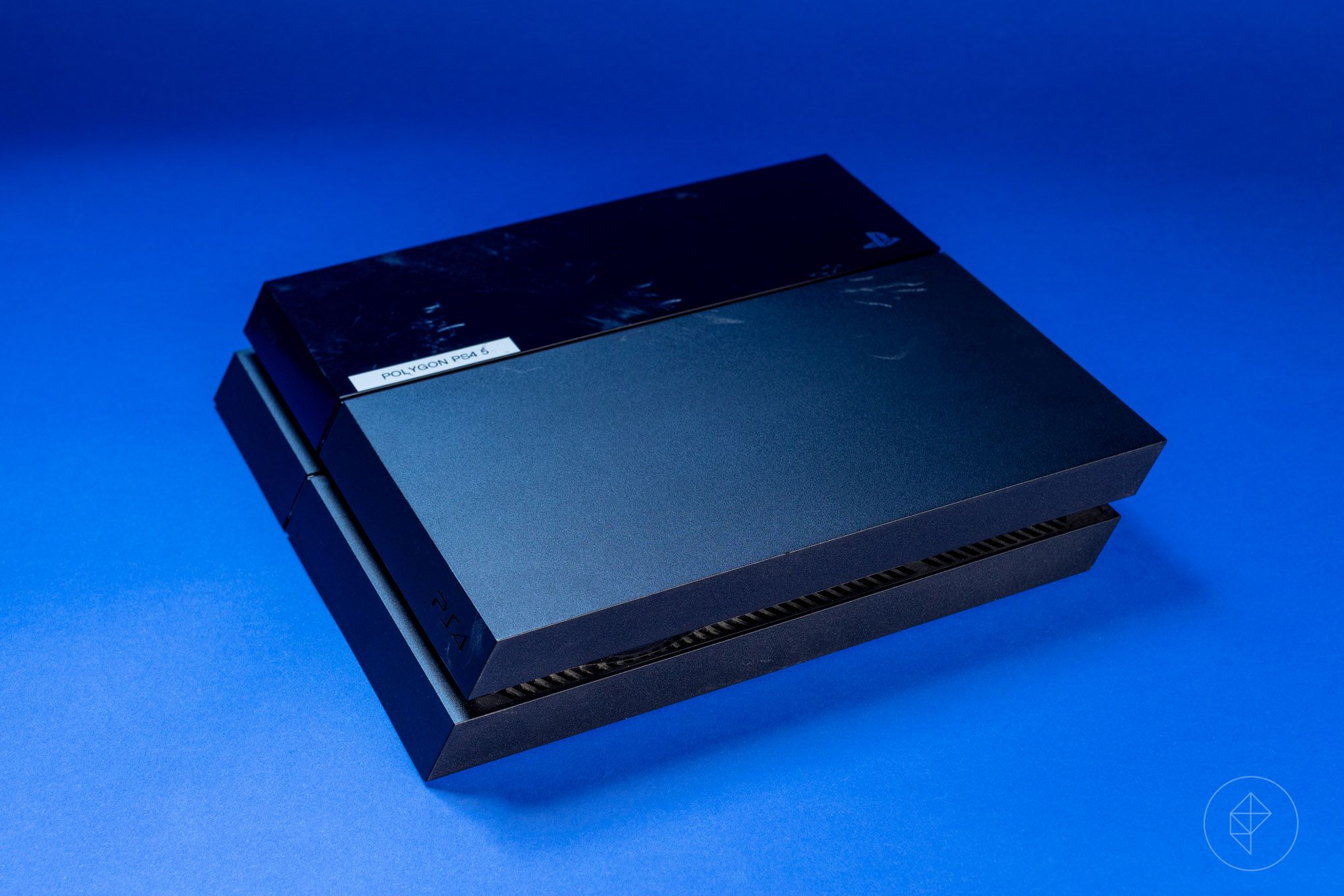
US console hardware market at its most precarious position ‘since the 80s’, says Circana | VGC
Xbox sales hit an all-time low as US console prices reach record highs…
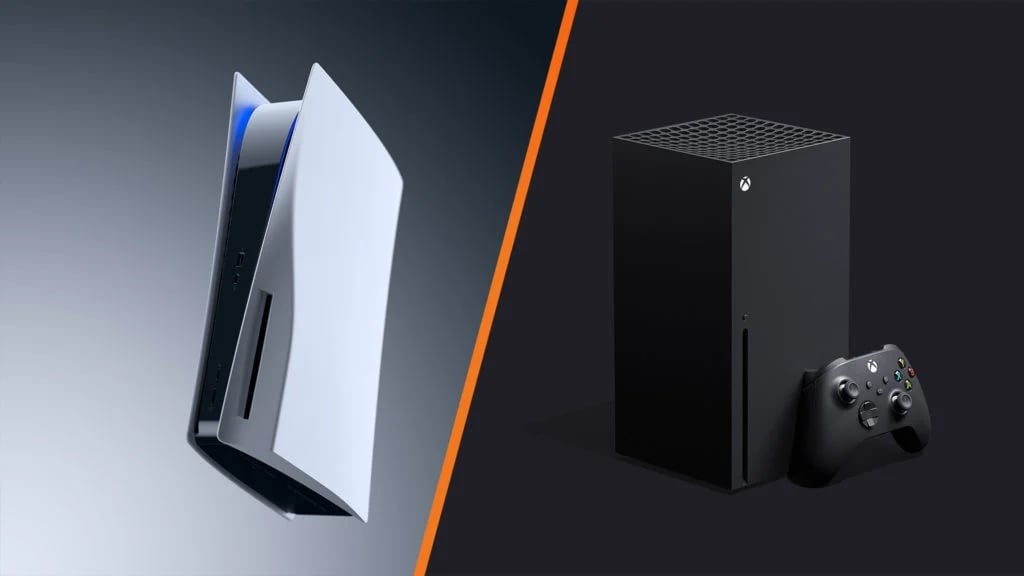
The future for platform holders is cooperation, not just competition | Opinion
When an industry changes -- even quite radically -- it can be hard to pinpoint the moment that the shift began. There a…

Microsoft is combining ‘the best of Xbox and Windows together’ for handhelds
The Windows handheld gaming experience may change in 2025.

The Video Game Industry Can't Go On Like This - Kotaku
At about this time next year, we’ll have a pretty good idea of what the next generation of video games will look like. New consoles will likely be shown

Your Loyalty To Sony Or Xbox Means Nothing, Analyst Says
It's a good idea to remember that "you're a number on a spreadsheet" to Sony and Microsoft.

» Doing Windows, Part 8: The Outsiders The Digital Antiquarian
Microsoft Windows 3.0’s conquest of the personal-computer marketplace was bad news for a huge swath of the industry. On the software side, companies like Lotus and WordPerfect, only recently so influential that it was difficult to imagine a world that didn’t include them, would never regain the clout they had enjoyed during the 1980s, and would gradually fade away entirely. On the hardware side, it was true that plenty of makers of commodity PC clones were happier to work with a Microsoft who believed a rising tide lifted all their boats than against an IBM that was continually trying to put them out of business. But what of Big Blue themselves, still the biggest hardware maker of all, who were accustomed to dictating the direction of the industry rather than being dictated to by any mere maker of software? And what, for that matter, of Apple? Both Apple and IBM found themselves in the unaccustomed position of being the outsiders in this new Windows era of computing. Each must come to terms with Microsoft’s newfound but overwhelming power, even as each remained determined not to give up the heritage of innovation that had gotten them this far.
Game Platforms | Game Developer
Explore the latest news and expert commentary on Game Platforms, brought to you by the editors of Game Developer

Introducing XBOX LABS
This message was just sent to Team XBOX employees globally. Team, The first video games emerged some 75 years ago. In the time since, there have been booms and busts, but every year there are more great games to play, more devices to play them, and best of all, more people than ever playing. That […]

Only seven PlayStation games have sold more than 100,000 physical copies in the US this year, analyst says | VGC
Sony will no longer be releasing new games on disc from January 2028…

PlayStation ending production of physical software in 2028
The company claims the move comes as 'the general preference for digital media significantly outpaces physical discs.'

7 Reasons Why Video Gaming Will Take Over — MatthewBall.co
It’s replicating the most lucrative entertainment businesses on earth… and then adding a lot more.

Competition Remedies Are Too Important to Be Left Untested
How user research can strengthen remedy design In digital markets, competition interventions too often miss the mark. Regulators devote years to running investigations, winning cases, or developing ex ante obligations. ...

The death of physical media only benefits corporations
Sony delivers the latest nail in physical media's coffin.

Why Do the Biggest Companies Keep Getting Bigger? It’s How They Spend on Tech
The secret of success for Amazon, Google and Microsoft is how much they invest in their own technology.
